

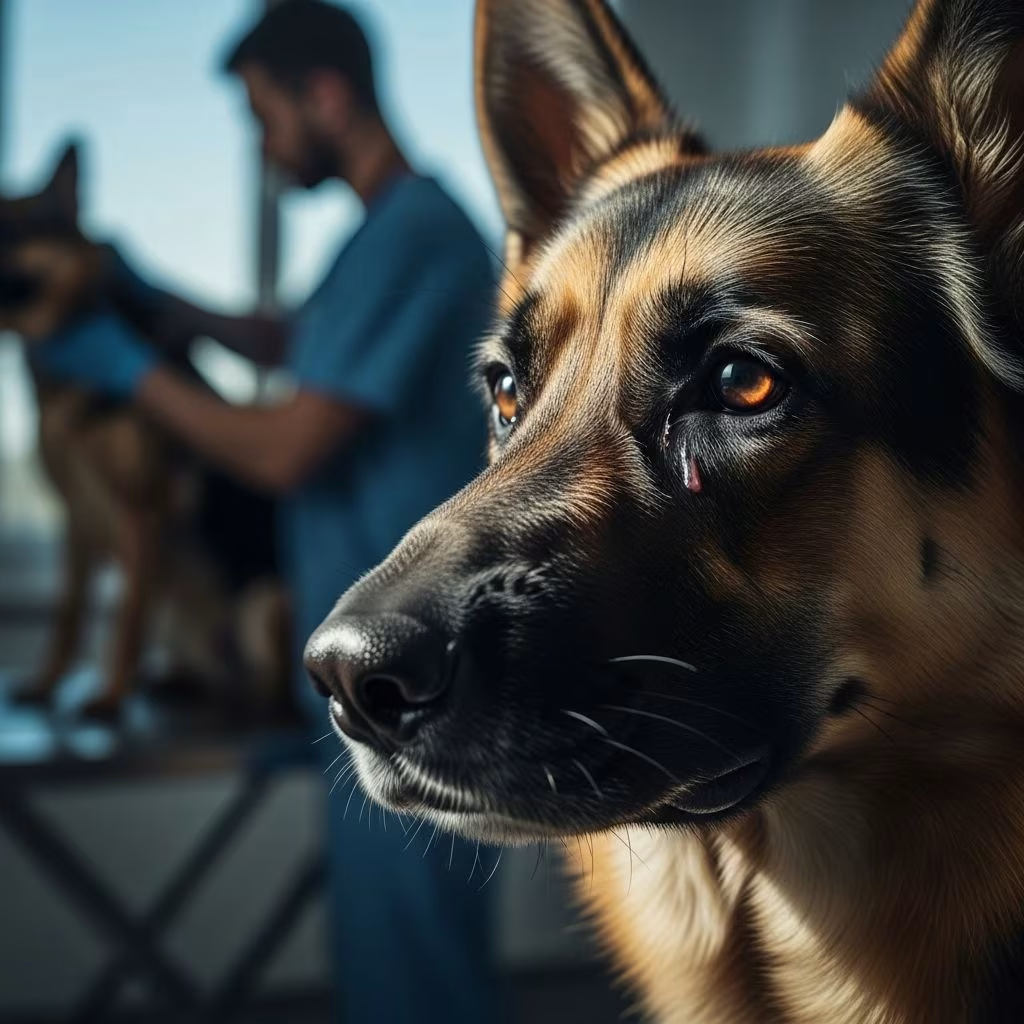
Canine influenza, commonly known as dog flu, is a highly contagious respiratory virus affecting dogs worldwide. While most cases resolve with supportive care, understanding its dynamics is crucial for pet owners to minimize risks and ensure swift recovery.
Understanding the Origins and Strains of Dog Flu
Dog flu arises from influenza A viruses adapted from equine origins, primarily the H3N8 and H3N2 strains. The H3N8 strain emerged in the U.S. around 2004 from greyhounds racing circuits, while H3N2 was first detected in 2015, originating from Asia and spreading rapidly through dog populations. These viruses target the respiratory tract, causing inflammation similar to human flu but without zoonotic transmission to people.
Both strains exhibit high infectivity, with nearly 100% of exposed dogs becoming infected, though clinical severity varies. Genetic mutations allow these viruses to persist in canine hosts, evading prior herd immunity and prompting ongoing surveillance by veterinary authorities.
Recognizing Early Warning Signs in Your Dog
Symptoms typically appear 2-4 days post-exposure, starting with a persistent dry cough, nasal discharge, and lethargy. Affected dogs may sneeze, develop fever above 104°F (40°C), and show reduced appetite. Eye discharge and throat inflammation often accompany these signs.
In mild cases, symptoms mimic kennel cough, lasting 1-3 weeks. Severe presentations include rapid breathing, pneumonia, and dehydration, necessitating immediate veterinary intervention. Puppies, seniors, and immunocompromised dogs face higher complication risks.
- Coughing fits: Harsh, honking sound triggered by exercise or pressure on the trachea.
- Nasal and ocular discharge: Clear initially, turning thick and green if bacterial secondary infection develops.
- Fever and fatigue: Warm ears/nose, reluctance to play or eat.
- Labored breathing: Sign of progression to pneumonia in 10-20% of cases.
Transmission Pathways and High-Risk Environments
The virus spreads via respiratory droplets from coughing/sneezing, direct contact with infected secretions, or contaminated surfaces like bowls, leashes, and clothing. Indirect fomites remain viable for up to 48 hours, amplifying spread in shared spaces.
Dog parks, boarding kennels, grooming salons, and shows represent hotspots due to close quarters. Asymptomatic shedding occurs for up to four weeks, extending contagion periods even post-recovery. Human vectors unwittingly transport the virus between dogs via hands or apparel.
| Environment | Risk Level | Precautions |
|---|---|---|
| Dog Parks/Daycare | High | Avoid during outbreaks; vaccinate prior. |
| Boarding Facilities | High | Choose vetted venues; isolate new arrivals. |
| Vet Clinics | Medium | Use separate waiting areas for sick pets. |
| Home | Low | Disinfect fomites; quarantine infected dogs. |
Diagnostic Approaches for Accurate Identification
Veterinarians diagnose via clinical history, physical exams, and lab tests. Swabs from nasal passages or trachea detect viral antigens via PCR, offering rapid results. Chest X-rays rule out pneumonia, while bloodwork assesses dehydration and infection markers.
Differential diagnoses include bordetella, distemper, or allergies. Early confirmation guides isolation protocols, preventing facility-wide outbreaks.
Supportive Treatment Protocols for Recovery
No antivirals exist for canine influenza; management focuses on symptom relief and complication prevention. Mild cases receive NSAIDs for fever/inflammation, cough suppressants, and hydration encouragement at home.
Severe instances demand hospitalization with IV fluids, oxygen therapy, and broad-spectrum antibiotics like doxycycline for secondary bacterial pneumonia. Nutritional support via feeding tubes aids anorexic patients.
Owners should:
- Provide fresh water and electrolyte solutions.
- Maintain a quiet, draft-free rest area.
- Gently clean facial discharges with warm cloths.
- Monitor breathing rate (normal: 10-30 breaths/min at rest).
Recovery spans 7-21 days, with full isolation recommended for 4 weeks post-symptom onset.
Vaccination: The Cornerstone of Prevention
Vaccines targeting H3N8 and H3N2 (e.g., Nobivac, Zoetis) reduce severity and shedding, though not 100% preventive. Administer initial doses to puppies from 7-8 weeks, with boosters at 3 weeks and annually.
Veterinarians tailor recommendations based on lifestyle risks. Side effects are minimal, primarily mild hypersensitivity. Vaccination significantly curtails outbreak propagation in high-density settings.
Everyday Strategies to Minimize Exposure Risks
Beyond vaccines, hygiene curbs transmission. Disinfect surfaces with diluted bleach or soap, washing hands/paws post-dog interactions. Avoid congregate areas during local outbreaks, signaled by veterinary alerts.
Quarantine coughing dogs immediately, using harnesses over collars to ease tracheal irritation. Multi-dog households must segregate patients, laundering fabrics frequently.
Navigating Outbreaks: Community and Regional Responses
Outbreaks prompt kennel shutdowns and enhanced surveillance. Owners should monitor AVMA/CDC updates for regional incidence. Prompt reporting aids containment.
FAQs on Canine Influenza
Can humans catch dog flu?
No evidence supports dog-to-human transmission.
Is dog flu fatal?
Rarely; mortality under 1% with timely care.
How long is a dog contagious?
Up to 4 weeks, even without symptoms.
Does vaccination guarantee protection?
It lessens severity but doesn’t fully prevent infection.
What if my dog shows mild symptoms?
Consult a vet; home care suffices for uncomplicated cases.
Long-Term Respiratory Health for Dogs
Post-recovery, schedule check-ups to monitor residuals. Core vaccines (bordetella, distemper) complement flu shots. Balanced nutrition bolsters immunity, reducing vulnerability.
By integrating vaccination, hygiene, and vigilance, owners can drastically lower dog flu burdens, fostering healthier canine communities.
References
- What Is Dog Flu: Signs & Symptoms, And How To Treat It — Trudell Animal Health. 2023. https://trudellanimalhealth.com/en-ca/blogs/blog/what-is-dog-flu-signs-symptoms-and-how-to-treat-it
- Dog Flu (Canine Influenza): Symptoms and Treatment — PetMD. 2024. https://www.petmd.com/dog/conditions/respiratory/dog-flu-canine-influenza-dogs
- Canine Influenza (Flu) – Dog Owners — Merck Veterinary Manual. 2025. https://www.merckvetmanual.com/dog-owners/lung-and-airway-disorders-of-dogs/canine-influenza-flu
- Canine influenza — American Veterinary Medical Association (AVMA). 2024. https://www.avma.org/resources-tools/pet-owners/petcare/canine-influenza
- Canine Influenza Disease Fact Sheet — Manitoba Veterinary Medical Association. 2019-07-01. https://www.mvma.ca/wp-content/uploads/2019/08/Canine-Influenza-Disease-Fact-Sheet_-July-2013.pdf
- Canine Influenza: The Dog Flu — VCA Animal Hospitals. 2024. https://vcahospitals.com/know-your-pet/canine-influenza-the-dog-flu
- Dog Flu: Symptoms, Causes, and Treatment — WebMD. 2024. https://www.webmd.com/pets/dog-flu-symptoms-causes-treatment
- About Dog Flu | Influenza in Animals — Centers for Disease Control and Prevention (CDC). 2025. https://www.cdc.gov/flu-in-animals/about/canine-flu.html



