

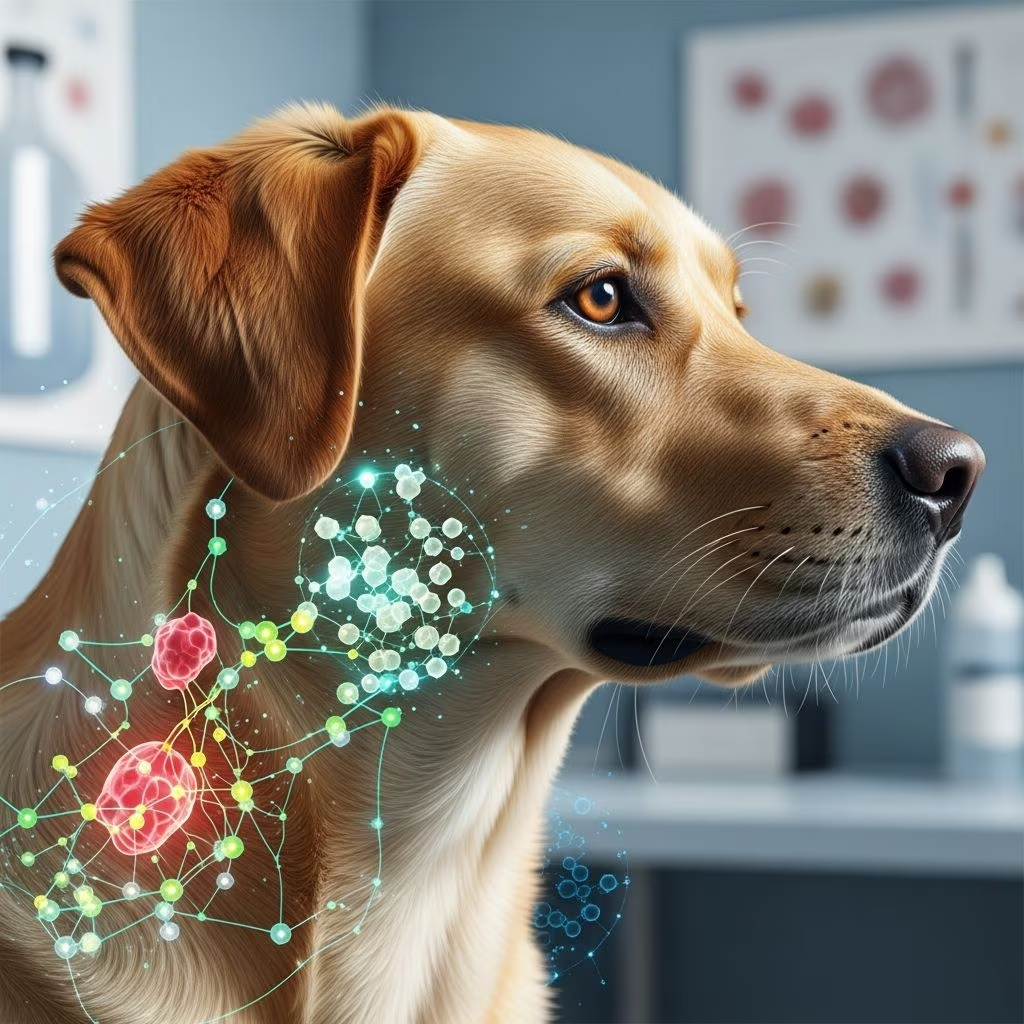
A dog’s body contains one of nature’s most sophisticated protective mechanisms—an intricate network of cells, tissues, and organs working in concert to identify and neutralize threats. The immune system serves as a biological barrier against pathogens, foreign substances, and abnormal cells that could compromise health. This defense network operates continuously, employing multiple strategies to keep dogs healthy and resilient throughout their lives.
The Architecture of Canine Immunity
The immune system in dogs is not concentrated in a single location but distributed throughout the entire body. This dispersed design ensures that immune responses can be mounted quickly wherever an infection or threat emerges. Understanding this anatomical distribution reveals how comprehensive canine protection truly is.
Primary immune organs and tissues include specialized structures where immune cells develop and mature. The thymus gland, positioned in the chest just anterior to the heart, serves as the training ground for T-lymphocytes during puppyhood and young adulthood. As dogs age, the thymus gradually diminishes in size and activity, which contributes to the natural decline in immune responsiveness that occurs with advancing age.
The bone marrow functions as a manufacturing center for immune cells. This spongy tissue within the long bones of the skeleton produces various white blood cells, including neutrophils, macrophages, and B-lymphocytes. The bone marrow continuously generates replacement immune cells to maintain adequate quantities in circulation and support the body’s protective capacity.
Lymphoid tissues scattered throughout the body form the infrastructure of immune surveillance. The spleen, located in the upper left abdomen, acts as a filtration station, trapping pathogens and debris from the bloodstream while simultaneously serving as a reservoir of immune cells ready for deployment. Lymph nodes, small bean-shaped structures positioned throughout the body in strategic locations such as the neck, armpits, groin, and behind the knees, serve as collection and processing centers where immune responses are generated and antigens are neutralized.
The Transport Network: Lymphatic Circulation
Just as blood vessels carry oxygen and nutrients, the lymphatic system transports immune cells and fluid throughout the dog’s body. Lymphatic vessels form a network parallel to the circulatory system, carrying clear fluid called lymph that bathes tissues and contains specialized immune components. This fluid continuously flows toward lymph nodes and eventually returns to the bloodstream, creating a constant circulation of immune surveillance.
The integration between the lymphatic and circulatory systems ensures that immune cells can rapidly reach any location where a threat is detected. This dual-system approach provides redundancy and reliability, guaranteeing that immune responses can be mobilized efficiently regardless of where pathogens attempt to establish themselves.
Cellular Players in Canine Defense
White blood cells, or leukocytes, represent the mobile infantry of the immune system. These specialized cells exist in multiple varieties, each performing distinct defensive functions. Some white blood cells excel at attacking bacteria and responding to inflammation, while others focus on parasitic threats or assist in antibody production.
Lymphocytes comprise a particularly important subset of white blood cells and fall into two primary categories:
- T-lymphocytes orchestrate cellular immunity, recruiting and coordinating other white blood cells to combat infection. These cells undergo maturation in the thymus gland, where they learn to distinguish between the body’s own cells and foreign invaders. T-cells remain active throughout a dog’s lifetime, though their numbers and function gradually decline with age.
- B-lymphocytes specialize in humoral immunity and antibody production. When B-cells encounter specific antigens, they generate antibodies—specialized proteins designed to neutralize and eliminate those particular threats. B-cells also develop immunological memory, enabling faster and stronger responses upon subsequent encounters with the same pathogen.
Dendritic cells function as sentinels, patrolling tissues throughout the body and capturing pathogens for presentation to other immune cells. Macrophages engulf and digest invading microorganisms while simultaneously signaling other immune components to mobilize. Neutrophils provide rapid response to bacterial infections and inflammation, often arriving first at sites of infection.
The Two-Tiered Defense Strategy
Canine immunity operates through two complementary but distinct mechanisms that work together to provide comprehensive protection.
Innate immunity represents the first line of defense, responding immediately to recognized patterns of infection without requiring prior exposure. This system includes physical barriers like skin, chemical defenses such as enzymes and acids, and cellular responses characterized by inflammation. When the innate immune system detects a threat, it rapidly recruits multiple immune cell types to contain and eliminate the problem while signaling other body systems to amplify the response.
The innate response, while effective, operates with a broad-brush approach. It generates inflammation to support the fight against invaders, which helps control infections but can also cause collateral damage to nearby tissues. This trade-off—effective pathogen elimination balanced against tissue inflammation—represents a fundamental characteristic of innate immunity.
Adaptive immunity provides the second layer of defense, activated when innate immunity signals that a significant threat exists. This system mobilizes T-cells and B-cells to mount a targeted, specific response calibrated precisely to the particular pathogen involved. The adaptive immune system demonstrates remarkable specificity, with B-cells manufacturing antibodies custom-designed to neutralize individual pathogen types.
A crucial feature of adaptive immunity is immunological memory. After successfully defeating a pathogen, B-cells retain specialized memory cells that can recognize that same threat years later. This memory allows for faster, stronger responses upon re-exposure, which forms the foundation for vaccine effectiveness in dogs.
The Bridge Between Innate and Adaptive Responses
Antigen-presenting cells (APCs) establish critical communication between the two immune tiers. These specialized cells capture invading microorganisms, break them down into smaller antigenic fragments, and display these fragments on their surface in association with major histocompatibility complex molecules. This presentation allows lymphocytes to recognize and respond to specific threats, effectively translating the nonspecific innate response into a targeted adaptive response.
Dendritic cells, particularly potent APCs, possess exceptional ability to stimulate naive T-cells and orchestrate immune coordination. Macrophages and B-lymphocytes also contribute to antigen presentation, though with somewhat less efficiency. This hierarchical system ensures that immune responses remain proportional and focused.
Immune Maturation and Life Stage Changes
The canine immune system undergoes significant developmental changes from birth through old age. Puppies begin life with a developing immune system, with the thymus gland at its largest during early weeks and months. This robust thymic activity supports the rapid maturation and proliferation of T-cells necessary for establishing comprehensive immune surveillance.
During the first weeks of life, puppies rely partially on passive immunity transferred through maternal antibodies in colostrum. As puppies age, their own adaptive immune system develops increasingly sophisticated capabilities. Vaccination protocols capitalize on this developmental trajectory, introducing antigens at times when the young immune system can generate strong, lasting responses.
The thymus gland experiences a dramatic decline in size and activity between ages one and five years. As the thymus shrinks, thymic hormone production decreases, leading to gradual reduction in T-cell production and maturation. This age-related change contributes to the natural decline in immune function observed in older dogs.
Senior dogs experience progressive immune senescence, characterized by diminished responses to new pathogens and reduced ability to clear infections. While memory cells may retain recognition of previously encountered threats, the overall vigor and speed of immune response gradually diminish. This age-related decline underscores the importance of proper nutrition, stress management, and preventive care in maintaining immune function throughout a dog’s life.
Antibodies: The Immune System’s Guided Missiles
Antibodies, also called immunoglobulins, represent one of the immune system’s most elegant solutions. These proteins, manufactured by B-cells, serve as highly specific recognition and neutralization tools. Each antibody type targets particular antigens, binding to them with lock-and-key precision.
The body produces multiple classes of immunoglobulins, each serving distinct defensive purposes. Some antibodies excel at neutralizing toxins, others enhance inflammation to facilitate pathogen destruction, and still others mark targets for destruction by immune cells. This molecular diversity allows the immune system to employ different strategies depending on the nature of the threat.
Antibodies persist in the bloodstream long after an infection resolves, providing continuing protection. This persistence, combined with the memory functions of B-cells, creates the foundation for long-term immunity and explains why dogs typically develop resistance to diseases they have previously encountered.
Nutritional Support for Canine Immunity
The immune system’s function depends heavily on adequate nutrition. Protein provides the amino acids necessary for antibody and immune cell synthesis. Vitamins A, C, D, and E support various aspects of immune function, while minerals like zinc and selenium contribute to optimal immune responses. Maintaining appropriate caloric intake and macronutrient balance supports the energy demands of immune surveillance and response.
Antioxidant compounds found in varied whole foods help protect immune cells from oxidative damage. Omega-3 fatty acids support immune cell membrane function and help modulate inflammatory responses. The overall nutritional status of a dog directly influences the competence and efficiency of all immune system components.
Frequently Asked Questions
How long does it take for a dog’s immune system to develop?
While puppies begin developing immunity in utero and shortly after birth, the adaptive immune system requires weeks to months to establish comprehensive protection. Initial responses to vaccines appear within one to two weeks, but optimal antibody production and immunological memory take longer to fully develop. The complete maturation of immune organs and lymphocyte populations extends through the first year of life.
Why are vaccines important if dogs have a natural immune system?
Vaccines train the adaptive immune system to recognize dangerous pathogens without causing actual disease. This allows dogs to develop immunological memory and produce specific antibodies before encountering wild pathogens. The natural immune system, without prior sensitization through vaccination, responds more slowly to novel threats, allowing infections to establish before strong defenses activate.
At what age do dogs’ immune systems begin to decline?
The most significant immune decline occurs between ages one and five, when the thymus gland shrinks and thymic hormone production drops. However, gradual immune senescence continues throughout a dog’s senior years. Most dogs show noticeably reduced immune responsiveness after age seven or eight, though individual variation exists.
Can stress affect a dog’s immune function?
Yes, chronic stress suppresses immune function through multiple mechanisms, including reduced lymphocyte production and decreased antibody responses. Dogs experiencing prolonged stress, anxiety, or changes in their environment may develop compromised immune competence, making them more susceptible to infections.
What role does sleep play in canine immune function?
Sleep supports immune function by allowing for immune cell proliferation and the consolidation of immunological memory. During sleep, the body increases production of cytokines that support immune responses. Dogs deprived of adequate sleep show reduced immune competence and slower recovery from infections.
Supporting Lifelong Immune Health
Maintaining optimal immune function requires attention to multiple factors throughout a dog’s life. Regular exercise promotes lymphatic circulation and supports overall immune competence. Stress reduction through environmental enrichment and consistent routines helps prevent immune suppression. Preventive veterinary care, including appropriate vaccinations and parasite control, works with the natural immune system to prevent serious diseases.
As dogs age, maintaining lean body weight becomes increasingly important for immune function. Obesity impairs immune responses and increases susceptibility to infections. Quality sleep, mental stimulation, and maintaining social connections with other dogs and familiar humans all contribute to robust immune function.
Understanding the complexity and sophistication of canine immunity highlights why comprehensive health management encompasses far more than treating disease symptoms. Supporting the immune system represents one of the most effective approaches to ensuring dogs remain healthy, resilient, and capable of enjoying active, fulfilling lives across all life stages.
References
- Structure and Function of the Immune System in Dogs — PetPlace.com. Accessed 2026. https://www.petplace.com/article/dogs/pet-health/structure-and-function-of-the-immune-system-in-dogs
- Your Dog’s Immune System — Morris Animal Foundation. Accessed 2026. https://www.morrisanimalfoundation.org/article/science-101-dog-immune-system
- Development of Dog Immune System: From in Uterus to Elderly — PubMed Central. 2020. https://pmc.ncbi.nlm.nih.gov/articles/PMC6958461/
- The Canine and Feline Immune System — Manorswood Veterinary Clinic. Accessed 2026. https://manorswoodvet.co.za/the-canine-and-feline-immune-system/
- Innate Immunity in Animals — MSD Veterinary Manual. Accessed 2026. https://www.msdvetmanual.com/immune-system/the-biology-of-the-immune-system/innate-immunity-in-animals



