

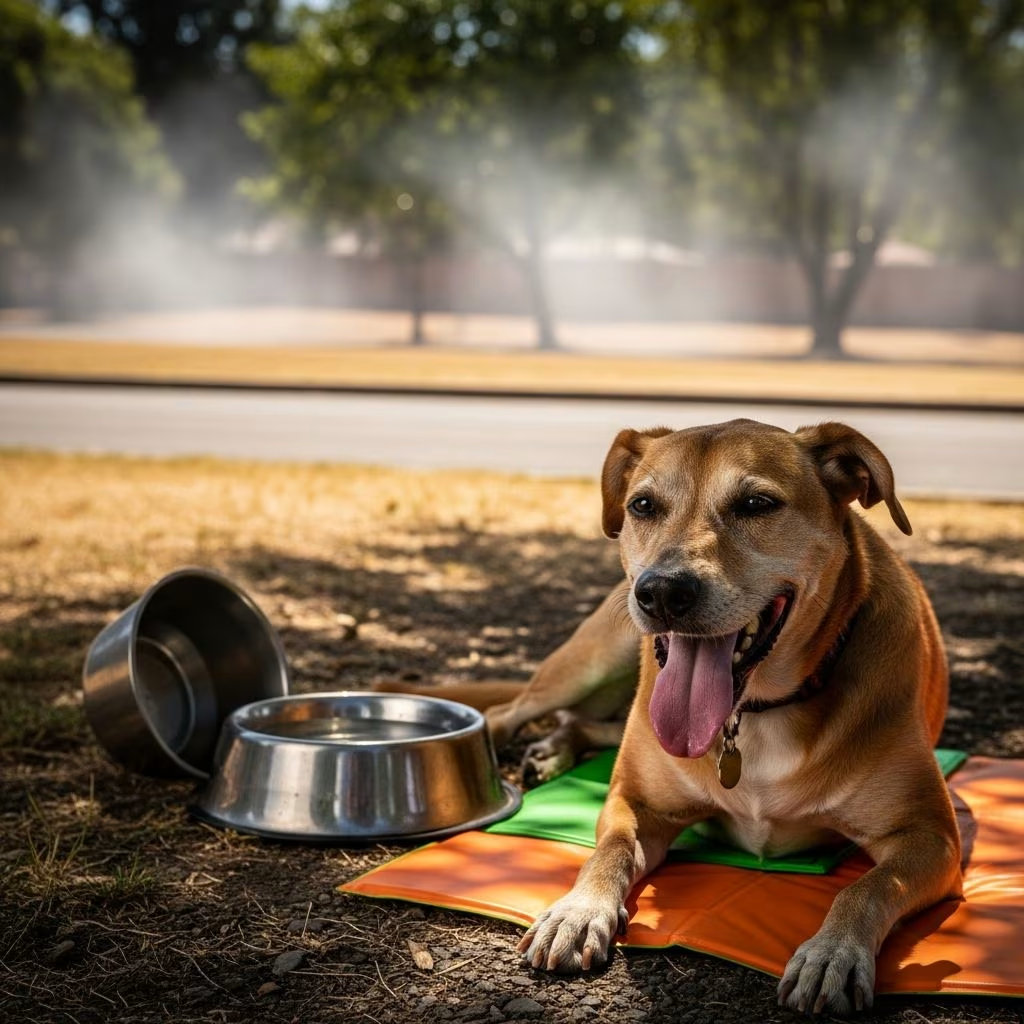
Heat-related illness represents one of the most serious threats to canine health during warm months and in high-temperature environments. Unlike humans who possess functional sweat glands distributed across their entire body, dogs rely primarily on panting as their main cooling mechanism, with minimal perspiration from specialized glands located only on their paws. This physiological limitation makes dogs significantly more vulnerable to thermal injury when exposed to elevated temperatures or intense physical exertion. A dog’s normal body temperature ranges between 100.5 and 102.5 degrees Fahrenheit, but when environmental conditions or activity levels prevent effective temperature regulation, internal body temperature can rapidly escalate to dangerous levels, triggering a cascade of potentially fatal systemic complications.
Understanding the distinction between heat stress, heat exhaustion, and heat stroke is critical for pet owners, as each stage presents different clinical presentations and treatment urgencies. The progression from initial thermal stress to life-threatening hyperthermia can occur rapidly, sometimes within minutes, making prompt recognition and intervention essential for favorable outcomes.
The Progression of Heat-Related Illness in Dogs
Heat-related conditions in dogs follow a predictable progression if cooling measures are not instituted promptly. Recognizing which stage your dog has reached determines the appropriate response and urgency of veterinary care.
Initial heat stress represents the earliest warning signs that a dog’s thermoregulatory system is becoming overwhelmed. During this stage, observable symptoms include excessive panting, which intensifies as the body attempts to increase evaporative cooling through respiratory effort. Dogs may display increased thirst and seek water frequently. Behavioral changes often manifest as lethargy, reluctance to engage in normal activities, and preference for shaded or cool areas. At this stage, the dog’s body temperature remains relatively controlled, though elevated above baseline.
Heat exhaustion develops when heat stress persists without adequate cooling intervention. The body’s compensatory mechanisms begin to fail, leading to more pronounced clinical signs. Dogs in heat exhaustion demonstrate visible fatigue and generalized weakness. Gastrointestinal symptoms including vomiting and diarrhea may occur as the digestive system responds to thermal stress. The dog’s mental status may become noticeably duller, with reduced responsiveness to environmental stimuli. Body temperature during this phase typically remains normal to slightly elevated, though dehydration becomes increasingly apparent.
Heat stroke represents the terminal stage of heat-related illness, characterized by severe systemic dysfunction. When core body temperature exceeds 104 degrees Fahrenheit, central nervous system involvement becomes apparent. Dogs may exhibit disorientation, stumbling, loss of coordination, or complete collapse. Seizure activity is common, reflecting severe cerebral involvement. Without immediate aggressive intervention, heat stroke frequently progresses to organ failure, shock, and death.
Clinical Manifestations of Canine Heat Stroke
Heat stroke presents with a constellation of clinical signs that vary depending on severity and individual variation. Early recognition of these symptoms enables prompt intervention before irreversible organ damage occurs.
Respiratory symptoms are among the first observable changes. Excessive panting represents the dog’s desperate attempt to increase evaporative cooling through rapid breathing. As condition deteriorates, breathing becomes labored, and tachypnea (abnormally rapid respiration) develops. In severe cases, respiratory distress becomes apparent, with visible effort required for each breath.
Cardiovascular manifestations include tachycardia, where heart rate accelerates significantly above normal ranges. The dog’s mucous membranes, including gums and inner eyelids, appear bright red or brick-red rather than their normal pink color, reflecting increased blood perfusion and inflammation. Signs of shock may develop, including pale or muddy-appearing mucous membranes in later stages, representing circulatory collapse.
Gastrointestinal signs often accompany heat stroke, particularly in moderate to severe presentations. Vomiting and diarrhea are common, and these secretions may contain blood, indicating damage to the intestinal lining. This gastrointestinal damage can progress to bacterial translocation, where bacteria from the compromised intestinal tract enter the bloodstream, leading to sepsis.
Neurological symptoms indicate severe heat stroke and carry poor prognostic implications. Disorientation manifests as the dog appearing confused or unaware of surroundings. Stumbling and loss of coordination occur as the nervous system sustains thermal injury. Collapse represents complete loss of ambulation, with the dog unable to stand or walk. Seizure activity may develop, reflecting significant cerebral involvement and indicating immediate need for intensive emergency care.
Immediate First Aid Responses
When heat stroke is suspected, immediate action outside the veterinary hospital can significantly improve survival rates. Research demonstrates that dogs actively cooled before arriving at the hospital experience mortality rates of 19%, compared to 49% mortality in dogs not cooled prior to arrival. This substantial difference underscores the critical importance of initiating cooling measures immediately.
Environmental management represents the first priority. Remove the dog from the hot environment immediately and transport them to a cool, shaded area with adequate air circulation. If indoors, position the dog directly in front of air conditioning vents or fans. Open windows to maximize air flow and reduce ambient temperature around the dog.
Active cooling techniques should begin without delay. Use cool water, not ice-cold water, to wet down the dog’s body, focusing on areas with significant blood vessel proximity including the head, stomach, armpits, and feet. Avoid wetting the face directly, as water in the nasal passages or mouth can impair breathing in already-distressed dogs. A garden hose or bucket works well for initial cooling, and misting cool water over the dog’s body while positioning them in front of a fan promotes evaporative cooling.
Critical cooling errors to avoid: Do not wrap wet towels around the dog, as this traps heat attempting to escape the body and actually impedes cooling. Avoid ice baths or application of ice packs directly to the skin, as rapid temperature reduction can cause dangerous blood vessel constriction, paradoxically reducing the body’s cooling capacity and potentially causing thermal shock. Similarly, rubbing alcohol is no longer recommended as a cooling method.
Hydration support may be offered if the dog is conscious and able to swallow, but do not force water into an unconscious dog or one with altered mentation. Allow the dog to drink small amounts if interested, but do not attempt to provide large volumes that could cause aspiration or vomiting.
Veterinary Treatment Protocols
Heat stroke demands intensive veterinary care, as complications develop rapidly and require sophisticated monitoring and medication management. Upon arrival at the emergency hospital, veterinarians implement a comprehensive treatment approach addressing the multiple organ systems affected by hyperthermia.
Continued active cooling remains a primary focus during initial hospitalization. However, cooling must be carefully monitored to prevent overcorrection. Treatment is typically discontinued once the dog’s rectal temperature decreases to approximately 103 degrees Fahrenheit, preventing development of hypothermia from excessive cooling.
Fluid therapy represents a cornerstone of heat stroke treatment. Intravenous access is established immediately, and room-temperature crystalloid fluids are administered in carefully calculated boluses. These fluids serve multiple purposes: they restore intravascular volume in dogs with shock or dehydration, expand blood circulation to peripheral tissues to facilitate cooling, and support cardiovascular function. Maintenance fluid therapy continues throughout hospitalization to replace ongoing losses from vomiting, diarrhea, and urinary output.
Respiratory support is implemented as needed. The veterinarian evaluates airway patency and ensures adequate oxygenation. Supplemental oxygen is provided via face mask or flow-by delivery in dogs with compromised breathing. In severe cases where airway protection is needed, intubation or emergency tracheostomy may be performed.
Gastrointestinal protection addresses the specific vulnerability of the intestinal tract to thermal injury. Gastric protectants and anti-nausea medications are administered to prevent or treat gastric ulceration and vomiting. Proton pump inhibitors such as omeprazole reduce stomach acid production, while sucralfate provides local protective coating of damaged mucosa. Antiemetic medications combat nausea and vomiting.
Antibiotic therapy becomes essential because heat stroke damages the intestinal barrier, allowing bacterial translocation from the gut into the bloodstream. Prophylactic antibiotics prevent secondary sepsis and blood poisoning.
Central nervous system support addresses cerebral complications. If seizures develop, anti-seizure medications such as diazepam or midazolam are administered. For dogs showing signs of cerebral edema or increased intracranial pressure, hypertonic saline or mannitol may be used to reduce swelling and improve cerebral blood flow.
Cardiac management becomes necessary because heat damages myocardial tissue and disrupts electrical conduction. Cardiac arrhythmias, particularly ventricular arrhythmias, are common in heat stroke patients. Anti-arrhythmic medications such as lidocaine restore normal cardiac rhythm. Cardiac medications and blood pressure support agents maintain adequate circulation.
Blood product transfusions may be required if coagulopathy (clotting dysfunction) develops or if significant gastrointestinal bleeding has occurred. Fresh frozen plasma or whole blood transfusions address these complications and provide colloid support.
Monitoring and Hospitalization
Dogs recovering from heat stroke require intensive monitoring throughout hospitalization, often in an intensive care unit setting. Veterinary staff continuously assess multiple parameters including mental status, body temperature, blood pressure, heart rate, and respiratory rate and effort.
Frequent blood work evaluates the extent of dehydration, assesses organ function, and monitors the effectiveness of treatment. Tests for coagulopathy identify clotting abnormalities requiring intervention. Rectal temperature monitoring prevents overcooling while ensuring continued appropriate thermal regulation.
The duration of hospitalization varies depending on severity but typically extends from 24 to 72 hours or longer for severely affected dogs. Animals displaying neurological complications or significant organ dysfunction require extended monitoring and may not survive despite aggressive intervention.
Long-Term Recovery and Complications
Surviving heat stroke can result in permanent organ damage. Some dogs experience lasting neurological deficits, including behavioral changes or seizure disorders. Kidney damage may result in chronic renal insufficiency requiring lifelong dietary management. Cardiac complications occasionally persist, necessitating ongoing cardiac monitoring.
Follow-up veterinary evaluations are essential during recovery to assess for delayed complications and ensure adequate healing. Many affected dogs benefit from gradual return to normal activity over several weeks, with close observation for any deterioration.
Prevention Strategies
Preventing heat stroke is far more effective than treating it. Dogs at highest risk include brachycephalic breeds with compromised respiratory systems, elderly dogs, puppies, and those with underlying health conditions. These animals require particular vigilance during warm months.
Environmental management: Never leave dogs unattended in parked vehicles, even with windows cracked. Avoid exercise during peak heat hours, scheduling walks during early morning or late evening. Provide constant access to fresh water and shaded areas. Use air conditioning indoors during hot weather.
Activity modification: Limit intense exercise during warm months, particularly for high-risk individuals. Allow frequent rest breaks during outdoor activity. Recognize your individual dog’s tolerance and adjust activity accordingly.
Recognition of risk factors: Understand which conditions and breeds predispose to heat stroke. Obesity significantly increases risk, as excess body fat impairs heat dissipation. Dogs taking certain medications may have altered thermoregulation.
Frequently Asked Questions
How quickly can heat stroke develop?
Heat stroke can develop within minutes in high-temperature or high-humidity environments, particularly during intense exercise. Some dogs progress from normal to life-threatening within 15 to 30 minutes of exposure.
What is the survival rate for canine heat stroke?
Survival rates vary considerably depending on severity, duration before treatment, and individual factors, but range from 50-90%. Dogs cooled before hospital arrival show significantly better outcomes than those not cooled prior to treatment.
Can dogs be left outside unattended on warm days?
No. Even on moderately warm days, dogs should never be left unattended outside without constant supervision, access to fresh water, and available shade. Conditions can deteriorate rapidly.
Are certain breeds more susceptible?
Yes, brachycephalic breeds with shortened muzzles, including Bulldogs, Pugs, and Boxers, are particularly vulnerable due to compromised airway anatomy affecting heat dissipation. Double-coated breeds like Golden Retrievers are also at increased risk.
What should I do if my dog shows heat stroke symptoms while traveling?
Begin cooling immediately with cool water and position the dog in front of air conditioning. Transport to the nearest emergency veterinary facility without delay. Call ahead to alert the clinic to your arrival so staff can prepare for emergency care.
References
- Heat Stroke In Dogs – Signs, Symptoms & Treatment — Animal Emergency Service Australia. Accessed March 2026. https://animalemergencyservice.com.au/blog/heat-stroke-in-dogs/
- Heat Stroke in Dogs — VCA Animal Hospitals. https://vcahospitals.com/know-your-pet/heat-stroke-in-dogs
- Heat Stroke in Dogs: Causes, Symptoms, and Treatment — Veterinary Emergency Group. https://www.veg.com/post/dog-heat-stroke
- Heatstroke in Dogs: Signs, Treatment, and Prevention — PetMD. https://www.petmd.com/dog/conditions/systemic/heatstroke-dogs
- Heatstroke in Dogs — Today’s Veterinary Practice. https://todaysveterinarypractice.com/emergency-medicine-critical-care/todays-technician-heatstroke-in-dogs/
- Heatstroke: A Medical Emergency — Cornell University College of Veterinary Medicine, Riney Canine Health Center. https://www.vet.cornell.edu/departments-centers-and-institutes/riney-canine-health-center/canine-health-information/heatstroke-medical-emergency



