

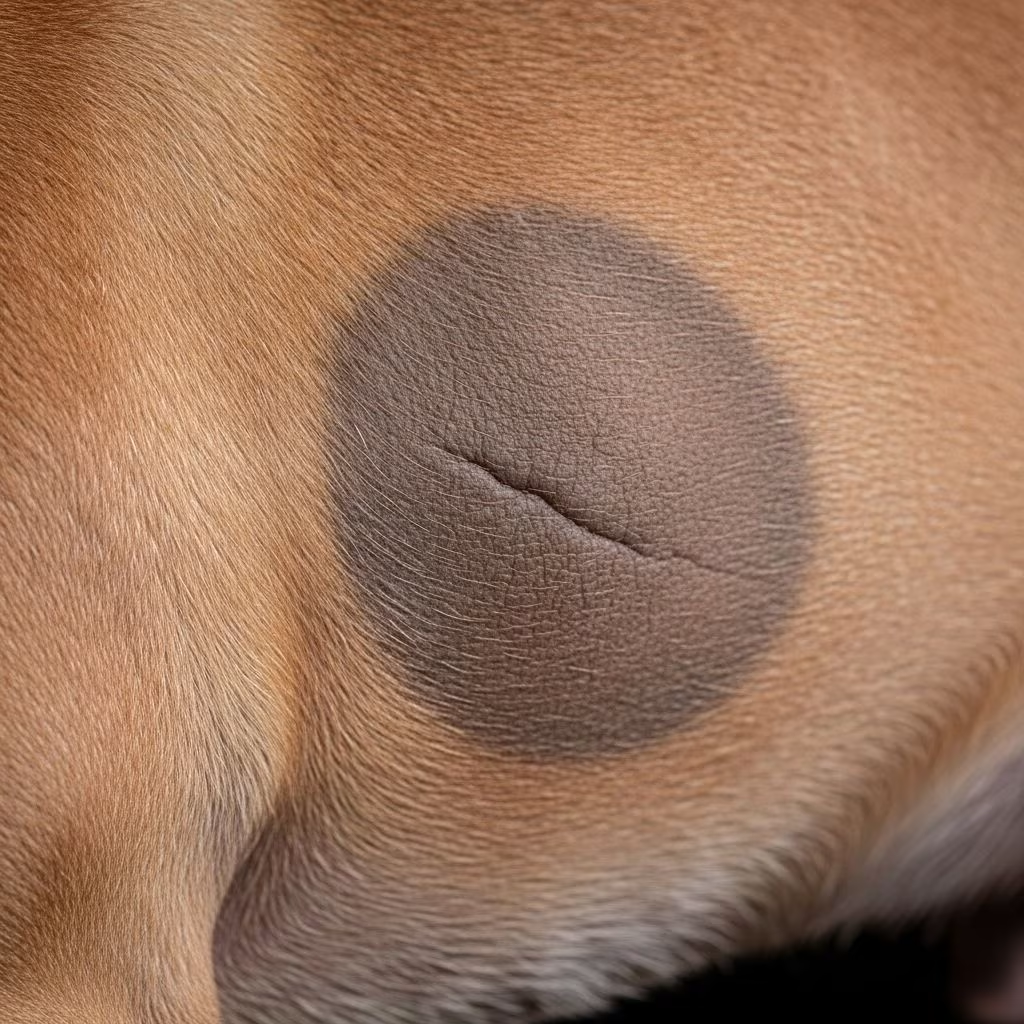
Discovering dark patches or blackened areas on your dog’s skin can be concerning for any pet owner. Hyperpigmentation, a condition where the skin becomes abnormally dark due to increased melanin deposition, represents one of the most common dermatological presentations in veterinary medicine. While many cases of skin darkening are cosmetic in nature, understanding the underlying causes and appropriate management strategies is essential for maintaining your dog’s overall skin health and comfort.
What Is Hyperpigmentation in Dogs?
Hyperpigmentation occurs when excess pigment accumulates on your dog’s skin, creating noticeably darker patches compared to surrounding areas. This darkening can range from subtle brown or black discoloration to extensive areas of charcoal-gray skin. The condition manifests differently depending on whether it is primary or secondary in nature.
Primary hyperpigmentation is an inherent skin condition that develops without an underlying disease trigger. This form is particularly common in certain breeds, such as Dachshunds, and cannot be cured, though symptoms can be managed with appropriate topical treatments.
Secondary hyperpigmentation develops as a consequence of another underlying condition. When the primary cause is identified and treated, the darkened skin typically resolves over time, though this process often requires patience and consistent management.
Common Triggers Behind Skin Darkening
Allergic Reactions and Sensitivities
Allergies represent one of the most frequently encountered causes of hyperpigmentation in dogs. When your dog experiences an allergic reaction, the inflammatory response triggers scratching, excessive licking, and skin biting. This constant irritation creates a cycle of inflammation that eventually leads to darkened patches as the skin heals and overproduces melanin.
Allergies can originate from multiple sources:
- Dietary components: Specific ingredients in commercial dog foods or treats may provoke allergic reactions in sensitive individuals
- Environmental exposures: Pollen, dust mites, mold spores, and other airborne allergens commonly trigger skin inflammation
- Parasitic reactions: Flea bites can cause severe itching and hyperpigmentation, particularly in dogs with flea allergy dermatitis
Bacterial and Fungal Infections
Skin infections are significant contributors to hyperpigmentation development. Both bacterial and fungal pathogens cause inflammation and subsequent darkening during the healing process. Yeast infections frequently develop in moisture-prone areas such as ear canals, between toe pads, and within skin folds, while bacterial infections often follow cuts, scrapes, or other skin breaches.
The inflammatory cascade triggered by infection alters normal pigmentation patterns, resulting in the characteristic dark patches. Early identification and treatment of underlying infections are crucial for preventing progression and additional skin damage.
Hormonal Imbalances
Endocrine disorders can significantly influence skin pigmentation. Hormonal fluctuations may disrupt the normal regulation of melanin production, contributing to areas of hyperpigmentation. Conditions affecting thyroid function or other endocrine glands should be evaluated when widespread pigmentation changes are observed.
Inherited and Genetic Factors
Certain breeds demonstrate a predisposition to primary hyperpigmentation. Color dilution alopecia and alopecia X (also called hair cycle arrest) are conditions with genetic components that frequently present with both hair loss and skin darkening. These inherited conditions cannot be prevented through environmental modifications or dietary changes.
Recognizing Symptoms and Associated Signs
Hyperpigmentation rarely appears in isolation. Pet owners typically observe multiple concurrent symptoms that provide valuable diagnostic clues:
- Progressive darkening of affected skin areas
- Hair thinning or loss, often in symmetrical patterns
- Scaling, crusting, or flaking skin
- Excessive itching and scratching
- Redness and inflammation in affected regions
- Altered skin texture or unusual oiliness
- Unpleasant odors emanating from affected areas
- Changes in appetite or water consumption
- Behavioral changes or signs of discomfort
The severity and combination of symptoms varies considerably depending on the underlying cause. Some dogs experience only mild cosmetic changes, while others develop severe itching and secondary infections.
Diagnostic Approaches and Professional Evaluation
Proper diagnosis requires systematic evaluation by a veterinary professional. Your veterinarian will perform a thorough physical examination and may recommend additional diagnostic tests based on initial findings.
The diagnostic process typically includes:
- Complete dermatological examination: Visual inspection of all skin areas, including those beneath the coat
- Fungal culture and microscopy: Identifying yeast or fungal pathogens responsible for infection
- Bacterial culture: Determining bacterial species and appropriate antibiotic selection
- Allergy testing: Identifying specific allergens through intradermal or serum testing
- Nutritional assessment: Evaluating dietary factors that may contribute to symptoms
- Hormone level testing: Assessing thyroid and other endocrine function when appropriate
Treatment Strategies and Management Plans
Managing Underlying Medical Conditions
Effective treatment of hyperpigmentation depends fundamentally on addressing the underlying cause. A tailored treatment plan developed by your veterinarian ensures the most appropriate interventions for your dog’s specific situation.
Treatment approaches include:
- Antimicrobial medications: Antibiotics for bacterial infections and antifungal agents for yeast or fungal overgrowth
- Allergy management: Antihistamines, elimination diets, or immunotherapy depending on allergen identification
- Hormone replacement therapy: Addressing endocrine imbalances through appropriate supplementation
- Nutritional modifications: Switching to hypoallergenic or dermatologic-specific diets to reduce inflammatory triggers
Topical Therapeutic Interventions
Medicated shampoos and topical treatments form the foundation of hyperpigmentation management. These products work to reduce inflammation, control secondary infections, and soothe irritated skin.
Medicated shampoo protocols typically involve application two to three times weekly, with the lather remaining on the skin for at least ten minutes before rinsing. This extended contact time maximizes therapeutic effectiveness. Between bathing sessions, additional topical treatments such as steroid ointments, anti-itch sprays, and soothing creams provide ongoing relief.
Steroid ointments are particularly beneficial in early-stage cases where inflammation is minimal. These products reduce itching and inflammation while the underlying condition is being treated.
Systemic Pharmaceutical Approaches
For more severe cases or those unresponsive to topical treatments, oral medications become necessary. Injectable treatments and prescription medications address inflammation at a systemic level.
Melatonin supplementation has shown promising results in managing certain types of hair loss and skin darkening associated with hair cycle disorders. Studies indicate effectiveness in approximately 30 to 40 percent of treated dogs. Melatonin should be administered two to three times daily under veterinary guidance, using products specifically formulated for canine use.
Oral antibiotics and antifungals address systemic infections more effectively than topical applications alone, particularly when bacterial or yeast overgrowth is extensive.
Long-Term Management Considerations
Hyperpigmentation management is typically a prolonged process requiring patience and consistency. Improvement often occurs slowly, with complete resolution of pigmentation changes potentially taking several months. Owners should maintain realistic expectations and commit to prescribed treatment protocols even when progress appears gradual.
For primary hyperpigmentation, complete resolution is not achievable, but symptom management through consistent topical treatments can maintain skin health and minimize discomfort.
When Professional Veterinary Care Is Essential
Seeking timely veterinary evaluation is critical when you observe certain warning signs:
- Sudden appearance of dark spots or patches
- Rapid changes in the size, color, or texture of existing spots
- Associated symptoms such as intense itching, redness, or hair loss
- Signs of secondary infection, including odor or discharge
- Behavioral changes suggesting pain or significant discomfort
- Lack of improvement despite home care attempts
- Progressive worsening of the condition over time
Early professional intervention prevents complications and allows for more effective treatment implementation.
Nutritional Support and Dietary Considerations
Nutritional factors significantly influence skin health and inflammatory responses. Dogs with hyperpigmentation related to allergies often benefit from specialized diets formulated to minimize inflammatory triggers.
Hypoallergenic diets featuring novel protein sources and limited ingredient lists reduce exposure to common allergens. Some dogs respond favorably to diets supplemented with omega-3 fatty acids, which possess natural anti-inflammatory properties.
Switching diets should occur gradually under veterinary supervision. Abrupt dietary changes can trigger gastrointestinal upset and complicate assessment of treatment effectiveness.
Home Care and Environmental Management
Supporting professional veterinary treatment through appropriate home care enhances treatment success. Owners can implement several strategies:
- Maintain consistent bathing schedules with prescribed medicated shampoos
- Apply topical treatments as directed without modification
- Prevent excessive licking and scratching through appropriate monitoring
- Keep affected skin areas clean and dry
- Implement rigorous flea and parasite prevention protocols
- Minimize exposure to known environmental allergens when feasible
- Provide appropriate bedding that is regularly cleaned and maintained
Prognosis and Long-Term Expectations
The prognosis for hyperpigmentation varies significantly based on underlying cause and disease classification. Secondary hyperpigmentation typically resolves once the primary condition is successfully treated, though this resolution occurs gradually and may require months of consistent management.
Primary hyperpigmentation cannot be cured but can be effectively managed to minimize associated symptoms and maintain skin health. Many dogs with well-controlled hyperpigmentation enjoy normal quality of life with minimal ongoing discomfort.
Cosmetic concerns about hyperpigmentation, while understandable, should be balanced against the dog’s overall health and comfort. In many cases, the condition is primarily aesthetic and does not negatively impact the dog’s wellbeing.
Frequently Asked Questions
Is hyperpigmentation painful for dogs?
Hyperpigmentation itself is not painful, but underlying conditions causing the pigmentation changes may be uncomfortable. Allergies, infections, and other triggers often produce itching, inflammation, and secondary discomfort that requires treatment.
Can hyperpigmentation be prevented?
Primary hyperpigmentation cannot be prevented due to its genetic nature. Secondary hyperpigmentation may be partially prevented through allergy management, parasite control, and prompt treatment of skin infections.
How long does treatment take to show results?
Treatment timelines vary considerably. Some dogs show improvement within weeks, while others require several months to demonstrate significant changes. Consistent adherence to prescribed protocols is essential for optimal outcomes.
Will my dog’s skin return to normal color?
For secondary hyperpigmentation, skin pigmentation typically normalizes once the underlying cause is resolved, though this process takes time. Primary hyperpigmentation represents a permanent pigmentation change that cannot be fully reversed.
References
- Hyperpigmentation (Acanthosis Nigricans) in Dogs – Dog Owners — Merck Veterinary Manual. Updated 2024. https://www.merckvetmanual.com/dog-owners/skin-disorders-of-dogs/hyperpigmentation-acanthosis-nigricans-in-dogs
- Hyperpigmentation in Dogs — PetMD. Accessed 2024. https://www.petmd.com/dog/conditions/skin/hyperpigmentation-dogs
- Alopecia X in Dogs: Signs, Symptoms, Treatment — American Kennel Club. Accessed 2024. https://www.akc.org/expert-advice/health/alopecia-x-in-dogs/
- Color Dilution Alopecia in Dogs — VCA Animal Hospitals. Accessed 2024. https://vcahospitals.com/know-your-pet/color-dilution-alopecia-in-dogs
- Why Is There Black Spots On Your Dog’s Skin — Chino Valley Animal Hospital. Accessed 2024. https://chinovalleyanimalhospital.com/blog/why-is-there-black-spots-on-your-dogs-skin/



