

Dog owners frequently encounter conflicting information about the cleanliness of their canine companions. Some claim that a dog’s mouth is cleaner than a human’s, while others worry about the bacteria and dirt that dogs track into their homes. The reality is far more nuanced than popular myths suggest. Understanding the actual science behind canine hygiene helps pet owners make informed decisions about their dog’s health and their household environment.
The Bacterial Landscape of Canine Mouths
One of the most persistent myths in pet care is that dogs have cleaner mouths than humans. This belief likely stems from observations that dog saliva appears to have healing properties and that dogs seem able to recover quickly from minor wounds. However, the scientific evidence tells a different story.
A dog’s mouth contains a complex microbial ecosystem consisting of over 600 different bacterial species. The presence of this vast array of microorganisms means that calling a dog’s mouth “clean” is fundamentally misleading. Human mouths similarly harbor numerous bacterial colonies, with an average of 4.1 different kinds among humans compared to approximately 5.7 different bacterial colonies found in dogs.
The key distinction lies not in the quantity of bacteria but in the types of bacteria present. Dogs encounter and ingest bacteria from diverse environmental sources including grass, garbage, feces, and other animals’ waste. Consequently, they accumulate higher levels of gram-negative bacteria, which typically exist in intestinal tracts. Humans, with their controlled oral environments and regular brushing habits, maintain different bacterial profiles dominated by gram-positive bacteria suited to the mouth’s specific conditions.
Why the Healing Saliva Myth Persists
Dog saliva does possess certain antimicrobial properties that can assist in wound healing, but this does not equate to overall oral cleanliness. The saliva’s composition promotes faster healing for superficial wounds through multiple mechanisms—increased blood flow to the area, enzymatic activity, and certain protective proteins. These healing properties, while beneficial, do not eliminate the bacteria present in a dog’s mouth.
In fact, introducing dog saliva to open wounds introduces bacterial populations that could potentially lead to infection. The misconception arose because people observed that dogs seemed to recover from minor scrapes more quickly when they licked their own wounds. What they witnessed was the beneficial aspects of canine saliva at work, not evidence of a bacteria-free mouth.
Bacterial Transmission Between Species
One significant reason people incorrectly assume dogs have cleaner mouths relates to disease transmission patterns. The bacteria in a dog’s mouth are largely non-zoonotic, meaning they are not typically capable of jumping to human hosts. You cannot catch a cold from your dog, nor can your dog contract kennel cough from you, despite both conditions being respiratory illnesses.
This lack of cross-species disease transmission has created a false sense of safety regarding direct contact. While it is true that most dog-borne bacteria do not cause human illness, certain pathogens such as salmonella can be transmitted through contact with contaminated paws or saliva. Pet owners should maintain basic hygiene practices even though the disease risk remains relatively low.
Dietary and Lifestyle Factors Affecting Oral Health
Dogs maintain better dental health than humans in certain respects due to their dietary patterns. Dogs consume far less sugar than humans, which significantly slows tooth decay development. This advantage means that despite harboring more diverse bacterial species, dogs experience slower progression of cavity formation.
However, dogs remain equally susceptible to gum disease and infections affecting the tissues surrounding their teeth. Regular dental care, including brushing and professional cleanings, remains important for canine oral health. The absence of sugar consumption does not provide immunity from periodontal disease.
The Broader Picture: Dogs and Household Bacteria
Beyond oral health, dogs significantly impact the bacterial composition throughout the home. Research from North Carolina State University demonstrates that homes with dogs harbor 57% more bacterial operational taxonomic units in selected areas compared to homes without dogs. This increased bacterial presence includes Streptococcaceae, Corynebacteriaceae, and Lactobacillaceae families, among others.
Dogs introduce approximately 56 different classes of bacterial species to indoor environments, compared to only 24 categories introduced by cats. This dramatic difference reflects dogs’ greater tendency to explore diverse outdoor environments and bring those bacterial communities inside on their fur, paws, and through shedding.
Health Implications of Increased Household Bacteria
While the presence of dog-associated bacteria might seem problematic, emerging research suggests potential health benefits. Epidemiological studies show that children raised in households with dogs have lower risk of developing autoimmune conditions including asthma and allergies. The microbial diversity that dogs introduce may help train developing immune systems to distinguish between harmful pathogens and benign organisms.
This phenomenon aligns with the “hygiene hypothesis,” which suggests that excessive cleanliness during childhood development may impair immune system maturation. Exposure to diverse microbial communities, such as those introduced by pets, appears to provide protective benefits similar to those observed in children raised on farms.
Practical Hygiene Strategies for Dog Owners
Understanding the bacterial reality of dog ownership does not require abandoning pet companionship. Instead, pet owners should implement evidence-based hygiene practices that balance health protection with normal pet interaction.
Paw Cleaning Protocols
Dogs’ paws accumulate bacteria and potential pathogens during outdoor exploration. While routine paw cleaning after every walk is unnecessary, occasional washing becomes important if your dog steps in another animal’s excrement or in contaminated areas. Implementing a paw-cleaning station near your home’s entrance can minimize bacterial transfer to interior surfaces.
Regular Bathing Schedules
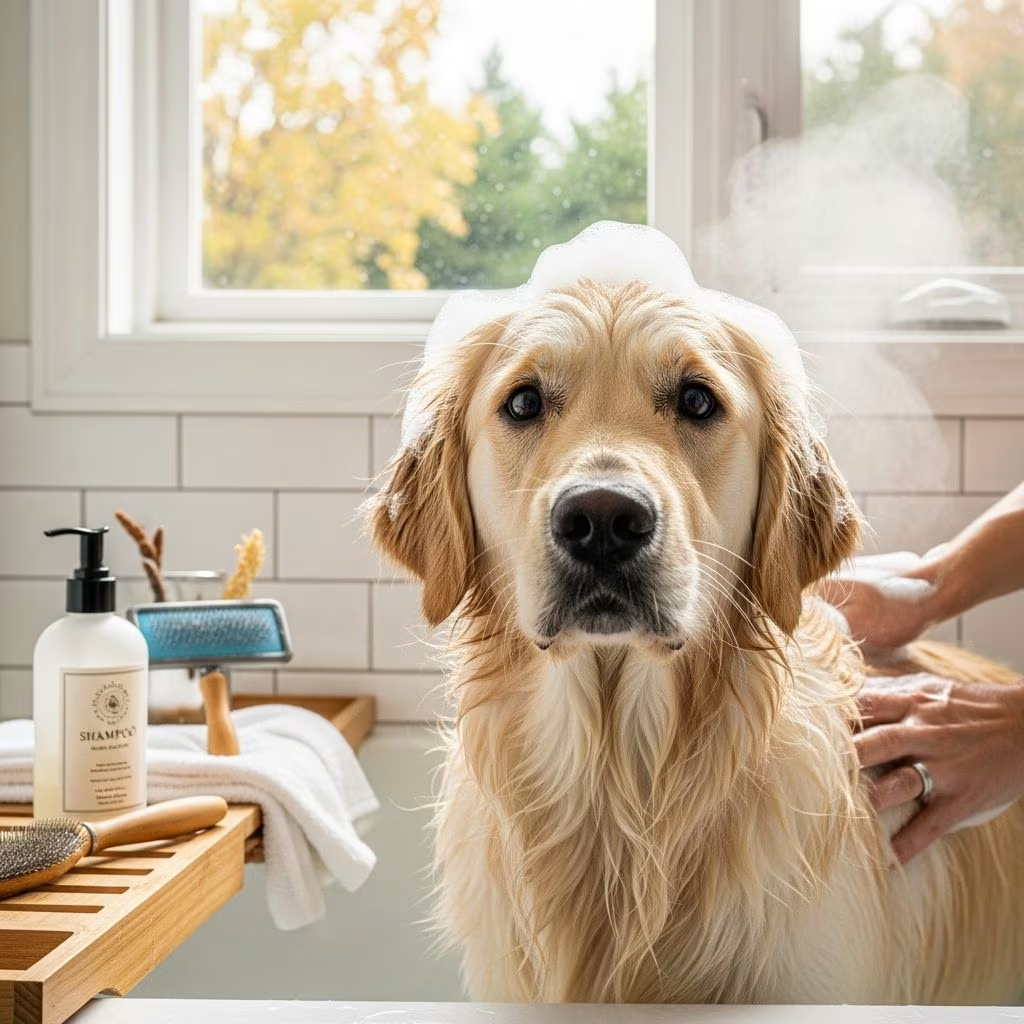
Bathing frequency depends on your dog’s breed, lifestyle, and skin condition. Most dogs benefit from bathing every one to four weeks, as recommended by veterinarians and professional groomers. Regular bathing significantly reduces the bacterial load dogs carry throughout the home without stripping beneficial skin oils or compromising coat health.
Oral Health Maintenance
Daily tooth brushing represents the gold standard for canine dental care, though many owners find this challenging[10]. Professional dental cleanings by veterinarians help prevent plaque and tartar accumulation. Some pet foods and treats are formulated to support dental health through mechanical cleaning action.
Hand Hygiene After Pet Contact
Washing hands after touching dogs, particularly before eating or preparing food, remains the most effective barrier against any potential bacterial transmission. This simple practice prevents accidental introduction of pet-associated bacteria to mucous membranes or food sources.
The Balance Between Cleanliness and Immunity
Modern homes have become increasingly sanitized through extensive use of disinfectants, antibacterial soaps, and cleaning products. This emphasis on sterilization has coincided with rising rates of allergies and autoimmune conditions, particularly in developed nations with the highest hygiene standards.
The presence of dogs in homes may counterbalance excessive sterilization by maintaining a more diverse and realistic microbial environment. Rather than viewing your dog as a source of contamination to be minimized, consider them a provider of microbial diversity that may support immune function. This perspective does not eliminate the need for basic hygiene but contextualizes dog ownership within the larger framework of human health and immune development.
Comparative Microbial Analysis: Canine Fur Versus Human Facial Hair
Interesting research comparing dog fur microbiomes to human beard microbiomes revealed that dogs actually maintain cleaner fur than men maintain their beards. This finding emerged from studies examining whether dogs could safely share medical equipment, such as MRI machines, with humans.
The comparison showed that human MRI equipment harbored significantly more bacteria than equipment used exclusively for dogs. This suggests that the cleanliness concern might be reversed—humans may introduce more bacterial contamination to shared spaces than dogs do. The implications suggest that standard cleaning protocols for medical equipment after human use prove just as critical as protocols for veterinary applications.
Addressing Common Dog Hygiene Concerns
Frequently Asked Questions
Can I get sick from a dog licking my face?
The risk is low but not zero. Most bacteria in dog mouths do not cause human illness. However, salmonella and certain other pathogens can be transmitted through saliva. Individuals with compromised immune systems, young children, and elderly people should limit direct mouth contact with dogs.
How often should I bathe my dog to minimize household bacteria?
Most dogs benefit from bathing every one to four weeks depending on breed and lifestyle. More frequent bathing may dry out skin, while less frequent bathing allows bacterial accumulation. Consult your veterinarian for breed-specific recommendations.
Does brushing a dog’s teeth really matter?
Yes. Daily tooth brushing prevents plaque and tartar buildup, reducing gum disease risk[10]. If daily brushing is impractical, aim for several times weekly, and supplement with professional dental cleanings as recommended by your veterinarian.
Is a dog’s mouth actually cleaner than a human’s?
No. This is a myth. Both dogs and humans harbor complex bacterial communities. Dogs have more diverse bacterial types due to environmental exposure, while humans have higher total bacterial counts. Neither is inherently “cleaner” than the other.
Should I be worried about bacteria in my home from my dog?
The presence of dog-associated bacteria may actually provide health benefits through immune system training. Implementing basic hygiene practices such as hand washing and regular pet bathing minimizes infection risk while allowing dogs to provide their microbial benefits.
Making Informed Decisions About Pet Ownership
The evidence suggests that concerns about dogs being “dirty” require significant reframing. Dogs are not inherently filthy creatures requiring excessive sanitization. Rather, they are animals whose natural behaviors result in exposure to environmental bacteria that reflects their species’ evolutionary history.
Responsible dog ownership involves implementing practical hygiene measures while rejecting unfounded fears about bacterial contamination. Washing hands after touching your dog, bathing your pet regularly, maintaining dental health, and cleaning paws when necessary provides adequate protection without eliminating the beneficial aspects of dog companionship.
The scientific evidence increasingly suggests that the bacterial diversity dogs introduce to our homes may contribute to human health through immune system development. Rather than viewing your dog as a contaminant, consider them a living gateway to microbial diversity that our increasingly sanitized world might otherwise lack. This perspective allows pet owners to embrace dog companionship with both appropriate caution and genuine appreciation for the health benefits these animals provide.
References
- Do Dogs Have Cleaner Mouths Than Humans? — Animal Health Center IA. https://animalhealthcenteria.com/do-dogs-have-cleaner-mouths-than-humans-2/
- Are Homes With Dogs Really Dirtier Than Those Without — Gem City Cleaning Solutions. https://www.gemcitycleaningsolutions.com/blog/are-homes-with-dogs-really-dirtier-than-those-without
- Pet Myths Debunked – Separating Fact from Fiction in Animal Care — Southern Animal Foundation. https://www.southernanimalfoundation.org/pet-myths-debunked-separating-fact-from-fiction-in-animal-care/
- Are Dogs’ Tongues Really Cleaner Than Humans’? — American Museum of Natural History. https://www.amnh.org/learn-teach/curriculum-collections/young-naturalist-awards/are-dogs-tongues-really-cleaner-than-humans
- Are Dog Mouths Clean? — Little Silver Animal Hospital. https://littlesilveranimalhospital.com/blog/are-dog-mouths-clean/
- Messy pets give our health a boost — Burgess Pet Care. https://www.burgesspetcare.com/blog/dogs/messy-pets-give-our-health-a-boost/
- Not So Dirty Dogs — University of Texas Medical Branch. https://www.utmb.edu/mdnews/podcast/episode/not-so-dirty-dogs
- Dog breeding practices, hygiene, attitudes, and knowledge of pet owners — PubMed Central. https://pmc.ncbi.nlm.nih.gov/articles/PMC12507043/
- Hygiene Practices Around Animals — Centers for Disease Control and Prevention. https://www.cdc.gov/hygiene/about/hygiene-practices-around-animals.html
- Pet Hygiene — Texas A&M College of Veterinary Medicine. https://vetmed.tamu.edu/news/pet-talk/pet-hygiene/



