

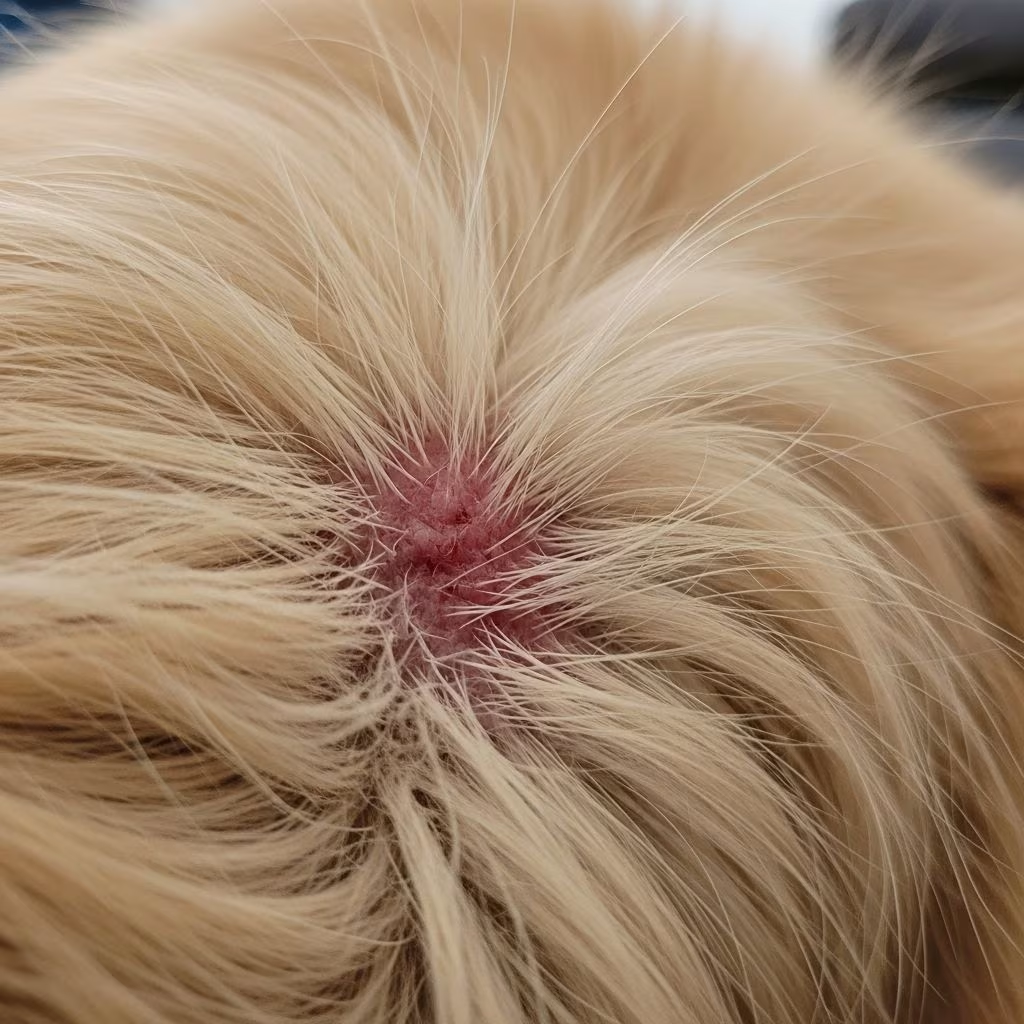
Hot spots, or acute moist dermatitis, represent a frequent yet distressing skin issue in dogs, arising from intense itching that leads to self-inflicted wounds. These lesions develop rapidly, often expanding from small irritated areas to large, inflamed patches within hours due to relentless licking, scratching, or biting. Understanding their origins, recognizing early signs, and implementing prompt interventions can significantly reduce discomfort and prevent complications like secondary bacterial infections.
Understanding the Nature of Hot Spots
These skin conditions manifest as warm, red, moist areas on a dog’s body, typically resulting from an initial itch stimulus that escalates into a vicious cycle of trauma and inflammation. The warmth gives them their name, as inflamed tissues generate noticeable heat. Unlike dry skin issues, hot spots are characterized by their weepy, oozing quality, which fosters bacterial growth if untreated. They commonly appear during warm, humid weather but can occur year-round in predisposed dogs.
The rapid progression stems from a feedback loop: irritation prompts scratching, which damages the skin barrier, allowing moisture and bacteria to invade, intensifying the itch. Owners often discover sizable lesions by day’s end after noticing minor redness in the morning, underscoring the urgency of early action.
Primary Triggers Behind Hot Spots
Several factors initiate the itch-scratch cycle leading to hot spots. Allergies top the list, encompassing flea bite hypersensitivity, where even minimal flea exposure provokes severe reactions; environmental allergens like pollen, mold, and dust mites; and food sensitivities to proteins or grains. These provoke widespread itching, but localized scratching creates hot spots.
- Fleas and parasites: A single flea bite can trigger excessive grooming in sensitive dogs, rapidly forming lesions.
- Environmental factors: Pollen seasons or damp coats from swimming trap moisture, softening skin for bacterial entry.
- Infections: Ear or skin infections cause dogs to paw at affected areas, spreading trauma nearby.
Other contributors include anal gland issues prompting tail-base licking, matted or dirty coats harboring irritants, stress-induced compulsive licking, and physical injuries like abrasions from rough play. Breeds with dense, water-resistant coats, such as Labrador Retrievers, Golden Retrievers, and German Shepherds, face higher risks due to moisture retention.
Recognizing Symptoms Early
Early detection hinges on spotting subtle changes before lesions enlarge. Initial signs include localized redness, mild swelling, and unusual focus on one body area, such as frantic pawing or nibbling. As hot spots progress:
- Intensified redness and heat in the patch.
- Moist, weeping surface with possible pus discharge.
- Hair loss and matting around the site.
- Scabs, crusting, or foul odor from infection.
- Painful sensitivity, causing limping or guarding if on limbs.
Common locations are head, neck, hips, limbs, and tail base, though any skin can be affected. Dogs may whine, become restless, or develop secondary behaviors like hiding due to discomfort.
Professional Veterinary Interventions
Veterinarians address hot spots through a multi-step protocol targeting infection, inflammation, and root causes. First, they clip surrounding fur to expose and dry the area, often under sedation for comfort. The lesion undergoes thorough cleaning with antiseptics like chlorhexidine to eliminate bacteria.
Medications form the core treatment:
| Treatment Type | Purpose | Examples |
|---|---|---|
| Oral Antibiotics | Combat bacterial infection | Cephalexin, Amoxicillin-Clavulanate |
| Anti-Inflammatory Drugs | Reduce swelling and itch | Steroids like Prednisone, Apoquel |
| Topical Sprays/Ointments | Promote drying and healing | Chlorhexidine sprays, Vetericyn |
| E-collars/Cones | Prevent self-trauma | Plastic recovery cones |
Diagnostics may involve skin scrapes, allergy tests, or flea checks to identify triggers. Addressing underlying issues, such as flea preventives or hypoallergenic diets, prevents recurrence. Most cases resolve in 7-14 days with compliance.
Safe Home Management Strategies
While professional care is essential for moderate to severe cases, mild hot spots can receive initial home support under vet guidance. Act swiftly to interrupt the cycle.
- Prevent access: Fit an Elizabethan collar immediately to block licking.
- Clean gently: Use diluted chlorhexidine solution (1:10 with water) to rinse twice daily; pat dry thoroughly.
- Apply soothers: Veterinary hot spot sprays or hydrocortisone creams safe for ingestion; avoid human products.
- Bathe strategically: Medicated oatmeal or chlorhexidine shampoos weekly to soothe skin.
- Monitor closely: Track size, redness, and discharge; seek vet if no improvement in 48 hours.
Natural aids like aloe vera gel from plants can calm minor irritation, but never use essential oils, as they may worsen issues. Keep the environment cool and dry to aid healing.
Predisposed Breeds and Risk Factors
Certain breeds inherit traits amplifying hot spot susceptibility. Thick double coats in retrievers and shepherds trap water post-swim or bath, while drop-eared spaniels suffer concurrent ear infections spurring neck lesions. Long-haired varieties like Newfoundlands battle matting, and Bulldogs’ skin folds breed bacteria.
Age and lifestyle matter: puppies explore irritants, seniors develop joint pain prompting licking, and active swimmers need post-activity drying. Obesity hinders grooming, and stress in kenneled dogs fuels compulsive behaviors.
Long-Term Prevention Blueprint
Proactive measures slash recurrence rates. Core strategies include:
- Year-round flea control: Topical or oral preventives like Bravecto or NexGard.
- Allergy management: Hypoallergenic diets, antihistamines, or immunotherapy for confirmed sensitivities.
- Grooming routines: Regular brushing, post-water towel dries, and professional clips for thick coats.
- Ear and dental care: Clean ears weekly, monitor for infections.
- Environmental tweaks: Low-dust bedding, air purifiers during pollen peaks.
Stress reduction via exercise, puzzle toys, and routine fosters mental health, curbing lick habits. Annual vet exams catch brewing issues early.
Frequently Asked Questions (FAQs)
Can hot spots heal without a vet visit?
Mild cases may respond to home care, but vet evaluation rules out infections and underlying causes, preventing spread.
How long do dog hot spots take to heal?
With treatment, 3-14 days; untreated, they worsen and scar.
Are hot spots contagious to other dogs?
No, but shared bedding spreads fleas or bacteria.
What if my dog removes the cone?
Try inflatable collars, onesies, or bitter sprays; consult vet for alternatives.
Do diet changes prevent hot spots?
Yes, for food allergy cases; trial limited-ingredient foods under guidance.
Conclusion: Empowering Pet Owners
Hot spots, though alarming, are manageable with vigilance and swift response. By decoding triggers, mastering treatments, and committing to prevention, owners safeguard their dogs’ comfort and vitality. Consult professionals promptly to tailor solutions, ensuring every pup thrives itch-free.
References
- Hot Spots on Dogs: Causes, Treatment, and Home Remedies — PetMD. 2023-05-15. https://www.petmd.com/dog/general-health/hot-spots-dogs
- Hot Spots on Dogs: Causes and Treatments — Maple Grove Pet Hospital. 2024-02-20. https://maplegrovepethospital.com/blog/hot-spots-on-dogs-causes-and-treatments/
- Hot Spot Treatments and Prevention on Dogs — American Kennel Club. 2023-11-10. https://www.akc.org/expert-advice/health/hot-spots-on-dogs/
- Hot Spots | Cornell University College of Veterinary Medicine — Cornell University College of Veterinary Medicine. 2024-01-08. https://www.vet.cornell.edu/departments-centers-and-institutes/riney-canine-health-center/canine-health-topics/hot-spots
- Hot Spots in Dogs — VCA Animal Hospitals. 2023-08-22. https://vcahospitals.com/know-your-pet/hot-spots-in-dogs



