

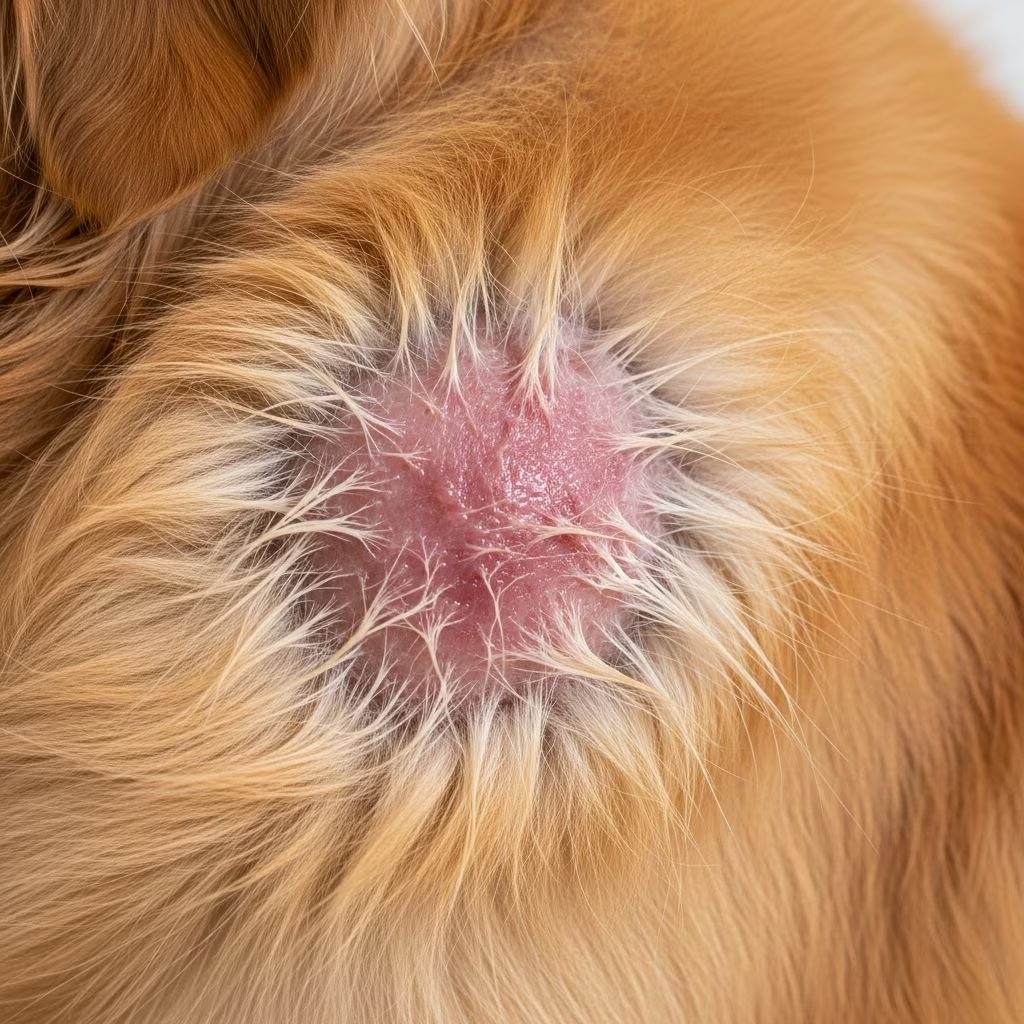
Hot spots, known medically as acute moist dermatitis, represent a frequent skin issue in dogs characterized by rapidly developing, inflamed, moist lesions. These painful areas arise from intense self-inflicted trauma through licking, scratching, or biting, often worsening quickly if untreated. Understanding their origins, recognizing early signs, and applying proper interventions can significantly reduce discomfort and prevent recurrence.
Understanding the Nature of Hot Spots
These lesions typically manifest as warm, red, weeping sores that exude moisture and pus, leading to a foul smell in advanced cases. The skin becomes thickened and sensitive, prompting further irritation in a vicious cycle. Unlike chronic skin conditions, hot spots evolve swiftly—sometimes expanding from a small patch to a large wound within hours—due to bacterial overgrowth on the damaged surface.
Any dog can develop them, but certain factors heighten risk. Long-haired or thick-coated breeds struggle more because matted fur traps moisture and hinders air circulation. Predisposed varieties include Retrievers (Labrador and Golden), Bulldogs, and Shepherds, whose dense coats exacerbate the problem.
Primary Triggers Behind Hot Spots
Hot spots stem from an initial itch or irritation that escalates through self-trauma. Identifying the root cause is essential for effective management.
- Allergies: The leading trigger, encompassing flea allergies, food sensitivities, or environmental factors like pollen and dust mites. Itchy skin drives compulsive scratching.
- Parasitic Infestations: Fleas, ticks, or mosquitoes provoke intense reactions, particularly in flea-allergic dogs where one bite suffices to start the cycle.
- Excessive Wetness: Frequent swimming, bathing, or rainy exposure keeps fur damp, softening skin and inviting bacteria. Poor drying after water activities is common in water-loving breeds.
- Grooming Neglect or Irritants: Matted hair, harsh shampoos, or collar friction creates entry points for infection. Underlying issues like ear infections or anal gland problems redirect licking to nearby skin.
- Pain-Related Behaviors: Arthritis or joint degeneration prompts licking at pressure points like hips or paws, evolving into hot spots.
Recognizing Symptoms Early
Early detection curtails spread. Watch for:
- Red, inflamed skin patches that feel hot to the touch.
- Oozing moisture or pus, often with a bad odor.
- Hair loss and matted fur around the site.
- Excessive licking, chewing, or scratching focused on one area.
- Scabs, crusting, or ulceration as it progresses.
- Sensitivity causing yelps or withdrawal when touched.
Common sites include head, neck, flanks, paws, and tail base, though any body part can be affected.
Professional Veterinary Interventions
Seek vet care immediately to halt progression and address causes. Standard protocols include:
- Hair Clipping: Shaving exposes the lesion for cleaning and drying; sedation may be needed for comfort.
- Cleaning: Antiseptic washes like chlorhexidine remove debris and bacteria.
- Medications: Oral antibiotics combat infection; anti-inflammatories or steroids reduce swelling and itch. Apoquel or similar for allergies.
- Protective Devices: E-collars (cones) prevent access.
- Diagnostic Steps: Skin scrapes, allergy tests, or flea checks pinpoint triggers.
For severe cases, vets might use medicated foams or drying agents like aluminum acetate.
Home Management Strategies
While awaiting vet visit or for mild cases under guidance:
- Clean gently with vet-approved antiseptic; avoid human products.
- Apply soothing sprays (e.g., antimicrobial formulas safe if licked).
- Secure a cone or alternative barrier like a t-shirt.
- Keep dry with fans or towels post-bath.
- Monitor daily: Improvement shows less redness and size reduction within 48 hours.
Caution: Never use OTC steroids without advice, as they mask infections.
Prevention: Breaking the Cycle
Proactive steps minimize risks:
- Parasite Control: Year-round flea/tick preventives.
- Allergy Management: Hypoallergenic diets, antihistamines, or immunotherapy.
- Grooming Routine: Regular brushing, thorough drying, mat prevention.
- Environmental Tweaks: Wipe paws after walks; use hypoallergenic bedding.
- Health Checks: Address ears, anal glands, and joints promptly.
Hot Spots vs. Similar Conditions
| Condition | Key Features | Differences from Hot Spots |
|---|---|---|
| Pyoderma | Pustules, dry scabs | Less moist, slower onset; bacterial primary. |
| Mange | Crusting, hair loss widespread | Mites cause; not localized wetness. |
| Allergic Dermatitis | Diffuse itching | Chronic; precedes hot spots. |
| Abscess | Swollen, firm lump | From wounds/bites; drains pus. |
This table aids differentiation; always consult vets for confirmation.
Frequently Asked Questions (FAQs)
Can hot spots heal without a vet?
Mild ones might with cleaning and cones, but infection risk warrants professional input.
How long do they take to heal?
With treatment, 7-14 days; untreated, weeks with scarring.
Are hot spots contagious?
No, but bacteria can spread to other pets or humans if hygiene lapses.
What if my dog removes the cone?
Try inflatable collars, onesies, or bitter sprays; monitor closely.
Do diet changes help prevent them?
Yes, for food allergies; trial hypoallergenic kibble under vet supervision.
Long-Term Skin Health for Dogs
Beyond acute care, holistic approaches fortify skin resilience. Omega-3 supplements reduce inflammation, while probiotics support gut-skin axis. Regular vet dermatology screens for at-risk dogs catch issues early. Seasonal preventives adjust for pollen peaks. Educating owners on breed-specific vulnerabilities empowers better care.
In multi-pet homes, isolate affected dogs to prevent copycat licking. Track episodes in a journal noting weather, diet, and activities to uncover patterns. Advanced cases may need referral to veterinary dermatologists for immunotherapy or novel meds like Cytopoint.
Ultimately, vigilance and swift action transform hot spots from recurrent nightmares to manageable blips, ensuring dogs enjoy itch-free vitality.
References
- Hot Spots on Dogs: Causes, Treatment, and Home Remedies — PetMD. 2023. https://www.petmd.com/dog/general-health/hot-spots-dogs
- Hot Spots on Dogs: Causes and Treatments — Maple Grove Pet Hospital. 2024. https://maplegrovepethospital.com/blog/hot-spots-on-dogs-causes-and-treatments/
- Hot Spots on Dogs: Signs, Treatment, and Prevention — American Kennel Club. 2023-10-12. https://www.akc.org/expert-advice/health/hot-spots-on-dogs/
- That itches! A guide to canine hot spots — Virginia Tech Veterinary Medicine. 2022. https://vth.vetmed.vt.edu/animal-care-tips/vetmed-pet-canine-hot-spots.html
- What To Do If Your Dog Has A Hot Spot: Causes & Treatments — Bulger Veterinary Hospital. 2023. https://www.bulgervet.com/blog/what-to-do-if-your-dog-has-a-hot-spot-causes-treatments
- Hot Spots in Dogs: What They Are and How to Treat Them — MedVet. 2024. https://www.medvet.com/hot-spots-in-dogs/
- Hot Spots in Dogs — VCA Animal Hospitals. 2023. https://vcahospitals.com/know-your-pet/hot-spots-in-dogs



