

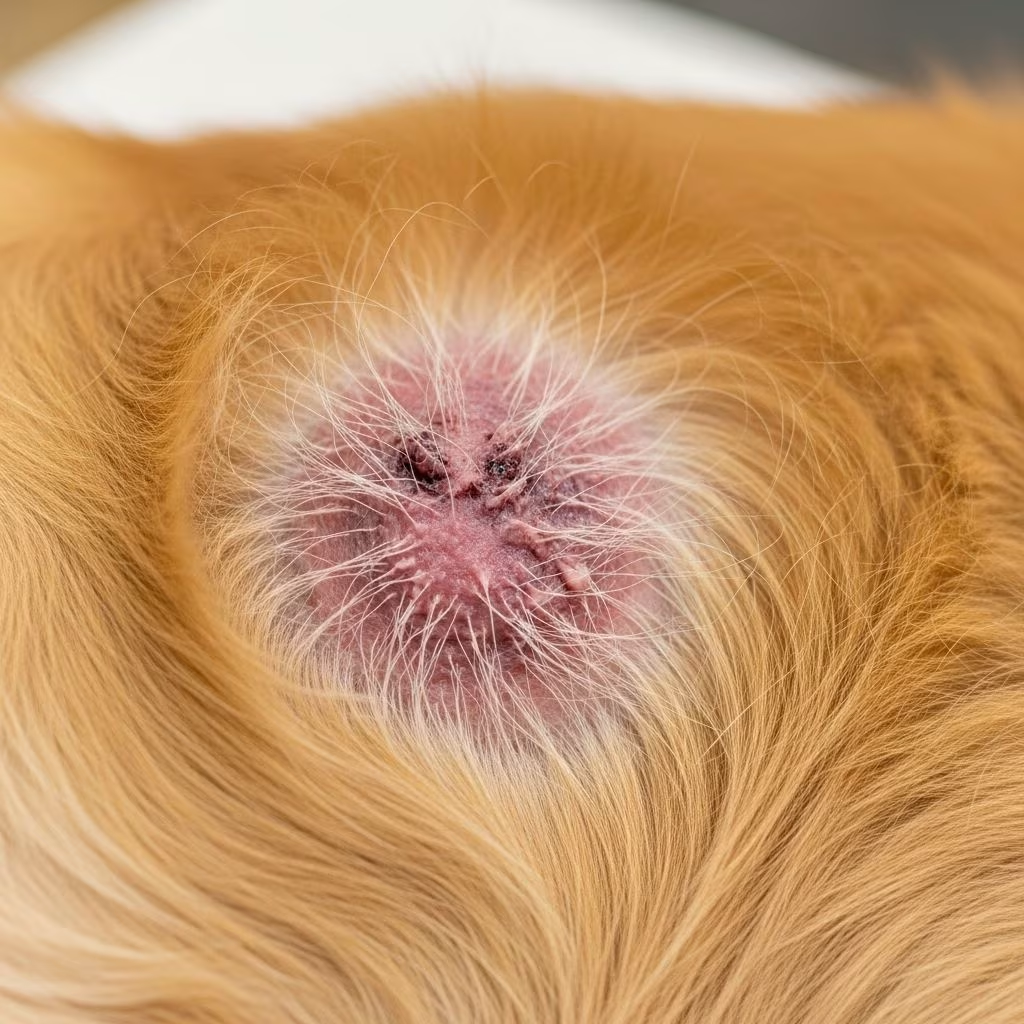
Hot spots, medically known as acute moist dermatitis, represent one of the most common skin conditions affecting dogs today. These painful, inflamed areas of skin develop rapidly and can cause significant discomfort to your canine companion. Understanding what causes these lesions, how to treat them effectively, and what preventative measures you can implement is essential for any dog owner committed to their pet’s health and wellbeing.
Understanding Canine Hot Spots and Their Development
A hot spot begins as a localized infection on your dog’s skin that develops and spreads quickly over a short period. The condition typically manifests as a moist, inflamed patch of skin that may contain pus, bacteria, or dead skin cells. Hot spots thrive in warm, moist environments, which is why they tend to develop in areas where moisture accumulates or where your dog’s thick fur traps dampness against the skin.
The rapid progression of hot spots occurs because dogs instinctively lick and scratch at the irritated area, which further damages the skin barrier and allows bacteria to proliferate. This cycle of irritation and infection can cause a small problem to become a serious skin condition within hours or days if left untreated.
Identifying the Root Causes Behind Skin Lesions
Several underlying factors can trigger the development of hot spots in dogs. Identifying the specific cause is crucial for preventing recurrence and selecting the most appropriate treatment approach.
- Parasitic infestations: Fleas, mites, and other parasites cause intense itching, leading dogs to scratch and damage their skin
- Allergic reactions: Food allergies, environmental allergens, or contact dermatitis trigger inflammation and itching
- Moisture-related issues: Swimming, excessive sweating, or poor grooming habits trap moisture against the skin
- Ear infections: Secondary infections in the ear canal can lead to hot spots on the head or ears
- Behavioral factors: Excessive licking or chewing due to anxiety, boredom, or stress can initiate lesion formation
- Matted fur: Dense mats prevent air circulation and create ideal conditions for bacterial growth
- Poor coat condition: Inadequate grooming or skin care leaves dogs vulnerable to irritation
Professional Veterinary Treatment Approaches
When you take your dog to a veterinarian for hot spot treatment, they will implement a comprehensive approach to address both the immediate infection and any underlying causes.
Initial Wound Preparation and Cleaning
The first step in professional treatment involves clipping the affected area and surrounding fur to expose the infected skin to air. Veterinarians typically use electric clippers rather than scissors to minimize the risk of accidentally cutting the sensitive skin beneath the fur. Removing the hair serves multiple purposes: it allows the area to dry out, prevents further matting, and enables proper inspection of the lesion’s extent.
Following hair removal, your veterinarian will thoroughly clean the area using professional-grade antiseptic solutions. Common choices include chlorhexidine scrubs, diluted povidone-iodine (Betadine), or other veterinary-approved antiseptics. This cleaning process removes bacteria, pus, and debris that perpetuate the infection.
Medication Protocols
Veterinarians typically prescribe multiple medications to address different aspects of the hot spot condition:
| Medication Type | Purpose | Administration |
|---|---|---|
| Oral antibiotics | Combat bacterial infections that develop secondarily | Given by mouth for 7-14 days typically |
| Anti-inflammatory medications (prednisone or Apoquel) | Reduce swelling, redness, and discomfort | Oral medication administered as prescribed |
| Topical solutions (hydrocortisone with aluminum acetate) | Address inflammation and provide drying action | Applied directly to lesion 2-3 times daily |
| Antihistamines | Reduce itching and prevent further scratching | Oral medication or topical application |
Protective Measures During Healing
Your veterinarian may recommend or prescribe an Elizabethan collar (recovery cone) to prevent your dog from further traumatizing the hot spot through licking or scratching. This simple but effective barrier is often crucial for successful healing, as even brief moments of licking can undo days of healing progress.
Effective Home Care and Maintenance Strategies
While professional veterinary care is important for moderate to severe hot spots, several home care approaches can support healing and prevent future occurrences.
Initial Treatment Steps at Home
If you notice your dog developing a hot spot, begin immediate care by trimming the surrounding hair as close to the skin as possible using dog clippers. This allows air circulation to the affected area and helps the skin dry out more quickly. Never use regular scissors, as these can easily slip and cut the sensitive skin underneath.
Gently clean the area with a mild, water-based antiseptic solution. You can create a simple cleansing wash by combining water with skin-safe antiseptic agents. Apply this solution gently to the hot spot using a soft cloth or cotton ball, then pat the area dry thoroughly without rubbing.
Natural and Herbal Remedies
Black tea applications can provide significant relief due to the natural tannins present in tea leaves. These tannins possess antimicrobial properties and help dry out moist hot spots. Steep a black tea bag in water, allow it to cool completely, and apply it directly to the affected area for several minutes multiple times daily.
Calendula-based products have long been used in traditional pet care for their skin-soothing properties. Creating a simple calendula lotion by mixing filtered water with calendula tincture provides an accessible topical treatment. Apply this mixture with clean cotton balls to the hot spot several times throughout the day.
Herbal healing powders combining bentonite clay with dried herbs like echinacea or plantain leaf can be sprinkled on the hot spot to promote drying and healing. Allow the powder to remain on the area for 30-45 minutes before rinsing gently with lukewarm water. This treatment can be repeated 2-3 times daily as the hot spot begins to improve.
Cooling and Soothing Treatments
Cool compresses provide immediate relief from pain and itching. Soak a clean cloth in cool (not ice-cold) water, wring out the excess, and hold it gently against the hot spot for several minutes. For enhanced soothing properties, you can use chilled chamomile tea or green tea instead of plain water.
Gentle hydrotherapy using a slow stream of cool water from a handheld showerhead can help rinse away irritants and crusted discharge. Limit direct water contact to 5-10 minutes at a time, and always pat the area thoroughly dry afterward, as lingering moisture can worsen the hot spot.
Internal Support for Skin Health
True healing of hot spots requires addressing your dog’s overall health from within. Supporting the immune system and digestive function contributes significantly to skin repair and infection prevention.
- Nutritional foundation: Feed high-quality, whole foods that provide essential nutrients for skin repair
- Digestive enzymes: Support your dog’s ability to absorb nutrients effectively
- Prebiotics and probiotics: Maintain healthy gut flora, which influences immune function and skin health
- Essential fatty acids: Omega-3 and omega-6 fatty acids reduce inflammation and support skin barrier function
- Antioxidants: Protect cells from oxidative stress and support immune response
- Colostrum supplements: Bovine colostrum contains immune factors that accelerate skin repair and prevent secondary infections
Prevention Strategies for Long-Term Skin Health
Preventing hot spots from developing in the first place is far easier than treating them once they appear. Implement these preventative measures to keep your dog’s skin healthy and resilient.
Regular Grooming and Coat Maintenance
Establish a consistent grooming routine that includes regular bathing with appropriate dog shampoos, thorough brushing to prevent mats and tangles, and prompt removal of any mats that do develop. Pay special attention to areas prone to moisture accumulation, such as skin folds, ear canals, and areas between the toes.
After swimming or exposure to water, always dry your dog’s coat thoroughly, paying particular attention to areas where moisture tends to linger. Consider using a high-velocity dryer designed for pets if your dog has a thick double coat.
Parasite Prevention
Maintain year-round flea and tick prevention as recommended by your veterinarian. Parasitic infestations are among the most common triggers for hot spot development, so consistent prevention is essential.
Allergy Management
If your dog has known food or environmental allergies, work with your veterinarian to identify and manage these triggers. Reducing allergic reactions decreases the overall itching and scratching that initiates hot spot formation.
Frequently Asked Questions About Canine Hot Spots
How quickly can a hot spot develop on a dog?
Hot spots can develop and spread rapidly, sometimes becoming severe within just a few hours. The quick progression occurs because dogs instinctively lick and scratch at irritated areas, which damages the skin barrier and allows bacterial proliferation. Prompt treatment is essential to prevent minor irritation from becoming a serious infection.
Can I treat my dog’s hot spot completely at home?
Minor hot spots caught in the very early stages may respond to home care alone, but most benefit from professional veterinary evaluation. Your veterinarian can determine the underlying cause, prescribe appropriate medications, and monitor healing progress. Home care works best as a supplement to veterinary treatment.
What should I avoid when treating hot spots?
Avoid using harsh human antiseptics like alcohol or hydrogen peroxide, which can delay healing and cause additional pain. Don’t cover the hot spot with bandages or occlusive dressings, as these trap moisture and worsen the infection. Avoid over-the-counter products containing oily bases like coconut oil or aloe vera until the hot spot has begun healing, as these can delay drying and allow bacteria to persist.
How long does it take for a hot spot to heal?
With appropriate treatment, many hot spots begin showing visible improvement within 3-5 days. Complete healing typically takes 1-2 weeks, depending on the severity of the lesion and your dog’s overall health. Severe cases or those with complications may require longer healing periods.
What indicates a hot spot is healing properly?
Signs of proper healing include decreased redness and swelling, reduction in moisture and discharge, smaller lesion size, and decreased itching or scratching behavior. The area should gradually transition from moist and inflamed to dry and scabbed before finally returning to normal skin.
When to Seek Immediate Veterinary Care
Contact your veterinarian immediately if your dog shows any of these warning signs:
- The hot spot spreads despite home treatment within 24-48 hours
- Signs of systemic infection develop, such as fever, lethargy, or loss of appetite
- The area becomes increasingly painful or swollen
- You notice pus or foul-smelling discharge
- Your dog develops difficulty eating or drinking
- The hot spot appears to be affecting your dog’s mobility or function
Conclusion: Supporting Your Dog’s Skin Health
Hot spots, while common and generally treatable, represent a significant source of discomfort for affected dogs. By understanding the causes, recognizing early signs, and implementing both professional veterinary care and supportive home treatments, you can effectively manage this condition and prevent future occurrences. Remember that consistency in preventative care—including regular grooming, parasite prevention, and addressing underlying allergies—provides the foundation for long-term skin health and comfort for your canine companion.
References
- Hot Spots in Dogs: What They Are and How to Treat Them — MedVet. Accessed 2026. https://www.medvet.com/hot-spots-in-dogs/
- Hot Spots on Dogs: Causes, Treatment, and Home Remedies — PetMD. Accessed 2026. https://www.petmd.com/dog/general-health/hot-spots-dogs
- Hot Spots on Dogs: Signs, Treatment, and Prevention — American Kennel Club. Accessed 2026. https://www.akc.org/expert-advice/health/hot-spots-on-dogs/
- Expert Guide on Dog Hot Spot Care: 10 Holistic Solutions — Holistic Vet Blend. Accessed 2026. https://holisticvetblend.com/blogs/news/expert-guide-on-dog-hot-spot-care-10-holistic-solutions
- All You Need To Know About Hot Spots On Dogs — GoodRx. Accessed 2026. https://www.goodrx.com/pet-health/dog/hot-spots
- Everything You Need to Know About Hot Spots — Animal Humane Society. Accessed 2026. https://www.animalhumanesociety.org/resource/everything-you-need-know-about-hot-spots



