

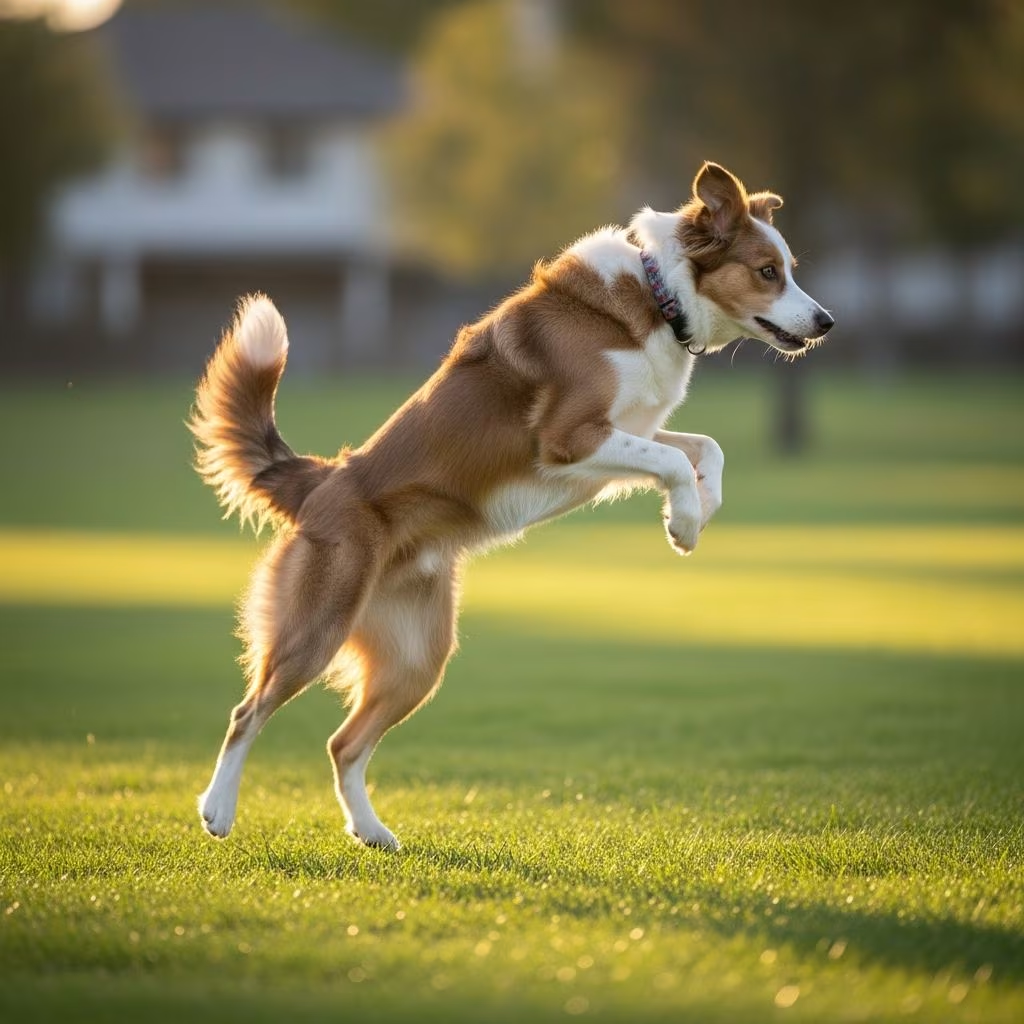
If you’ve ever watched your dog suddenly spring off the ground in a series of exuberant bounces resembling a rabbit’s movement, you’ve witnessed one of canine behavior’s most endearing and occasionally perplexing displays. This phenomenon, often described as bunny-hopping or kangaroo-style jumping, is a behavior pattern that captures the attention of nearly every dog owner at some point. While this seemingly silly behavior can be absolutely charming to observe, it’s essential to understand the underlying causes, as they range from innocent expressions of joy to indicators of underlying medical concerns that warrant professional evaluation.
The Joy Factor: Recognizing Healthy Excitement Hopping
One of the most common explanations for dog hopping behavior stems from straightforward emotional exuberance. When dogs become genuinely excited—whether it’s playtime, the arrival of their favorite human, or the prospect of a cherished activity—they often express this enthusiasm through explosive physical movements that include hopping and bouncing. During these moments of unbridled joy, you’ll typically observe several characteristic signs that distinguish happy hopping from problematic behavior patterns.
Dogs experiencing excitement-induced hopping frequently display a combination of physical signals that paint a clear picture of their emotional state. The most noticeable indicator is rapid, repetitive running movements that often precede or accompany the actual hopping motion. Additionally, an excited dog’s tail typically remains held high and wags enthusiastically, rather than being tucked underneath their body. Their overall body language appears loose and animated, with no signs of stiffness or reluctance to move.
During these spirited episodes, dogs are simply channeling their excess energy and positive emotions into movement. This behavior is entirely normal and requires no intervention beyond ensuring your dog has adequate space to express themselves safely without risking collisions with household objects or people.
Neurological Development and Young Dogs
The canine brain undergoes tremendous development during puppyhood and early adulthood. During these critical growth phases, billions of neural connections are being formed as young dogs learn to interpret and navigate their environment. This ongoing neurological maturation can manifest in various movement patterns, including hopping behavior that might appear unusual to observers but is completely normal for the developmental stage.
Young dogs are essentially still learning how to coordinate their bodies and process sensory information. The hopping behavior during this period represents one of many experimental movement patterns they explore as their nervous system continues to mature and refine motor control. This natural aspect of canine development typically resolves as the dog matures and their neurological pathways become more established.
Medical Conditions Associated with Abnormal Hopping
While excitement and developmental factors account for much of the hopping behavior observed in dogs, certain health conditions can also produce similar movement patterns. Distinguishing between healthy exuberance and hopping that signals medical problems requires careful observation and attention to accompanying symptoms.
Hip Dysplasia: A Structural Challenge
Hip dysplasia represents one of the most significant orthopedic conditions that can produce bunny-hopping behavior in dogs. This genetic condition involves a malformation of the hip joint, typically inherited from a dog’s ancestors, where the hip socket fails to develop properly or doesn’t align correctly with the femoral head. Over time, this structural abnormality causes progressive deterioration of the joint through abnormal wear and tear on the surrounding bone tissue.
As the condition advances, dogs typically experience inflammation within the joint and develop secondary arthritis. The resulting pain and instability often lead to compensatory movement patterns, including the characteristic hopping gait where affected dogs attempt to shift weight away from the problematic hip. Hip dysplasia occurs most frequently in large dog breeds, particularly those with high activity levels, as their size and energy place greater stress on compromised joints.
Unfortunately, because hip dysplasia is a genetic condition rooted in a dog’s DNA, no cure exists, though multiple treatment options can help manage symptoms and improve quality of life. Early detection and appropriate intervention are crucial for minimizing discomfort and maintaining mobility throughout the dog’s life.
Luxating Patella: The Floating Kneecap
Another orthopedic issue that frequently produces hopping behavior is luxating patella, commonly referred to as a “trick knee”. This condition occurs when a dog’s kneecap becomes unstable and moves inappropriately—essentially “floating” out of its normal position—during movement or play. In mild cases, the patellar luxation may only occur during specific activities, but as the condition progresses, affected dogs may experience the displacement during ordinary walking and standing.
The hopping gait associated with luxating patella develops as the dog’s body attempts to compensate for the uncomfortable or unstable knee position. Fortunately, this condition often responds well to surgical intervention combined with physical therapy, offering affected dogs the possibility of restored normal function. Veterinary assessment is essential to determine the severity of the luxation and whether surgical correction would benefit the individual dog.
Paroxysmal Dyskinesia: Neurological Movement Disorders
In some cases, hopping behavior can indicate neurological conditions such as paroxysmal dyskinesia, a movement disorder characterized by episodes of involuntary muscle contractions and abnormal gait patterns. Dogs experiencing these neurological episodes may develop a distinctive bunny-hopping gait accompanied by other clinical signs including facial muscle stiffness, stumbling, arching of the back, or vocalization. These episodes can be triggered by exercise, stress, or excitement and vary in duration from mere seconds to longer periods.
The characteristic posture during severe episodes may include a stiff, stilted gait that progresses over several minutes, with severely affected dogs potentially assuming an arched posture or even falling to their side. While the dog remains aware of their surroundings during episodes, they typically appear more subdued than normal. Genetic testing is available for suspected cases, allowing for accurate diagnosis and informing breeding decisions.
Distinguishing Problematic Hopping from Playful Behavior
Dog owners often face the challenge of determining whether observed hopping represents healthy exuberance or signals an underlying health issue. Several key indicators can help guide this assessment.
Pain Indicators
The most critical distinction between playful hopping and movement related to medical concerns involves the presence of pain signals. Dogs experiencing pain while hopping or moving typically display visible distress, including whimpering, reluctance to move, or signs of discomfort. Additionally, dogs with orthopedic or neurological pain may exhibit reluctance to engage in activities they previously enjoyed, such as jumping, climbing stairs, or sustained running.
A telling sign of orthopedic issues is selective limping or favoring particular limbs. If your dog returns from play on three legs rather than four, or consistently avoids putting full weight on one limb, this warrants careful observation and likely veterinary evaluation. It’s important to note that some dogs will deliberately limp for attention, so veterinarians recommend observing such behaviors over several days before concluding there’s a genuine medical issue.
Behavioral Context
Healthy hopping typically occurs in specific behavioral contexts—during play sessions, upon greeting a beloved person, or when anticipating positive experiences. The hopping appears purposeful and occurs within these excitement-driven scenarios. Conversely, problematic hopping may occur randomly, persistently, or in situations where excitement doesn’t explain the behavior.
Physical Manifestations of Underlying Issues
Beyond hopping behavior itself, dogs experiencing medical conditions that produce this gait often display additional physical symptoms that provide diagnostic clues.
- Inflammation and Swelling: Joint inflammation associated with dysplasia or arthritis may produce visible swelling around affected areas, though this isn’t always externally apparent.
- Stiffness After Rest: Dogs with joint problems often appear noticeably stiffer when first getting up from rest, gradually loosening as they move around.
- Reluctance to Jump or Climb: Healthy dogs enjoy heights and elevation changes, but those with joint or neurological issues often avoid these activities voluntarily.
- Changes in Posture: Dogs with chronic discomfort may develop postural changes, holding themselves differently than they did previously.
- Muscle Atrophy: Over time, dogs that don’t use affected limbs normally may develop muscle wasting, where muscles appear smaller or less developed.
When Professional Evaluation is Necessary
Understanding when to schedule a veterinary appointment separates preventative care from allowing problems to worsen. Several scenarios specifically warrant professional evaluation of hopping behavior.
Most importantly, any hopping accompanied by visible pain, limping that persists over multiple days, or reluctance to bear weight on any limb requires veterinary assessment. Similarly, hopping that represents a departure from your dog’s normal behavior patterns, especially in older dogs, may indicate age-related conditions requiring investigation.
Dogs with suspected genetic conditions like hip dysplasia benefit from early veterinary intervention, as management strategies begun early in the disease process often provide superior long-term outcomes compared to late-stage treatment. Large breed puppies are particularly important to monitor, as early screening can guide activity levels and nutritional management that may slow disease progression.
Understanding Hyperarousal and Excessive Movement
Another behavioral context for hopping relates to overstimulation or hyperarousal states, where dogs become excessively excited and struggle to regulate their emotional and physiological responses. During hyperarousal episodes, dogs may display dilated pupils, rapid breathing, and an open mouth with panting. Some dogs exhibit piloerection, where their fur stands on end, typically along the shoulders or back.
During these states, jumping and hopping may serve as outlets for excess energy, mechanisms for seeking dopamine to self-regulate, or reflexive attempts to self-soothe during stressed emotional states. Dogs in hyperaroused states may engage in these behaviors as redirected expressions of frustration when they cannot interact with their original source of excitement or stimulation.
FAQs: Common Questions About Dog Hopping Behavior
Is bunny-hopping always a sign of a health problem?
No. Hopping caused by excitement and play is completely normal and healthy. Health issues become a concern when hopping accompanies pain signals, occurs outside normal play contexts, or represents a change from the dog’s typical behavior patterns.
At what age should I be concerned about my dog’s hopping?
Young dogs naturally hop during development as their neurological systems mature. However, large breed puppies warrant early screening for hip dysplasia through veterinary evaluation. Senior dogs showing new or changed hopping patterns should receive veterinary assessment, as changes in gait can indicate neurological or orthopedic deterioration.
Can I treat hip dysplasia-related hopping at home?
While several management strategies can help affected dogs, including appropriate exercise, weight management, and joint supplements, these represent supplementary care to veterinary treatment. Genetic orthopedic conditions require professional management for optimal outcomes.
How can I tell if my dog’s hopping is due to excitement versus pain?
Excited dogs display loose body language, high tail carriage, and enthusiasm. Dogs experiencing pain appear stiff, reluctant to move, may avoid certain activities, or display selective limping. Context matters—excitement hopping occurs in appropriate situations, while pain-related hopping may be situationally inappropriate.
Moving Forward: Supporting Your Hopping Dog
Whether your dog’s hopping represents joyful exuberance or indicates a condition requiring management, understanding the underlying cause allows you to provide appropriate support. For healthy, excited hoppers, ensuring adequate space for safe movement and appropriate outlets for energy is sufficient. For dogs with medical conditions, working closely with your veterinarian to develop a comprehensive management plan that may include medication, physical therapy, activity modification, and nutritional support provides the best quality of life.
Regular veterinary check-ups, especially for large breed dogs and senior canines, enable early detection of conditions that produce abnormal movement patterns. Being attentive to changes in your dog’s usual behaviors and movement patterns empowers you to seek timely professional guidance when needed, ensuring your dog remains comfortable, active, and happy throughout their life.
References
- Why Do Dogs Hop — Wag Walking. Accessed January 30, 2026. https://wagwalking.com/behavior/why-do-dogs-hop
- Jumping, Mouthing, and Biting Explained — Oakland Dog Trainer. Accessed January 30, 2026. https://www.oaklanddogtrainer.com/post/out-of-control-dog-understanding-jumping-biting-and-mouthing-behavior
- My Dog is Pacing and Won’t Lie Down — Lola Hemp. Accessed January 30, 2026. https://lolahemp.com/blogs/dog-health/understanding-dog-pacing
- Paroxysmal Dyskinesia Fact Sheet — VetSpecialists. Accessed January 30, 2026. https://www.vetspecialists.co.uk/fact-sheets-post/paroxysmal-dyskinesia-fact-sheet/



