

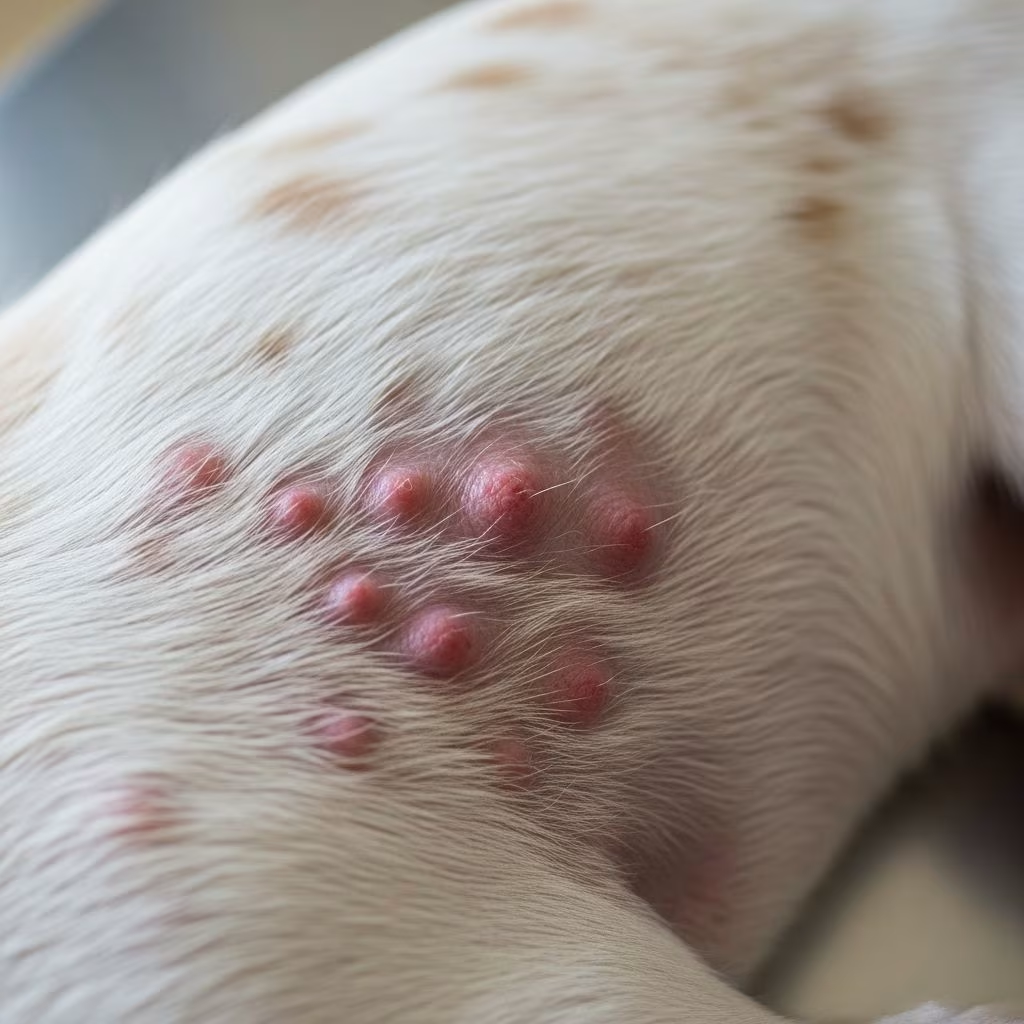
Canine hives, also known as urticaria, are raised, red, itchy welts on a dog’s skin caused by allergic reactions or irritants. These welts appear suddenly and can affect any breed, making prompt recognition and treatment essential to relieve discomfort and prevent complications like anaphylaxis.
What Are Canine Hives?
Canine hives manifest as round, raised bumps or welts on the skin, often itchy and sometimes painful. Unlike typical rashes, hives result from mast cell degranulation releasing histamine, leading to vasodilation and dermal edema. This acute type I hypersensitivity reaction typically occurs within minutes of exposure to a trigger.
Hives can appear anywhere on the body, including the face, trunk, legs, and even mucous membranes. They are usually superficial but can be accompanied by deeper swelling called angioedema, which affects the face or throat and poses greater risks. While most cases resolve within 12-48 hours, recurrent or chronic hives require veterinary investigation.
In dogs, hives differ from human versions by often lacking extreme blanching under pressure and being more linked to acute allergens rather than chronic urticaria seen in people. Genetic factors may predispose some dogs, but any canine can develop them.
Symptoms of Canine Hives
Recognizing symptoms early allows for quick intervention. Common signs include:
- Red, raised welts or bumps on the head, neck, back, abdomen, legs, or anywhere on the body, including mucous membranes.
- Intense itching leading to scratching, rubbing, or biting at affected areas.
- Swelling (angioedema), especially facial swelling around eyes, muzzle, or lips.
- Excessive drooling if the mouth or throat is involved.
- Lethargy or distress in severe cases, potentially with vomiting or diarrhea.
Symptoms appear rapidly, often within minutes to hours of exposure. Mild cases may self-resolve, but monitor for progression to breathing difficulties, pale gums, or collapse, indicating anaphylaxis—a life-threatening emergency requiring immediate vet care.
Causes of Canine Hives
Hives in dogs stem from allergic or irritant triggers causing histamine release. Common causes include:
- Insect bites/stings: Bees, wasps, ants, or fleas often on head/neck.
- Food allergens: Proteins like beef, chicken, dairy, or grains.
- Medications: Antibiotics (penicillin, tetracycline), vaccines.
- Topicals/chemicals: Shampoos, household cleaners, fabric softeners, insecticides.
- Environmental factors: Pollen, mold, dust mites, toxic plants.
- Physical triggers: Heat, sunlight, exercise, stress, cold.
- Genetic or idiopathic: Rare hereditary issues or unknown causes.
Insect bites and chemicals are most frequent, but food and meds can cause severe reactions. Identifying the trigger via history and testing is key to prevention.
When to See a Vet for Dog Hives
Not all hives require a vet, but err on caution. Seek immediate care if:
- Swelling affects face, throat, or eyes, causing breathing issues or excessive drooling.
- Hives spread rapidly or persist beyond 24 hours.
- Accompanied by vomiting, diarrhea, weakness, or collapse—anaphylaxis signs[10].
- Frequent recurrences suggesting chronic allergies.
For mild cases, monitor at home but consult a vet for diagnosis. Vets use history, skin exams, and possibly allergy tests to pinpoint causes. Emergency hives with respiratory distress need epinephrine, fluids, and oxygen.
Treatment for Canine Hives
Treatment targets the allergic response and symptom relief. Vets commonly prescribe:
- Antihistamines: Oral/injectable Benadryl (diphenhydramine) for mild cases; effective quickly.
- Corticosteroids: Prednisone or dexamethasone for inflammation in moderate-severe cases.
- Epinephrine/IV fluids: For anaphylaxis emergencies.
- Bathing: Cool water with hypoallergenic shampoo to remove contact irritants.
- Food trials/diet changes: Elimination diets to ID food triggers.
Dogs respond fast, often within minutes to hours. Never medicate without vet guidance due to dosing risks. For contact dermatitis, new options like Zenrelia (2024) provide daily itch relief.
Home Remedies and Management
Support vet treatment with safe home care:
- Cool compresses or oatmeal baths to soothe itching.
- Epsom salt soaks for mild swelling (vet-approved)[general knowledge].
- Aloe vera gel (pure, pet-safe) sparingly on welts.
- Prevent scratching with cone collars or booties.
- Remove potential triggers: Flea control, hypoallergenic bedding/cleaners.
Avoid human OTC meds unless vet-dosed. Holistic options like Urtica or Rhus tox (homeopathy) may aid per some sources, but evidence is anecdotal—consult vet.
Prevention of Canine Hives
Prevent recurrences by minimizing triggers:
- Allergy testing/immunotherapy: Shots to desensitize.
- Hypoallergenic products: Shampoos, diets.
- Flea prevention: Monthly topicals/orals.
- Diet management: Novel protein diets for food allergies.
- Pre-treat vaccines: Antihistamines for sensitive dogs.
- Avoid known irritants like certain plants or chemicals.
| Trigger | Prevention |
|---|---|
| Insect bites | Screened areas, repellents |
| Food | Hypoallergenic diet trial |
| Chemicals | Pet-safe cleaners/shampoos |
| Vaccines/Meds | Pre-treatment, alternatives |
Recovery and Prognosis
Most dogs recover fully within 24-48 hours with treatment. Chronic cases need ongoing management like immunotherapy. Track episodes in records for future care. Prognosis is excellent unless anaphylaxis recurs.
Frequently Asked Questions (FAQs)
What causes hives in dogs?
Hives result from allergens like insect bites, food, meds, chemicals, or physical factors triggering histamine release.
Are dog hives dangerous?
Mild hives are not, but facial swelling or breathing issues signal anaphylaxis—seek emergency vet care immediately.
How do you treat hives on dogs?
Vet-prescribed antihistamines, steroids, or epinephrine; bathe to remove irritants; avoid self-treatment.
Can hives in dogs go away on their own?
Yes, mild cases often resolve in hours, but monitor and report to vet.
How long do dog hives last?
Typically 12-48 hours; longer or recurrent needs vet evaluation.
Can I give my dog Benadryl for hives?
Only under vet guidance with proper dosing (1mg/lb).
References
- Hives in Dogs: What They Mean & What Causes Them — Monroe Veterinary Clinic. 2024-03-30. https://www.monroeveterinaryclinic.com/site/blog/2024/03/30/hives-dogs
- Our 7 Remedies for Dog Hives! — Volhard Dog Nutrition. N/A. https://www.volharddognutrition.com/blog/our-7-remedies-for-dog-hives/
- Hives on Dogs: What They Mean & What Causes Them — Animal Friends Dermatology. 2024-01-30. https://www.animalfriendsdermatology.com/site/blog/2024/01/30/hives-dogs
- Dog Hives: What They Are and How To Treat Them — PetMD. N/A. https://www.petmd.com/dog/conditions/skin/hives-dogs-causes-symptoms-and-treatment-options
- Hives in Dogs — Small Door Veterinary. N/A. https://www.smalldoorvet.com/learning-center/medical/hives-in-dogs
- Allergic Hives in Dogs: When They’re an Emergency & How to Help — GSVS. N/A. https://gsvs.org/blog/allergic-hives-dogs-emergency/
- My Dog Has Hives — VEG ER for Pets. N/A. https://www.veg.com/post/my-dog-has-hives
- Hives (Urticaria) in Dogs — VCA Animal Hospitals. N/A. https://vcahospitals.com/know-your-pet/urticaria-or-hives-in-dogs
- Urticaria (Hives, Wheals) in Animals — Merck Veterinary Manual. N/A. https://www.merckvetmanual.com/integumentary-system/urticaria/urticaria-hives-wheals-in-animals



