

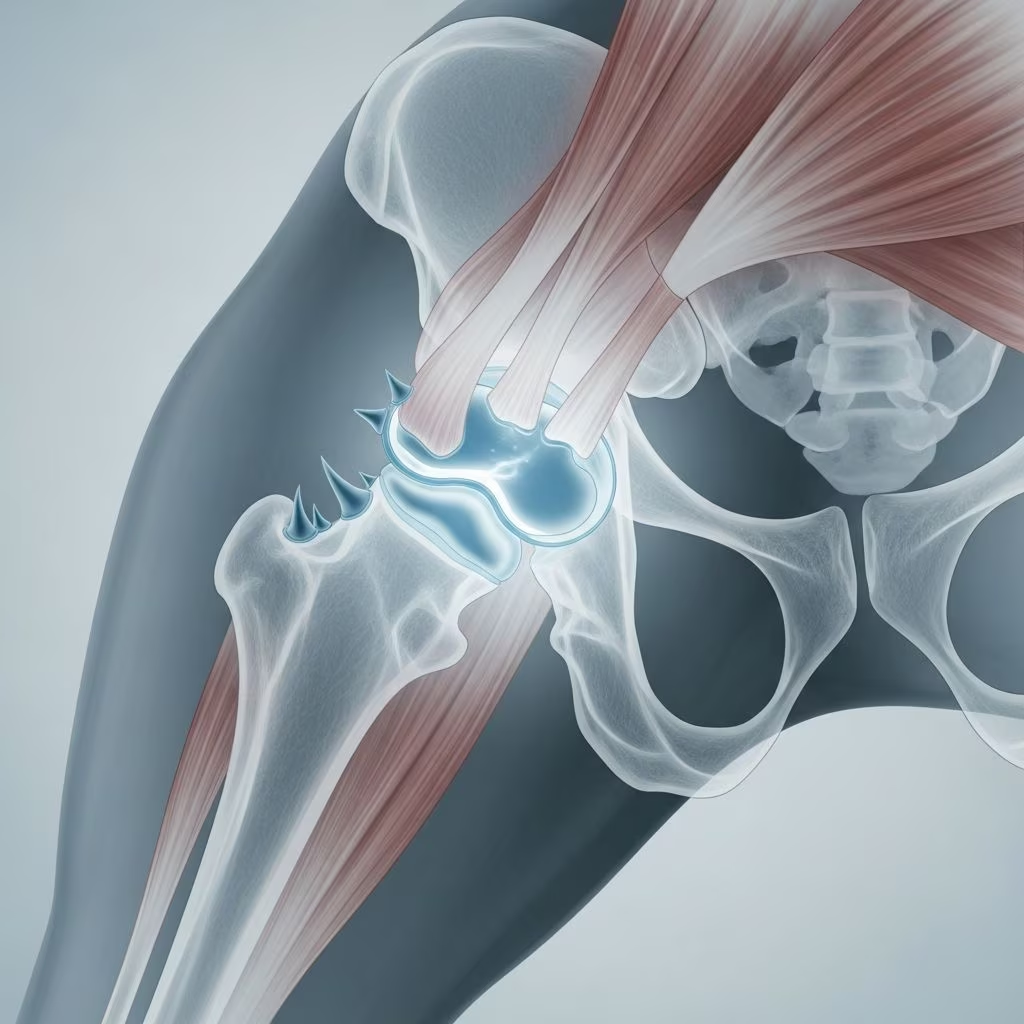
Hip dysplasia represents one of the most prevalent orthopedic conditions affecting dogs, particularly among larger and giant breeds. This developmental disorder occurs when the hip joint fails to form properly during growth, resulting in a loose or unstable articulation between the femoral head and acetabular socket. Unlike acute injuries, hip dysplasia typically develops gradually during the critical growth phase, though symptoms may not become apparent until months or years after birth. Understanding the mechanisms, risk factors, and therapeutic options for this condition is essential for dog owners and veterinary professionals seeking to optimize outcomes and enhance quality of life for affected canines.
Understanding Hip Joint Structure and Function
The hip joint represents a ball-and-socket articulation crucial for weight-bearing and locomotion in dogs. The femoral head, which forms the “ball,” should fit snugly within the acetabular cup, creating a stable joint with appropriate cartilage coverage and synovial fluid lubrication. This anatomical configuration allows for normal weight distribution, smooth movement, and shock absorption during activity. When this structural relationship is compromised, biomechanical stress increases substantially, accelerating cartilage degradation and inflammatory processes. Over time, the joint compensates through bone remodeling and osteophyte formation, though these adaptive mechanisms often result in persistent pain and functional decline rather than restoration of normal joint mechanics.
Genetic and Environmental Factors Contributing to Development
Hip dysplasia is fundamentally a genetic condition, inherited through polygenic inheritance patterns that can be transmitted from carrier parents to offspring. Certain breeds demonstrate significantly higher predisposition, including Labrador Retrievers, German Shepherds, Rottweilers, and various giant breed dogs. However, genetic predisposition alone does not guarantee disease development; environmental influences play a substantial modifying role.
Several environmental factors can exacerbate or suppress the expression of genetic predisposition:
- Nutrition and Growth Rate: Excessive caloric intake and rapid skeletal growth during puppyhood can accelerate dysplastic changes in genetically susceptible individuals. Conversely, controlled nutrition and gradual growth may reduce disease expression.
- Physical Activity: Excessive exercise during critical growth phases can contribute to joint instability, while appropriately modulated activity supports muscular development and joint stability.
- Body Weight: Obesity amplifies mechanical stress on affected joints, accelerating degenerative processes and increasing pain levels.
- Muscle Development: Diminished muscle mass around the hip joint reduces dynamic stability and proprioceptive support, worsening dysplastic changes.
Clinical Presentation and Diagnostic Indicators
Dogs with hip dysplasia exhibit a spectrum of clinical signs ranging from subclinical presentation to severe functional impairment. The manifestation timeline typically follows two distinct periods of heightened symptoms: early adolescence (6-12 months) when excessive joint laxity is most pronounced, and advanced adulthood (3+ years) when secondary osteoarthritic changes become severe.
Common clinical indicators include reluctance to jump into vehicles, difficulty rising from rest positions, visible lameness in hindquarters, and diminished enthusiasm for play or exercise. Puppies may exhibit inactivity or exercise intolerance despite age-appropriate energy levels. Physical examination findings often include hip pain on manipulation, muscle atrophy in affected limbs, and abnormal gait patterns.
Definitive diagnosis requires radiographic imaging, typically performed under sedation or general anesthesia to achieve proper positioning and assess joint laxity accurately. The Distraction Index (DI) and Norberg Angle represent standardized radiographic measurements used to quantify dysplasia severity and predict long-term outcomes. Advanced imaging including computed tomography or magnetic resonance imaging may be employed in complex cases to evaluate soft tissue involvement and guide surgical planning.
Pathophysiological Progression and Secondary Changes
Initial hip dysplasia involves primary laxity of the joint capsule and ligamentous structures, creating abnormal movement patterns and weight-bearing distribution. This mechanical instability triggers inflammatory responses within the synovial membrane, characterized by increased production of pro-inflammatory cytokines and degenerative enzymes.
Progressive cartilage degradation follows, initially affecting load-bearing articular surfaces. The body attempts to stabilize the unstable joint through bone remodeling, producing osteophytes (bone spurs) and sclerotic bone changes. While these adaptive mechanisms may temporarily stabilize the joint, they ultimately result in restricted range of motion, chronic inflammation, and osteoarthritis. The interplay between mechanical instability and inflammatory degeneration creates a self-perpetuating cycle of deterioration that progresses throughout the dog’s lifetime unless appropriately managed.
Conservative Management Strategies
Medical management represents the first-line treatment for most dogs with hip dysplasia and remains effective for many individuals throughout their lives. A multimodal approach addressing multiple pathological mechanisms yields superior outcomes compared to single-intervention strategies.
Weight and Activity Management
Maintaining optimal body condition substantially reduces mechanical stress on affected joints and improves treatment response. Weight loss programs should target gradual, sustainable reduction coordinated with dietary adjustments. Controlled activity emphasizing low-impact modalities including walking on soft surfaces and swimming protects joint structures while maintaining muscle conditioning. High-impact activities such as jumping, running on hard surfaces, and repetitive turning should be restricted, particularly during growth phases and acute symptomatic periods.
Pharmacological Interventions
Non-steroidal anti-inflammatory drugs (NSAIDs) specifically formulated for canine use represent the pharmacological foundation of hip dysplasia management. Medications such as Galliprant and other prescription options effectively reduce inflammation and pain while improving mobility. NSAID selection should be individualized based on efficacy, tolerability, and comorbid conditions affecting hepatic and renal function.
Nutraceutical supplements including glucosamine, chondroitin sulfate, and methylsulfonylmethane (MSM) may support cartilage health and reduce joint degradation. Fish oil and green-lipped mussel derivatives provide omega-3 fatty acids with anti-inflammatory properties. While evidence supporting nutraceutical efficacy varies, many clinicians recommend these adjunctive therapies as they demonstrate low toxicity profiles and may provide subjective benefit.
Physical Rehabilitation Approaches
Structured physical therapy programs promote muscle strengthening, improve joint range of motion, and enhance proprioceptive awareness. Underwater treadmill therapy provides weight-supported exercise that maintains cardiovascular fitness while minimizing joint loading. Therapeutic modalities including massage, passive range-of-motion exercises, and therapeutic ultrasound reduce pain and improve functional outcomes. Acupuncture has demonstrated efficacy in increasing muscle strength, improving joint mobility, and decreasing pain perception in affected dogs.
Surgical Treatment Options
Surgical intervention becomes appropriate when conservative management fails to adequately control pain, when rapid functional decline occurs despite medical therapy, or when dogs demonstrate significant quality-of-life impairment. Surgical candidacy depends on age, severity of dysplasia, presence of concurrent osteoarthritis, and owner expectations regarding postoperative recovery and long-term outcomes.
Joint-Preserving Procedures for Young Dogs
Young dogs (typically 6-18 months) with significant laxity but minimal arthritic changes represent ideal candidates for joint-preserving operations designed to prevent progressive degeneration. Double Pelvic Osteotomy (DPO) involves making three precise bone cuts in the pelvis, then rotating and plating a section to improve acetabular coverage of the femoral head. This procedure redirects biomechanical forces to reduce joint stress and prevent cartilage degradation. Long-term evaluation studies demonstrate excellent functional outcomes with DPO in appropriately selected patients.
Triple Pelvic Osteotomy (TPO) similarly aims to improve femoral head coverage through multiple pelvic cuts and segment rotation, offering particular benefit in cases with specific anatomical deficiencies. Dorsal Acetabular Rim (DAR) procedures augment the hip socket using bone grafts to enhance femoral head coverage without osteotomy. These procedures require specialized surgical expertise and careful postoperative management but offer the best opportunity to prevent osteoarthritis development in young, affected dogs.
Salvage Procedures for Dogs with Established Arthritis
Total Hip Replacement (THR) represents the gold-standard surgical treatment, involving replacement of both the femoral head and acetabular socket with prosthetic implants. This procedure restores near-normal hip biomechanics, eliminates pain, and provides the most complete functional recovery. THR is particularly suited for larger breed dogs and those with severe dysplasia or advanced osteoarthritis. However, implant complications including loosening, infection, and component wear may develop years postoperatively, and THR requires access to specialized surgical facilities and expertise.
Femoral Head and Neck Excision (FHO) involves surgical removal of the affected femoral head without replacement, creating a false joint supported by scar tissue and muscle function. While less expensive and technically less demanding than THR, FHO typically provides adequate pain relief particularly in smaller dogs but results in somewhat reduced function and may predispose to compensatory joint disease in remaining limbs. FHO remains an appropriate salvage procedure for dogs where THR is not feasible due to cost, anatomical constraints, or medical considerations.
Emerging and Complementary Therapeutic Approaches
Recent advances in regenerative medicine offer promising adjunctive or alternative treatments for canine hip dysplasia. Stem cell therapies, typically harvested from adipose tissue or bone marrow, show potential for promoting cartilage regeneration and modulating inflammatory responses. Class IV therapeutic laser treatments provide pain relief and may stimulate tissue healing through photobiomodulation mechanisms. Adequan injections supply building blocks for cartilage repair and may slow degenerative progression when combined with other interventions.
Breeding Considerations and Prevention
Given the heritable nature of hip dysplasia, affected dogs should never be used for breeding purposes. Responsible breeding programs prioritize hip evaluation through radiographic screening of breeding candidates, with preference for animals demonstrating normal hip conformation. Genetic counseling and pedigree analysis help identify carrier animals and reduce disease prevalence in subsequent generations. Prospective dog owners should obtain hip evaluation certifications from organizations like the Orthopedic Foundation for Animals (OFA) when acquiring puppies from breeders, particularly for predisposed breeds.
Long-Term Prognosis and Quality of Life
Prognosis for dogs with hip dysplasia varies considerably based on disease severity, age at diagnosis, treatment responsiveness, and owner commitment to ongoing management. Many dogs with mild dysplasia maintain excellent quality of life throughout their lifespan with conservative management alone. Others require lifelong medication and activity restriction but adapt well to modified lifestyles. Dogs undergoing appropriate surgical intervention often experience dramatic functional improvement, though long-term outcomes depend on technique selection, surgical expertise, and postoperative rehabilitation compliance.
The development of secondary osteoarthritis represents an inevitable consequence of untreated dysplasia, though its progression rate varies substantially among individuals. Early intervention, whether surgical or conservative, often provides superior long-term outcomes compared to delayed treatment. Regular monitoring through serial radiographic evaluation and clinical assessment helps guide therapeutic adjustments and optimize pain control throughout the dog’s life.
Frequently Asked Questions
Can hip dysplasia be cured?
Hip dysplasia cannot be completely reversed, but symptoms can be effectively managed through conservative and surgical interventions. The goal of treatment is to reduce pain, maintain joint function, and prevent or slow osteoarthritis progression rather than restore the joint to completely normal status.
At what age should hip dysplasia screening occur?
Radiographic screening is typically performed at 2 years of age for OFA certification purposes, though preliminary screening can be conducted earlier. Clinical signs may appear as early as 4-6 months or may not develop until middle age depending on severity and other factors.
Is surgery always necessary for hip dysplasia?
No, many dogs manage successfully with conservative treatment throughout their lives. Surgery becomes appropriate when medical management fails to control pain adequately or when significant functional decline occurs despite optimization of conservative therapy.
Can puppies with hip dysplasia grow normally?
With appropriate management including controlled nutrition, modulated exercise, and early intervention when indicated, many puppies with dysplasia develop normally and achieve good functional outcomes. The critical period for growth management extends through approximately 12-18 months of age.
References
- Canine Hip Dysplasia — Cornell University College of Veterinary Medicine. https://www.vet.cornell.edu/departments-centers-and-institutes/riney-canine-health-center/canine-health-topics/canine-hip-dysplasia-chd
- Canine Hip Dysplasia Treatment and Surgery — Bridger Veterinary Specialists. https://www.bridgervetspecialists.com/services/hip-dysplasia-treatment-surgery.html
- What is Hip Dysplasia in Dogs? 6 Common Causes and Risk Factors — Yankee Hill Veterinary Hospital. https://yankeehillvet.com/canines-common-medical-problems/what-is-hip-dysplasia-in-dogs-6-common-causes-and-risk-factors/
- Hip Dysplasia in Dogs: Signs, Treatment, Surgery — PetMD. https://www.petmd.com/dog/conditions/musculoskeletal/hip-dysplasia-dogs
- Diagnosis, Prevention, and Management of Canine Hip Dysplasia — National Institutes of Health. 2018. https://pmc.ncbi.nlm.nih.gov/articles/PMC6070021/



