

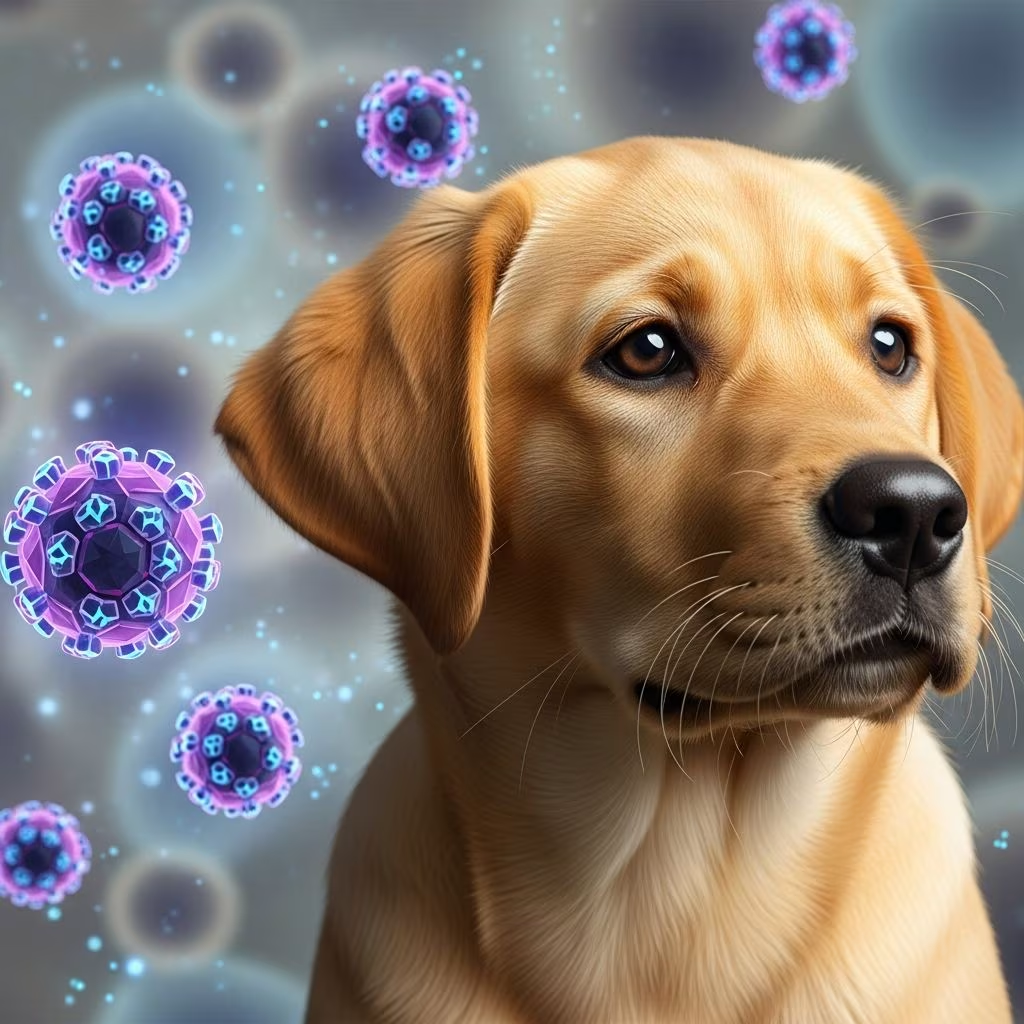
What Is Canine Herpesvirus?
Canine herpesvirus (CHV) represents a significant viral pathogen affecting dogs worldwide, with particular concern for breeding operations and households with young puppies. This virus belongs to the herpesvirus family and demonstrates unique characteristics that make it a challenging infection to manage. The virus replicates more efficiently at cooler body temperatures, which explains why neonatal puppies face heightened vulnerability compared to adult canines.
Unlike many viral infections, CHV establishes a persistent presence in infected animals. Once a dog contracts the virus, it remains dormant within nerve tissues and can reactivate periodically throughout the animal’s lifetime. This latent infection pattern creates ongoing management challenges for affected dogs and their caretakers.
How Transmission Occurs Between Dogs
Direct contact serves as the primary transmission mechanism for canine herpesvirus. Infected dogs shed the virus through nasal secretions, making respiratory exposure the most common route of infection. When an infected dog sneezes, coughs, or engages in direct nose-to-nose contact with another dog, viral particles transfer readily between animals.
Sexual contact also facilitates viral transmission, particularly among breeding dogs. The virus infects genital tissues and can spread during mating activities. Additionally, transplacental transmission from infected pregnant females to developing fetuses represents a critical concern in breeding situations.
Environmental factors influence transmission risk. Young female dogs and their puppies face the greatest susceptibility to infection. Closed breeding kennels experiencing sudden increases in miscarriages warrant immediate testing for CHV, as this pattern suggests active viral circulation within the population.
Clinical Presentations in Neonatal Puppies
Puppies under four weeks of age experience the most severe manifestations of canine herpesvirus infection. Their inability to maintain independent body temperature regulation creates ideal conditions for rapid viral replication. The progression of clinical signs in affected neonates typically follows a rapid and often fatal course.
Observable symptoms in infected puppies include:
- Persistent, agonizing crying and excessive vocalization
- Difficulty nursing and failure to gain weight appropriately
- Labored breathing and respiratory distress
- Thick, foul-smelling nasal discharge with greenish or yellowish coloration
- Neurological manifestations including tremors and seizure activity
- Soft, odorless stools with grayish-yellow or greenish appearance
- Sudden death without preceding warning signs
Mortality rates among infected neonates remain alarmingly high, with many puppies succumbing before veterinary intervention becomes possible. Puppies displaying mild initial symptoms often develop serious complications later, including neurological damage or blindness, even if they survive the acute phase.
Clinical Manifestations in Older Puppies and Adult Dogs
As dogs mature beyond the neonatal period, their improved ability to maintain body temperature and developing immune function results in less severe disease presentation. However, clinical signs still emerge in many infected animals.
Older puppies and adult dogs may experience:
- Upper respiratory symptoms including coughing and sneezing
- Mild nasal inflammation contributing to “kennel cough” presentations
- Ocular disease with squinting, conjunctivitis, and corneal ulcerations
- Genital lesions and inflammation
- Lethargy and reduced activity levels
- Mild fever or general malaise
Many adult dogs remain completely asymptomatic despite harboring active infection, functioning as silent shedders that transmit virus to susceptible contacts. This asymptomatic carrier state creates particular challenges in breeding facilities and multi-dog households.
Reproductive Complications and Pregnancy Loss
Female dogs demonstrate heightened vulnerability to severe consequences from herpesvirus infection, particularly during pregnancy. CHV infection in pregnant animals frequently results in abortion, stillbirth, or delivery of infected neonates.
Breeding females may experience:
- Spontaneous abortion of litters at various pregnancy stages
- Delivery of stillborn puppies
- Birth of weakened or infected puppies with poor viability
- Infertility and inability to conceive subsequent litters
- Chronic reproductive failure if herpesvirus becomes established
The economic and emotional impact of reproductive loss creates significant burden for breeding operations. Understanding CHV status becomes essential for maintaining herd health and preventing cascading losses across breeding programs.
Eye-Related Manifestations and Complications
Ocular involvement represents a notable clinical presentation of canine herpesvirus infection. The virus establishes infection in conjunctival tissues and corneal surfaces, creating distinctive pathological changes. Conjunctival petechiae (pinpoint hemorrhages) appear frequently in CHV-infected dogs and serve as a suggestive clinical indicator, though not entirely specific to herpesvirus.
Eye-related complications include:
- Conjunctivitis with discharge and visible inflammation
- Corneal ulcerations detectable through fluorescein staining
- Squinting and evidence of ocular pain
- Progressive blindness in surviving puppies
Secondary bacterial infections frequently complicate viral ocular disease, requiring aggressive management to prevent permanent vision loss.
Diagnostic Approaches and Testing Methods
Establishing a definitive diagnosis of canine herpesvirus infection requires laboratory confirmation, as clinical signs alone cannot definitively distinguish CHV from other pathogens. Laboratory tests enable accurate identification of the causative agent.
Diagnostic methodologies include:
- Viral isolation from nasal secretions, conjunctival swabs, or tissue samples
- Polymerase chain reaction (PCR) testing for rapid viral DNA detection
- Serological testing to identify antibodies indicating previous or current infection
- Histopathological examination of affected tissues post-mortem
In breeding situations where sudden puppy mortality or high abortion rates occur, systematic testing of affected animals and survivors establishes infection status and guides management decisions. Testing exposed but asymptomatic dogs helps identify carrier animals before they transmit virus to naive contacts.
Therapeutic Approaches and Supportive Care
Unfortunately, no curative therapy exists that eliminates herpesvirus from infected animals. Treatment remains largely unsuccessful in neonatal puppies, with most infected animals dying before medical intervention can prove effective. However, therapeutic options exist for managing affected animals and preventing mortality in certain circumstances.
Antiviral medications show promise in specific contexts. Acyclovir represents the primary antiviral agent with demonstrated activity against herpesvirus. Antiviral therapy proves most effective in puppies exposed to infected dogs but not yet showing clinical signs, suggesting potential prophylactic value in high-risk situations.
Supportive care forms the foundation of CHV management:
- External warming maintains elevated body temperature, slowing viral replication
- Fluid support prevents dehydration from diarrhea and reduced oral intake
- Oxygen supplementation addresses respiratory compromise
- Nutritional support through assisted feeding or supplementation
- Dextrose administration maintains blood glucose in debilitated animals
- Pain management medications alleviate discomfort
Immune serum derived from recovered female dogs containing protective antibodies shows potential in preventing neonatal deaths if administered before clinical illness develops. This passive immunization approach provides temporary protection to at-risk puppies born to infected mothers.
Ocular-Specific Treatment Considerations
Dogs experiencing eye involvement from herpesvirus infection require targeted ocular therapy. Topical antibiotic medications control secondary bacterial infections that frequently complicate viral conjunctivitis and keratitis.
Antiviral eye drops provide direct viral suppression in ocular tissues. Medications including idoxuridine and trifluridine demonstrate activity against herpesvirus when applied topically. Concurrent pain management with topical analgesics improves comfort during the acute inflammatory phase.
Long-Term Prognosis and Management Considerations
Once infected, dogs harbor herpesvirus for life within nervous tissue. Viral reactivation occurs periodically, particularly during stress or immune system suppression, leading to renewed shedding and potential transmission to susceptible contacts.
Adult dogs that survive initial infection typically experience a favorable long-term prognosis. Many exhibit minimal or no clinical signs despite persistent viral infection, allowing relatively normal quality of life. However, periodic reactivation may cause mild respiratory or ocular symptoms.
Puppies surviving neonatal infection often develop complications including neurological dysfunction or blindness. The neurotropic nature of herpesvirus can result in permanent damage despite acute phase survival.
Management Strategies in Breeding Operations
Breeding facilities experiencing CHV outbreaks face significant challenges in protecting remaining animals. Maintaining elevated environmental temperatures inhibits viral replication, reducing transmission and disease severity in exposed animals.
Practical management approaches include:
- Isolation of infected or exposed animals from naive populations
- Environmental temperature elevation to suppress viral replication
- Enhanced sanitation and disinfection protocols
- Protective equipment use among handlers to prevent inadvertent transmission
- Prophylactic antiviral therapy in exposed but asymptomatic puppies
- Serological testing to identify carrier animals and guide breeding decisions
Breeding decisions should incorporate herpesvirus status, as infected females pose significant risk to future litters. Consultation with veterinary specialists knowledgeable in reproductive virology guides appropriate management of valuable breeding animals.
Prevention and Risk Reduction
While no vaccine currently provides complete protection against canine herpesvirus, understanding transmission routes enables effective prevention strategies. Limiting contact between breeding animals of unknown status reduces infection risk. Quarantine protocols for newly acquired dogs prevent introducing herpesvirus into naive populations.
Testing breeding animals before introduction to established populations identifies latent infections before virus spreads to susceptible contacts. Pre-breeding serological screening enables informed decision-making regarding mating plans.
Frequently Asked Questions About Canine Herpesvirus
- Can canine herpesvirus infect humans?
- Canine herpesvirus shows high specificity for dogs and does not infect humans. Cross-species transmission to people does not occur.
- How long do infected dogs shed virus?
- Acute shedding continues for several weeks following initial infection. Latent virus reactivates intermittently throughout life, causing renewed shedding during reactivation episodes.
- Should infected dogs be neutered or spayed?
- Infection status should inform reproductive decisions. Infected animals carry significant risk of transmitting virus to offspring or mates, warranting careful consideration of breeding suitability.
- Can puppies survive neonatal herpesvirus infection?
- While most neonatal puppies succumb to acute infection, some survive with aggressive supportive care. However, survivors frequently develop permanent complications including blindness or neurological dysfunction.
- Is there a cure for canine herpesvirus?
- No cure exists that eliminates herpesvirus from infected animals. Management focuses on controlling clinical signs and preventing transmission to susceptible contacts.
Conclusion: Living With Canine Herpesvirus
Canine herpesvirus represents a persistent threat to neonatal puppies and breeding operations worldwide. Understanding transmission mechanisms, clinical presentations across age groups, and evidence-based management approaches enables dog owners and breeders to make informed decisions protecting their animals. While therapeutic options remain limited, supportive care measures and preventive strategies significantly impact outcomes in affected populations. Ongoing veterinary communication and herd health planning prove essential for managing this challenging infection in breeding and multi-dog household environments.
References
- Herpesvirus in Dogs — VCA Animal Hospitals. Accessed February 2026. https://vcahospitals.com/know-your-pet/herpesvirus-in-dogs
- Canine Herpesvirus – Causes, Diagnosis and Treatment — PetMD. Accessed February 2026. https://www.petmd.com/dog/conditions/infectious-parasitic/canine-herpesvirus-causes-diagnosis-and-treatment
- Canine Herpesvirus — MSD Veterinary Manual. Accessed February 2026. https://www.msdvetmanual.com/dog-owners/disorders-affecting-multiple-body-systems-of-dogs/canine-herpesvirus
- Canine Herpesvirus — Merck Veterinary Manual. Accessed February 2026. https://www.merckvetmanual.com/dog-owners/disorders-affecting-multiple-body-systems-of-dogs/canine-herpesvirus
- Can Dogs Get Herpes? — Volhard Dog Nutrition. Accessed February 2026. https://www.volharddognutrition.com/blog/can-dogs-get-herpes/
- Canine Herpesvirus: Diagnosis, Treatment, and Management — Pet Care Partners Podcast, Episode 159. May 30, 2025. https://www.youtube.com/watch?v=HnHquBaGBGM
- Canine Reproductive, Respiratory, and Ocular Diseases due to Herpesvirus Infection — PubMed Central. Accessed February 2026. https://pmc.ncbi.nlm.nih.gov/articles/PMC7114841/



