

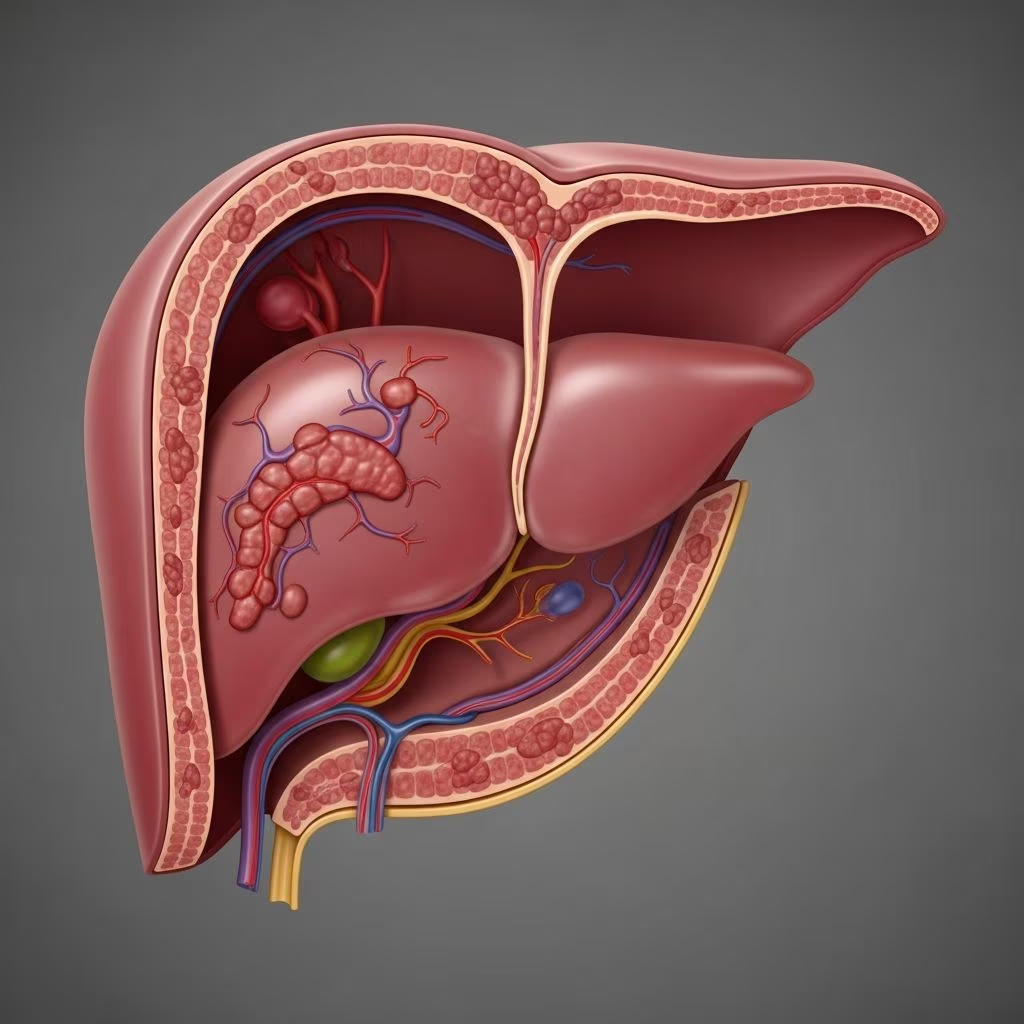
The liver stands as one of the most vital organs in a dog’s body, performing numerous essential functions that directly impact overall health and survival. This complex organ filters toxins from the bloodstream, produces crucial proteins, manages nutrient metabolism, and synthesizes bile for digestive processes. When liver function becomes compromised, the consequences can be severe and rapidly life-threatening. Understanding hepatic disease in canines—including its origins, manifestations, and therapeutic approaches—enables pet owners to recognize warning signs early and work effectively with veterinary professionals to preserve their dog’s wellbeing.
The Critical Role of Hepatic Function in Canine Health
The canine liver performs an astonishing array of biochemical and physiological functions that sustain life. Beyond filtering harmful substances from circulation, the liver synthesizes vital blood proteins including those involved in clotting and immune function. It stores essential nutrients like vitamins and minerals, regulates blood glucose levels, and produces bile—a substance necessary for fat digestion and absorption. The liver also metabolizes medications and processes amino acids. Due to these extensive responsibilities and the organ’s remarkable regenerative capacity, significant liver damage must occur before clinical signs become apparent. This delayed presentation of symptoms makes early detection particularly challenging for pet owners.
Recognizing Clinical Manifestations of Hepatic Compromise
The symptoms of canine liver disease vary considerably depending on the disease stage, underlying etiology, and extent of hepatic damage. Early recognition of these signs permits more timely intervention and potentially better outcomes.
Initial Warning Indicators
During the initial stages of hepatic disease, dogs frequently display non-specific symptoms that might easily be attributed to other conditions. These early manifestations include reduced energy levels and enthusiasm, diminished appetite, and subtle weight loss over weeks or months. Affected dogs may exhibit changes in drinking and urination patterns, with some animals consuming significantly more water than usual while others show decreased interest in drinking. Gastrointestinal upset commonly accompanies hepatic compromise, presenting as vomiting or diarrhea. Observant owners might notice alterations in stool appearance or consistency.
Advanced Disease Presentations
As hepatic disease progresses, clinical signs become more pronounced and alarming. Jaundice represents one of the most visually distinctive indicators, manifesting as yellowing of the mucous membranes (gums), sclera (whites of the eyes), and non-pigmented skin areas. This coloration results from excessive bilirubin accumulation in tissues when the liver cannot adequately process this bile component. Additional severe manifestations include abdominal distension caused by fluid accumulation (ascites), neurological symptoms such as confusion or disorientation, balance problems, and in critical cases, seizures. Some dogs develop fever, exhibit head-pressing behavior (pushing the head repeatedly against objects), or display spontaneous bleeding evidenced by bruising or blood in vomit and stool.
Diverse Etiologies of Canine Liver Disease
Hepatic disease in dogs results from numerous distinct pathological processes and environmental exposures. Understanding these underlying causes helps owners recognize risk factors and prevent certain types of liver damage.
Toxic Exposures and Poisoning
The liver’s role in detoxification unfortunately makes it vulnerable to injury from numerous toxic substances. Common household dangers include xylitol (found in sugar-free products), acetaminophen, and non-steroidal anti-inflammatory medications like ibuprofen. Veterinary medications including certain antibiotics and chemotherapy agents can cause acute hepatic injury in susceptible individuals. Environmental toxins such as heavy metals, rodent poisons, and insecticides pose significant risks. Certain plants including sago palms and Amanita mushrooms contain compounds that cause rapid liver damage, while blue-green algae exposure can trigger acute liver failure.
Infectious Diseases
Multiple infectious agents can directly attack hepatic tissue and compromise liver function. Viral infections including infectious canine hepatitis (caused by canine adenovirus type 1) and herpesvirus can cause acute hepatic inflammation. Bacterial infections, including leptospirosis—a serious spirochetal disease transmitted through contaminated water—frequently target the liver. Parasitic and fungal infections also damage hepatic tissue, with coccidioidomycosis and histoplasmosis representing the most common fungal causes encountered in canine practice. Dogs acquire these fungal infections through environmental exposure when hiking or spending time in endemic areas, and these infections often require extended antifungal therapy with uncertain prognosis.
Trauma and Acute Injury
Sudden, severe physical trauma can precipitate acute liver failure in previously healthy dogs. Vehicular accidents, severe heat stroke, and other emergency situations may cause sufficient hepatic damage to overwhelm the organ’s function acutely. The liver’s extensive blood supply makes it particularly vulnerable to traumatic injury.
Chronic Progressive Diseases
Beyond acute insults, multiple chronic conditions lead to progressive hepatic deterioration. Chronic hepatitis develops gradually, typically affecting dogs between four and ten years of age. Cholangiohepatitis—inflammation affecting both the liver and the biliary system—often results from ascending infections from the gastrointestinal tract. Hepatic neoplasia (liver cancer) either originating in the liver or metastasizing from other sites can progressively destroy functional liver tissue. Immune-mediated conditions where the body attacks its own hepatic cells cause progressive damage. Endocrine disorders including diabetes mellitus and Cushing’s disease can trigger secondary hepatic injury. In many chronic cases, the underlying cause remains unidentified (idiopathic disease), complicating management strategies.
Diagnostic Approaches and Investigative Procedures
Establishing a definitive diagnosis of hepatic disease requires a systematic diagnostic approach. Veterinarians typically recommend multiple testing modalities to assess liver function, identify underlying causes, and evaluate disease severity.
Laboratory Testing: Blood work forms the foundation of hepatic disease diagnosis, measuring liver enzymes (ALT, AST, ALP), bilirubin levels, albumin, and clotting factors to assess hepatic synthetic function. Bile acid testing specifically evaluates the liver’s ability to extract bile acids from portal blood. Coagulation profiles help identify bleeding disorders related to impaired clotting factor production.
Imaging Studies: Abdominal ultrasound reveals hepatic size, echotexture, and structural abnormalities including tumors, cysts, or vascular anomalies. Radiographs provide complementary information about organ size and position. Advanced imaging including computed tomography may be recommended in selected cases.
Tissue Biopsy: When imaging findings are inconclusive or chronic hepatitis is suspected, hepatic biopsy provides definitive histological diagnosis, revealing inflammatory patterns, fibrosis (cirrhosis), or neoplastic changes that guide treatment decisions.
Management Strategies and Therapeutic Approaches
Treatment of canine hepatic disease requires individualized approaches based on the underlying etiology, disease stage, and severity of dysfunction. Therapeutic strategies aim to address the primary cause when possible while providing supportive care that minimizes ongoing damage and manages clinical symptoms.
Toxin-Specific Interventions
When toxic ingestion represents the primary cause, rapid decontamination procedures may limit absorption. Veterinarians may induce vomiting to expel ingested material from the stomach or perform gastric lavage (stomach pumping) if vomiting is contraindicated. Specific antidotes exist for certain toxins and are administered when available. Activated charcoal binds certain ingested substances, preventing intestinal absorption.
Antimicrobial Therapy
Infectious causes of hepatic disease require targeted antimicrobial therapy. Bacterial infections respond to appropriate antibiotics selected based on culture and sensitivity results when available. Viral hepatitis typically requires supportive care as specific antivirals have limited availability in veterinary practice. Fungal infections necessitate prolonged antifungal medication courses, often spanning several months, with variable success rates.
Nutritional Management and Dietary Modification
Specialized dietary management plays a crucial role in hepatic disease management. Prescription liver-support diets carefully balance macronutrient content, typically featuring higher carbohydrate levels combined with restricted protein to minimize ammonia production—a hepatotoxic metabolite that accumulates when liver function declines. These diets also limit copper content for conditions involving copper accumulation disorders. The carefully formulated nutrient profile includes appropriate levels of vitamins, minerals, and antioxidants that support hepatic regeneration and function. Veterinarians tailor dietary recommendations to the specific underlying cause and individual patient requirements.
Supplementation and Hepatoprotective Agents
Multiple supplements demonstrate benefit in supporting hepatic function and promoting recovery. S-adenosyl methionine (SAMe) enhances hepatic antioxidant defenses and supports cellular regeneration. Milk thistle extract, particularly its active component silymarin, provides anti-inflammatory and antioxidant benefits that protect hepatocytes from further damage. Vitamin E supplementation (typically 50-400 IU daily) offers antioxidant protection, particularly for copper-associated liver disease. The combination product Denamarin, which combines SAMe with silybin, is frequently prescribed for canine liver disease, typically administered as one tablet daily on an empty stomach 1 hour before meals for 15-30 days. Lactulose helps bind ammonia in the gastrointestinal tract, reducing absorption of this hepatotoxic compound.
Pharmaceutical Management
Medications address specific complications and symptoms of hepatic disease. Vitamin K supplementation helps correct coagulopathy (bleeding disorders) common in advanced liver disease. Ursodiol decreases hepatic cholesterol production and intestinal cholesterol absorption, reducing the hepatic burden. Corticosteroids reduce hepatic inflammation in immune-mediated hepatitis cases, though careful monitoring is essential as steroids can cause complications. Antiemetic medications control nausea and vomiting that compromise nutritional status. Medications managing hepatic encephalopathy help address neurological complications.
Hospitalization and Intensive Supportive Care
Dogs with acute liver failure or severe chronic hepatic disease frequently require hospitalization for intensive supportive management. Intravenous fluid therapy corrects dehydration, maintains electrolyte balance, and helps flush toxins from systemic circulation. Hospitalization permits close monitoring of clinical status, laboratory parameters, and medication response. Veterinarians can rapidly adjust treatment protocols based on patient response and laboratory findings.
Surgical Interventions
Certain hepatic conditions require surgical management. Dogs with hepatic tumors or cysts may benefit from surgical removal to restore function and eliminate space-occupying lesions. Congenital vascular shunts (portosystemic shunts) that allow blood to bypass hepatic filtration can be surgically corrected, dramatically improving outcomes.
Prognosis and Long-Term Outcomes
The prognosis for canine hepatic disease varies considerably based on multiple factors. Acute liver failure cases where the underlying cause can be identified and rapidly addressed sometimes achieve complete recovery with intensive treatment. Traumatic injury limited to hepatic tissue may heal with appropriate supportive care given the liver’s regenerative capacity. Reversible causes like toxin ingestion or treatable infections carry better prognoses than progressive chronic conditions.
Conversely, chronic hepatitis, advanced cirrhosis, hepatic neoplasia, and conditions like fungal infections carry more guarded prognoses. Many chronic conditions can only be managed symptomatically, with treatment focused on slowing disease progression, minimizing symptoms, and maintaining quality of life rather than achieving cure. Early diagnosis and prompt initiation of appropriate therapy significantly improves long-term outcomes across most hepatic conditions.
Preventive Measures and Risk Mitigation
While not all hepatic disease can be prevented, owners can reduce certain risks. Preventing access to hepatotoxic substances including xylitol-containing products, over-the-counter medications, and toxic plants protects against poisoning. Vaccinating dogs against infectious canine hepatitis and leptospirosis prevents these serious infectious causes. Maintaining appropriate body weight reduces metabolic stress on the liver. Regular veterinary examinations permit early detection of hepatic disease before advanced damage occurs. Careful medication administration under veterinary supervision minimizes iatrogenic (medication-induced) liver injury. For dogs with known conditions predisposing to hepatic disease, appropriate monitoring and preventive dietary management may slow progression.
Frequently Asked Questions About Canine Liver Disease
Q: How quickly does liver disease develop in dogs?
A: Onset varies dramatically depending on the cause. Acute liver failure from toxin ingestion or severe trauma can develop within hours to days, while chronic hepatitis develops slowly over months or years.
Q: Can liver disease in dogs be cured?
A: Some acute conditions with identifiable reversible causes can be cured with appropriate treatment. However, most chronic hepatic diseases can only be managed, not cured, with treatment focused on slowing progression and maintaining quality of life.
Q: What is the average lifespan for a dog with liver disease?
A: Lifespan depends entirely on disease type, severity, and response to treatment. Some dogs with well-managed conditions live years beyond diagnosis, while acute severe cases may deteriorate rapidly without intervention.
Q: Should dogs with liver disease receive special food?
A: Yes, veterinarians typically recommend prescription liver-support diets specifically formulated to reduce hepatic burden while providing optimal nutrition for hepatic support.
Q: Can routine blood work detect early liver disease?
A: Routine blood work can detect elevated liver enzymes suggesting hepatic involvement, but more specialized testing including bile acids and imaging may be needed for definitive diagnosis.
References
- Liver Disease in Dogs: Signs, Symptoms, Causes, Treatment — Toe Grips. Updated 2025. https://toegrips.com/liver-disease-in-dogs/
- Liver Disease in Dogs: Symptoms and Causes — WebMD Pets. https://www.webmd.com/pets/dogs/liver-disease-liver-failure-dogs
- Liver Disease in Dogs: Symptoms, Causes, and Treatments — GoodRx Pet Health. https://www.goodrx.com/pet-health/dog/liver-disease-in-dogs
- Liver Disease in Dogs — Small Door Veterinary. https://www.smalldoorvet.com/learning-center/medical/liver-disease-dogs
- Liver Disease in Dogs — PetMD. https://www.petmd.com/dog/conditions/digestive/liver-disease-dogs
- What Are the Different Types of Liver Diseases in Dogs? — Sacramento Broadway Veterinary. https://www.sacbroadwayvet.com/blog/different-types-of-liver-diseases-in-dogs/
- Liver disease in dogs — PDSA. https://www.pdsa.org.uk/pet-help-and-advice/pet-health-hub/conditions/liver-disease-in-dogs



