

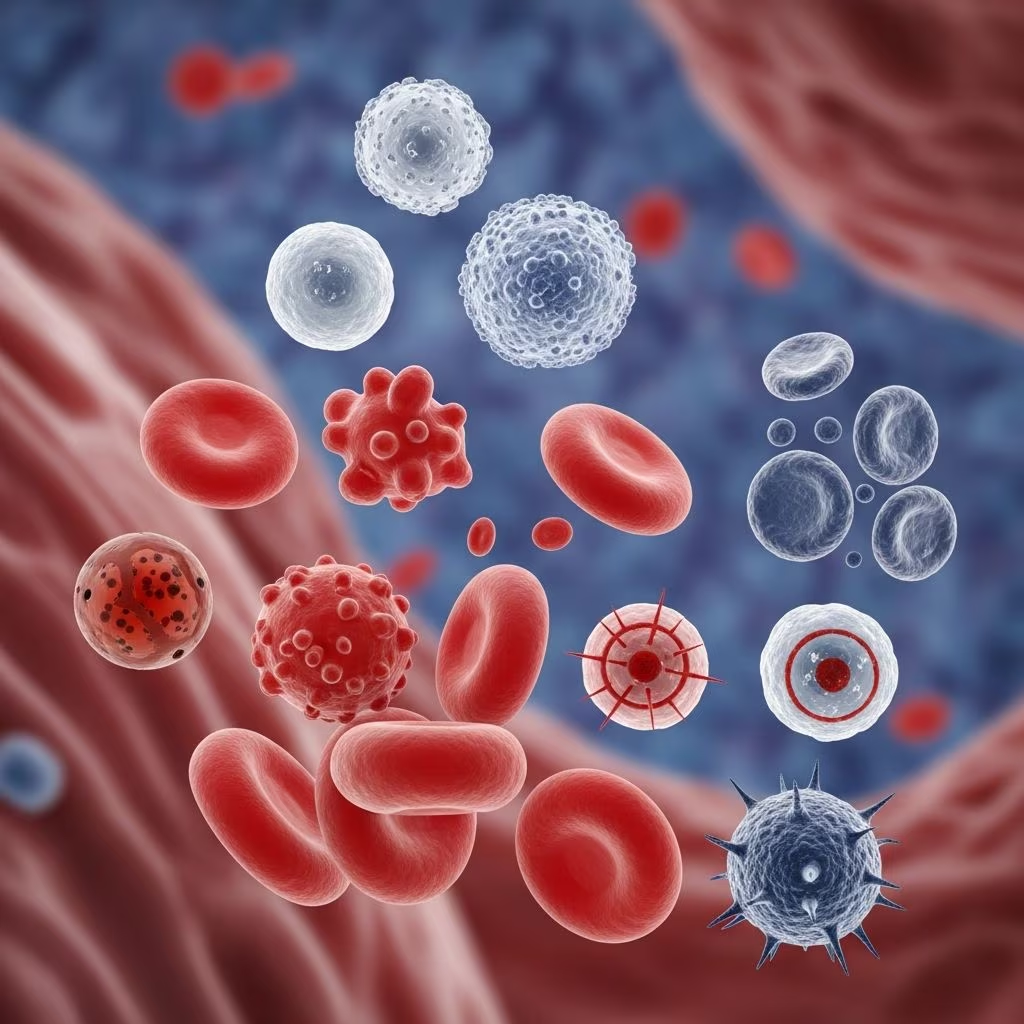
Blood disorders in dogs encompass a wide spectrum of conditions that can affect various components of the circulatory system, including red blood cells, white blood cells, platelets, and clotting proteins. These conditions may arise from genetic predispositions, environmental factors, infections, or autoimmune responses. Understanding the nature of these disorders helps pet owners recognize warning signs and seek timely veterinary intervention. Some blood disorders represent normal physiological responses to abnormal situations, while others indicate serious underlying health concerns requiring immediate medical attention.
Categories of Canine Blood Disorders
Blood disorders in dogs can be classified into several distinct categories based on their origin and mechanism of action. These classifications help veterinarians diagnose conditions more effectively and determine appropriate treatment strategies. The major categories include inherited genetic disorders, acquired conditions from external factors or diseases, immune-mediated diseases where the body attacks its own blood components, infections that compromise blood function, and structural abnormalities affecting blood vessels. Each category presents unique challenges in diagnosis and management, requiring different therapeutic approaches.
Inherited Genetic Bleeding Disorders
Genetic bleeding disorders represent some of the most significant hematologic concerns in purebred dogs. Hemophilia A, caused by deficiency in clotting Factor VIII, stands as the most frequently encountered inherited bleeding disorder in the canine population. This condition predominantly affects male dogs, as the genetic mutation follows an X-linked inheritance pattern, meaning females typically carry the gene without expressing symptoms. Affected puppies often display prolonged bleeding from the umbilical cord following birth, spontaneous gum bleeding during the teething phase, and excessive hemorrhage following surgical procedures or injuries.
Another significant inherited condition is Von Willebrand disease, which represents the most common congenital bleeding disorder across all dog breeds. This disorder results from deficient or dysfunctional von Willebrand factor, a crucial protein responsible for carrying clotting Factor VIII and initiating the clotting cascade. The condition appears particularly prevalent in Doberman Pinschers, German Shepherds, Golden Retrievers, Miniature Schnauzers, Pembroke Welsh Corgis, Shetland Sheepdogs, Basset Hounds, Scottish Terriers, Standard Poodles, and Manchester Terriers. Dogs with this condition may experience nosebleeds, excessive bleeding from minor injuries, and prolonged bleeding following dental procedures or surgery.
Breed-specific genetic disorders include Hypofibrinogenemia, documented in Saint Bernards and Vizslas, characterized by critically low fibrinogen levels leading to severe bleeding episodes. Similarly, Dysfibrinogenemia has been identified in certain Russian Wolfhound lineages, causing abnormal fibrinogen function that triggers life-threatening hemorrhage following injury or surgical intervention. The treatment for fibrinogen-related disorders typically involves transfusion of fresh or fresh-frozen plasma to restore clotting protein levels.
Platelet-Related Inherited Disorders
Canine thrombopathia, documented in Basset Hounds, involves dysfunction of platelet function despite normal platelet numbers. Affected animals experience nosebleeds, petechiae (tiny red or purple spots beneath the skin), and spontaneous gum bleeding. Diagnosis requires specialized platelet function testing beyond standard blood work.
Glanzmann thrombasthenia represents a severe platelet dysfunction disorder affecting Otterhounds and Great Pyrenees dogs. Affected dogs exhibit prolonged bleeding times, easy bruising, and characteristic giant, abnormally shaped platelets visible on blood smears. The platelets fail to aggregate and disaggregate normally, compromising the clotting mechanism entirely.
Cyclic hematopoiesis, or Gray Collie syndrome, involves periodic reductions in all blood cell types, including platelets, occurring in predictable 12-day cycles. Neutrophils show the most dramatic decreases, leaving affected dogs vulnerable to infections during low-count periods. This cyclical pattern distinguishes the condition from static blood disorders.
Acquired Blood Disorders and Secondary Conditions
Liver Disease and Clotting Protein Production
The liver manufactures most clotting proteins essential for hemostasis. Significant liver disease leads to decreased production of Factors VII, IX, X, and XI, compromising the dog’s ability to form stable blood clots. Severe hepatic disease may trigger disseminated intravascular coagulation (DIC), a life-threatening condition characterized by uncontrolled clot formation and subsequent consumption of clotting factors, resulting in paradoxical bleeding tendency. This cascade of clotting activation followed by clotting factor depletion creates a medical emergency requiring immediate intervention.
Immune-Mediated Platelet Destruction
Immune-mediated thrombocytopenia (ITP) develops when the dog’s immune system mistakenly targets and destroys its own platelets. This condition can arise without obvious preceding cause or develop secondary to infections, vaccinations, medications, or tumors. Affected dogs present with petechiae, bleeding gums, nosebleeds, and blood in feces or urine. Diagnosis requires confirming low platelet counts through blood work, often accompanied by bone marrow examination to verify continued platelet production.
Immune-Mediated Hemolytic Anemia
Immune-mediated hemolytic anemia (IMHA) occurs when antibodies attack and destroy the dog’s red blood cells. This condition leads to jaundice, weakness, lethargy, and rapid heart rate as the body struggles to maintain oxygen delivery with fewer functional red blood cells. Treatment typically involves immunosuppressive medications to halt the immune system’s attack while supporting the dog through transfusions if necessary.
Infectious Disease-Related Disorders
Rickettsial diseases, particularly those caused by Ehrlichia and Anaplasma organisms, frequently compromise platelet numbers in infected dogs. Ticks serve as the primary transmission vector for these infections. Affected dogs may exhibit mild to severe thrombocytopenia, with clinical signs ranging from asymptomatic infection to severe bleeding with nosebleeds, bloody feces, and gum bleeding. Some dogs experience only temporary platelet reduction, while others develop chronic platelet abnormalities.
Disseminated intravascular coagulation can develop secondary to severe infections, parvovirus infection, sepsis, major trauma, heatstroke, heartworm disease, or cancerous tumors. The condition exists in three severity levels: peracute (mild, affecting one organ), acute (severe and potentially life-threatening), and chronic (developing gradually from underlying chronic illness). Clinical manifestations include petechiae, blood in urine and feces, nosebleeds, abdominal distension, lethargy, and elevated heart rate. Acute DIC cases demand diagnosis and treatment within hours to prevent organ failure and death.
Structural Blood Vessel Abnormalities
Congenital Connective Tissue Defects
Ehlers-Danlos syndrome, also recognized as rubber puppy disease or cutaneous asthenia, represents a congenital defect in connective tissue protein integrity. This condition causes weak structural support for blood vessels, predisposing affected dogs to spontaneous bleeding and bruising. The most distinctive clinical feature involves excessively loose, hyperelastic skin that tears easily from minor trauma. The disorder has been documented in both dogs and humans but remains rare. Currently, no specific treatment exists for this genetic condition.
Diagnostic Evaluation of Canine Blood Disorders
Complete Blood Count Analysis
The complete blood count (CBC) serves as the foundational diagnostic tool for evaluating blood disorders. This test measures multiple parameters providing comprehensive assessment of blood cell populations:
- Hematocrit (HCT) quantifies the percentage of red blood cells, helping identify dehydration or anemia
- Hemoglobin and mean corpuscular hemoglobin concentration (Hb and MCHC) represent red blood cell pigments responsible for oxygen transport
- White blood cell count (WBC) evaluates immune cell populations, with elevations or reductions indicating disease or immune system dysfunction
- Platelet count (PLT) measures clotting cells essential for hemostasis
- Granulocytes and lymphocytes/monocytes identify specific white blood cell types indicating particular disease processes
- Eosinophils elevation suggests allergic or parasitic conditions
Additional Diagnostic Approaches
Beyond CBC analysis, veterinarians employ specialized testing to diagnose specific blood disorders. Blood coagulation profiles measure the time required for blood to clot, identifying deficiencies in clotting factors. Fibrinogen measurement determines levels of this critical clotting protein. Bone marrow examination allows direct assessment of blood cell production, distinguishing between production failures and immune-mediated destruction. Von Willebrand factor testing confirms deficiency of this specific protein. Platelet function testing evaluates whether platelets aggregate and disaggregate normally, identifying functional disorders despite normal platelet numbers.
Clinical Manifestations of Canine Blood Disorders
Dogs with blood disorders present with varied clinical signs depending on the specific condition and severity. Common manifestations include:
- Spontaneous or prolonged bleeding from minor injuries
- Nosebleeds occurring without apparent cause
- Bleeding gums, especially during mastication or tooth brushing
- Petechiae or ecchymoses (bruising) appearing spontaneously or after minor trauma
- Blood in urine or feces
- Pale mucous membranes indicating anemia
- Jaundice or yellowing of skin and mucous membranes from hemolysis
- Lethargy and weakness from reduced oxygen-carrying capacity
- Increased heart rate compensating for reduced red blood cell numbers
- Excessive bleeding during or after surgical procedures
- Prolonged bleeding from umbilical cord in newborn puppies
Treatment Considerations for Blood Disorders
Treatment approaches vary significantly based on the underlying disorder. Inherited genetic conditions like hemophilia A require supportive care including activity restriction, trauma prevention, and transfusion of plasma or whole blood during bleeding episodes. Von Willebrand disease management focuses on minimizing surgical trauma when possible and providing plasma transfusions when bleeding occurs.
Immune-mediated conditions like ITP and IMHA typically respond to immunosuppressive medications that halt the immune system’s attack on blood components. Corticosteroids often serve as first-line therapy, with additional immunosuppressants added if initial response proves insufficient.
Infectious disease-related blood disorders require treatment targeting the underlying infection. Rickettsial infections respond to appropriate antibiotic therapy, while improving platelet function as the infection resolves. DIC management demands identification and treatment of the precipitating cause while providing supportive care including fluid therapy, transfusions, and monitoring for organ dysfunction.
Prognosis and Long-Term Management
Prognosis varies dramatically depending on the specific disorder, severity, and access to appropriate treatment. Some inherited conditions like Von Willebrand disease allow dogs to live normal lifespans with appropriate management and precautions to prevent bleeding. Other conditions like acute DIC carry dire prognoses without immediate intervention. Immune-mediated disorders often respond well to immunosuppressive therapy but may require lifelong medication management. Infectious disease-related blood disorders may resolve completely with appropriate treatment or leave permanent damage depending on duration and severity of infection before diagnosis.
Long-term management of chronic blood disorders requires owner commitment to medication compliance, activity modification, and regular veterinary monitoring through repeated blood work to assess treatment response and adjust medications as needed. Dogs with inherited bleeding disorders benefit from owner education regarding trauma prevention and recognition of bleeding emergencies requiring immediate veterinary care.
References
- Bleeding Disorders of Dogs – Dog Owners — MSD Vet Manual. Accessed February 24, 2026. https://www.msdvetmanual.com/dog-owners/blood-disorders-of-dogs/bleeding-disorders-of-dogs
- Common Blood Disorders in Dogs — ASPCA Pet Health Insurance. Accessed February 24, 2026. https://www.aspcapetinsurance.com/resources/dog-blood-disorders/
- A Pet Parent’s Guide to Blood Tests for Dogs — Rock Hill Carolina Veterinary Clinic. April 15, 2023. https://www.rock-hill.carolinavet.com/site/blog/2023/04/15/dog-blood-tests
- Understanding Your Pet’s Diagnostic Testing — Veterinary Clinic Mission. December 2017. https://vetclinicmission.com/wp-content/uploads/2017/12/Understanding-Your-Pets-Diagnostic-Testing.pdf
- Manual of Canine and Feline Haematology — National Center for Biotechnology Information. https://pmc.ncbi.nlm.nih.gov/articles/PMC340242/



