
Canine Heart Staging Guide: 4 ACVIM Stages Explained
Understand the ACVIM stages of heart disease in dogs to enable early detection, precise treatment, and improved quality of life for your pet.
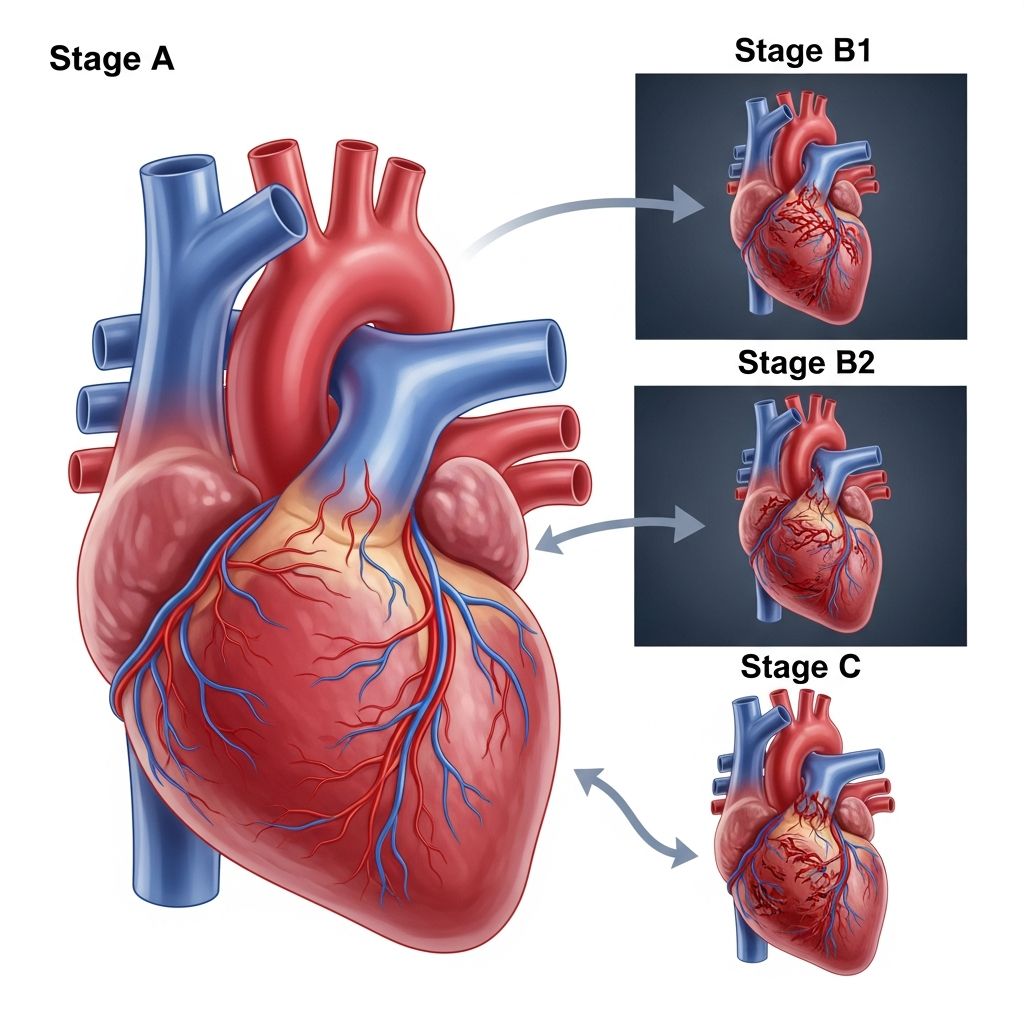
The progression of heart conditions in dogs, particularly myxomatous mitral valve disease (MMVD), follows a structured classification system established by the American College of Veterinary Internal Medicine (ACVIM). This framework divides the disease into four primary stages, with key substages, to guide veterinarians in diagnosis, monitoring, and intervention. Understanding these stages empowers pet owners to recognize early signs and collaborate effectively with veterinary teams.
Prevalence and Risk Factors in Canine Cardiology
MMVD represents the leading cause of heart disease and congestive heart failure in dogs, predominantly affecting small breeds as they age. Nearly 85% of small dogs over 13 years exhibit some degree of valvular degeneration, primarily involving the mitral valve, with tricuspid involvement in about 30% of cases. Predisposed breeds include Cavalier King Charles Spaniels, Dachshunds, Miniature and Toy Poodles, Chihuahua, Pomeranians, and Shih Tzus. Genetic predisposition plays a significant role, making routine cardiac screening essential for these groups.
Owners of at-risk dogs should prioritize annual auscultation during wellness exams. A heart murmur, an abnormal sound from turbulent blood flow due to leaky valves, signals the transition from preclinical risk to detectable structural changes. Early identification prevents progression to symptomatic failure, potentially extending life by years through timely therapies.
Decoding the ACVIM Staging System
The ACVIM system, revised in 2017 from its 2009 origins, categorizes MMVD based on structural cardiac changes, imaging findings, and clinical symptoms. It progresses sequentially unless halted by treatment, mirroring human heart failure classifications but tailored for veterinary use.
- Stage A: High-risk dogs without detectable heart disease.
- Stage B: Structural disease present but no heart failure symptoms; subdivided into B1 (mild) and B2 (moderate enlargement).
- Stage C: Active or resolved heart failure responsive to therapy.
- Stage D: Refractory heart failure resistant to standard treatments.
This staging facilitates standardized communication among veterinarians and informs evidence-based protocols.
Stage A: The Hidden Risk Phase
Dogs in Stage A appear clinically normal, lacking murmurs or imaging abnormalities, yet carry elevated risk due to breed, age, or family history. No structural lesions exist, but proactive monitoring is crucial. Recommendations include yearly physical exams with stethoscope auscultation to detect emerging murmurs.
For high-risk breeds, baseline echocardiography may be advised, though not routine. Lifestyle factors like obesity exacerbate risks, so maintaining ideal weight through diet and exercise supports cardiac health.
Stage B: Asymptomatic Structural Disease
Entry into Stage B occurs upon murmur detection, indicating valvular leakage. Further diagnostics—chest radiographs, echocardiography, and blood pressure assessment—differentiate substages.
| Substage | Key Features | Diagnostics | Prognosis |
|---|---|---|---|
| B1 | Murmur present; normal heart size on x-ray/echo; no remodeling | Normal vertebral heart score (VHS ≤10.5); no LA/AO or LVNORM enlargement | Low progression risk within 12 months; monitor 6-12 months |
| B2 | Murmur + cardiomegaly; LA/AO ≥1.6, LVNORM ≥1.8 (or VHS >10.5) | Echo confirms enlargement; NT-proBNP elevated | High risk of failure; initiate pimobendan per EPIC trial |
Stage B1 dogs require no medications; serial rechecks suffice. B2 mandates intervention, as the EPIC study demonstrated pimobendan delays failure onset by 15 months in these patients.
Stage C: Symptomatic Heart Failure
Stage C marks the onset of clinical signs like coughing, exercise intolerance, tachypnea, or pulmonary edema. Dogs here have experienced failure episodes but respond to therapy, remaining in C post-stabilization.
Treatment combines diuretics (furosemide), pimobendan, ACE inhibitors (enalapril), and spironolactone. Serum NT-proBNP aids diagnosis and monitoring. Even after sign resolution, lifelong management prevents recurrence. Surgical valve repair, if feasible, may downgrade to Stage B.
Stage D: Advanced Refractory Failure
The terminal phase features persistent symptoms despite aggressive therapy, including escalated diuretics, vasodilators, and oxygen support. Cardiac cachexia—muscle wasting despite normal intake—signals poor prognosis. Quality-of-life assessments guide euthanasia discussions.
Diagnostic Tools for Accurate Staging
Staging relies on multimodal assessment:
- Auscultation: Murmur grading (1-6/6) indicates severity.
- Radiography: VHS measures enlargement; breed-adjusted cutoffs apply.
- Echocardiography: Gold standard for LA/AO ratio, LV dimensions; normalized indices ensure accuracy.
- NT-proBNP: Biomarker for cardiac stress; elevated in B2/C.
- ECG/BP: Rule out arrhythmias, hypertension.
Combining these yields precise staging, avoiding overtreatment.
Treatment Strategies by Stage
Therapy escalates with stage:
- A/B1: Monitoring; weight control; no drugs.
- B2: Pimobendan (0.25-0.3 mg/kg BID) proven to prolong preclinical phase.
- C: Furosemide (1-4 mg/kg BID), ACEI, pimobendan, spironolactone; restrict salt/exercise.
- D: Add hydralazine, high-dose diuretics; palliative care.
Supplements lack robust evidence; focus on proven pharmaceuticals.
Preventive Care and Owner Responsibilities
Owners play a pivotal role: track cough, lethargy, or breathing changes. Dental health matters, as periodontal disease accelerates endocarditis. Regular vet visits, especially post-murmur, enable early B2 detection. Nutrition—moderate sodium, omega-3 enriched—supports alongside meds.
FAQs on Canine Heart Disease Staging
What does a heart murmur mean for my dog?
A murmur indicates turbulent flow, often from MMVD, prompting staging diagnostics. Not all progress to failure.
When should pimobendan start?
In Stage B2 with confirmed enlargement per echo/rads (LA/AO ≥1.6).
Can diet alone manage heart disease?
No; evidence supports meds over supplements/diet mods in advanced stages.
How long do dogs live post-diagnosis?
Varies: B2 with pimobendan adds ~60%; C averages 12-18 months with therapy.
Is surgery an option?
Rare; mitral repair possible in select cases, downgrading stage.
Prognosis and Long-Term Outlook
Early staging transforms outcomes. Stage A/B1 dogs often live normally; B2 therapy averts failure; C/D focus shifts to comfort. Owner vigilance and vet adherence to ACVIM guidelines maximize lifespan and joy. Consult a veterinary cardiologist for echoes in murmur-positive dogs.
References
- Classification of canine heart disease – EPIC Study — EPIC Trial. Accessed 2026. https://www.epictrial.com/canine-heart-disease-classification
- Everyday Medicine: Heart disease grading scale for dogs — Animal Medical Center NY. 2019-05-08. https://www.amcny.org/blog/2019/05/08/everyday-medicine-heart-disease-grading-scale-for-dogs/
- ACVIM consensus guidelines for the diagnosis and treatment of myxomatous mitral valve disease in dogs — Journal of Veterinary Internal Medicine (PMC). 2019. https://pmc.ncbi.nlm.nih.gov/articles/PMC6524084/
- ACVIM CONSENSUS GUIDELINES FOR THE DIAGNOSIS AND TREATMENT… (PDF) — VetBuddyExpert. Accessed 2026. https://www.vetbuddyexpert.com/ClinicResources/ACVIM_Consensus_Statement_Infografic_updated.pdf
- Degenerative Valve Disease: Classification, Diagnosis, and Treatment… — Today’s Veterinary Practice. Accessed 2026. https://todaysveterinarypractice.com/cardiology/degenerative-valve-disease-classification-diagnosis-and-treatment-of-mitral-regurgitation/
Similar Articles








Read full bio of medha deb




