

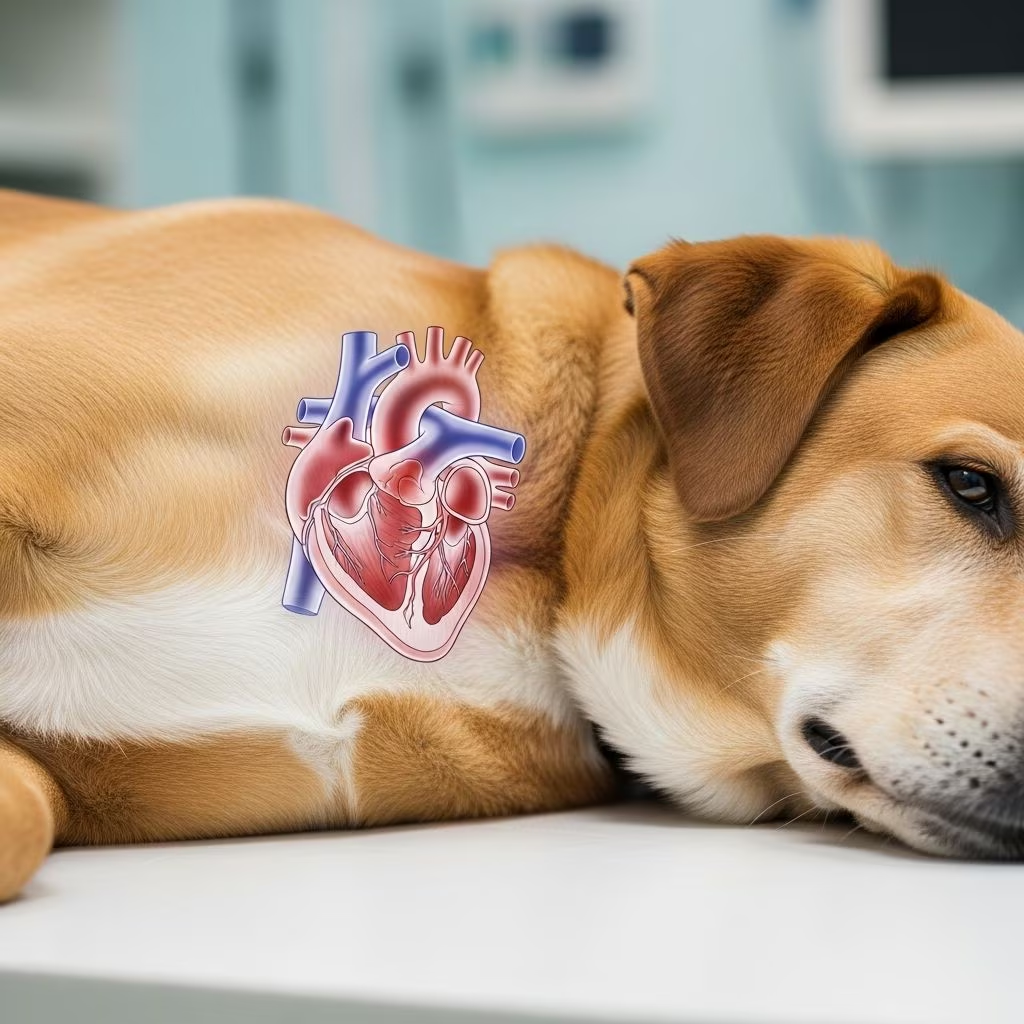
Heart conditions represent a significant health challenge for dogs, affecting their ability to pump blood effectively and maintain overall vitality. These issues range from congenital defects present at birth to acquired diseases that develop over time, often linked to age, breed, or environmental factors. Recognizing early indicators and pursuing timely veterinary intervention can substantially extend a dog’s lifespan and enhance daily comfort. This guide delves into the nature of these disorders, observable signs, diagnostic approaches, and proven management techniques, empowering owners to support their pets proactively.
Common Forms of Heart Disease in Dogs
Dogs experience various cardiac issues, each with distinct characteristics and implications. Understanding these helps in early identification and tailored care.
- Dilated Cardiomyopathy (DCM): This condition involves weakening and enlargement of the heart muscle, impairing its pumping efficiency. It predominantly impacts large and giant breeds, leading to inadequate blood circulation throughout the body.
- Mitral Valve Disease (MVD): A frequent problem in small breeds, where the valve between the heart’s left chambers fails to close properly, causing blood leakage and eventual heart strain.
- Congenital Defects: Issues like pulmonic stenosis, subaortic stenosis (SAS), and ventricular septal defects (VSD) arise from abnormal heart development. Pulmonic stenosis narrows the pulmonary valve, while SAS thickens the outflow tract, both potentially leading to right-sided heart enlargement.
- Myocardial and Pericardial Disorders: Myocardial disease stiffens heart muscles, reducing efficiency, whereas pericardial disease involves fluid accumulation around the heart, compressing it and hindering function.
These conditions often progress silently until advanced stages, underscoring the need for routine health checks, especially in predisposed breeds.
Recognizing Warning Signs
Early detection hinges on spotting subtle behavioral and physical changes. Owners should monitor their dogs closely, particularly during rest or light activity.
| Early Indicators | Advanced Symptoms |
|---|---|
| Increased resting respiratory rate | Persistent coughing with breathing difficulty |
| Reduced exercise tolerance | Fainting or collapsing episodes |
| Mild fatigue after short walks | Abdominal swelling from fluid buildup |
| Occasional panting | Loss of appetite and extreme weakness |
| Subtle cough | Blue-tinged gums indicating oxygen deprivation |
Symptoms like coughing stem from fluid in the lungs (pulmonary edema), a hallmark of congestive heart failure, while fainting signals inadequate blood flow to the brain. Abdominal distention often points to right-sided failure, where fluid accumulates in the belly. Tracking resting respiratory rates—ideally under 30 breaths per minute—serves as a practical home monitoring tool.
Factors Influencing Heart Health
Several elements contribute to the onset and severity of canine heart conditions.
- Breed Predisposition: Small dogs like Cavalier King Charles Spaniels face higher MVD risks, while breeds such as Dobermans and Great Danes are prone to DCM.
- Age and Lifestyle: Middle-aged to senior dogs are most affected by acquired diseases; obesity exacerbates strain on the heart.
- Secondary Causes: Heartworms obstruct blood flow, thyroid imbalances alter heart rates, parvovirus damages muscle tissue, bacterial infections inflame valves, and nutritional gaps—like taurine or selenium deficiencies—compromise muscle integrity. Recent concerns link certain grain-free diets to DCM, prompting ongoing research.
Preventive measures include heartworm prevention, balanced nutrition, weight management, and regular veterinary exams.
Diagnostic Processes
Veterinarians employ a multi-step approach to confirm heart disease and assess severity.
- Physical Examination: Listening for murmurs, irregular rhythms, or abnormal lung sounds.
- Imaging: Chest X-rays reveal heart enlargement and fluid; echocardiography visualizes structure and function, identifying valve issues or chamber dilation.
- Electrocardiography (ECG): Detects arrhythmias.
- Blood Tests: Evaluate thyroid function, organ health, and markers like troponin for muscle damage.
- Advanced Procedures: Cardiac catheterization measures pressures or performs balloon valvuloplasty for stenosis.
Occult stages—pre-symptomatic—may only show via imaging, allowing preemptive treatment.
Treatment and Management Strategies
While cures are rare, interventions aim to alleviate symptoms, enhance heart function, and prevent progression. Goals include minimizing muscle damage, controlling fluid, optimizing circulation, stabilizing rhythms, ensuring oxygenation, and averting clots.
Pharmacological Options
- Diuretics: Furosemide or spironolactone eliminate excess lung and abdominal fluid, with doses adjusted via breathing rate monitoring.
- Inodilators like Pimobendan: Boost contraction strength, dilate vessels, improving quality of life and survival.
- ACE Inhibitors: Reduce pressure and regurgitation, supporting output (e.g., enalapril).
- Positive Inotropes: Digoxin strengthens contractions and slows rates.
- Antiarrhythmics: Atenolol, sotalol, or amiodarone manage irregular beats, reducing sudden death risk.
- Vasodilators: Sildenafil treats pulmonary hypertension.
Interventional and Surgical Methods
For congenital issues, balloon valvuloplasty effectively opens narrowed valves in pulmonic stenosis. Pacemakers aid severe bradyarrhythmias in young dogs. Surgical VSD correction is viable pre-failure. Pericardial issues may require pericardiocentesis to drain fluid.
Lifestyle Modifications
- Low-sodium diets curb fluid retention; taurine supplements aid DCM.
- Moderate exercise prevents deconditioning without overstrain.
- Weight control lightens cardiac load.
Owners adjust medications based on symptom response, often monitoring breathing rates nightly.
Prognosis Across Stages
Outcomes vary by disease type, stage, and response to therapy.
- Early/Pre-Clinical: Medications like pimobendan delay failure, extending asymptomatics years.
- Congestive Heart Failure: Multi-drug regimens stabilize many dogs for 6-24 months or longer, improving comfort.
- End-Stage: Refractory symptoms signal limited prognosis; palliative care focuses on quality.
Beta-blockers in SAS reduce risks despite challenges. Regular cardiologist follow-ups optimize longevity.
FAQs
What breeds are most at risk for heart disease?
Small breeds for MVD (e.g., Chihuahuas), large breeds for DCM (e.g., Boxers), and others like Boxers for SAS.
Can diet prevent heart issues?
Balanced nutrition avoids deficiencies; low-sodium and taurine-rich foods support management, especially post grain-free DCM links.
How do I monitor my dog’s heart health at home?
Count resting breaths (under 30/min normal), note exercise tolerance, and watch for coughing or weakness; report changes promptly.
Is surgery common for dog heart disease?
Not routine; used for select congenital defects like valve stenosis or shunts.
What if my dog faints?
This emergency suggests arrhythmia or poor output; seek immediate veterinary care.
Preventive Care Essentials
Annual exams with ECG/echo for at-risk dogs, heartworm preventives, dental care to avoid bacterial spread, and ideal body weight form a robust defense. Nutritional vigilance counters emerging diet risks.
Heart conditions demand vigilant ownership, but with science-backed interventions, many dogs thrive beyond diagnosis. Consult veterinary cardiologists for personalized plans.
References
- Treatment of Cardiovascular Disease in Dogs — Merck Veterinary Manual. 2023. https://www.merckvetmanual.com/dog-owners/heart-and-blood-vessel-disorders-of-dogs/treatment-of-cardiovascular-disease-in-dogs
- Heart Disease – Dogs — Tufts University Cummings School of Veterinary Medicine. 2023. https://vet.tufts.edu/foster-hospital-small-animals/specialty-services/cardiology/heartsmart/heart-disease-dogs
- Early Signs of Heart Disease in Dogs — Wedgewood Pharmacy. 2023. https://www.wedgewood.com/blog/early-signs-of-heart-disease-in-dogs/
- Congestive Heart Failure in Dogs: Prognosis & Treatment — Atlantic Coast Veterinary. 2023-12-15. https://www.atlanticcoastvet.com/site/blog-long-island-vet/2023/12/15/congestive-heart-failure-dogs
- Heart Disease in Dogs — PetMD. 2023. https://www.petmd.com/dog/conditions/cardiovascular/heart-disease-dogs
- Heart Disease in Dogs — VCA Animal Hospitals. 2023. https://vcahospitals.com/know-your-pet/heart-disease-in-dogs



