

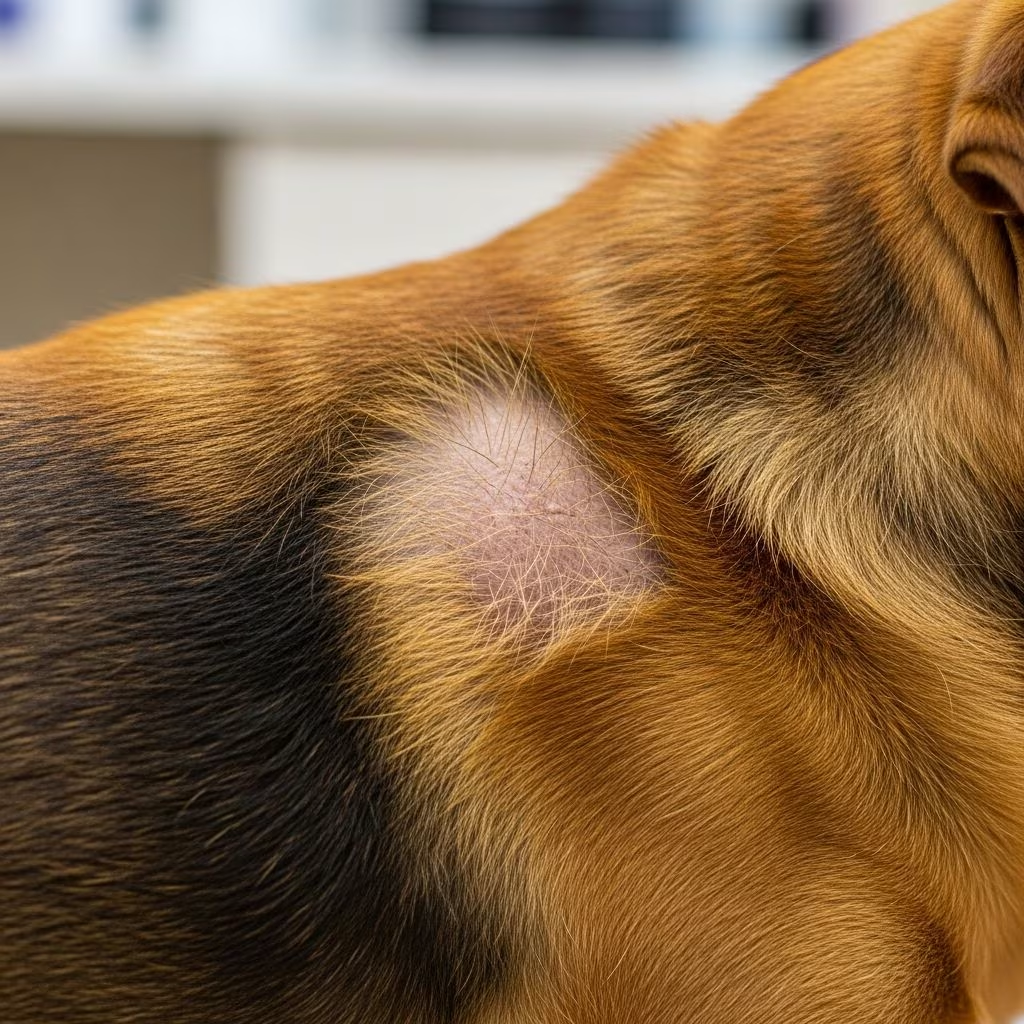
Hair loss in dogs, medically termed alopecia, represents one of the most frequent reasons pet owners seek veterinary care. While the sight of excessive shedding or bald patches can be concerning, understanding the underlying mechanisms and potential causes enables both veterinarians and dog owners to pursue appropriate diagnostic and therapeutic strategies. This comprehensive guide explores the multifaceted nature of canine alopecia, examining everything from inflammatory skin conditions to hormonal imbalances that may contribute to hair loss.
Understanding the Two Primary Categories of Canine Hair Loss
Veterinary dermatologists classify alopecia into two fundamental categories based on the presence or absence of skin inflammation. This distinction serves as the foundation for determining diagnostic pathways and appropriate treatment protocols.
Inflammatory alopecia occurs when the immune system or infectious agents trigger visible inflammation of the skin. Dogs with inflammatory hair loss typically develop focal or multifocal asymmetric patches where hair is lost, and these areas frequently display accompanying pruritus or itching. The dog may scratch, lick, or chew at the affected regions, intensifying the hair loss and potentially introducing secondary bacterial infections.
Noninflammatory alopecia presents differently, manifesting as generalized or bilaterally symmetric hair loss patterns without significant pruritus in most cases. The skin may appear clinically normal despite notable hair shedding. This category encompasses conditions ranging from hereditary follicular abnormalities to systemic endocrine disturbances that disrupt normal hair growth cycles.
Infectious and Parasitic Contributors to Hair Loss
Among the most treatable causes of inflammatory alopecia are infections and parasitic infestations. These conditions directly affect hair follicles and surrounding skin, triggering immune responses that result in hair loss.
- Bacterial infections often penetrate compromised skin barriers, causing folliculitis that manifests as pustules, crusts, and focal hair loss. Secondary bacterial infections frequently complicate primary dermatological conditions.
- Fungal infections, particularly dermatophytosis (ringworm), create characteristic circular patches of hair loss with scale and inflammation, though some infected dogs display minimal clinical signs while remaining contagious to other animals and humans.
- Yeast overgrowth develops in warm, moist skin environments or in dogs with underlying immune dysfunction, producing red, itchy areas that may progress to hair loss if left untreated.
- Mite infestations including Demodex and Sarcoptes species cause severe inflammation and hair loss. Demodicosis occurs when naturally present Demodex mites proliferate excessively, while Sarcoptic mange results from contagious mite transmission.
- External parasites such as fleas, lice, and ticks create localized trauma through feeding and biting, leading to focal alopecia. Flea allergy dermatitis develops in sensitized dogs where even minimal flea exposure triggers pronounced inflammatory responses disproportionate to the actual parasite burden.
Allergic and Hypersensitivity Reactions
Allergic mechanisms represent substantial contributors to canine hair loss, operating through multiple pathways. Environmental or atopic dermatitis develops when dogs inhale or contact allergens present in their surroundings, triggering systemic allergic responses. Common environmental triggers include pollen, dust mites, mold spores, and grass. These allergies often show seasonal patterns or persist year-round depending on the specific allergens involved.
Food allergies constitute another significant category, with certain protein sources, grains, or additives triggering adverse immune responses manifested as itching and secondary hair loss. Dogs with food allergies typically cannot be treated by seasonal avoidance alone and require dietary modification to achieve relief.
Insect-induced allergies extend beyond direct parasitic damage to include systemic allergic reactions to insect saliva, venom, or body proteins. Reactions to bee stings, wasp stings, spider bites, and mosquito bites can produce localized or generalized inflammation accompanied by hair loss.
Endocrine Disorders Affecting Hair Growth
Hormonal imbalances represent predominant causes of noninflammatory hair loss, with the endocrine system directly controlling hair growth cycle regulation. Hypothyroidism, characterized by insufficient thyroid hormone production, commonly manifests as bilateral symmetric alopecia, particularly along the trunk and rear limbs. Affected dogs may simultaneously experience weight gain, lethargy, and secondary skin infections despite the primarily noninflammatory hair loss presentation.
Cushing’s disease, resulting from excessive cortisol production, similarly produces generalized or symmetric hair loss alongside skin fragility, excessive thirst, and urination. The prolonged elevation of glucocorticoid hormones disrupts normal hair cycle progression and impairs immune function.
Sex hormone imbalances arising from testicular tumors, ovarian cysts, or exogenous hormone exposure can precipitate hair loss. Female dogs may exhibit enlarged vulvas and irregular estrus cycles, while males may develop gynecomastia alongside coat abnormalities. Interestingly, exposure to human hormone replacement therapy products through direct contact with an owner’s skin has documented potential to induce canine alopecia, highlighting the permeable nature of the canine integument.
Genetic Predispositions and Breed-Specific Conditions
Certain breeds demonstrate genetic predispositions to specific alopecia patterns, with inheritance patterns varying from simple recessive traits to complex polygenic influences. Color dilution alopecia particularly affects dogs with blue or fawn coat colors, including Dobermans, Weimaraners, and blue-colored pit bulls. This condition causes progressive thinning in dilute-colored coat regions while typically sparing darker areas.
Seasonal flank alopecia predominantly affects boxers, bulldogs, and schnauzers, producing recurrent hair loss on the flanks typically during fall and winter months. Affected dogs spontaneously regrow hair during spring and summer, demonstrating a cyclical pattern unresponsive to most therapeutic interventions.
Breed predispositions also exist for other conditions: collies and shelties face elevated risk for dermatomyositis, an inherited inflammatory disorder causing facial and leg hair loss alongside scarring and muscle wasting. Parson Russell terriers, Yorkshire terriers, Maltese, and Chihuahuas show overrepresentation in ischemic dermatopathy, wherein impaired vascular perfusion to hair follicles results in atrophy and loss.
Alopecia X: The Idiopathic Hair Loss Syndrome
Alopecia X represents a distinct clinical entity characterized as a noninflammatory, progressive, acquired hair loss condition that is not hereditary despite its potential genetic components. Newer research theories propose that complex interactions between extrinsic hormonal factors and intrinsic hair follicle characteristics, including specific hormone receptors and cytokines, contribute to this condition’s development.
The syndrome typically presents as progressive bilateral symmetric hair loss that leaves the skin appearing clinically normal and nonpruritic. Dogs remain systemically healthy, with hair loss representing primarily a cosmetic concern. Treatment options include melatonin supplementation, which demonstrates positive responses in approximately 30-40% of affected dogs, though quality variations among supplements necessitate veterinary guidance in product selection.
Microneedling represents an alternative approach, wherein a veterinary dermatologist creates controlled microtrauma to skin using a dermaroller device, theoretically stimulating hair follicles to exit resting phases. However, this procedure requires sedation or general anesthesia due to associated discomfort. Hormonal therapies and castration of intact males have also shown efficacy in certain cases, though response rates vary considerably among individuals.
Behavioral, Nutritional, and Environmental Factors
Beyond infectious, allergic, and endocrine causes, multiple environmental and behavioral factors contribute to canine hair loss. Anxiety, stress, and underlying pain or discomfort frequently manifest as excessive self-licking or chewing, producing traumatic alopecia in focal regions. Dogs experiencing these emotional or physical stressors require comprehensive evaluation to identify root causes, as symptomatic treatment of resulting hair loss proves ineffective without addressing underlying issues.
Nutritional deficiencies arising from poor-quality diets or inadequate caloric intake compromise hair coat integrity and increase susceptibility to various dermatological conditions. Friction-induced alopecia develops beneath tight collars, harnesses, or ill-fitting clothing, with continuous rubbing causing localized hair loss and potential subsequent infection.
Environmental triggers including exposure to dirt, heat, and excess moisture create conditions favoring bacterial overgrowth, yeast proliferation, and skin maceration. Chemical exposure, burns, and radiation therapy can produce focal or generalized hair loss depending on the nature and extent of damage to hair follicles and surrounding tissue.
Iatrogenic Causes: Medication and Treatment-Related Hair Loss
Various medications and therapeutic interventions paradoxically produce alopecia as an adverse effect. Prolonged systemic glucocorticoid administration causes iatrogenic hyperadrenocorticism, manifesting identically to naturally occurring Cushing’s disease with associated hair loss. Certain chemotherapeutic agents including doxorubicin, cyclophosphamide, and 5-fluorouracil induce anagen effluvium, particularly affecting breeds with anagen-dominant hair cycles. Topical insecticides applied for parasite control occasionally trigger localized reactions manifesting as focal alopecia at application sites.
Diagnostic Approach to Canine Hair Loss
Accurate diagnosis demands systematic evaluation combining detailed history, thorough physical examination, and targeted diagnostic testing. Veterinarians typically begin by gathering comprehensive patient signalment, including breed, age, age at onset of hair loss, and coat color, all of which provide valuable differential diagnostic information.
The clinical presentation pattern provides crucial diagnostic clues: inflammatory versus noninflammatory appearance, focal versus generalized distribution, symmetric versus asymmetric patterns, and presence or absence of pruritus help narrow the differential diagnosis considerably. Physical examination includes assessment of skin texture, color, odor, and presence of secondary lesions such as pustules, crusts, scales, or excoriations.
Diagnostic procedures may include fungal culture to identify dermatophytes, skin scrapings to detect mites, bacterial culture from pustules, cytology examining cells from affected skin, and dermatohistopathology whereby skin biopsy samples undergo microscopic examination by pathologists. Blood work including thyroid hormone panels, ACTH stimulation tests, and general chemistry and hematology panels helps identify endocrine and systemic contributors.
Treatment Strategies Across Alopecia Categories
Treatment approaches vary significantly based on underlying etiology. Infectious causes typically respond to antimicrobial therapy tailored to culture results, whether antibacterial, antifungal, or antiparasitic agents. Medicated shampoos, topical treatments, and therapeutic dips provide adjunctive benefits, particularly when used consistently as directed.
Allergic conditions require allergen identification and avoidance when feasible, though this proves impossible for airborne environmental allergens. Medications including cyclosporine, antihistamines, and immunomodulatory agents provide symptomatic relief. Hypoallergenic, limited-ingredient, or hydrolyzed protein diets warrant trial periods of 8-12 weeks when food allergies are suspected, as dietary changes require extended implementation to demonstrate effectiveness.
Endocrine disorders necessitate specific hormone replacement or suppression therapy. Hypothyroid dogs benefit from levothyroxine supplementation, while Cushing’s disease management involves trilostane or mitotane to reduce excessive cortisol production. Sex hormone-related alopecia may resolve following removal of hormone-secreting tumors or discontinuation of exogenous hormone exposure.
Behavioral alopecia management involves identifying and addressing underlying anxiety or pain, potentially incorporating behavioral modification, anti-anxiety medications, and calming supplements such as Solliquin. Supportive care including regular flea control, optimal nutrition, and environmental management provides baseline intervention for all alopecia cases.
Frequently Asked Questions About Canine Hair Loss
- Can alopecia in dogs be contagious to other animals or humans?
- Contagiousness depends on the underlying cause. Fungal dermatophytes causing ringworm spread readily to other pets and humans through direct contact or contaminated environments. Parasitic mites like Sarcoptes also transmit between animals, though transmission to humans is rare. Most other causes including allergies, endocrine conditions, and inflammatory alopecia are not contagious.
- Will my dog’s hair always grow back after treatment?
- Hair regrowth depends on the underlying condition severity and duration. Most infectious and parasitic alopecia cases result in complete hair regrowth following successful treatment. Endocrine-related hair loss typically demonstrates regrowth once hormone levels normalize, though this process requires weeks to months. Some genetic or idiopathic conditions may show incomplete or no regrowth despite treatment.
- How long does treatment take to show results?
- Timeline varies considerably. Infectious causes may show improvement within 2-4 weeks of appropriate therapy. Allergic conditions require 4-8 weeks to demonstrate symptomatic improvement. Endocrine conditions typically require 4-12 weeks for noticeable hair regrowth after hormone levels stabilize. Nutritional improvements and behavioral modification similarly require extended periods for visible coat improvement.
Prevention and Long-Term Management
Preventive measures substantially reduce alopecia incidence. Year-round flea and tick prevention protects against parasitic alopecia and associated diseases. Maintaining high-quality nutrition supports optimal skin and coat health, providing foundational protection against various dermatological conditions. Regular grooming facilitates early detection of skin abnormalities, enabling prompt veterinary intervention. Minimizing environmental stressors and providing adequate exercise and mental stimulation reduce anxiety-related alopecia risk.
Dogs with histories of allergies benefit from environmental modification, dietary management, and prophylactic medication during high-risk periods. Breed-predisposed conditions may not be entirely preventable but can be managed effectively through regular veterinary monitoring and prompt intervention when early signs appear.
References
- Understanding and Treating Canine Alopecic Dermatoses — Today’s Veterinary Practice. 2024. https://todaysveterinarypractice.com/dermatology/understanding-and-treating-canine-alopecic-dermatoses/
- Hair Loss (Alopecia) in Dogs – Dog Owners — Merck Veterinary Manual. 2024. https://www.merckvetmanual.com/dog-owners/skin-disorders-of-dogs/hair-loss-alopecia-in-dogs
- Hair Loss in Dogs: Causes, Symptoms, and Treatment — PetMD. 2024. https://www.petmd.com/dog/conditions/skin/hair-loss-dogs-causes-symptoms-and-treatment
- Alopecia X in Dogs: Signs, Symptoms, Treatment — American Kennel Club. 2024. https://www.akc.org/expert-advice/health/alopecia-x-in-dogs/
- Alopecia X in Dogs (Hair Cycle Arrest) — MedVet. 2024. https://www.medvet.com/alopecia-x-in-dogs-hair-cycle-arrest/
- Alopecia Areata in a Dog: Clinical, Dermoscopic and Histological Findings — National Center for Biotechnology Information. 2018. https://pmc.ncbi.nlm.nih.gov/articles/PMC5939680/



