
Canine Gut Woes: Complete Guide To Symptoms, Causes, Treatment
Uncover the signs, triggers, and solutions for digestive troubles in dogs to keep your furry friend happy and healthy.
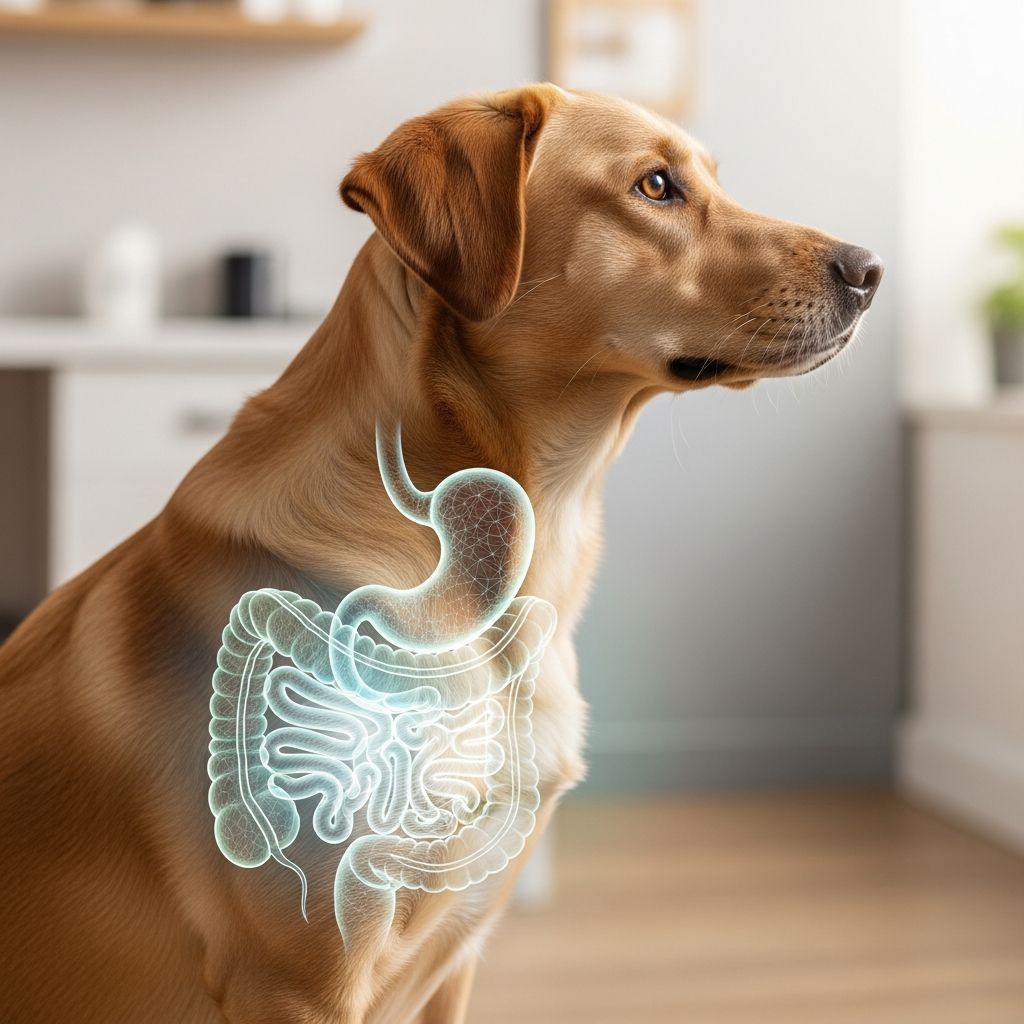
Dogs frequently encounter problems with their digestive systems, which can range from mild discomfort to life-threatening emergencies. Understanding these issues helps pet owners respond promptly and effectively.
Spotting the Warning Signals
Recognizing early indicators of digestive distress is crucial for timely intervention. Common symptoms include repeated vomiting, loose stools or diarrhea, loss of interest in food, noticeable abdominal discomfort, excessive drooling, and signs of dehydration like dry gums.
- Vomiting: Can be acute or chronic; may contain food, bile, or blood.
- Diarrhea: Varies from watery to bloody; small frequent bouts suggest large intestine involvement.
- Appetite Changes: Refusal to eat or sudden overeating despite weight loss.
- Pain Indicators: Whining, hunched posture, or reluctance to move.
- Other Signs: Gas, belching, fever, or straining during defecation.
These symptoms often pinpoint the affected area: mouth or esophagus issues show as swallowing difficulties, while stomach problems lead to immediate vomiting after drinking.
Primary Culprits Behind Digestive Upsets
Diverse factors contribute to canine gut problems, from everyday dietary slips to severe infections.
| Cause Category | Examples | Common Impact |
|---|---|---|
| Dietary | Sudden food switches, allergens like chicken or beef, eating too quickly | Vomiting, diarrhea, skin issues |
| Infectious | Bacteria, viruses, parasites (worms) | Diarrhea, weight loss |
| Foreign Objects | Toys, socks, bones | Obstruction, severe vomiting |
| Systemic | Pancreas or liver disorders, medications | Chronic symptoms |
Puppies and older dogs face higher risks due to immature or weakened immunity.
Acute Stomach and Intestinal Inflammation
Sudden onset inflammation, known as gastritis or gastroenteritis, tops the list of frequent GI complaints. Gastritis inflames the stomach lining, causing vomiting and lethargy, while gastroenteritis extends to intestines, adding diarrhea.
Treatment starts with withholding food for 12-24 hours, then introducing bland meals like boiled rice and chicken. Veterinary care may include anti-nausea drugs and fluids.
Bloody Diarrhea: Hemorrhagic Gastroenteritis Explained
This alarming condition strikes healthy dogs abruptly with bloody stools and vomiting, hitting small breeds like Yorkshire Terriers hardest.
Dehydration escalates quickly to shock, demanding immediate vet support with IV fluids. Most recover fully with prompt care.
Pancreas Problems: Acute and Chronic Forms
Pancreatitis involves pancreatic inflammation from early enzyme activation, leading to tissue damage. Acute cases bring intense pain, vomiting, and fever; chronic ones cause ongoing diarrhea and weight loss.
High-fat meals, obesity, and breeds like Miniature Schnauzers increase risk. Management includes hospitalization, pain relief, and low-fat diets.
Enzyme Deficiencies and Malabsorption
Exocrine Pancreatic Insufficiency (EPI) means insufficient digestive enzymes, common in German Shepherds, resulting in greasy diarrhea and poor weight gain despite ravenous hunger.
Malabsorption broadly impairs nutrient uptake, showing as chronic loose stools, muscle wasting, and coprophagia. Underlying issues like IBD or infections need addressing via diet changes and supplements.
Life-Threatening Bloat and Obstructions
Gastric Dilatation-Volvulus (GDV or bloat) terrorizes deep-chested giants like Great Danes. The stomach swells with gas and twists, cutting circulation—survival hinges on surgery within hours.
Obstructions from swallowed items block the tract, causing persistent vomiting and pain. Surgery often resolves them, especially in curious young large breeds.
Colitis and Chronic Bowel Inflammation
Colitis inflames the colon, producing mucus-laden, bloody, urgent small-volume diarrhea. Chronic versions tie to IBD, with intermittent symptoms worsening over time.
Anti-inflammatories, diet trials with novel proteins, and probiotics aid control.
Diagnostic Approaches for Accurate Care
Vets use history, physical exams, and tests like fecal analysis, bloodwork, ultrasounds, or endoscopies to diagnose.
- Fecal tests for parasites.
- Blood panels for organ function and dehydration.
- Imaging to detect blockages or bloat.
- Biopsies for IBD confirmation.
Treatment Strategies Tailored to the Issue
Supportive care forms the backbone: fluids for hydration, anti-emetics for nausea, and antibiotics if infection lurks.
Surgery intervenes for obstructions or GDV. Chronic cases demand lifelong enzyme powders or hypoallergenic foods.
Prevention: Keeping Your Dog’s Gut in Top Shape
Proactive steps minimize risks:
- Foster gradual diet transitions over 7-10 days.
- Select quality, breed-appropriate foods low in common allergens.
- Deworm quarterly and use flea preventives.
- Feed multiple small meals; skip vigorous play post-eating for bloat-prone dogs.
- Exercise regularly to aid motility and reduce stress.
Supplements like probiotics support microbiome balance, especially after antibiotics.
When to Rush to the Vet
Act fast if your dog shows bloody vomit/stools, extreme lethargy, pale gums, bloating, or unrelenting pain—these signal emergencies.
Frequently Asked Questions (FAQs)
What causes sudden vomiting in dogs?
Often dietary indiscretion, infections, or toxins; persistent cases warrant vet evaluation.
Can food allergies cause chronic diarrhea?
Yes, proteins like beef or dairy trigger ongoing gut inflammation; elimination diets confirm.
How do I prevent bloat in my large breed dog?
Use slow-feed bowls, divide meals, and consider gastropexy surgery for high-risk breeds.
Is home treatment safe for diarrhea?
Mild cases may resolve with fasting and bland food, but monitor closely—vet care if lasting over 24 hours.
What role do probiotics play in dog digestion?
They restore beneficial bacteria, aiding recovery from antibiotics or stress-induced imbalances.
References
- Common gastrointestinal disorders in dogs: A comprehensive overview — Canine Ctar. Accessed 2026. https://caninectar.com/blogs/news/common-gastrointestinal-disorders-in-dogs-a-comprehensive-overview
- Most Common Digestive Issues in Dogs and How to Relieve Them — Tranimal Hospital. Accessed 2026. https://www.tranimalhospital.com/articles/general/624556-most-common-digestive-issues-in-dogs-and-how-to-relieve-them
- Disorders of the Stomach and Intestines in Dogs — Merck Veterinary Manual. 2023-02-24. https://www.merckvetmanual.com/dog-owners/digestive-disorders-of-dogs/disorders-of-the-stomach-and-intestines-in-dogs
- Upset Stomach in Dogs: Signs and What To Do — PetMD. Accessed 2026. https://www.petmd.com/dog/conditions/digestive/upset-stomach-dogs
- Healthy Hounds: Vet’s Guide to Dog Digestive Health — Vets Love Pets. Accessed 2026. https://vetslovepets.com.au/blogs/dog/dog-digestive-health-tips
- Introduction to Digestive Disorders of Dogs — Merck Veterinary Manual. 2023-02-24. https://www.merckvetmanual.com/dog-owners/digestive-disorders-of-dogs/introduction-to-digestive-disorders-of-dogs
Similar Articles








Read full bio of medha deb




