

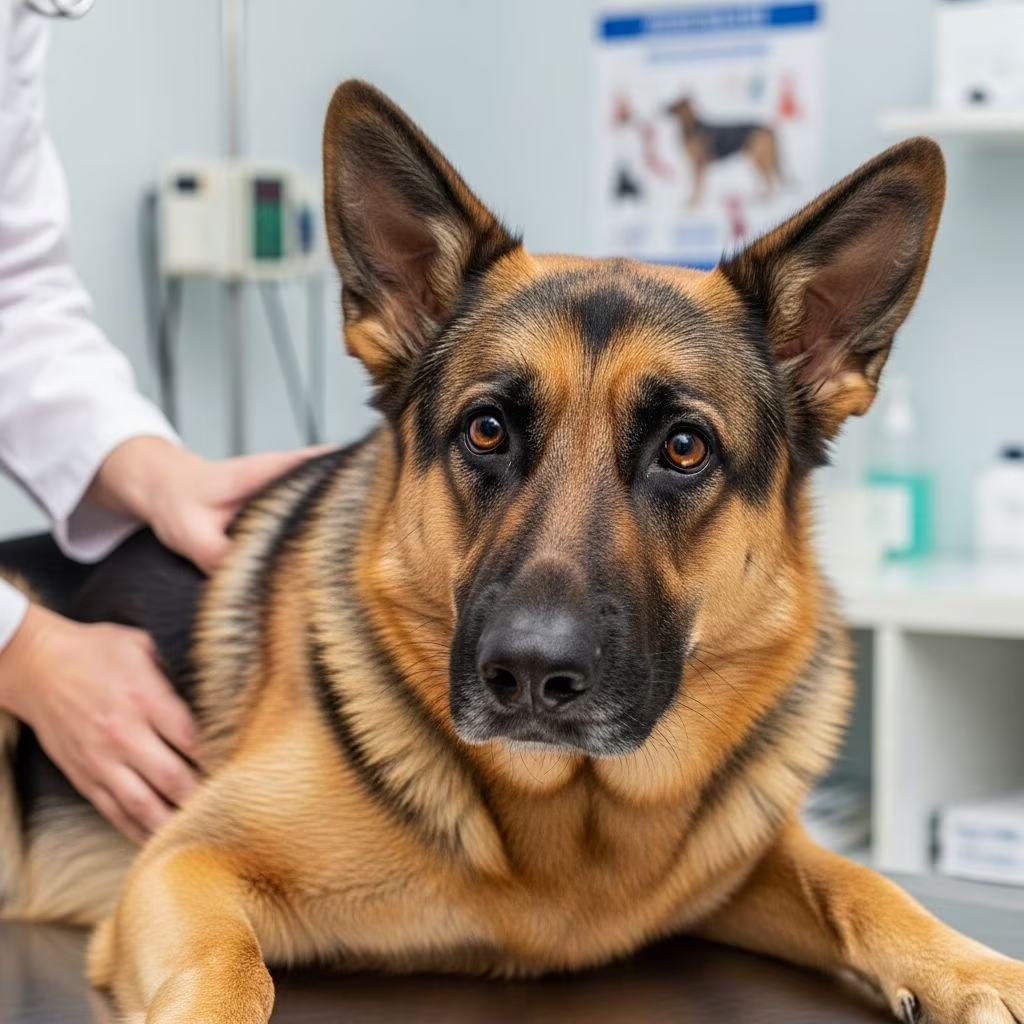
The digestive system in dogs is a complex network responsible for breaking down food, absorbing vital nutrients, and eliminating waste, much like in humans but adapted for their carnivorous heritage. This long tube from mouth to anus processes meals efficiently, yet disruptions are common due to diet changes, infections, or stress. Understanding these issues empowers owners to act swiftly, preventing escalation into serious conditions.
Overview of the Dog’s Digestive Anatomy
Dogs possess a specialized gastrointestinal tract optimized for high-protein diets. It begins in the mouth, where teeth grasp and saliva lubricates food, lacking the starch-digesting enzymes found in human saliva. Food then travels via the esophagus—a muscular tube about 15-18 inches long in medium dogs—using peristaltic waves to reach the stomach without chewing required extensively.
The stomach, expandable to store large meals—a trait from wolf ancestors—holds food for 4-8 hours, secreting acids and enzymes for initial protein breakdown into chyme, a semi-liquid mash. Protective mucus shields its lining from self-digestion. The small intestine follows, divided into duodenum (receiving bile and pancreatic juices), jejunum (main absorption site with villi and microvilli), and ileum. Here, nutrients enter the bloodstream while bile emulsifies fats.
The large intestine reabsorbs water and electrolytes, ferments fiber via bacteria, producing short-chain fatty acids for colon health, and forms feces stored in the rectum before expulsion. Accessory organs like liver, gallbladder, and pancreas are crucial: liver produces bile, pancreas supplies enzymes and bicarbonate to neutralize acids. Disruptions anywhere along this path can lead to problems.
Common Signs Your Dog’s Digestion Is Off
Recognizing early symptoms prevents complications. Watch for:
- Vomiting: Expelling stomach contents, from occasional to frequent, often with bile or foam.
- Diarrhea: Loose, watery stools varying in frequency and odor, potentially bloody.
- Appetite loss: Refusal to eat, linked to nausea or pain.
- Weight reduction: Unexplained loss from malabsorption.
- Abdominal discomfort: Whining, bloating, or hunching.
- Flatulence: Excessive gas from fermentation issues.
- Dehydration: Indicated by dry gums or sunken eyes.
These signs stem from the tract’s functions: poor motility, inflammation, or microbial imbalance. Acute episodes may resolve, but chronic ones demand veterinary input.
Acute Diarrhea: Quick Disruptions and Fixes
Sudden loose stools affect many dogs yearly, often from dietary indiscretion like scavenging. Causes include infections (bacterial like Salmonella, viral like parvovirus), toxins, or rapid food switches. Small intestine diarrhea is voluminous and watery; large intestine type is frequent with mucus.
Treatment starts with fasting 12-24 hours to rest the gut, followed by bland diets like boiled chicken and rice. Probiotics restore flora balance. Hydration via electrolyte solutions is key. Severe cases need vet care for anti-diarrheals, fluids, or antibiotics. Prevention: gradual diet transitions, parasite control.
Chronic Diarrhea: When It Lingers
Persisting over weeks signals deeper issues like food allergies, inflammatory bowel disease (IBD), exocrine pancreatic insufficiency (EPI), or parasites (giardia). Small bowel causes large volumes; colon issues small amounts with urgency. Diagnosis involves fecal tests, bloodwork, imaging, or endoscopy.
Management includes hydrolyzed protein diets, immunosuppressants for IBD, enzyme supplements for EPI. Fiber additives firm stools in colitis. Long-term monitoring ensures nutrient uptake.
Food Allergies vs. Intolerances
Allergies trigger immune responses to proteins (beef, dairy), causing diarrhea, itching, ear infections. Intolerances lack immunity, mimicking lactose issues. Elimination diets confirm culprits: feed novel proteins 8-12 weeks, then challenge.
Vomiting Episodes: From Mild to Serious
Unlike regurgitation (passive), vomiting is active, from gastric irritation, toxins, obstructions, or pancreatitis. Acute: withhold food, offer ice cubes. Chronic needs scoping for ulcers or masses. Anti-emetics and gastroprotectants aid recovery.
Constipation and Obstipation Challenges
Infrequent, hard stools from dehydration, low fiber, or megacolon. Add pumpkin, increase exercise, or use laxatives. Surgery for blockages.
Bloating and GDV: Life-Threatening Alerts
Gastric dilatation-volvulus twists the stomach, trapping gas—emergency. Deep-chested breeds risk it post-meals. Symptoms: unproductive retching, swollen belly. Surgery is vital.
Pancreatitis: Enzyme Overload Pain
Inflammation from fatty foods causes severe vomiting, pain. Low-fat diets prevent recurrence.
Prevention Strategies for Gut Wellness
Maintain consistent high-quality diets matching life stage. Avoid scraps. Vaccinate, deworm regularly. Probiotics support microbiome. Exercise aids motility. Annual check-ups catch issues early.
| Issue Type | Duration | Common Causes | Treatments |
|---|---|---|---|
| Acute Diarrhea | Days | Diet change, infection | Fasting, bland diet, fluids |
| Chronic Diarrhea | Weeks+ | Allergies, IBD, parasites | Special diets, meds, tests |
| Acute Vomiting | Hours-Days | Toxins, gastritis | Withhold food, anti-emetics |
| Chronic Vomiting | Weeks+ | Obstructions, IBD | Endoscopy, surgery if needed |
Frequently Asked Questions
What causes most cases of dog diarrhea?
Dietary indiscretion, infections, or stress top the list, often resolving with home care.
Is rice good for dogs with upset stomachs?
Yes, boiled white rice with lean protein soothes and binds stools temporarily.
When should I see a vet for vomiting?
If frequent, bloody, with lethargy, or lasting over 24 hours.
Can stress cause digestive problems in dogs?
Absolutely, altering motility and flora balance.
How do I transition dog food safely?
Mix old and new over 7-10 days, increasing new gradually.
Long-Term Gut Health Tips
Monitor stool quality weekly. Use prebiotics in food. Consider fecal transplants for dysbiosis. Hydration bowls encourage water intake. Age-specific needs: seniors may need digestible formulas.
In summary, proactive care keeps canine digestion robust. Swift response to signs maintains vitality.
References
- Structure and Function of the Gastrointestinal Tract in Dogs — PetPlace. Accessed 2026. https://www.petplace.com/article/dogs/pet-health/structure-and-function-of-the-gastrointestinal-tract-in-dogs
- The Canine Digestive System — Manorswood Veterinary Clinic. Accessed 2026. https://manorswoodvet.co.za/the-canine-digestive-system/
- The Canine Digestion Process — Whole Dog Journal. Accessed 2026. https://www.whole-dog-journal.com/health/digestion/the-canine-digestion-process/
- Characteristics of the Digestive Tract of Dogs and Cats — PubMed (NCBI). 2024-04-15. https://pubmed.ncbi.nlm.nih.gov/38625523/
- They Are What They Eat: The Importance of Dogs’ Digestive Systems — DogsWell. Accessed 2026. https://dogswell.com/they-are-what-they-eat-the-importance-of-dogs-digestive-systems/
- The Digestive System in Animals — Merck Veterinary Manual. Accessed 2026. https://www.merckvetmanual.com/digestive-system/digestive-system-introduction/the-digestive-system-in-animals



