

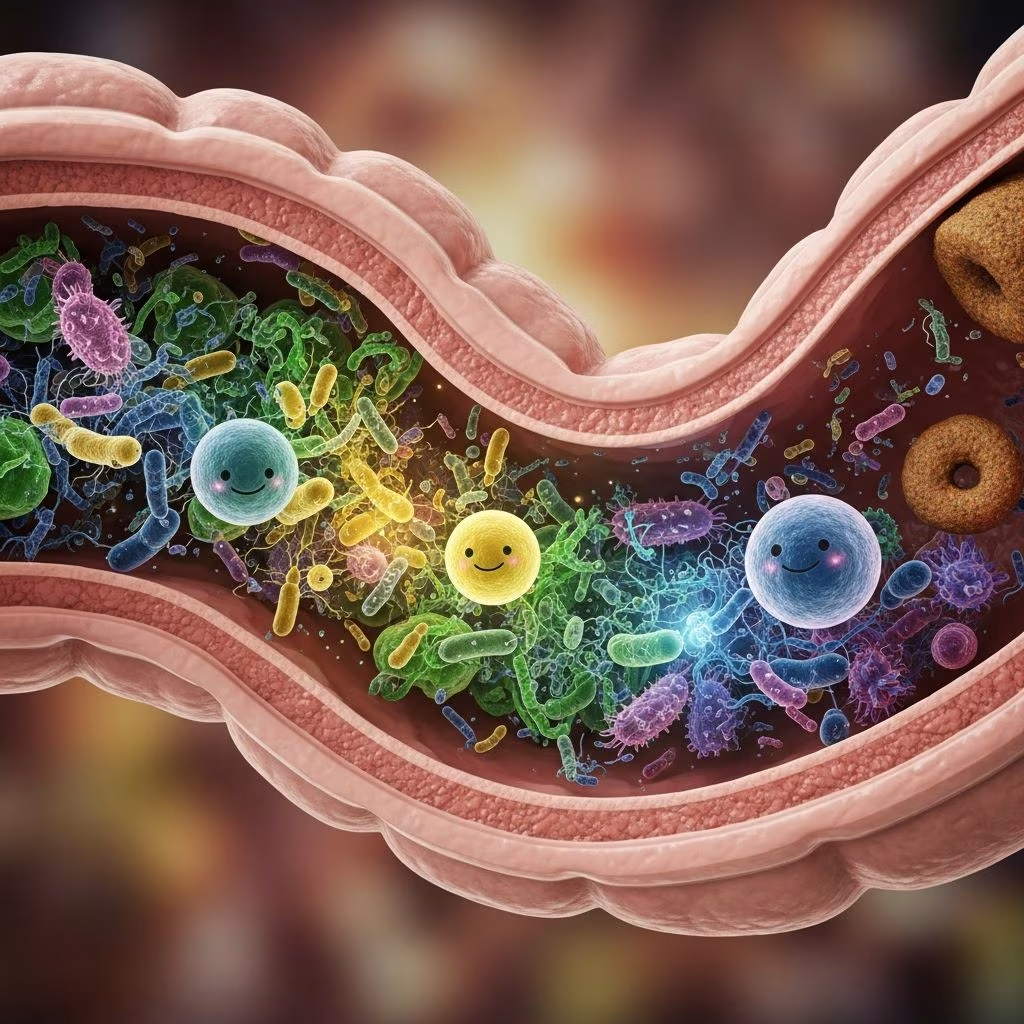
The gut microbiome in dogs consists of trillions of microorganisms that play a pivotal role in digestion, immune function, and overall well-being. These microbial communities, primarily bacteria, fungi, and viruses, interact with the host to influence nutrient absorption, pathogen defense, and even behavior through the gut-brain axis.
Composition and Natural Variations in Dogs
The canine gastrointestinal tract hosts a diverse array of microbes, with abundance increasing from the small intestine to the colon. Bacterial loads range from 102 to 1011 colony-forming units per gram of luminal content, dominated by anaerobes like Firmicutes, Bacteroidetes, Fusobacteria, and Proteobacteria.
Microbial profiles differ along the GI tract: the small intestine features lower diversity, while the colon supports richer populations. Neighboring gut segments show greater similarity in bacterial composition than distant ones, highlighting regional specificity.
- Firmicutes: Key for fermenting fibers into short-chain fatty acids (SCFAs), which lower pH and inhibit pathogens.
- Bacteroidetes: Aid in carbohydrate breakdown and energy harvest.
- Fusobacteria: More prevalent in raw-fed dogs, linked to protein metabolism.
- Proteobacteria: Often elevated in dysbiosis, associated with inflammation.
Breed size influences microbiome: large dogs exhibit higher Firmicutes and lower Proteobacteria due to prolonged digesta retention and acidic fermentation.
Factors Shaping the Dog Gut Ecosystem
Several elements modulate the canine microbiome, with diet exerting the strongest influence. Macronutrient ratios—proteins, carbs, and fibers—drive shifts in bacterial populations and fecal metabolites.
| Diet Type | Key Microbial Changes | Health Implications |
|---|---|---|
| Raw Meat-Based | Increased Fusobacteria, Clostridium; higher diversity | Better protein digestion, firmer stools |
| High-Fiber Extruded | Rise in Firmicutes; drop in Fusobacteria/Proteobacteria | Enhanced SCFA production, pathogen control |
| Commercial Kibble | Lower overall diversity | Potential for imbalances if unbalanced |
Age and growth stages also matter: puppies develop distinct profiles that mature over time, with crossbreeds showing balanced Firmicutes/Bacteroidetes ratios and beneficial genera like Blautia. Stress reduces alpha-diversity, favoring pathogens, while obesity correlates with elevated Firmicutes/Bacteroidetes ratios for efficient energy extraction.
Health Benefits from a Balanced Microbiome
A thriving gut microbiome supports multiple systems. SCFAs from fermentation nourish colonocytes, strengthen barriers, and modulate immunity. Eubiosis inhibits pathogens, aids nutrient uptake, and bolsters stress resilience via the gut-brain axis.
Clostridiaceae, central in protein metabolism, correlates positively with nutrient digestibility and firmer feces, reducing output. In cardiovascular health, SCFA-producers may mitigate myxomatous mitral valve disease (MMVD), though causality needs further study.
When Imbalance Strikes: Dysbiosis and Diseases
Dysbiosis—microbial imbalance—links to GI disorders, obesity, diabetes, and more. In inflammatory bowel disease (IBD), dogs show reduced Firmicutes/Bacteroidetes, lower diversity, and Proteobacteria overgrowth like E. coli, weakening barriers and sparking inflammation.
Obese dogs mirror human trends with Firmicutes dominance for calorie harvest. Diabetic canines exhibit altered profiles, but promoting beneficial bacteria improves inflammation and barrier function. Phobic dogs have elevated Lactobacillus, suggesting behavioral ties.
Strategies to Nurture Your Dog’s Gut Health
Dietary tweaks can restore balance. Natural or raw diets boost diversity, with meat sources enriching Clostridium perfringens and Fusobacterium varium. Fiber inclusion favors Firmicutes for SCFA production.
Probiotics, like Lactobacillus rhamnosus strains, aid weight management, IBD resolution, and diabetes control by enhancing beneficial growth and barrier integrity. Prebiotics—fibers feeding good bacteria—complement this.
- Introduce gradual diet changes to avoid shocks.
- Opt for breed/size-appropriate nutrition.
- Monitor stress, as it depletes diversity.
- Consult vets for tailored probiotics.
Emerging Research and Future Directions
Metagenomics reveals diet-microbiome links akin to humans, enabling dog models for disease studies. Breed genetics shape compositions, with crossbreeds faring better. Precision nutrition, targeting microbiomes, promises personalized care.
Longitudinal studies like the Dog Aging Project analyze microbiomes for longevity insights. Therapeutic probiotics show promise for GI ailments, obesity, and metabolic issues.
Frequently Asked Questions
What is the canine gut microbiome?
A community of microbes in the dog’s intestines crucial for digestion, immunity, and health.
How does diet affect my dog’s gut bacteria?
Raw diets increase diversity and Fusobacteria; fibers boost Firmicutes and SCFAs.
Can probiotics help dogs with IBD?
Yes, they restore balance, reduce inflammation, and strengthen gut barriers.
Does breed influence gut health?
Yes, large breeds have more Firmicutes; genetics affect diversity.
Is stress bad for a dog’s microbiome?
Absolutely—it lowers diversity and promotes pathogens.
References
- The canine gastrointestinal microbiota: early studies and research opportunities. — PMC. 2020-09-25. https://pmc.ncbi.nlm.nih.gov/articles/PMC7524387/
- Understanding the diversity and roles of the canine gut microbiome. — PMC. 2024-10-01. https://pmc.ncbi.nlm.nih.gov/articles/PMC12228404/
- The Role of the Canine Gut Microbiome and Metabolome in Health and Disease. — Frontiers in Veterinary Science. 2019-12-20. https://www.frontiersin.org/journals/veterinary-science/articles/10.3389/fvets.2019.00498/full
- Gut microbiome – the key to our pets’ health and happiness? — Animal Frontiers, Oxford Academic. 2024-09-01. https://academic.oup.com/af/article/14/3/46/7696634



