

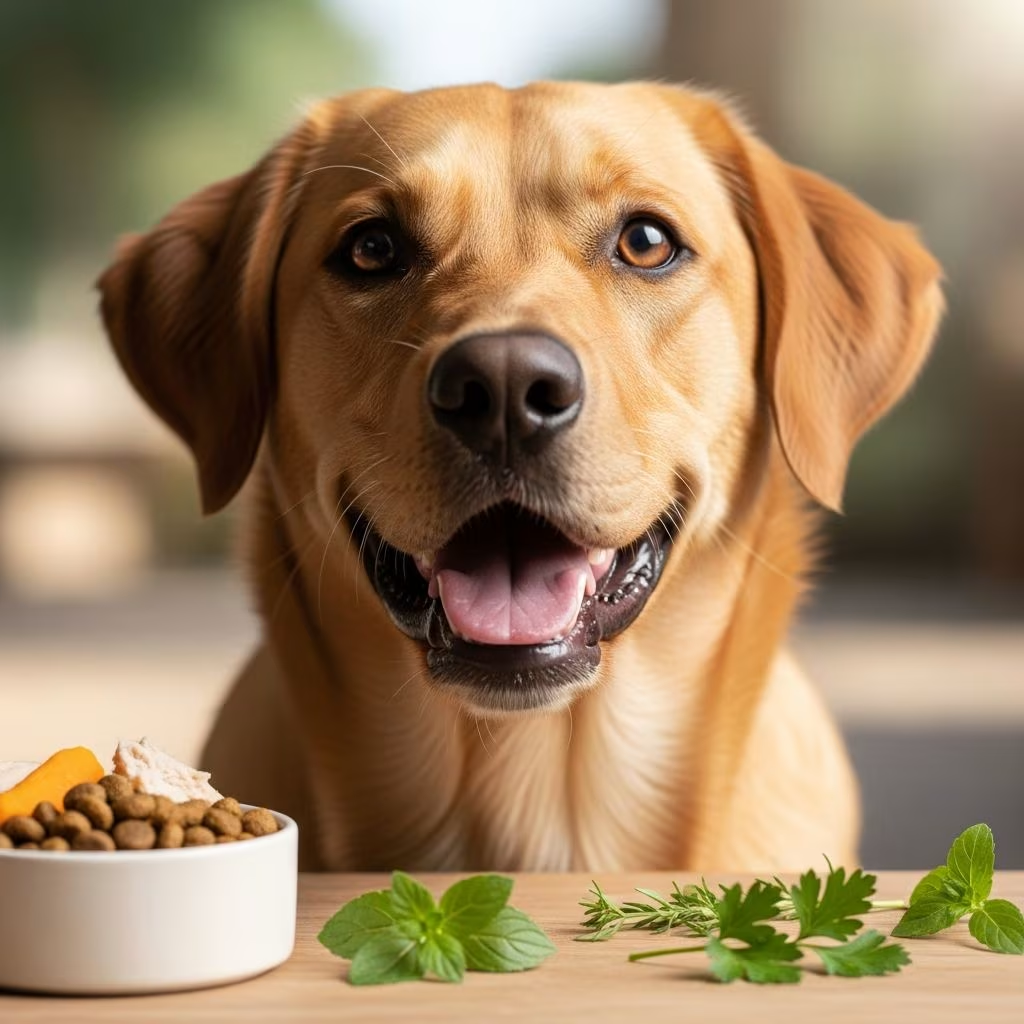
Dogs frequently encounter issues with their stomach and intestines, which can range from mild discomfort to life-threatening conditions. Understanding these problems empowers owners to act swiftly and support recovery effectively.
Spotting Trouble in Your Dog’s Digestion
Recognizing early signs of digestive distress is crucial for timely intervention. Owners often notice changes in behavior or habits that signal underlying issues.
- Vomiting: Frequent or projectile vomiting, especially with blood or bile, indicates irritation or obstruction.
- Diarrhea: Loose stools, possibly containing mucus, blood, or undigested food, point to inflammation or infection.
- Appetite Changes: Sudden refusal to eat or increased hunger despite weight loss suggests malabsorption.
- Abdominal Discomfort: Hunched posture, whining when touched, or a praying position shows pain.
- Other Indicators: Excessive gas, lethargy, dehydration signs like dry gums, or fever accompany many cases.
These symptoms can appear suddenly or develop gradually. Acute episodes might stem from dietary indiscretion, while chronic ones often involve deeper pathologies.
Primary Culprits Behind Digestive Disruptions
Numerous factors contribute to stomach and intestinal woes in canines. Identifying the root cause guides appropriate management.
Dietary Mishaps and Indiscretions
Consuming spoiled food, table scraps high in fat, or non-food items like trash frequently triggers acute upset. Fatty meals, in particular, overburden the pancreas, leading to inflammation.
Infectious Agents and Parasites
Bacteria such as Salmonella, viruses like parvovirus, and parasites including roundworms or giardia invade the gut, causing inflammation and fluid loss. Puppies and unvaccinated dogs face higher risks.
Structural and Mechanical Problems
Foreign objects like toys or bones can block intestines, while gastric dilatation-volvulus (GDV) twists the stomach in large breeds. Deep-chested dogs like Great Danes are predisposed to GDV, requiring emergency surgery.
Chronic Inflammatory Conditions
Inflammatory bowel disease (IBD) involves immune-mediated damage to the gut lining, resulting in persistent diarrhea and vomiting. It affects the stomach, small intestine, or colon variably.
| Condition | Common Breeds Affected | Key Risk Factors |
|---|---|---|
| GDV | Great Danes, Standard Poodles | Large size, deep chest, family history |
| Pancreatitis | Miniature Schnauzers, Yorkshire Terriers | High-fat diets, obesity |
| IBD | Any breed | Genetics, food sensitivities |
Navigating Diagnosis for Accurate Care
Veterinarians employ a stepwise approach to pinpoint digestive issues, starting with history and physical exams.
- Initial Tests: Fecal analysis detects parasites or bacteria; blood work assesses dehydration, organ function, and inflammation markers.
- Imaging: X-rays reveal blockages or GDV; ultrasounds evaluate pancreas and intestinal thickness.
- Advanced Procedures: Endoscopy allows biopsy for IBD confirmation; exploratory surgery removes obstructions if needed.
For suspected pancreatitis, specific blood tests measure enzyme levels. IBD diagnosis often requires ruling out infections first.
Tailored Treatment Strategies
Therapy targets the specific disorder while providing symptom relief. Supportive measures are universal.
Supportive Interventions
Hydration via IV fluids prevents organ damage from dehydration. Anti-nausea drugs like Cerenia, antacids, and pain relievers improve comfort.
Cause-Specific Remedies
- Parasites/Infections: Dewormers or antibiotics eradicate invaders.
- Pancreatitis: Fasting followed by low-fat diets, hospitalization for severe cases.
- Obstructions/GDV: Surgical correction, often with gastropexy to prevent recurrence.
- IBD: Diet trials with novel proteins or hydrolyzed formulas, probiotics, B12 injections, and immunosuppressants like metronidazole.
Bland diets of boiled chicken and rice aid recovery in mild cases. Probiotics restore gut flora balance.
Nutritional Foundations for Recovery
Diet plays a pivotal role in managing and preventing relapses. Highly digestible foods minimize irritation.
- Bland Diets: Temporary use of plain proteins and carbs eases the gut.
- Prescription Formulas: GI support diets with soluble fiber promote intestinal health.
- Specialized Options: Low-fat for pancreatitis, hypoallergenic for allergies.
- Fiber Additions: Pumpkin puree firms stools in diarrheic dogs.
Transition new foods gradually over 7-10 days to avoid setbacks.
Preventive Measures for Long-Term Wellness
Proactive steps reduce incidence of digestive troubles.
- Feed age-appropriate, high-quality diets avoiding human foods.
- Maintain vaccination and deworming schedules.
- Prevent scavenging with secure trash and supervision.
- Regular exercise combats obesity, a pancreatitis risk.
- Annual vet checkups catch issues early.
For at-risk breeds, discuss prophylactic gastropexy post-GDV scare.
Monitoring Progress and When to Worry
Recovery timelines vary: mild upsets resolve in days, chronic like IBD need lifelong management. Watch for persistent symptoms beyond 48 hours, blood in stool, or worsening pain—seek immediate care.
Post-treatment, gradual diet reintroduction and weight tracking ensure stability. Probiotics and fiber support ongoing gut integrity.
Frequently Asked Questions
What causes sudden vomiting in dogs?
Common triggers include dietary errors, infections, or toxins. Persistent cases warrant vet evaluation for obstructions or pancreatitis.
Can home remedies fix diarrhea?
Bland diets and probiotics help mild cases, but blood, dehydration, or duration over 48 hours requires professional input.
Is IBD curable in dogs?
No, but diet, meds, and supplements control it effectively for good quality of life.
How do I prevent GDV?
Feed smaller meals, avoid exercise post-eating, and consider surgery for predisposed breeds.
When is surgery needed for gut issues?
For blockages, twists like GDV, or unresponsive IBD via biopsy guidance.
Key Takeaways for Dog Owners
Prompt recognition and veterinary partnership optimize outcomes for canine digestive health. Tailored nutrition and vigilance prevent many issues.
References
- Digestive Issues in Dogs: Causes, Prevention, and Treatment — Bond Vet. 2023. https://bondvet.com/blog/digestive-issues-in-dogs-causes-prevention-and-treatment
- Upset Stomach in Dogs: Signs and What To Do — PetMD. 2023. https://www.petmd.com/dog/conditions/digestive/upset-stomach-dogs
- Gastrointestinal Issues in Pets: Symptoms and Treatments — Animal Hospital at Hill Shore. 2023. https://animalhospitalathillshore.com/gastrointestinal-issues-in-pets-symptoms-and-treatments/
- Dog Diseases – Gastrointestinal Disorders — Hill’s Pet Nutrition. 2023. https://www.hillspet.com/dog-care/healthcare/dog-gastrointestinal-and-digestive-problems
- Inflammatory Bowel Disease in Dogs — VCA Animal Hospitals. 2023. https://vcahospitals.com/know-your-pet/inflammatory-bowel-disease-in-dogs
- Inflammatory bowel disease (IBD) — Cornell University College of Veterinary Medicine. 2023. https://www.vet.cornell.edu/departments-centers-and-institutes/riney-canine-health-center/canine-health-topics/inflammatory-bowel-disease-ibd



