

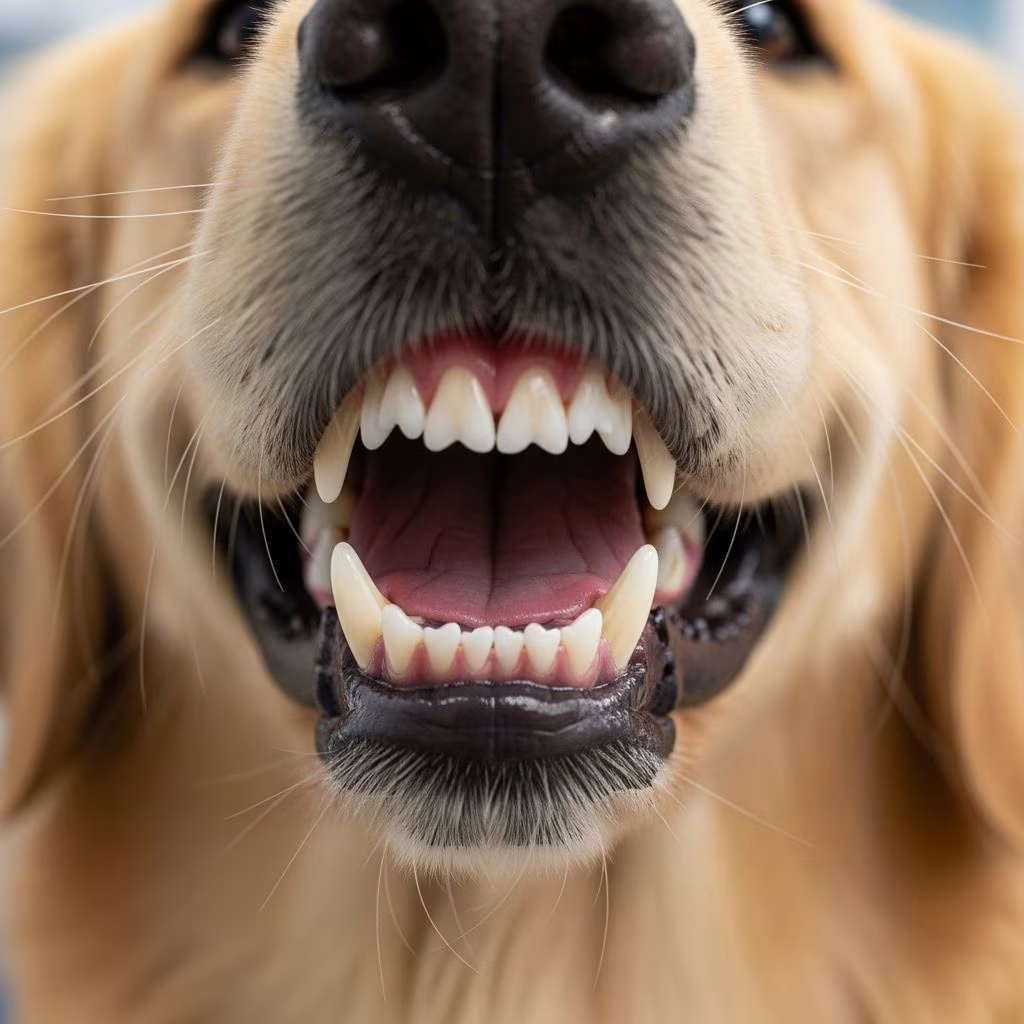
Gingivitis affects a significant portion of the canine population, yet many pet owners remain unaware of its severity or available treatment options. This progressive condition impacts not only your dog’s mouth but can lead to serious systemic health complications if left untreated. Understanding the mechanisms of gum disease and the comprehensive approach to managing it will help you maintain your dog’s oral health and overall wellbeing.
Understanding Gingivitis in Dogs
Gingivitis represents the initial stage of periodontal disease in canines, characterized by inflammation of the gums due to bacterial accumulation and plaque formation. Unlike humans, dogs cannot communicate dental discomfort effectively, making preventive care and early detection critical components of responsible pet ownership. The condition progresses when plaque hardens into tartar, creating a environment where harmful bacteria thrive beneath the gumline.
The inflammatory response triggered by bacterial toxins damages the supporting structures of teeth, potentially leading to tooth loss if progression continues unchecked. Early intervention significantly improves outcomes and prevents the condition from advancing to more severe periodontal disease, which can affect multiple organs including the heart, kidneys, and liver.
Professional Veterinary Dental Assessment and Evaluation
The foundation of any successful gingivitis treatment plan begins with a comprehensive oral evaluation performed by a veterinary professional. This assessment requires general anesthesia to allow thorough examination of all tooth surfaces, including areas below the gumline where the majority of disease occurs. Your veterinarian will evaluate the extent of plaque and tartar accumulation, assess gum recession, probe for periodontal pockets, and determine the overall health status of your dog’s dentition.
During this examination, your vet may identify underlying factors contributing to gingivitis, such as retained baby teeth, malocclusions, or oral masses that could require additional intervention. This detailed assessment guides the treatment plan and helps establish realistic expectations regarding recovery and long-term management.
Professional Cleaning Procedures and Techniques
Once the assessment is complete, professional dental cleaning represents the cornerstone of gingivitis treatment. The procedure involves removing calcified deposits that accumulate on tooth surfaces through ultrasonic scaling, which uses vibrations to dislodge stubborn tartar from the enamel. This mechanical cleaning targets both visible surfaces and the critical subgingival areas where bacteria colonize beneath the gumline.
Following scaling, veterinary technicians polish tooth surfaces to smooth microscopic scratches and irregularities that could otherwise attract new plaque formation. The polishing step significantly reduces the rate at which plaque reaccumulates on treated teeth. Many veterinarians recommend annual professional cleanings as a preventive measure, though dogs with existing gum disease or certain breeds prone to dental problems may require more frequent procedures.
Advanced fluoride treatments and dental sealants represent additional protective measures your veterinarian may apply after cleaning. These products strengthen enamel and create barriers that inhibit bacterial adhesion, extending the benefits of professional care.
Extraction and Advanced Periodontal Interventions
In cases where gingivitis has progressed to severe periodontal disease, tooth extraction becomes the most appropriate therapeutic option. Contrary to common misconceptions, dogs adapt remarkably well to missing teeth and experience substantial pain relief following removal of severely compromised teeth. The extraction procedure involves complete removal of the entire tooth structure, including all roots, followed by careful closure of the gum tissue to promote healing.
For dogs with moderate periodontal damage that doesn’t yet warrant extraction, veterinary dentists offer specialized treatments including deep periodontal pocket cleaning and application of therapeutic agents directly into infected areas. Some practices employ guided tissue regeneration techniques that encourage regrowth of supportive bone and tissue structures around affected teeth, potentially preserving compromised dentition.
Pharmacological Management and Pain Control
Medications play an essential role in managing active infections and controlling inflammation associated with canine gingivitis. Veterinarians frequently prescribe antibiotics before and after dental procedures to eliminate bacterial infections that may extend beyond visible gum damage. These medications address both aerobic and anaerobic bacteria present in oral infections.
Pain management typically involves a multimodal approach combining anti-inflammatory medications that reduce gum swelling with stronger analgesics for acute post-procedure discomfort. Some veterinarians administer nerve blocks during dental work to minimize pain perception during the procedure and facilitate faster recovery. Post-operative medications may include oral antibiotics, anti-inflammatory agents, and topical antimicrobial gels to support healing and prevent secondary infections.
Daily Tooth Brushing: The Foundation of Home Care
The most effective long-term management strategy for preventing gingivitis recurrence involves daily tooth brushing with veterinary-approved products. This practice removes plaque mechanically before it calcifies into tartar, addressing the root cause of bacterial accumulation. Using a soft-bristled dog toothbrush and canine-specific toothpaste ensures effectiveness while preventing gum trauma.
Introducing your dog to tooth brushing requires patience and positive reinforcement. Begin by allowing your dog to become familiar with the taste of toothpaste, then gradually progress to gentle brushing of accessible tooth surfaces. Establishing this routine as a bonding experience rather than a struggle increases compliance and ensures consistent oral care. Most veterinarians recommend starting slowly with just a few teeth and expanding over several weeks as your dog becomes comfortable with the process.
Brushing Technique and Best Practices
- Use circular motions at a 45-degree angle to the gumline
- Focus on outer tooth surfaces where plaque primarily accumulates
- Work systematically through all tooth surfaces for thorough coverage
- Aim for daily brushing, though several times weekly provides significant benefits
- Never use human toothpaste, which contains harmful detergents and fluoride levels unsuitable for dogs
- Reward your dog immediately after brushing to create positive associations
Nutritional Approaches and Dietary Modifications
Your dog’s diet significantly influences oral health and the progression or prevention of gingivitis. High-quality, nutritionally balanced diets support overall immune function and tissue health, enhancing your dog’s natural resistance to periodontal disease. Prescription dental diets formulated with specific kibble textures and ingredients actively reduce plaque accumulation through mechanical action during chewing.
Avoiding sticky, carbohydrate-rich treats that promote bacterial growth helps minimize plaque formation between professional cleanings. Instead, incorporate raw vegetables like carrots and green beans that provide natural cleaning action while satisfying your dog’s chewing instincts. Some veterinarians recommend adding dental water additives or powder supplements to regular food, providing antimicrobial benefits without requiring dietary changes.
Dental Treats and Chewing Products
Specifically formulated dental treats designed to reduce plaque and tartar offer convenient supplementary oral care between brushing sessions. Look for products bearing the Veterinary Oral Health Council (VOHC) seal of approval, indicating they have demonstrated efficacy in clinical testing. These treats work through mechanical action, with textured surfaces scraping away plaque as your dog chews.
Natural chewing products like bully sticks and appropriately sized dental chews satisfy your dog’s natural chewing instinct while providing oral health benefits. Hard rubber toys with ridges can help remove plaque during normal play activities, though these should be monitored to prevent dental fractures from excessively hard materials. The combination of professional treatments and home care through dental products creates a comprehensive approach to gingivitis prevention.
Adjunctive Oral Care Products and Techniques
Between regular brushing sessions, several supplementary products help maintain oral health and manage active inflammation. Dental wipes designed specifically for dogs allow quick removal of food particles and surface plaque on days when full brushing isn’t possible. While less effective than brushing, these provide a convenient maintenance option for busy pet owners.
Enzymatic gels and antimicrobial sprays recommended by veterinarians help break down plaque bacteria and reduce inflammation in dogs with existing gingivitis. These products contain natural enzymes that target bacterial cell walls without harsh chemicals, making them suitable for sensitive gum tissues. Regular home oral examinations, performed weekly by lifting your dog’s lips to inspect the gumline for redness, swelling, or bleeding, enable early detection of disease progression before it becomes severe.
Establishing a Preventive Care Schedule
Consistent veterinary oversight remains essential even when home care appears successful, as many signs of advancing periodontal disease aren’t visible until conditions become advanced. The American Animal Hospital Association recommends professional dental assessments every 6-12 months for most dogs, with more frequent evaluations for breeds prone to dental disease or those with existing periodontal conditions.
Maintaining a documented record of dental evaluations and procedures helps your veterinarian track disease progression and adjust treatment protocols accordingly. This preventive approach catches problems early and prevents the costly and complex treatments required for advanced periodontal disease.
Monitoring and Early Detection Strategies
Pet owners should become familiar with normal gum appearance to recognize changes indicating emerging problems. Healthy dog gums appear light pink, remain moist, and show capillary refill time of less than two seconds when gentle pressure is applied. Any deviation from this baseline warrants veterinary evaluation.
Signs requiring immediate professional attention include persistent bad breath, visible plaque or tartar accumulation, gum recession, loose teeth, or behavioral changes like reluctance to eat hard foods. Early intervention significantly improves outcomes and prevents progression to stages requiring tooth extraction or systemic antibiotic therapy.
Practical Implementation: Home Care Maintenance Plan
| Care Component | Frequency | Primary Benefit |
|---|---|---|
| Tooth brushing | Daily (ideally) or 3-5 times weekly | Plaque removal and prevention |
| Dental treats | Daily or as directed | Mechanical plaque reduction |
| Home oral examination | Weekly | Early detection of changes |
| Professional dental cleaning | Every 6-12 months (or as recommended) | Tartar removal and disease assessment |
| Veterinary oral evaluation | Every 6-12 months minimum | Professional assessment and treatment planning |
Frequently Asked Questions About Canine Gingivitis
How long does recovery take after professional dental cleaning?
Most dogs recover within 24-48 hours after anesthetized dental procedures. Initial swelling and discomfort typically subside within this timeframe, though complete healing of treated gum tissues requires several days to weeks depending on the extent of disease present.
Can gingivitis be completely cured?
Gingivitis can be effectively managed and controlled but typically requires ongoing care to prevent recurrence. Once plaque and tartar are professionally removed, consistent home care dramatically reduces the likelihood of rapid disease progression. Many dogs maintain good oral health with daily brushing and regular professional cleanings.
What happens if gingivitis goes untreated?
Untreated gingivitis progresses to advanced periodontal disease, causing tooth loss, bone destruction, and potential spread of infection to vital organs. Dogs experiencing chronic oral pain often reduce food intake, affecting nutrition and quality of life.
Are all dogs equally susceptible to gingivitis?
Susceptibility varies based on breed predisposition, individual immune response, and home care practices. Smaller breeds and those with crowded teeth generally face higher risk, making preventive care especially important for these populations.
Conclusion: Comprehensive Approach to Canine Oral Health
Successfully managing and preventing canine gingivitis requires a multifaceted approach combining professional veterinary care with consistent home maintenance. The integration of daily tooth brushing, appropriate dietary choices, dental products, and regular professional evaluations creates a comprehensive strategy that maintains your dog’s oral health and prevents progression to more serious periodontal disease. By understanding the importance of early detection and committing to preventive measures, you provide your dog with better quality of life, reduced pain, and improved overall health outcomes for years to come.
References
- Gingivitis and Stomatitis in Dogs — VCA Animal Hospitals. Accessed February 2026. https://vcahospitals.com/know-your-pet/gingivitis-and-stomatitis-in-dogs
- How to Treat Gum Disease in Dogs: 5 Professional Treatment Options — Pine Ridge Pet Clinic. Accessed February 2026. https://www.pineridgepetclinic.com/dental-services/how-to-treat-gum-disease-in-dogs-5-professional-treatment-options/
- Treating Canine Gingivitis: Best Dental Care Practices for Pet Owners — Deltona Veterinary Medical Center. Accessed February 2026. https://www.deltonavet.com/pet-dentistry-in-deltona-fl/treating-canine-gingivitis-best-dental-care-practices-for-pet-owners/
- How to Treat Gingivitis in Dogs: A Guide to Canine Dental Health — WAG Australia. Accessed February 2026. https://getwag.com.au/blogs/wellness/how-to-treat-gingivitis-in-dogs
- Periodontal Disease — Cornell University College of Veterinary Medicine, Riney Canine Health Center. Accessed February 2026. https://www.vet.cornell.edu/departments-centers-and-institutes/riney-canine-health-center/health-topics/canine-health-information/periodontal-disease
- A Dog’s Gums: The Comprehensive Guide — NaturVet. Accessed February 2026. https://naturvet.com/blogs/tips-and-tricks/a-dogs-gums-the-comprehensive-guide



