

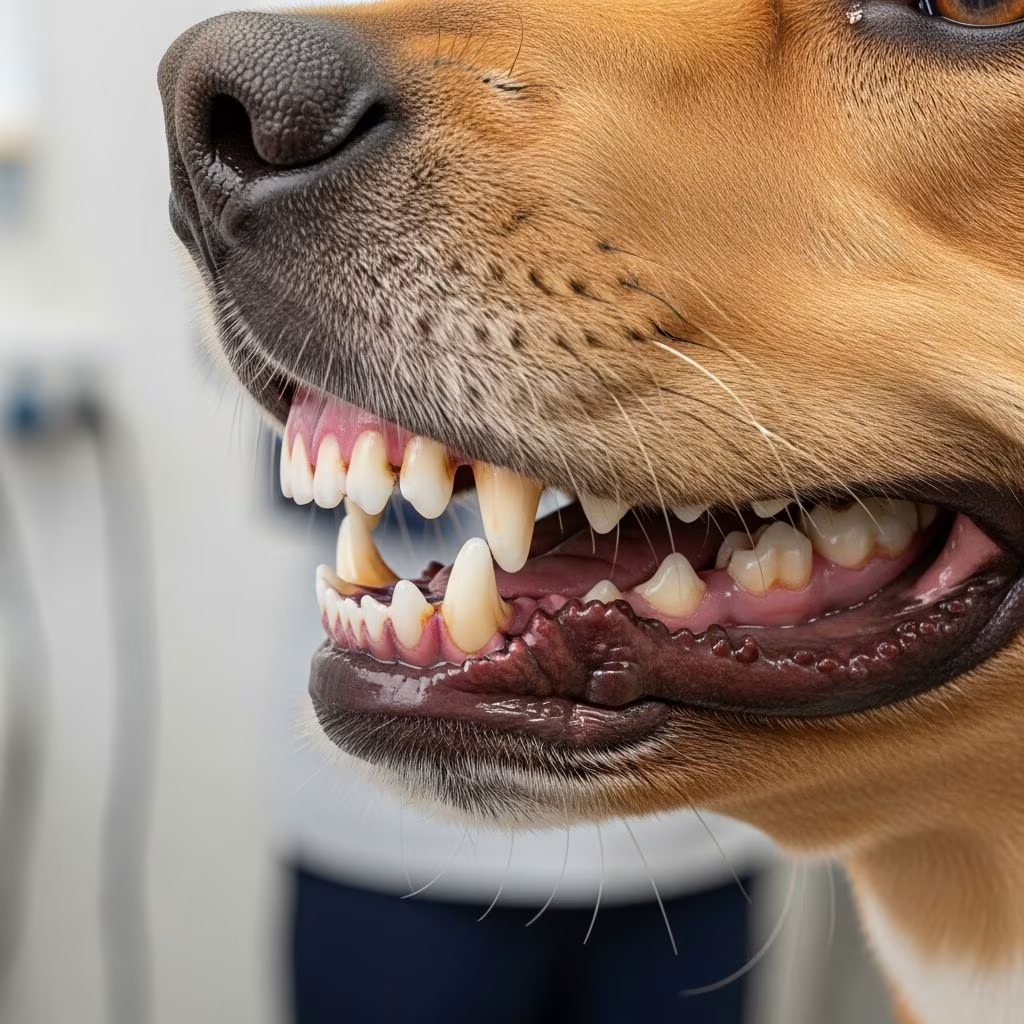
Gum disease, also known as periodontal disease, affects a significant number of dogs, progressing from mild inflammation to severe oral damage if ignored. Early detection through routine checks can reverse initial stages and prevent complications like tooth loss and systemic infections.
Understanding the Roots of Canine Oral Infections
The primary driver of gum disease in dogs is the buildup of bacterial plaque along the gumline, formed from food particles, saliva, and bacteria. Without intervention, this plaque mineralizes into hard tartar within days, irritating gums and triggering inflammation known as gingivitis.
Contributing factors include genetics, particularly in small breeds and brachycephalic dogs with crowded teeth, which trap debris more easily. Age plays a role, as older dogs accumulate more plaque over time, while diets low in dental benefits exacerbate the issue. The dog’s immune response to bacterial toxins further erodes supporting tissues, leading to deeper infections.
Spotting the Warning Signs Early
Owners should inspect their dog’s mouth weekly for changes. Common indicators include persistent bad breath, a hallmark of bacterial overgrowth, alongside red, swollen, or bleeding gums that bleed during play or eating.
- Yellow-brown tartar coating teeth, especially at the base
- Excessive drooling or “ropey” saliva tinged with blood
- Loose, missing, or visibly receding gums exposing roots
- Pain signals like pawing at the mouth, facial swelling, or chattering teeth
- Behavioral shifts: irritability, reduced appetite, weight loss, or favoring one chewing side
- Blood on toys, bowls, or difficulty retaining food
These symptoms often appear subtly in early phases but intensify as infection spreads below the gumline.[10]
Progression Through Four Critical Stages
Periodontal disease advances in stages, each worsening tissue and bone support for teeth. Recognizing the stage guides treatment urgency.
| Stage | Description | Key Features |
|---|---|---|
| Stage 1: Gingivitis | Mild gum inflammation from plaque; reversible with cleaning. | Red gums, bleeding on touch, bad breath; no bone loss yet. |
| Stage 2: Early Periodontitis | Plaque under gums; initial attachment loss. | Receding gums, pocket formation; tartar visible below gumline. |
| Stage 3: Moderate Periodontitis | Significant damage; 50% attachment loss. | Deep pockets, bone erosion, pus, moderate tooth mobility. |
| Stage 4: Advanced Periodontitis | Severe, irreversible harm; high infection risk. | Tooth loss, jaw weakening, chronic pain, abscesses. |
Progression varies by breed and care; small dogs often reach advanced stages faster due to tooth crowding.
Health Risks Beyond the Mouth
Untreated gum disease allows bacteria to enter the bloodstream, potentially causing heart, liver, kidney issues, or worsening diabetes. Chronic pain reduces eating, leading to malnutrition, while jaw fractures occur in severe toy breed cases.
Professional Diagnosis and Interventions
Veterinarians diagnose via visual exam, probing gum pockets, and dental X-rays to assess bone loss. Treatment scales with stage:
- Professional Cleaning: Anesthesia-enabled scaling removes tartar above and below gums.
- Extractions: Removing hopeless teeth prevents pain and infection spread.
- Antibiotics/Medications: Target deep infections; anti-inflammatories ease swelling.
- Advanced Therapies: Fluoride for enamel strength, sealants to deter plaque.
Post-treatment, follow-ups monitor healing and prevent relapse.
Daily Prevention Strategies for Optimal Oral Health
Proactive care halts progression. Start with veterinary-approved toothpaste (enzymatic, poultry-flavored) and a soft brush or finger mitt, brushing 3-7 times weekly. Technique: Circular motions on all surfaces, reaching back molars.
- Use dental chews or toys (VOHC-approved) to mechanically scrape plaque.
- Feed kibble promoting chewing action; water additives reduce bacteria.
- Schedule annual cleanings; more frequent for at-risk breeds.
Avoid human products like xylitol, which is toxic to dogs.
Special Considerations for At-Risk Breeds
Brachycephalic breeds (Pugs, Bulldogs) and toys (Chihuahuas, Yorkies) face higher risks from anatomy. Custom routines, like daily wiping for short muzzles, help. Senior dogs need gentler tools to accommodate weaker gums.
FAQs on Canine Gum Disease
What is the most common sign of gum disease in dogs?
Bad breath (halitosis) from bacterial buildup is the earliest and most noticeable symptom.
Can gum disease be cured in older dogs?
Early stages reverse fully; advanced requires management via extractions and ongoing care, but pain relief is achievable.
How often should I brush my dog’s teeth?
Ideally daily, but 3-7 times per week effectively controls plaque.
Does diet influence dog gum health?
Yes, dental-specific foods reduce tartar by 20-70%; avoid soft diets that promote plaque.
When to see a vet for suspected gum issues?
Immediately if bleeding, swelling, or appetite loss occurs; annual exams catch silent progression.[10]
Long-Term Management for Lifelong Dental Wellness
Integrate oral care into routines like grooming. Track progress with photos of teeth monthly. Educate family on signs to ensure collective vigilance. With diligence, most dogs maintain healthy mouths into seniority, avoiding costly advanced treatments.
By prioritizing prevention, owners safeguard not just smiles but overall vitality. Consult your vet for tailored plans.
References
- Dental Disorders of Dogs – Dog Owners – Merck Veterinary Manual — Merck & Co. 2023. https://www.merckvetmanual.com/dog-owners/digestive-disorders-of-dogs/dental-disorders-of-dogs
- Gum Disease in Dogs | Purina US — Purina. 2023. https://www.purina.com/articles/dog/health/dental/dog-gum-disease
- Periodontal Disease in Dogs: Symptoms, Causes & Treatment — LakeCross Veterinary Hospital. 2020-07-22. https://www.lakecross.com/site/blog-huntersville-vet/2020/07/22/periodontal-disease-dogs-symptoms-treatment
- Periodontal Disease in Dogs: Symptoms, Treatment & Prevention — Miller Clark Animal Hospital. 2021-10-01. https://www.millerclarkanimalhospital.com/site/blog/2021/10/01/periodontal-disease-dogs
- Stage 4 Periodontal Disease in Dogs: Symptoms & Treatment — Animal Dental AZ. 2023. https://animaldentalaz.com/stage-4-periodontal-disease-dogs/
- Periodontal Disease in Dogs — PetMD. 2023. https://www.petmd.com/dog/conditions/mouth/periodontal-disease-dogs



