
Canine Gum Disease Guide
Comprehensive strategies to detect, treat, and prevent periodontal disease in dogs for lifelong oral wellness.
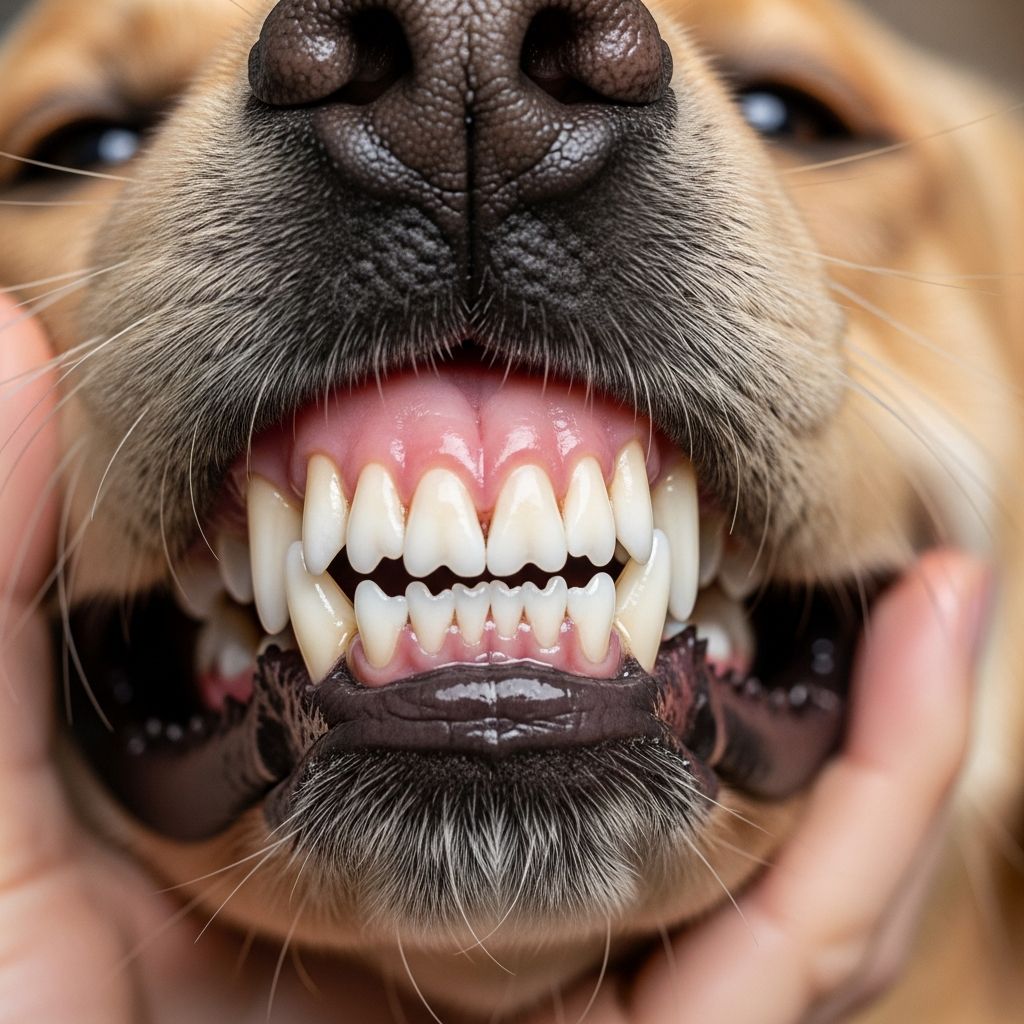
Periodontal disease affects the majority of dogs over age three, progressing silently from plaque buildup to severe bone loss and tooth loss if unchecked. Early detection through routine checks and consistent care can reverse initial stages and halt advancement.
Understanding the Origins of Dog Dental Decay
Bacterial plaque, a soft biofilm of food debris, saliva, and microbes, forms on teeth shortly after eating. Within days, it mineralizes into hard tartar, irritating gums and sparking inflammation known as gingivitis. Small breeds face higher risks due to crowded teeth and less vigorous chewing, accelerating plaque accumulation.
This process erodes the periodontium—the gums, ligaments, and bone anchoring teeth—leading to pockets, recession, and mobility. Untreated, it invites systemic issues like heart or kidney strain from bacterial spread.
Recognizing the Four Progressive Stages
Veterinary standards classify canine periodontal disease into four stages based on attachment loss, pocket depth, bone changes, and furcation exposure, guiding precise interventions.
- Stage 1: Gingivitis – Inflamed, bleeding gums without bone loss; fully reversible with cleaning and home care.
- Stage 2: Early Periodontitis – Up to 25% attachment loss, pockets to 4mm, initial bone resorption; needs professional scaling.
- Stage 3: Moderate Periodontitis – 25-50% loss, 4-6mm pockets, furcation stage 2; often requires surgery or extractions.
- Stage 4: Advanced Periodontitis – Over 50% loss, >6mm pockets, mobile teeth; typically mandates extractions to curb infection.
| Stage | Pocket Depth | Bone Loss | Treatment Focus |
|---|---|---|---|
| 1 | Normal (<3mm) | None | Prevention |
| 2 | ≤4mm | Early | Scaling/Root Planing |
| 3 | 4-6mm | Moderate | Surgery/Extractions |
| 4 | >6mm | Severe | Extractions |
This table summarizes progression, emphasizing intervention timing.
Common Warning Signs Owners Should Watch For
Dogs mask pain, so subtle cues signal trouble: persistent bad breath from bacterial overgrowth, red or swollen gums that bleed easily, drooling or pawing at the mouth, difficulty chewing hard food, facial swelling, or loose teeth. Advanced cases show weight loss, reduced appetite, or grooming disinterest.
- Halitosis as the earliest indicator.
- Gum changes visible during play or yawning.
- Behavioral shifts like food dropping or selective eating.
- Visible tartar on outer tooth surfaces.
Accurate Diagnosis: Beyond Surface Checks
Visual exams miss subgingival damage; gold-standard assessment occurs under anesthesia with probing (measuring pocket depths; >3mm abnormal) and full-mouth radiographs revealing bone loss patterns.
Probing quantifies attachment loss per tooth, while X-rays detect hidden resorption or abscesses. Conscious checks underestimate severity by up to 80%, underscoring annual vet dental evaluations.
Professional Interventions for Restoration
Treatment scales with stage: Stage 1 responds to polishing; advanced needs aggressive debridement.
- Core Procedure: Anesthesia-enabled cleaning—supragingival/gingival scaling, root planing, polishing, irrigation.
- Adjuncts: Flap surgery for pocket access, antibiotics for infection, pain management.
- Extractions: Essential for Stage 3-4 teeth with >50% loss or mobility to prevent chronic pain/sepsis.
Post-procedure radiographs confirm thoroughness, with home care plans extending results.
Daily Home Care Routines for Prevention
Brushing daily with enzymatic dog toothpaste and soft brush removes plaque effectively—aim for outer surfaces, 30 seconds per side. VOHC-approved chews, diets, water additives, and wipes provide mechanical/chemical aid.
- Introduce brushing gradually with finger cots.
- Supplements like seaweed powders reduce tartar.
- Dental diets promote chewing action.
Consistency trumps perfection; even thrice-weekly brushing halves disease risk.
Breed Vulnerabilities and Risk Factors
Toy breeds (e.g., Chihuahuas, Yorkies) suffer most from dental crowding and plaque retention, with 80% affected by age three. Age, dry food-only diets, and skipped vet visits compound risks.
| Risk Factor | Impact | Mitigation |
|---|---|---|
| Small breed | High crowding | Daily brushing |
| Age >3 years | Cumulative plaque | Annual cleanings |
| Poor diet | Less abrasion | Dental chews |
Systemic Health Links and Complications
Oral bacteria enter bloodstream via inflamed tissues, linking to endocarditis, renal failure, and orthopedic implant infections. Pain from Stage 3+ impairs nutrition, accelerating decline.
Cost-Effective Prevention Calendar
- Puppy (6-12 months): First vet dental exam, train brushing.
- Adult (1-3 years): Bi-annual checks, daily home care.
- Senior (>7 years): Annual anesthesia cleanings, radiographs.
- High-risk breeds: Quarterly prophy from age 2.
Frequently Asked Questions
Can periodontal disease be cured completely?
Only Stage 1 (gingivitis) reverses fully; later stages manage but don’t restore lost bone.
How often should dogs get dental cleanings?
Annually for most, semi-annually for at-risk dogs, per vet recommendation.
Is anesthesia safe for dental procedures?
Modern protocols minimize risks; pre-op bloodwork ensures safety.
What if my dog resists brushing?
Start with flavored gels, progress to finger brushes; chews supplement.
Does diet alone prevent gum disease?
Dental diets help but pair with brushing for optimal control.
Long-Term Monitoring and Success Metrics
Track progress via home gum checks (pink/firm ideal), breath quality, and vet re-probing. Success shows stable pockets <3mm, no progression on follow-up X-rays.
Integrating these strategies transforms dental health from reactive crisis to proactive wellness, sparing dogs pain and owners expense.
References
- Vet’s 2025 Guide to Canine Periodontal Disease — AskAVet. 2025. https://askavet.com/blogs/news/vet-s-2025-guide-to-canine-periodontal-disease-healthy-gums-for-happy-dogs
- Canine Periodontal Disease Management for Veterinarians — VeterinaryDentistry.net. Accessed 2026. https://veterinarydentistry.net/periodontal-disease-dogs/
- Periodontal Disease in Small Animals — Merck Veterinary Manual. Updated 2025. https://www.merckvetmanual.com/digestive-system/dentistry-in-small-animals/periodontal-disease-in-small-animals
- AC Aids for Dogs: Canine Periodontal Disease — USDA APHIS. 2023. https://www.aphis.usda.gov/sites/default/files/AC-Aids-for-Dogs_Canine-Periodontal-Disease_0.pdf
- A Short Guide to Dental Disease in Small-Breed Dogs — Royal Canin Academy. Accessed 2026. https://academy.royalcanin.com/en/veterinary/a-short-guide-to-dental-disease-in-smallbreed-dogs
- Revisiting Periodontal Disease in Dogs — PMC (NCBI). 2022-12-20. https://pmc.ncbi.nlm.nih.gov/articles/PMC9774197/
- Periodontal Disease — Cornell University College of Veterinary Medicine. Accessed 2026. https://www.vet.cornell.edu/departments-centers-and-institutes/riney-canine-health-center/health-topics/canine-health-information/periodontal-disease
Similar Articles








Read full bio of Sneha Tete




