Canine Gum Disease: Detection and Solutions
Learn to spot early signs of gum disease in dogs, understand its causes, and discover effective treatments to keep your pet's smile healthy and pain-free.
Gum disease, also known as periodontal disease, affects over 80% of dogs by age three, progressing from plaque buildup to severe oral infections that impact overall health. Early intervention through awareness of symptoms and consistent care can prevent pain, tooth loss, and systemic complications in dogs.
Understanding the Roots of Canine Oral Infections
The foundation of gum disease lies in bacterial accumulation along the gumline, where plaque forms and hardens into tartar within days if not addressed. This process irritates gums, leading to inflammation known as gingivitis, the initial reversible stage. Without removal, bacteria invade deeper tissues, causing periodontitis with pocket formation, bone loss, and potential heart or kidney issues from bacterial spread.
Poor oral hygiene tops the list of culprits, as most dogs receive no regular brushing, allowing plaque to thrive. Diet exacerbates this; soft foods cling to teeth, feeding bacteria, while dry kibble offers minor scraping benefits. Age plays a role too—seniors face weakened immunity and cumulative damage, making them prime targets.
Predisposing Factors Beyond Basic Care
- Breed tendencies: Small and brachycephalic dogs like Chihuahuas and Bulldogs suffer more due to crowded teeth and jaw misalignment.
- Nutritional gaps: Deficiencies in vitamins C and E compromise gum resilience.
- Environmental influences: Dirty toys, infrequent grooming, and saliva-altering medications heighten risks.
Genetics and enamel defects further predispose certain dogs, turning routine bacteria into a destructive force.
Recognizing Warning Signals in Your Dog’s Mouth
Many cases advance silently until pain emerges, but vigilant owners can catch early cues. Bad breath, or halitosis, signals bacterial overgrowth and often appears first.
| Early Stage Signs | Advanced Stage Signs |
|---|---|
| Red or swollen gums | Loose or missing teeth |
| Mild bleeding when chewing | Excessive drooling or bloody saliva |
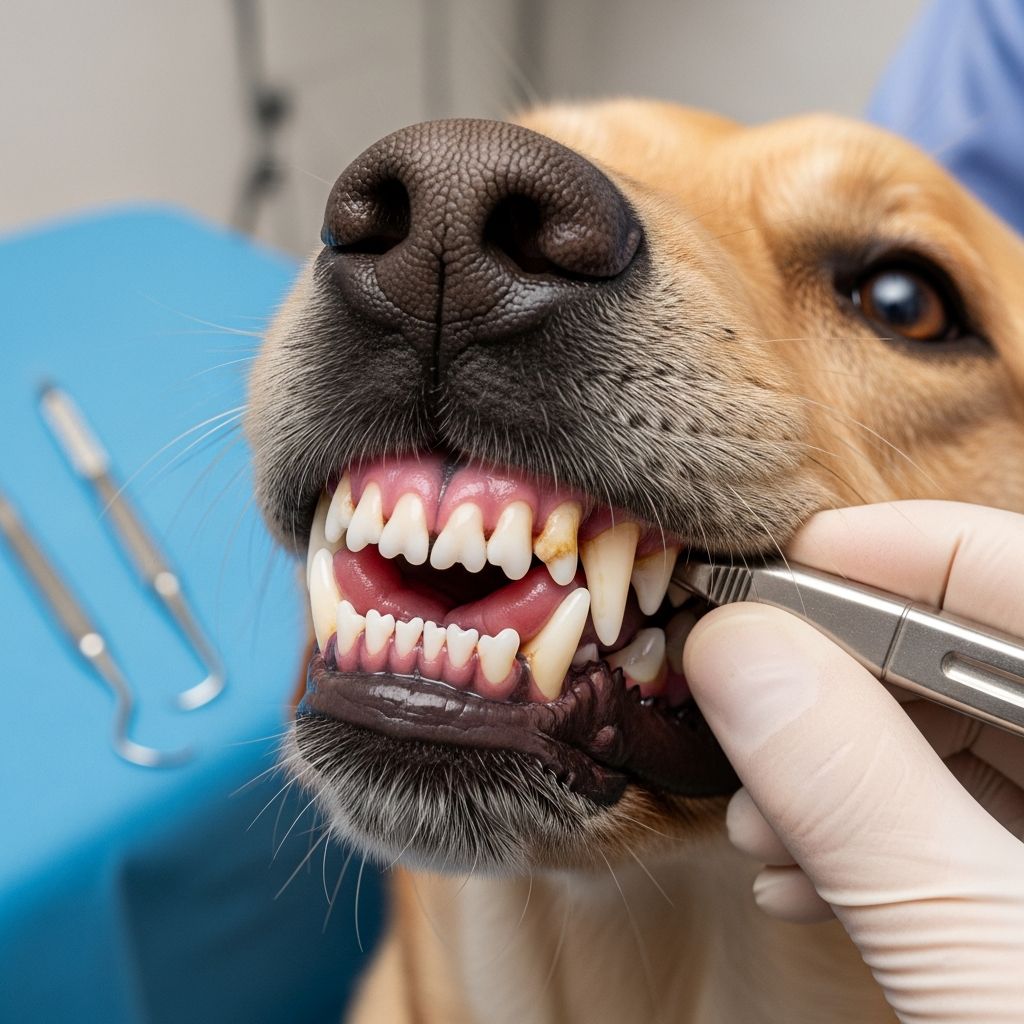
| Yellow/brown tartar on teeth | Pawing at mouth, face rubbing |
| Slight appetite changes | Weight loss, irritability, favoring one side |
Bleeding gums indicate inflammation, while visible tartar shows plaque mineralization. In severe cases, receding gums form pockets harboring pus, leading to abscesses and chronic pain that affects eating and behavior.
Stages of Progression: From Mild to Critical
Gum disease unfolds in distinct phases, each demanding specific responses.
- Gingivitis (Stage 1): Reversible gum inflammation from plaque; gums redden but no bone loss.
- Early Periodontitis (Stage 2): Pockets up to 3mm deep form as tartar pushes gums away; minor attachment loss begins.
- Moderate Periodontitis (Stage 3): Deeper pockets (4-6mm), bone resorption up to 50%; teeth loosen slightly.
- Advanced Periodontitis (Stage 4): Pockets exceed 6mm, over 50% bone loss; widespread tooth mobility, fractures possible in small breeds.
Progression varies by care level; untreated Stage 1 can reach Stage 4 in months.
Professional Interventions for Lasting Relief
Veterinary care is essential for moderate to advanced cases, starting with full-mouth scaling and polishing under anesthesia to remove subgingival tartar. X-rays assess bone loss and guide further steps.
Key Treatment Modalities
- Periodontal therapies: Deep pocket cleaning, antibiotic gels, or guided tissue regeneration to rebuild support structures.
- Extractions: Removing irreparable teeth; dogs adapt seamlessly, gaining pain relief.
- Medications: Pre/post-op antibiotics combat infection; anti-inflammatories and analgesics manage pain.
- Sealants and fluorides: Post-cleaning applications strengthen enamel and deter plaque.
For stomatitis-like severe inflammation, aggressive debridement or full-mouth extractions may be needed.
Daily Prevention: Empowering Owners with Actionable Steps
Prevention trumps treatment; 90% of cases are avoidable with routine habits.
Brushing Protocols
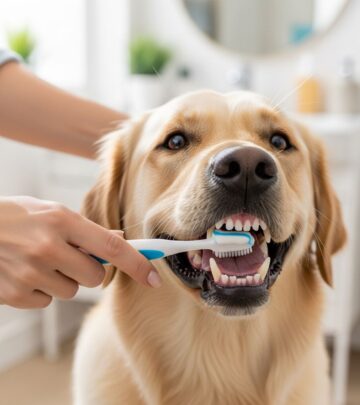
Brush teeth 3-7 times weekly using enzymatic dog toothpaste and a soft brush or finger mitt. Start slow with praise to build tolerance.
Supportive Tools and Treats
- Prescription dental diets or chews reduce plaque by 70% via mechanical and chemical action.
- Water additives and oral rinses with chlorhexidine control bacteria.
- Veggie chews like carrots scrape surfaces naturally.
Avoid human foods, especially sticky/sugary ones, that fuel plaque.
Annual Checkups and Long-Term Monitoring
Schedule dental exams yearly—or biannually for at-risk breeds—with cleanings as needed. Home checks monthly for tartar or gum changes enable prompt vet visits.
FAQs on Canine Gum Disease
What if my dog resists brushing?
Introduce gradually with flavored pastes; use treats post-session. Consult vets for alternatives like gels.
Can diet alone prevent gum disease?
No, but dental kibble helps; combine with brushing for best results.
Is halitosis always gum disease?
Often yes, but rule out diet, GI issues, or kidney problems via vet exam.
How much does professional cleaning cost?
Varies $500-$1500+ depending on extractions needed; anesthesia ensures thoroughness.
Do puppies get gum disease?
Rarely before adult teeth, but poor habits set stage early.
Systemic Impacts: Why Oral Health Matters Beyond the Mouth
Bacteria from infected gums enter the bloodstream, risking endocarditis, pneumonia, or kidney damage. Pain leads to reduced eating, weight loss, and behavioral shifts, diminishing quality of life. Proactive care safeguards heart, liver, and joints indirectly.
In small breeds, advanced disease risks jaw fractures from weakened bone. Early detection via routine exams prevents these cascades.
Case Insights: Real-World Recovery Stories
Consider a 7-year-old Chihuahua with Stage 3 disease: foul breath, drooling, and tooth loss. Post-cleaning, extractions, and home routine, breath normalized, appetite returned, and energy soared within weeks. Consistent brushing maintained gains for years.
Such outcomes underscore: even advanced cases respond well to intervention, restoring comfort affordably.
References
- How to Treat Gum Disease in Dogs: 5 Professional Treatment Options — Pine Ridge Pet Clinic. 2023. https://www.pineridgepetclinic.com/dental-services/how-to-treat-gum-disease-in-dogs-5-professional-treatment-options/
- Dental Disorders of Dogs — Merck Veterinary Manual. 2023. https://www.merckvetmanual.com/dog-owners/digestive-disorders-of-dogs/dental-disorders-of-dogs
- Periodontal Disease in Dogs: Symptoms, Causes & Treatment — Guilford Jamestown Vet. 2020-08-13. https://www.guilfordjamestownvet.com/site/blog-greensboro-vet/2020/08/13/periodontal-disease-dogs-symptoms-causes-treatment
- Periodontal Disease in Dogs — PetMD. 2023. https://www.petmd.com/dog/conditions/mouth/periodontal-disease-dogs
- Signs of Periodontal Disease in Dogs, Treatment & Prevention — North Boulder Vet. 2022-10-15. https://www.northbouldervet.com/site/blog/2022/10/15/canine-periodontal-disease
- Periodontal Disease in Dogs: How to Stop and Prevent It — Mahopac Vet. 2023-02-15. https://www.mahopacvet.com/site/blog/2023/02/15/periodontal-disease-dogs-prevent
- Periodontal Disease — Cornell University College of Veterinary Medicine. 2023. https://www.vet.cornell.edu/departments-centers-and-institutes/riney-canine-health-center/health-topics/canine-health-information/periodontal-disease
Similar Articles








Read full bio of medha deb