

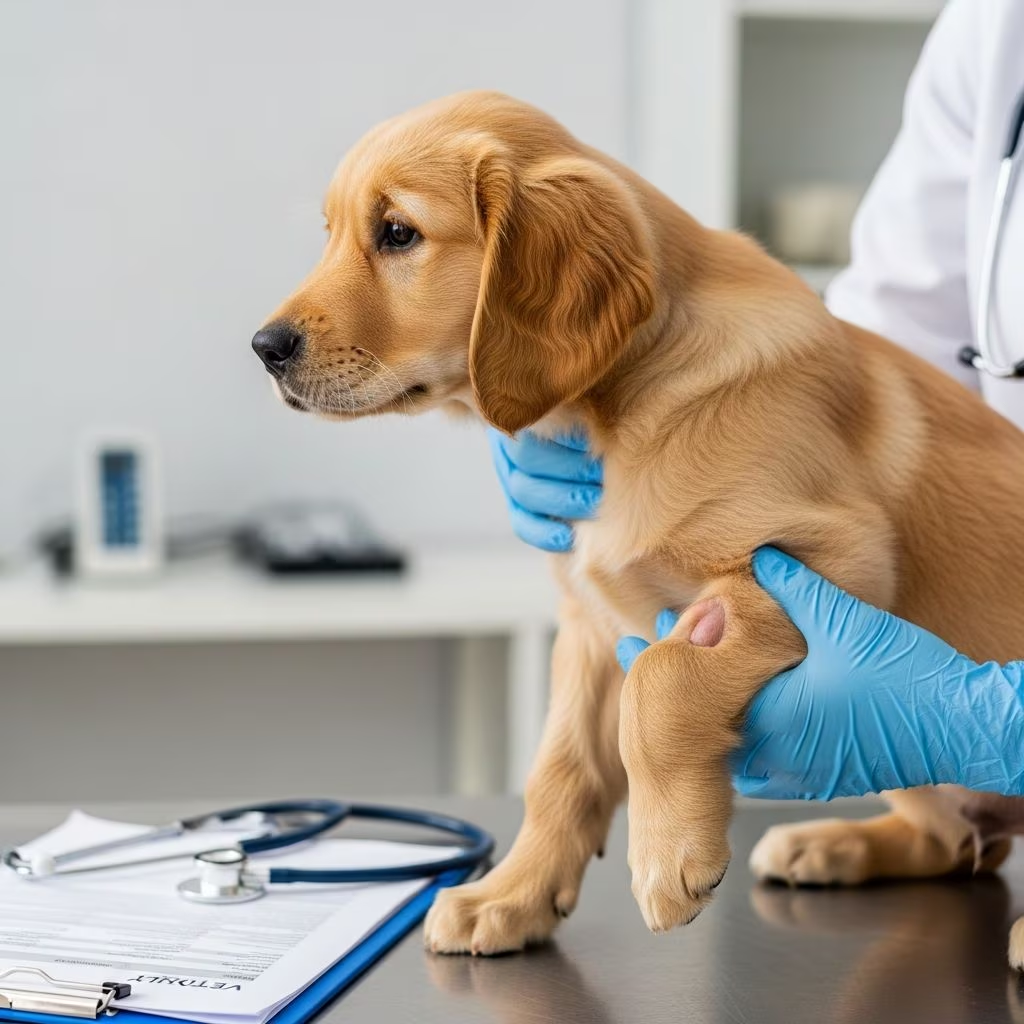
Growth disorders in dogs represent a significant concern for pet owners and veterinary professionals alike. When a dog fails to develop to its expected adult size or displays disproportionate skeletal development, underlying medical conditions may be responsible. These conditions, collectively referred to as growth deficiencies or dwarfism, can profoundly impact a dog’s quality of life, requiring informed management strategies and consistent veterinary oversight. Understanding the nature of these conditions, their origins, and available interventions enables dog owners to recognize symptoms early and pursue appropriate treatment.
Defining Canine Growth Disorders
Growth disorders in dogs manifest as a failure to reach normal adult size or as abnormal skeletal proportions during development. Unlike simple runts of a litter, which are typically smaller but otherwise normal, dogs with growth deficiencies exhibit systemic physiological disruptions that affect multiple body systems. These conditions arise from genetic factors, developmental abnormalities, or acquired injuries that interfere with normal growth mechanisms.
Two primary classifications exist within canine growth disorders: proportionate dwarfism and disproportionate dwarfism. Proportionate dwarfism occurs when the entire body remains smaller than normal but maintains correct bodily proportions, while disproportionate dwarfism results in abnormal skeletal relationships, such as shortened limbs relative to body length.
Pituitary-Based Growth Deficiency: The Hormonal Component
Pituitary dwarfism develops when the pituitary gland fails to produce adequate growth hormone during crucial developmental periods. The pituitary gland, located at the base of the brain, functions as the body’s master endocrine organ. In affected puppies, underdevelopment of the pars distalis—a specific region of the pituitary gland—prevents normal hormone secretion, cascading into widespread developmental consequences.
This form of growth deficiency occurs through several mechanisms. In many cases, genetic mutations present at birth impair pituitary function from the outset. These mutations are typically inherited as recessive traits and may affect individual puppies within a litter while leaving siblings unaffected. Additionally, trauma during the birthing process can damage the developing pituitary gland. Oxygen deprivation during difficult deliveries represents a particular risk factor. In rarer instances, tumors, inflammatory conditions, or traumatic brain injuries sustained early in life may compromise pituitary function, though these acquired causes are less common than genetic origins.
German Shepherd Dogs demonstrate a notable predisposition to pituitary dwarfism, though the condition has been documented across numerous breeds. The genetic basis suggests that careful breeding practices and genetic screening could potentially reduce incidence within susceptible populations.
Skeletal and Cartilage-Based Growth Disorders
Beyond hormonal deficiencies, genetic mutations affecting bone and cartilage development produce distinct growth patterns. Achondroplasia, the most prevalent form of canine dwarfism, results from mutations in genes encoding fibroblast growth factor receptors. These cellular receptors regulate the transformation of cartilage into bone during skeletal development. When mutated, the normal hardening process of cartilage is inhibited, resulting in characteristically shortened limbs.
Achondroplasia occurs naturally in certain breeds where selective breeding has intentionally favored short-legged phenotypes. Dachshunds, Corgis, Basset Hounds, and similar breeds display achondroplasia as a breed standard rather than a pathological condition. However, when achondroplasia occurs in breeds where short stature is not intended, the accompanying skeletal abnormalities may create significant health complications.
Chondrodysplasia represents a related condition involving abnormal cartilage growth, manifesting as a recessive genetic defect in purebred populations. This disorder disrupts normal joint development and creates disproportionate limb growth patterns, leading to functional impairments and degenerative changes over time.
Clinical Recognition: Identifying Affected Dogs
Early identification of growth disorders enables timely intervention and appropriate management planning. Several clinical signs should alert owners to potential deficiencies:
- Skeletal manifestations: Shorter bones than littermates, enlarged joints, abnormal bone shapes, disproportionately large heads, and shortened muzzles with underbites characterize skeletal dwarfism. Spinal deviations and bowing of the forelimbs may become apparent as the puppy matures.
- Integumentary changes: Affected dogs frequently develop soft, wooly coat textures that retain puppy-like characteristics into adulthood. Progressive hair loss, or alopecia, commonly develops, often sparing the head and limbs. Hyperpigmentation darkening of the skin may accompany these coat abnormalities.
- Dental complications: Delayed eruption of permanent teeth or complete absence of adult dentition frequently occurs. Crooked teeth and abnormal bite alignment create functional and aesthetic concerns.
- Constitutional signs: Affected puppies maintain noticeably smaller stature than littermates, with some displaying shrill or unusual vocalizations. Decreased muscle mass becomes apparent as development progresses.
- Reproductive and behavioral effects: Male dogs may exhibit small testicles with reduced fertility or complete infertility. Females often experience absent estrus cycles. Behavioral changes including fear-based aggression may emerge secondary to physical limitations and discomfort.
These clinical signs typically become noticeable by approximately two months of age, allowing for relatively early recognition and diagnostic workup.
Diagnostic Approaches and Laboratory Evaluation
Veterinary diagnosis of growth disorders integrates clinical observation with laboratory and imaging studies. Initial assessment includes comprehensive physical examination documenting the dog’s size relative to age-matched controls and littermates, alongside careful evaluation of skeletal proportions and systemic health status.
Laboratory investigations form the cornerstone of diagnostic confirmation. Complete blood counts, biochemical profiles, and urinalysis provide baseline health information, though these results may fall within normal ranges despite the presence of growth disorders. Measurement of insulin-like growth factors (IGF-I) and somatomedin C in blood serum directly assesses growth hormone availability. Significantly decreased IGF-I levels strongly indicate growth hormone deficiency associated with pituitary dysfunction.
Thyroid and adrenal function testing prove essential, as dogs with pituitary dwarfism frequently experience concurrent hormonal deficiencies affecting these endocrine organs. Skin biopsies may be performed to confirm hormonal origins of integumentary changes, distinguishing growth disorder-related alopecia from other dermatologic conditions.
Radiographic imaging and bone biopsies help characterize skeletal abnormalities and differentiate between proportionate and disproportionate forms. X-ray examination reveals bone density, structure, and proportional relationships, while genetic testing increasingly offers definitive identification of specific mutations responsible for achondroplasia and other heritable conditions.
Management Strategies and Treatment Considerations
While no cure exists for inherited growth disorders, multiple management approaches can substantially improve quality of life and functional outcomes.
Hormone Replacement Therapy
Pituitary dwarfism responds to growth hormone replacement therapy, administered through subcutaneous injections several times weekly over extended periods. Porcine-derived growth hormone effectively supplements the deficient endogenous hormone, promoting improved growth rates and addressing many secondary manifestations. Dogs receiving growth hormone therapy often demonstrate enhanced coat quality, resolution of alopecia, accelerated tooth eruption, and improved overall development. However, treatment must continue indefinitely, as the underlying pituitary deficiency persists throughout life.
Concurrent thyroid hormone supplementation addresses hypothyroidism frequently accompanying pituitary dysfunction. Similarly, cortisone replacement becomes necessary when adrenal insufficiency develops as part of the pituitary deficiency syndrome.
Orthopedic and Supportive Care
Dogs with skeletal dwarfism benefit from pain management and joint health support. Non-steroidal anti-inflammatory medications, joint supplements containing glucosamine and chondroitin, and prescription pain relievers address arthritis and joint degenerative changes common in affected individuals. Maintaining healthy body weight proves critically important, as excess weight places additional stress on compromised joints and spinal structures.
Surgical correction of skeletal abnormalities is generally not recommended. While surgical procedures might temporarily improve limb alignment, they typically produce early-onset arthritis and functional complications exceeding the benefits gained. Conservative management through medication, appropriate exercise, and weight control provides superior long-term outcomes.
Reproductive Considerations
Dogs with inherited growth disorders should not be bred, as this perpetuates genetic defects within populations. Neutering and spaying mature affected dogs provides dual benefits: eliminating reproductive risks and often improving behavioral and metabolic parameters associated with the growth disorder.
Long-Term Quality of Life Management
Dogs with growth deficiencies can achieve satisfactory quality of life through comprehensive, individualized care plans. Success requires commitment to regular veterinary monitoring, medication compliance, appropriate exercise programs, and dietary management. Environmental modifications—such as ramps instead of stairs, orthopedic bedding, and climate control—address mobility limitations and physical stress.
Nutritional management becomes particularly important, as proper caloric intake without obesity supports healing and maintains joint health. Consultation with veterinary nutritionists helps formulate diets meeting these specific requirements while managing any concurrent gastrointestinal sensitivities.
Regular veterinary assessment allows early detection and treatment of secondary conditions. Eye examinations detect cataracts and retinal degeneration. Dental evaluations address remaining tooth eruption and cleaning needs. Continued monitoring of thyroid and adrenal function guides medication adjustments as dogs age.
Breed Considerations and Genetic Perspectives
Certain dog breeds have undergone selective breeding that intentionally favored short-legged phenotypes characteristic of achondroplasia. In these breeds—including Dachshunds, Corgis, Basset Hounds, and others—the skeletal dwarfism represents the intended phenotype and generally poses fewer health complications than when the condition occurs unexpectedly in other breeds.
Conversely, dogs from breeds without predisposition to dwarfism who develop growth disorders often experience more severe associated complications. These individuals may have additional spinal problems, angular limb deformities, and intervertebral disc disease complicating their overall health status.
Responsible breeders increasingly utilize genetic testing to identify carriers of growth disorder mutations, reducing incidence through selective breeding decisions. Prospective owners should inquire about parental health screening and genetic backgrounds when acquiring puppies from breeds with documented susceptibility to growth disorders.
Frequently Asked Questions
Can dwarfism in dogs be prevented?
Genetic forms of dwarfism cannot be prevented once conceived, but incidence can be reduced through responsible breeding practices, genetic screening of parents, and avoiding reproduction of affected individuals. Acquired forms resulting from birth trauma or injury may be minimized through careful obstetric management during breeding and protection from head injuries during critical developmental windows.
What is the life expectancy of dogs with dwarfism?
Life expectancy varies considerably depending on the specific form of dwarfism and severity of associated complications. With appropriate management, many dogs with growth disorders live normal lifespans. Pituitary dwarfism requires lifelong hormone supplementation to maintain quality of life. Skeletal dwarfism typically does not shorten lifespan but may affect functional ability and require ongoing pain management.
Are certain breeds more prone to growth disorders?
Yes. German Shepherds show elevated incidence of pituitary dwarfism. Breeds with intentional short-legged phenotypes naturally express achondroplasia. Purebred dogs in general face higher risk than mixed-breed populations due to genetic bottlenecks and limited genetic diversity within breeding populations.
How expensive is treating canine dwarfism?
Treatment costs vary significantly. Growth hormone therapy requires ongoing injections and veterinary monitoring, representing substantial expense. Diagnostic testing including blood work, X-rays, and possible genetic testing ranges from several hundred to over a thousand dollars. Symptomatic treatment with pain medications and supplements adds recurring costs. Pet owners should budget for comprehensive, long-term management when caring for affected dogs.
References
- Dwarfism (Hypopituitarism) in Dogs — PetPlace.com. https://www.petplace.com/article/dogs/pet-health/dwarfism-hypopituitarism-in-dogs
- Dwarfism in Dogs: What Are the Causes & Symptoms? — Purina. https://www.purina.com.sg/care-and-advice/dog/health/dwarfism-in-dogs
- What to Know About Dwarfism in Dogs — American Kennel Club. https://www.akc.org/expert-advice/health/dwarfism-in-dogs/
- Dogs With Dwarfism — Time for Paws. https://www.timeforpaws.co.uk/blogs/articles/dogs-with-dwarfism
- Chondrodysplasia in Dogs — Walkin’ Pets. https://walkinpets.com/blogs/blog/chondrodysplasia-in-dogs
- Proportionate Dwarfism in Dogs — Embark Veterinary. https://embarkvet.com/products/dog-health/health-conditions/proportionate-dwarfism/



