

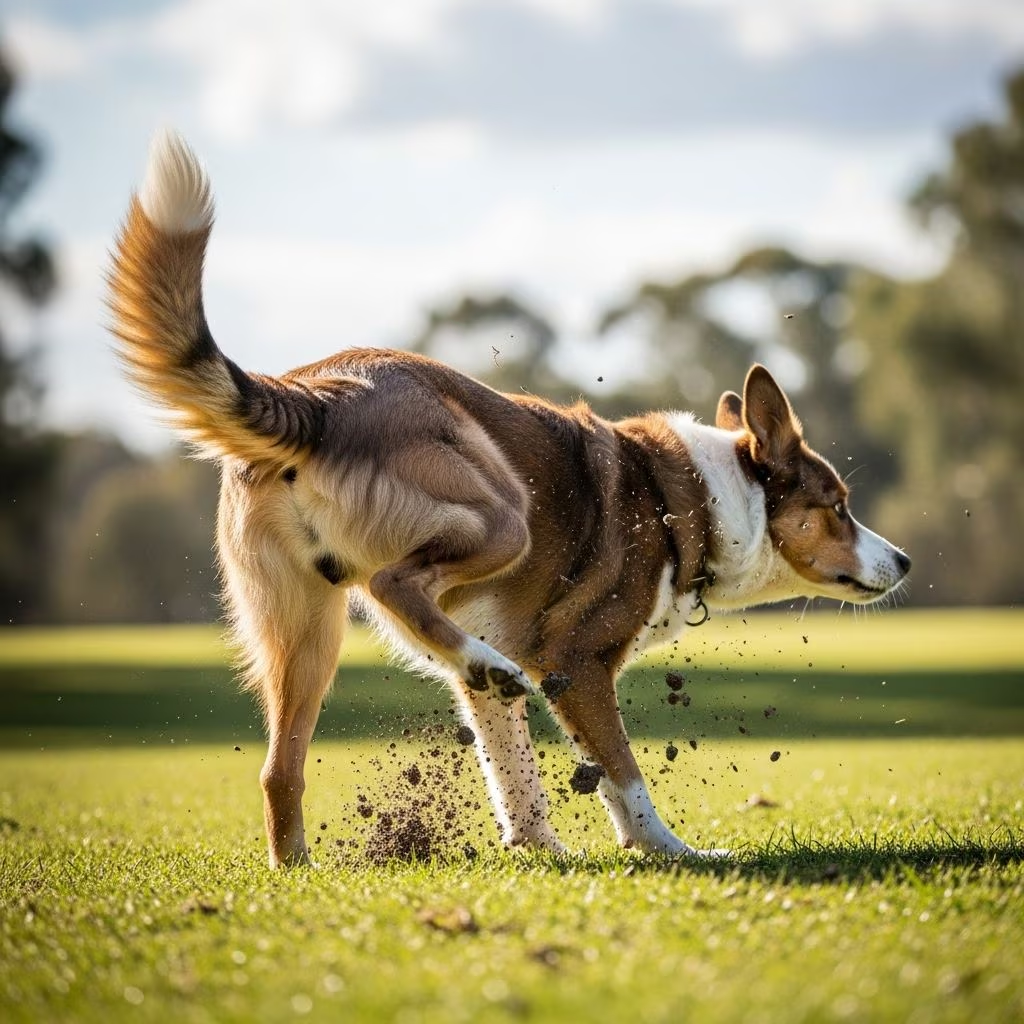
Every dog owner has witnessed the characteristic back-leg kicking motion that occurs moments after their pet finishes eliminating outdoors. This behavior, while appearing somewhat chaotic to human observers, represents a sophisticated form of canine communication rooted in evolutionary biology and pack dynamics. Rather than attempting to hide their waste, dogs are engaged in a deliberate and meaningful act that has shaped their social interactions for thousands of years. Understanding the mechanisms and motivations behind this behavior provides valuable insight into how dogs perceive and interact with their environment and each other.
The Biochemistry of Paw-Based Communication
Dogs possess specialized scent glands located between the pads of their paws, a feature that distinguishes them from many other mammals. When a dog engages in the kicking motion, this action stimulates these glands to produce and release pheromones—chemical compounds that transmit information between animals of the same species. These pheromones are invisible to the human eye but create a powerful olfactory signature that other canines can detect and interpret.
The odor emanating from a dog’s feet is often distinctive and somewhat unpleasant to humans, but this smell serves a critical biological function. Rather than indicating that the dog requires grooming or bathing, this scent is precisely what the dog intends to leave behind as a form of personal marking. When combined with the scent from their feces, which contains additional chemical markers, the dog creates a comprehensive communication system that is far more sophisticated than simply leaving physical evidence of their presence.
Territorial Assertion and Resource Protection
The primary function of ground kicking relates to territory establishment and maintenance. This behavior harks back to ancestral wolf and wild dog populations that needed to defend resources and establish pack boundaries. In modern domestic dogs, this instinct remains deeply ingrained despite living in human households with reliable food sources.
When a dog defecates in a particular location, they are essentially claiming that spot as their own. The subsequent kicking behavior reinforces this claim by depositing additional scent markers across the immediate area. The visual scratches left in the ground serve as secondary markers—physical evidence that a dog has deliberately marked the territory. For dogs living in urban environments where ground is often concrete or asphalt, these visual scratches may be less pronounced, but the olfactory message remains equally potent.
Research on free-ranging dogs demonstrates that ground-scratching behavior occurs with increased frequency along territorial boundaries, suggesting that dogs recognize the strategic importance of marking zones where their territory meets that of other dogs. Pet dogs exhibit similar patterns, with owners frequently noticing this behavior in their yards, at the front of their homes, or in areas adjacent to their residences where encounters with neighboring dogs are likely to occur.
Social Hierarchy and Dominance Display
Within canine social structures, ground-scratching serves as a display of confidence and social rank. Studies of free-ranging dog packs reveal that higher-ranking individuals engage in this behavior more frequently than subordinate members. This observation suggests that the behavior functions as a statement of authority and dominance within the group hierarchy.
When unfamiliar dogs encounter one another, ground-scratching often becomes more pronounced and deliberate. Research indicates that other dogs tend to maintain greater distance from dogs that have engaged in ground-scratching behavior, suggesting that this action communicates a warning or establishes a boundary. Some researchers have characterized this as an intimidation display, indicating that the behavioral sequence carries negative consequences for approaching canines.
The visual slashing patterns created by kicking can serve as a secondary warning signal. Even though urban dogs may leave less visible scratches on hard surfaces, the combination of olfactory pheromones and the dog’s own fecal scent creates a multisensory communication that other dogs recognize as a territorial claim and potential threat.
Psychological Dimensions of Ground Kicking
Beyond the functional aspects of territory marking, research suggests that dogs derive genuine enjoyment and satisfaction from this behavior. According to behavioral research published in peer-reviewed literature, dogs that engage in ground-scratching appear to find the activity inherently rewarding. The behavior seems to serve psychological purposes related to emotional expression and stress relief, particularly in situations involving uncertainty or social challenge.
The choreographed nature of the kicking motion, with its precise back-leg movements, suggests that dogs execute this behavior with intentional control rather than random physical expression. When a dog encounters a neighboring canine across a fence or property line, the synchronized ground-scratching behavior observed in both animals indicates a form of ritualized communication that both parties recognize and respond to appropriately.
Environmental and Individual Variables
Not all dogs engage in ground-kicking behavior with equal frequency or intensity. Several factors influence whether and how often a dog performs this activity:
- Personality traits: Some dogs are naturally more assertive and territorial in their communication style, while others prefer subtler methods of interaction
- Breed predispositions: Certain breeds with strong territorial or pack-hunting heritage may demonstrate more frequent ground-scratching
- Confidence levels: Dogs exhibiting higher confidence and social dominance tend to engage in this behavior more regularly
- Environmental context: New or unfamiliar locations often trigger increased ground-scratching as dogs establish their presence in unexplored territory
- Social circumstances: The presence of other dogs, particularly unfamiliar ones, significantly increases the likelihood and intensity of ground-scratching behavior
In novel environments such as new parks, different walking routes, or unfamiliar yards, dogs frequently exhibit heightened ground-scratching behavior. This response appears to serve an informational function, allowing the dog to communicate their arrival and presence to any resident canines who may encounter the scent markers later.
When Ground Kicking Becomes Problematic
While ground-scratching represents normal canine behavior, excessive or aggressive manifestations can indicate underlying concerns requiring attention. Several scenarios warrant intervention:
Property damage: Vigorous ground-scratching can cause significant lawn deterioration, creating bare patches that take extended periods to regenerate. Repeated kicking in the same locations can result in compacted soil that inhibits grass growth. When performed indoors on tile, carpet, or wooden floors, this behavior can cause scratches, gouges, and other damage to home furnishings and surfaces.
Physical injury to the dog: Dogs that engage in repetitive ground-scratching on rough surfaces risk damaging their paw pads. Prolonged friction can cause soreness, cracking, and bleeding that may require veterinary attention. These injuries can become particularly problematic if secondary bacterial or fungal infections develop.
Anxiety indicators: Sudden increases in ground-scratching frequency or intensity may signal underlying anxiety or stress responses. Changes in a dog’s environment, such as the arrival of a new pet, a new neighborhood dog, or other significant household alterations, can trigger anxious ground-scratching that differs from normal territorial behavior.
Modifying Excessive Ground-Kicking Behavior
For dog owners dealing with excessive ground-scratching, several intervention strategies can prove effective. The key is distinguishing between normal territorial behavior and problematic excessive activity.
Environmental management: Identifying specific triggers—such as encounters with particular neighboring dogs or visits to certain locations—allows owners to modify the dog’s exposure to these situations when possible. Redirecting the dog’s attention before or immediately after triggering events can interrupt the behavioral sequence.
Energy redirection: Dogs with excess physical or mental energy often engage in more frequent ground-scratching. Providing adequate exercise through walks, play sessions, and interactive games helps satisfy the dog’s need for physical exertion and mental stimulation. High-energy activities and puzzle toys can channel the dog’s behavioral impulses more constructively.
Positive reinforcement: Rewarding the dog for calm behavior in situations that normally trigger ground-scratching creates an alternative behavioral response. Training the dog to perform incompatible behaviors, such as sitting or lying down, provides the owner with a tool to interrupt the undesired activity.
Paw care: For dogs showing signs of paw pad damage, protective balms and creams can provide temporary relief and allow the tissue to heal. Regular inspection of the paws helps identify emerging problems before they become serious.
The Generalized Nature of Territorial Communication
The genetic programming for ground-scratching behavior persists strongly in domestic dogs despite centuries of selective breeding for human companionship. Dogs may engage in this behavior on virtually any surface when motivated by territorial concerns, including kitchen tiles, living room carpets, concrete sidewalks, and upholstered furniture. The behavior demonstrates such deep biological roots that environmental constraints rarely suppress it entirely.
When visiting dogs enter a household, resident dogs often initiate ground-scratching behavior indoors, leaving physical marks on flooring and attempting to reinforce their territorial claim over the shared space. Similarly, when multiple dogs share a household, younger or subordinate dogs may engage in less frequent ground-scratching than more dominant household members, reflecting the hierarchical nature of the behavior.
Frequently Asked Questions About Canine Ground-Scratching
Is my dog trying to cover up their waste?
No. Dogs are not embarrassed about their elimination and do not attempt to conceal it. The kicking behavior serves entirely different communicative and territorial functions. The dog is making their presence known, not hiding it.
Do all dogs kick grass after eliminating?
No. Individual dogs vary considerably in their ground-scratching frequency. Personality, breed, confidence level, and environmental factors all influence whether a dog performs this behavior regularly, occasionally, or rarely.
Why does my dog kick grass more in some locations than others?
Dogs exhibit increased ground-scratching behavior in new environments and locations where they encounter other dogs. Unfamiliar territory triggers the dog’s drive to establish their presence, while familiar locations where resident dogs already know their scent require less frequent reinforcement.
Can excessive ground-scratching indicate a medical problem?
While ground-scratching itself is normal, sudden increases in frequency or intensity may indicate anxiety, stress, or response to environmental changes. Physical injury to the paws can result from chronic excessive behavior, but the behavior typically originates from behavioral or psychological causes rather than medical issues.
Is ground-scratching dangerous for my dog?
Normal ground-scratching poses no danger. However, repetitive excessive behavior on rough surfaces can damage paw pads, potentially leading to infection or other complications. Most dogs naturally moderate their activity to avoid injury.
Conclusion: Recognizing Natural Canine Communication
Ground-scratching represents a fundamental and deeply ingrained component of canine communication systems. Rooted in evolutionary adaptations for territorial defense and social hierarchy establishment, this behavior persists in modern domestic dogs as a natural expression of their species-typical behavioral repertoire. While the behavior may seem perplexing or frustrating to human observers, it serves essential functions in how dogs perceive, claim, and communicate about their physical and social environment.
Understanding the legitimate biological and psychological purposes of ground-scratching allows dog owners to appreciate their pets’ behavior as meaningful communication rather than destructive tendencies. Most ground-scratching behavior requires no intervention and represents the dog functioning normally within their behavioral parameters. Only when the behavior becomes excessive, causes injury, or reflects underlying anxiety should owners consider implementing management strategies or seeking professional guidance.
References
- Ground Scratching by Dogs: Scent, Sight, and Ecstasy — Marc Bekoff, Ph.D., Psychology Today. 2019. https://www.psychologytoday.com
- Why Do Dogs Kick Grass — Wag Walking. https://wagwalking.com/behavior/why-do-dogs-kick-grass
- Why Does My Dog Kick the Grass After Pooping? — American Kennel Club. https://www.akc.org/expert-advice/advice/dog-kicks-poop-behavior/
- Why Dogs Kick Grass After Pooping: It’s Not Just To Cover It Up — MyWoof. https://mywoof.com/blogs/articles/why-dogs-kick-grass-after-pooping-its-not-just-to-cover-it-up-what-your-dog-is-really-saying
- Why Do Dogs Kick After Pooping? — PetMD. https://www.petmd.com/dog/behavior/dog-behavior-why-do-dogs-kick-their-feet-after-pooping
- Why Do Dogs Kick the Ground After They Poop? Is This Normal? — Chewy. https://www.chewy.com/education/dog/training-and-behavior/why-do-dogs-kick-the-ground-after-they-poop



