

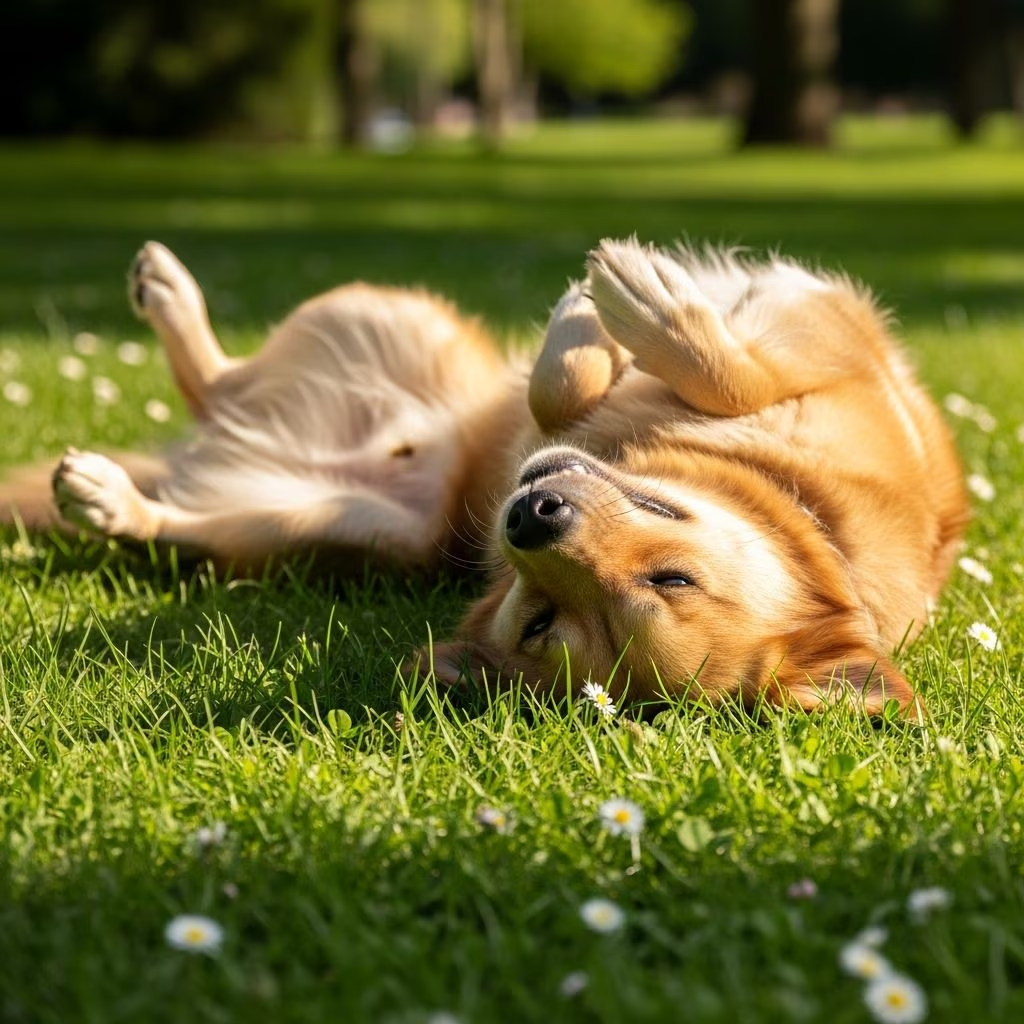
If you have ever observed your dog enthusiastically rolling around in the grass, you have witnessed one of the most common yet puzzling behaviors in canine companions. What appears to be simple play or enjoyment often conceals deeper biological and behavioral motivations rooted in thousands of years of evolutionary history. This behavior, while sometimes frustrating for owners who have just invested in professional grooming or a relaxing bath, represents fundamental aspects of how dogs interact with their environment and communicate with other animals.
The Olfactory Foundation of Rolling Behavior
At the heart of understanding why dogs roll in grass lies a fundamental truth about canine sensory perception: dogs experience the world through their sense of smell in ways humans can barely comprehend. A dog’s olfactory system is extraordinarily sophisticated, with the ability to detect and distinguish thousands of different scents that remain completely imperceptible to human noses. The grass itself serves as a canvas upon which countless scent stories have been written by various animals, insects, and environmental factors.
When your dog approaches a patch of grass with apparent interest, they are essentially reading an olfactory newspaper filled with information about who has visited the area, what condition those animals were in, and what activities occurred recently. This heightened sensitivity to smell drives much of the rolling behavior observed in domestic dogs, making it less about the physical sensation and more about the chemical information available in their environment.
Evolutionary Hunting Instincts and Scent Masking
One of the most compelling explanations for grass rolling behavior stems from the predatory history of dogs’ ancestors. Before dogs became our beloved household companions, their predecessors were wild hunters who needed to employ sophisticated strategies to successfully pursue prey. Among these strategies was the practice of masking their own scent by acquiring the scents of their surroundings.
When a wild canine covers itself with the smells of grass, dirt, or other environmental elements, it becomes harder for potential prey to detect the hunter’s presence. This scent-masking behavior would have provided a significant advantage during hunting endeavors, allowing wolves and early canine ancestors to approach their targets undetected. Even though modern domestic dogs no longer depend on hunting for survival, these deep-seated instincts remain encoded within their genetic makeup.
Interestingly, dogs often demonstrate particular enthusiasm for rolling in areas where other animals have left their biological markers through urination or defecation. The concentrated scents in these locations provide an even more effective disguise than general grass, making them irresistible to dogs’ instinctive programming. A dog that rolls in a patch where a fox or raccoon recently visited may be unconsciously attempting to adopt the scent signature of a different species, further complicating their detectability as a potential threat to other animals.
Territorial Communication and Social Messaging
Beyond the hunting context, rolling in grass serves an important communicative function within the canine social hierarchy and inter-canine relationships. Dogs have evolved an intricate system of olfactory communication that allows them to convey complex information without vocalization or visual signaling. When a dog rolls in grass at a particular location, they are essentially leaving behind a scent message for other dogs to discover.
This behavior operates similarly to the well-known practice of urine marking, where dogs deliberately deposit small amounts of urine to announce their presence or territorial claims. However, rolling provides a more diffuse and widespread method of scent distribution. When your dog rolls in grass, they transfer their personal scent profile to that location, creating a kind of canine signature that announces “I have been here” or “This area is significant to me.”
Other dogs encountering these rolled areas can detect information about the individual who created the scent marker, potentially learning about that dog’s health status, emotional state, dietary habits, and even reproductive status. This olfactory bulletin board system represents a fundamental aspect of how dogs navigate their social world, maintaining connections and communicating boundaries without requiring physical confrontation.
Counteracting the Effects of Grooming and Bathing
One of the most predictable and reliable triggers for grass rolling occurs immediately after a dog has been bathed or professionally groomed. From a human perspective, this timing seems counterintuitive and even frustrating. We invest time and resources in cleaning our dogs and applying pleasant-smelling grooming products, only to watch them race outside to roll themselves in dirt and grass within minutes.
However, from your dog’s perspective, this behavior makes perfect sense. The harsh cleaning agents, artificial fragrances, and unfamiliar scents applied during grooming completely obscure your dog’s natural scent profile. Dogs rely heavily on their personal scent for identity and communication, so having this scent layer stripped away and replaced with artificial alternatives creates a kind of olfactory disorientation.
By rolling in grass, your dog is not rejecting your efforts to keep them clean but rather attempting to restore their natural scent signature. What smells fresh and pleasant to human noses may actually smell unnatural or even unpleasant to your dog. The natural grass scent, along with the various other scents in soil and plants, helps your dog feel like themselves again, restoring their sense of olfactory identity.
Physical Comfort and Environmental Interaction
While scent-related motivations explain much of canine grass rolling behavior, other sensory and physical factors also contribute significantly. Grass provides a unique tactile experience that many dogs find genuinely pleasurable. The texture of grass against fur, combined with the gentle pressure of rolling, can create sensations that dogs find relaxing or stimulating depending on their mood and needs.
During warm weather, grass rolling can serve thermoregulatory functions. As dogs roll in grass, moisture from the grass and soil transfers to their fur and skin, providing a cooling effect. Since dogs lack the distributed sweat gland system that humans possess, relying instead on panting and limited sweating through their paw pads, they must employ alternative cooling strategies. Rolling in cool, damp grass provides an efficient and natural way to moderate body temperature during warm conditions.
Additionally, grass rolling can function as a self-scratching mechanism. Dogs cannot reach every part of their bodies to scratch manually, so rolling on their backs in grass allows them to access difficult-to-reach areas. For dogs experiencing mild itching or discomfort, this rolling behavior provides relief, particularly when targeting the back and sides that resist conventional scratching methods.
Simple Enjoyment and Play Motivation
Not every instance of grass rolling requires complex explanation rooted in evolutionary biology or behavioral necessity. Many dogs roll in grass simply because they enjoy the experience and find it intrinsically rewarding. The combination of sensory inputs—the smell of various scents, the tactile sensation of grass and soil against their body, the freedom of outdoor movement—creates a pleasurable experience that needs no further justification.
Dogs are capable of engaging in activities purely for enjoyment, and grass rolling often falls into this category. A dog rolling in grass with apparent enthusiasm and joy may simply be expressing contentment and engaging in recreational behavior. Just as humans might sit in a comfortable chair or enjoy a pleasant sensation, dogs may roll in grass as a form of leisure activity that feels good and requires no deeper motivation.
When Rolling Indicates Potential Health Concerns
While grass rolling is generally a normal and benign canine behavior, certain patterns warrant veterinary attention. If your dog demonstrates excessive rolling, particularly if accompanied by other symptoms, this may indicate underlying health issues requiring professional evaluation.
- Persistent itching: Frequent rolling combined with scratching, licking, or biting at the skin may suggest allergies, parasitic infestations such as fleas or mites, or skin infections
- Visible skin abnormalities: Rolling accompanied by dandruff, dry patches, redness, hair loss, or scabs warrants veterinary examination
- Behavioral changes: Sudden increases in rolling frequency may indicate discomfort or anxiety
- Ear involvement: Dogs rubbing their ears on the ground while rolling may have ear infections or other auricular issues
- Excessive frequency: Rolling multiple times daily or extending for unusually long periods may indicate neurological or dermatological concerns
Environmental Considerations and Safety
While grass rolling is natural canine behavior, environmental factors can affect your dog’s safety during this activity. Before allowing your dog to roll freely, consider whether the grass has been treated with pesticides, herbicides, or other chemical applications. These substances can be absorbed through the skin or ingested when your dog later licks their fur, potentially causing health problems.
Additionally, ensuring your dog maintains current flea and tick prevention is essential, as grass provides an ideal environment for parasitic infestations. Dogs rolling in grass may pick up ticks or other parasites that would otherwise pass unnoticed, making preventative treatments particularly important for dogs with frequent grass contact.
Be cautious about dead animals or excessive fecal matter in grassy areas where your dog rolls. While your dog’s instinct may drive them toward such olfactory treasures, these materials pose sanitation and health risks that justify intervention and prevention when possible.
Distinguishing Normal Behavior from Problematic Patterns
| Behavior Characteristic | Normal Rolling | Potentially Concerning |
|---|---|---|
| Frequency | Occasional to regular during outdoor activities | Multiple times daily or compulsive behavior |
| Duration | Brief to moderate (under 5 minutes typically) | Prolonged or repetitive episodes |
| Accompanying symptoms | None; dog appears content | Scratching, licking, visible skin issues, ear rubbing |
| Trigger patterns | After outdoor activity, post-grooming, varied locations | Occurs indoors, only specific locations, constant behavior |
| Behavioral context | Playful or contentment; dog appears normal | Signs of distress, pain, or anxiety; behavior appears compulsive |
Frequently Asked Questions
Why does my dog roll in grass immediately after being bathed?
Dogs roll after bathing because the grooming products and clean scent applied during bathing obscure their natural scent profile. By rolling in grass, your dog restores their familiar scent signature, which is essential for their sense of identity and communication with other animals. This behavior does not indicate rejection of the bath but rather your dog’s need to feel like themselves again.
Is grass rolling a sign of happiness or a problem?
Occasional grass rolling typically indicates a happy, content dog enjoying natural behaviors. However, excessive rolling—particularly when combined with scratching, visible skin issues, or behavioral changes—may indicate allergies, parasites, skin infections, or other health concerns requiring veterinary evaluation.
Can I train my dog to stop rolling in grass?
While training can redirect the behavior in specific contexts, attempting to completely eliminate grass rolling is neither realistic nor advisable. This behavior is deeply instinctive and serves important communicative and sensory functions. Instead, focus on ensuring safe rolling environments and monitoring for health issues.
What should I do if my dog rolls in something particularly foul-smelling?
If your dog rolls in feces or dead animals, redirect them away from such materials and consider bathing if necessary for sanitation purposes. However, recognize that this represents normal instinctive behavior. Preventing access to these materials when possible is more practical than attempting to eliminate the underlying urge.
Does rolling in grass serve any practical purpose for my dog?
Yes, grass rolling serves multiple purposes including scent communication with other dogs, sensory pleasure, temperature regulation during warm weather, relief from itching, and maintenance of natural scent identity. These functions explain why the behavior persists across all domestic dog populations.
References
- Why Do Dogs Roll in the Grass? — Whole Dog Journal. Accessed March 2026. https://www.whole-dog-journal.com/behavior/why-do-dogs-roll-in-the-grass/
- Why Do Dogs Roll in the Grass? — PetMD. Published August 31, 2021. https://www.petmd.com/dog/behavior/why-do-dogs-roll-grass
- Why Do Dogs Roll on Grass? – Genius Tips — Farmina Pet Foods. Accessed March 2026. https://www.farmina.com/in/pet-care/geniustips/1642/why-do-dogs-roll-on-grass-.html
- Why Do Dogs Roll in Grass? — Zigzag. Accessed March 2026. https://zigzag.dog/en-us/blog/puppy-behavior/understanding-your-puppy/why-do-dogs-roll-in-grass/



