

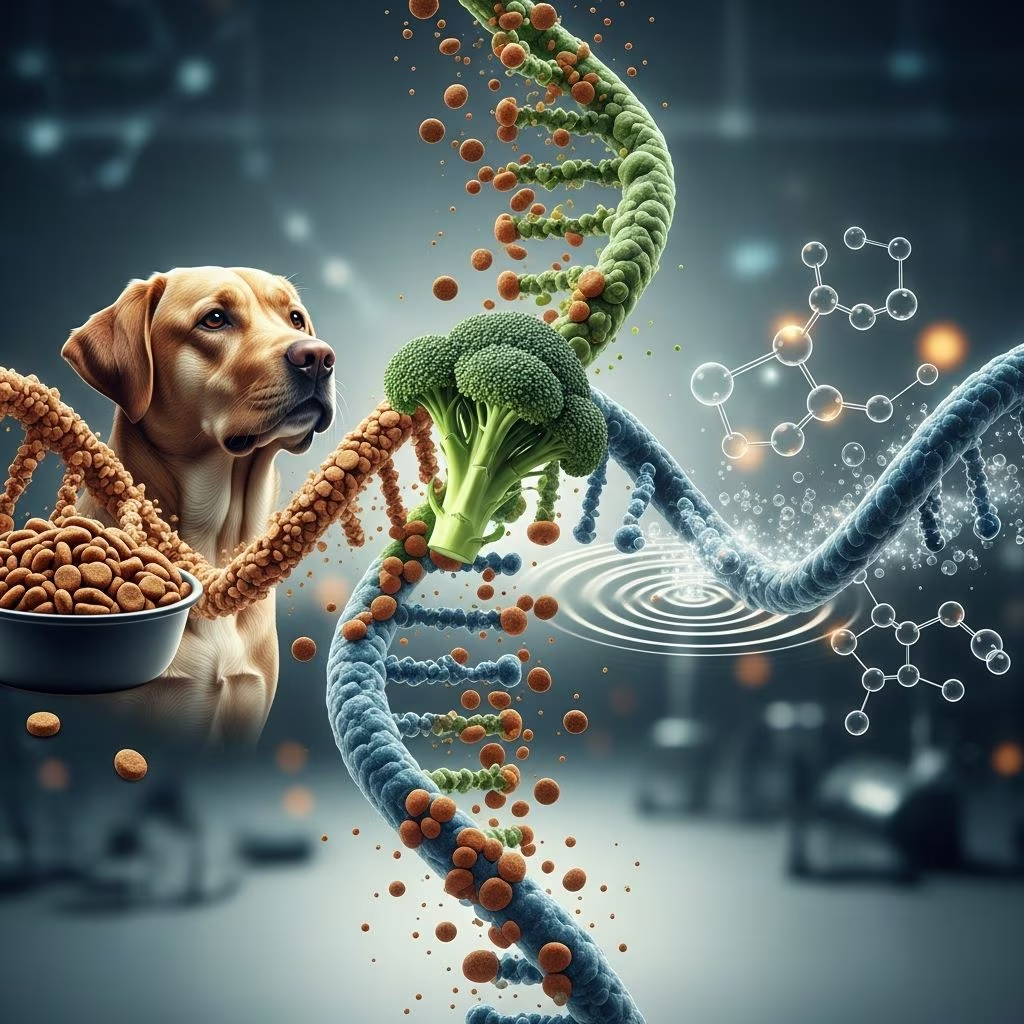
Understanding the layers of canine biology beyond basic DNA reveals powerful ways to enhance dog health and performance. Traditional genetics sets the foundation, but nutrigenomics shows how nutrition influences gene activity, while epigenetics demonstrates environmental impacts on gene expression across generations.
Foundations of Dog Genetics
Dog genetics forms the core blueprint for every breed’s traits, from size and coat to disease susceptibility. Genes are segments of DNA that code for proteins, determining physical and behavioral characteristics. Advances in genomic mapping have identified haplotypes like mitochondrial DNA for maternal lineage and Y-chromosome markers for paternal lines, aiding ancestry tracing.
Key genetic concepts include:
- Alleles: Variations of a gene, where dominant ones express over recessive.
- Homozygous vs. Heterozygous: Having two identical or different alleles for a trait.
- Polygenic Traits: Characteristics like height influenced by multiple genes.
Breeds exhibit distinct genetic profiles; for example, certain SNPs on chromosome 12 link to fear responses in Australian Shepherds.
Nutrigenomics: Nutrition’s Role in Gene Expression
Nutrigenomics examines how dietary components interact with genes to modulate health outcomes. Specific nutrients act as signals, turning genes on or off to optimize metabolism, immunity, and growth. In dogs, omega-3 fatty acids influence inflammation-related genes, while antioxidants support detoxification pathways.
This field highlights breed-specific needs. Large breeds benefit from joint-supporting nutrients that regulate cartilage genes, reducing dysplasia risk. Poor nutrition can trigger adverse gene expression, leading to obesity or weakened immunity.
| Nutrient | Gene Interaction | Dog Health Benefit |
|---|---|---|
| Omega-3s | Downregulates pro-inflammatory genes | Reduced joint inflammation |
| Antioxidants (e.g., Vitamin E) | Activates detox genes | Enhanced liver function |
| Probiotics | Modulates gut microbiome genes | Improved digestion and immunity |
Studies show tailored diets can extend lifespan by influencing genes like IGF1, associated with longevity.
Epigenetics: Environmental Switches for Genes
Epigenetics involves modifications like DNA methylation, histone changes, and non-coding RNAs that control gene activity without altering DNA sequences. These ‘marks’ respond to environment, diet, stress, and exercise, affecting phenotype, behavior, and disease risk.
In dogs, the epigenome—total epigenetic modifications—predicts traits better than genetics alone. DNA methylation patterns correlate with energy levels, fearfulness, and attention-seeking, outperforming SNPs even after age correction. For instance, high methylation in certain regions links to nonsocial fear.
Mechanisms include:
- DNA Methylation: Adds methyl groups to cytosine, silencing genes.
- Histone Modification: Alters protein packaging around DNA, easing or blocking access.
- Non-coding RNA: Regulates gene transcription post-modification.
Interconnections: Genetics, Nutrition, and Epigenetics
These fields converge dynamically. Genetics provides potential, nutrigenomics activates it via diet, and epigenetics adapts it to environment. A nutrient-rich diet during pregnancy induces positive epigenetic marks, passing resilience to offspring.
Stressful conditions, like poor housing, impose negative marks, increasing anxiety in puppies. Conversely, exercise and socialization enhance beneficial expressions, improving temperament.
Integrative mapping reveals tissue-specific epigenomes, with brain tissues sharing pathways for neural function. Metabolic genes show cross-species conservation between dogs and humans.
Practical Applications for Dog Owners and Breeders
Harness these sciences daily:
- Breeding Programs: Select parents with optimal epigenomes via methylome screening for service or companion roles.
- Diet Optimization: Use breed-specific formulas to target gene pathways, preventing issues like hip dysplasia.
- Environmental Management: Minimize prenatal stress; provide enrichment to foster calm epigenetics.
Real impacts include reduced hereditary diseases through managed breeding environments and diets promoting strong immune epigenetics.
Advanced Research and Future Directions
Technologies like CRISPR enable precise epigenetic editing, promising disease-resistant lines. Epigenome sequencing maps breed variations, guiding personalized nutrition.
Longevity genes (e.g., PRDX1, GHR) respond to interventions, potentially adding years. Behavioral predictions from puppy epigenomes revolutionize selection.
FAQs
What is the difference between genetics and epigenetics in dogs?
Genetics is the fixed DNA sequence; epigenetics modifies its expression via environment, reversible across generations.
Can diet change my dog’s epigenome?
Yes, nutrients like folate promote healthy methylation, influencing health and behavior.
Do epigenetic changes pass to puppies?
Absolutely; maternal diet and stress imprint marks transgenerationally.
How does nutrigenomics benefit specific breeds?
It tailors nutrition to genetic predispositions, e.g., anti-inflammatory diets for arthritis-prone giants.
Is epigenetics testing available for dogs?
Emerging; DNA methylome analysis predicts traits like fearfulness accurately.
References
- How does epigenetics influence dog breeding? — American Breeder. 2023. https://www.americanbreeder.com/resources/american-breeder-blog/dogs/epigenetics-in-dog-breeding-health-traits
- Screening a puppy’s DNA methylome may help predict how energetic or fearful they will be — Frontiers in Psychology. 2022-12-16. https://www.frontiersin.org/news/2022/12/16/frontiers-psychology-epigenome-predicts-behavior-dogs
- Epigenetics in Animals – Dog Behaviourist Glasgow — CBT Dog Behaviour. 2023. https://cbtdogbehaviour.com/epigenetics-in-animals-how-environment-shapes-their-genes-and-behaviour/
- Dog Genetics 101 | Dog DNA Basics — Embarkvet. 2024. https://embarkvet.com/resources/dog-genetics-101/
- Integrative mapping of the dog epigenome: Reference annotation — Science Advances. 2023. https://www.science.org/doi/10.1126/sciadv.ade3399
- Genetic, epigenetic, and environmental factors influencing dog longevity — PMC (NCBI). 2024. https://pmc.ncbi.nlm.nih.gov/articles/PMC12520857/



