

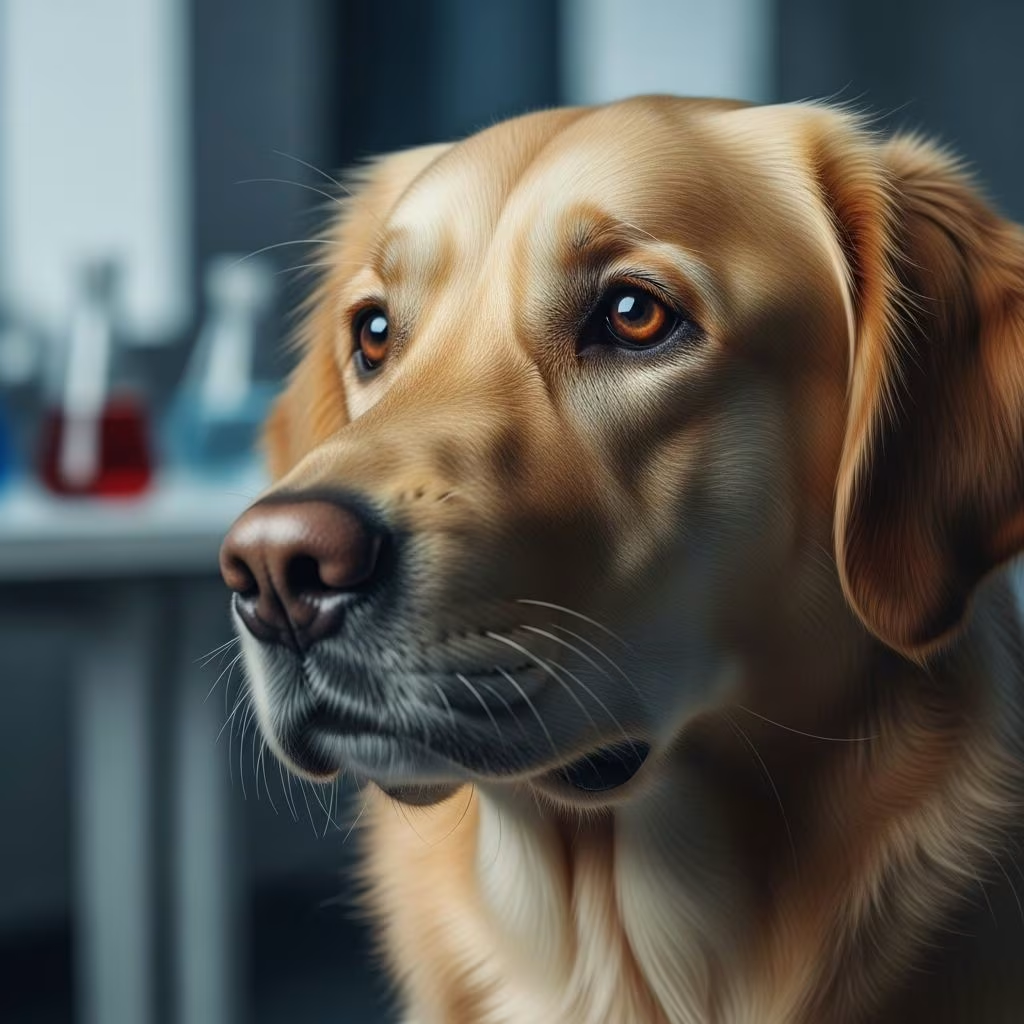
Dogs do not experience true Down syndrome, a human-specific condition caused by an extra chromosome 21. Instead, various genetic and developmental disorders produce overlapping physical and behavioral traits, leading to common misconceptions among pet owners.
Understanding Human Down Syndrome Basics
Down syndrome in humans results from trisomy 21, where cells contain three copies of chromosome 21 instead of two. This leads to characteristic features like flattened facial profiles, almond-shaped eyes, low muscle tone, and intellectual challenges. According to health authorities, it also raises risks for heart defects, hearing loss, and thyroid issues. Dogs have 78 chromosomes arranged in 39 pairs, making human-like trisomy impossible without severe, typically non-viable outcomes.
Why the Confusion Arises in Dogs
Pet owners often spot puppies lagging behind littermates in growth, displaying odd facial structures or sluggish learning, prompting Down syndrome labels on social media. These signs stem from treatable or manageable canine conditions, not chromosomal extras. Early detection through veterinary exams can differentiate and address root causes effectively.
Key Conditions Mimicking Down Syndrome Traits
Several disorders replicate the appearance and behaviors associated with Down syndrome. Here’s a breakdown:
- Pituitary Dwarfism: Caused by growth hormone deficiency, often inherited in breeds like German Shepherds. Pups retain puppy-soft fur, experience symmetrical hair loss, and remain proportionally small. Lifespan shortens due to secondary issues like kidney failure.
- Congenital Hypothyroidism: Thyroid gland underdevelopment leads to broad heads, protruding tongues, short limbs, and mental dullness. Symptoms emerge in the first months, including delayed eye/ear opening and poor muscle tone.
- Congenital Hydrocephalus: Fluid buildup in the brain causes domed skulls, wide-set eyes, and coordination problems. Toy and brachycephalic breeds are prone.
- Portosystemic Shunts: Blood vessel abnormalities bypass the liver, causing toxin buildup. Signs include stunted growth, seizures, and head pressing.
- Growth Hormone Deficiency: Similar to pituitary dwarfism, it results in small stature, skin darkening, and delayed dentition.
Recognizing Physical Indicators Early
Spotting anomalies begins at 2-5 months when affected pups diverge from siblings. Common visuals include:
| Feature | Description | Associated Condition |
|---|---|---|
| Stunted growth | Smaller than littermates, proportional or disproportionate | Pituitary dwarfism, hypothyroidism |
| Facial changes | Broad skull, downward eyes, puffiness, large tongue | Hydrocephalus, hypothyroidism |
| Limb issues | Short legs, bowed structure, floppy tone | Hypothyroidism, dwarfism |
| Coat problems | Retained puppy fur, patchy loss, dry skin | Pituitary dwarfism |
These traits often combine, amplifying the Down syndrome resemblance.
Behavioral and Health Warning Signs
Beyond looks, behaviors signal trouble:
- Slow learning: Delayed walking, commands, or housetraining.
- Lethargy: Tires quickly, avoids play, excessive panting.
- Neurological: Circling, staring, seizures, disorientation.
- Appetite shifts: Constipation, reduced eating in hypothyroidism.
- Exercise intolerance: Refuses walks, lies down often.
Heart murmurs, coughing, or goiters may accompany, warranting immediate vet visits.
Breeds Most Susceptible to These Traits
Genetics play a role in prevalence:
- German Shepherds: Pituitary dwarfism hotspot.
- Chihuahuas, Yorkshire Terriers, Poodles: Hydrocephalus and shunts.
- Brachycephalics (Bulldogs, Pugs, Boston Terriers): Skull and growth issues.
- Any breed: Hypothyroidism, though small dogs overrepresented.
Responsible breeding reduces risks; seek health-tested parents.
Veterinary Diagnosis Pathways
Diagnosis involves:
- Physical exam and history review.
- Blood tests: Hormone levels, thyroid function, liver enzymes.
- Imaging: X-rays for bone growth, ultrasounds for shunts/hearts, skull scans.
- Genetic screening where available.
Early intervention improves outcomes; delays exacerbate organ damage.
Treatment Options and Management
Many conditions respond to therapy:
| Condition | Treatment | Prognosis |
|---|---|---|
| Pituitary Dwarfism | Hormone supplements, skin care | Guarded; secondary diseases common |
| Congenital Hypothyroidism | Daily thyroid meds lifelong | Excellent with compliance |
| Hydrocephalus | Medications or surgery to drain fluid | Variable; early best |
| Portosystemic Shunt | Surgery to correct vessel, diet/liver support | Good post-op |
Monitor progress quarterly; adjust as needed.
Daily Care for Special Needs Dogs
These pups thrive with adaptations:
- Training: Short sessions, positive reinforcement; focus on basics.
- Diet: High-quality, vet-prescribed for growth/liver support.
- Exercise: Gentle, frequent low-impact activities.
- Environment: Safe spaces, ramps, anxiety reducers.
- Grooming: Regular baths for skin issues; dental vigilance.
Patience curbs fear-based behaviors like destructiveness.
Real-Life Success Stories
Owners report joyful lives for managed pups. One German Shepherd with dwarfism lived 10+ years on hormones, enjoying walks and cuddles. Hypothyroid small breeds often normalize post-treatment, matching peers in energy. Social media showcases thriving ‘special’ dogs, emphasizing love over labels.
Frequently Asked Questions
Can any dog breed get these Down-like conditions?
Yes, but predispositions exist in toys, brachycephalics, and German Shepherds.
Is surgery always needed?
No; many respond to medications alone, like hypothyroidism.
How do I prevent these in my puppy?
Choose reputable breeders with health screenings; early vet checks.
Do these dogs live normal lifespans?
With treatment, many do; untreated cases shorten life.
Can I adopt a special needs dog?
Absolutely; rescues often have them needing forever homes.
Long-Term Outlook and Owner Preparation
Commit to lifelong vet care, potential costs, and emotional support. These dogs offer profound loyalty, rewarding dedicated owners. Consult specialists for tailored plans, ensuring quality life.
References
- Down Syndrome in Dogs — PetCareRx. 2023. https://www.petcarerx.com/article/down-syndrome-in-dogs/5316
- All to Know About Down Syndrome Dog — Starlight Veterinary Center. 2024. https://starlight-vet.com.my/down-syndrome-dog/
- Can Dogs Have Down Syndrome? — Kinship. 2024. https://www.kinship.com/dog-health/can-dogs-have-down-syndrome
- Can my dog get Down’s syndrome? — Joii Pet Care. 2023. https://www.joiipetcare.com/blogs/advice/can-my-dog-get-down-s-syndrome
- How To Care For A Down Syndrome Dog — Dogs Naturally Magazine. 2024. https://www.dogsnaturallymagazine.com/down-syndrome-dog/
- Can dogs have Down syndrome? — Fetch Pet Insurance. 2024. https://www.fetchpet.com/the-dig/down-syndrome-dogs
- Can Dogs Have Down Syndrome? — PetMD. 2025-01-15. https://www.petmd.com/dog/conditions/can-dogs-have-down-syndrome



