

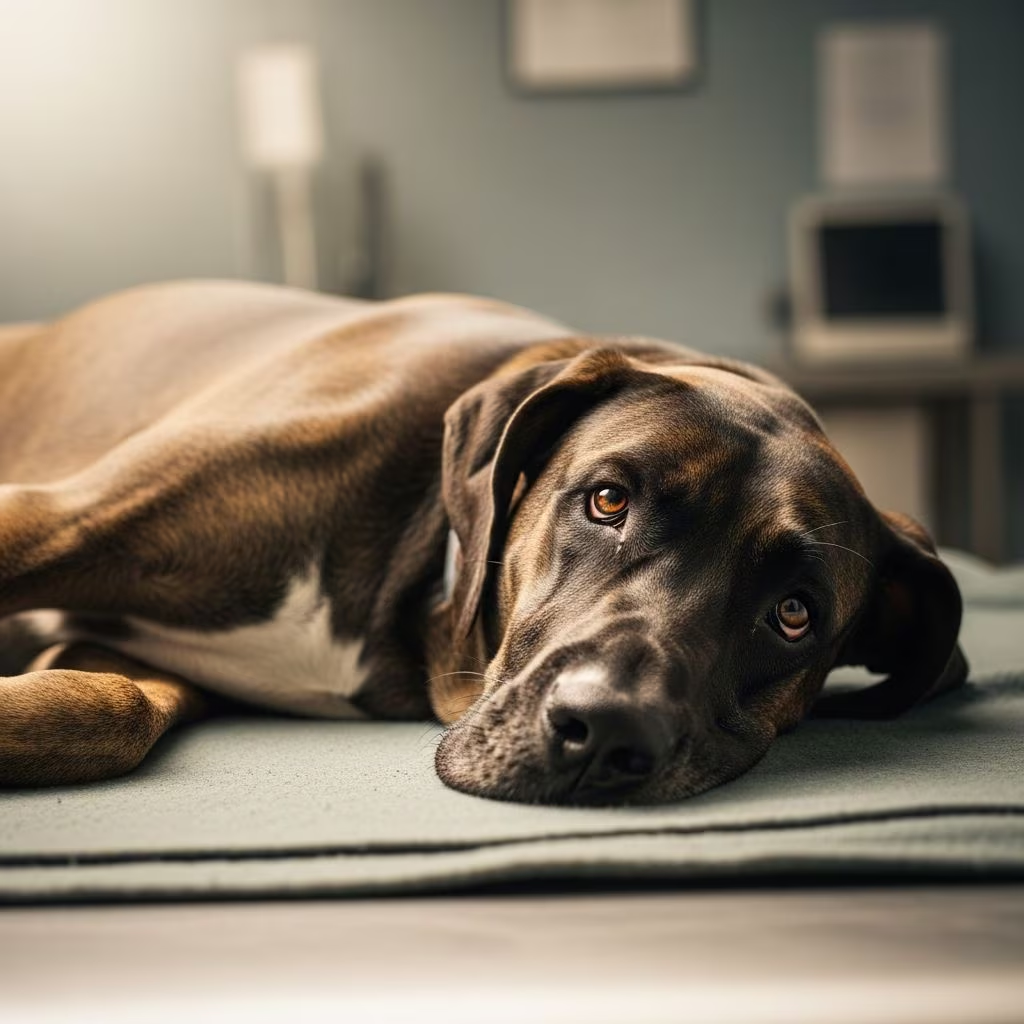
Gastric dilatation volvulus (GDV), commonly called bloat, poses a severe threat to dogs, especially deep-chested large breeds. This emergency occurs when the stomach fills with gas and twists, cutting off blood flow and risking organ failure within hours. Immediate veterinary action is critical, with survival rates exceeding 80% when treated promptly.
Understanding the Mechanics of GDV
GDV unfolds in stages: first, gastric dilatation where the stomach expands with gas, food, or fluid, compressing vital structures. Volvulus follows as the stomach rotates 90 to 360 degrees on its axis, trapping contents and disrupting circulation. This leads to shock, tissue death, and systemic collapse if untreated. Unlike simple bloating from overeating, GDV’s twist makes it uniquely fatal without surgery.
The condition disrupts venous return to the heart, causing hypovolemia and hypotension. Elevated intra-abdominal pressure impairs breathing, while toxins from dying stomach tissue trigger disseminated intravascular coagulation (DIC), a clotting disorder. Large breeds like Great Danes and German Shepherds face higher risks due to anatomy.
Breeds and Factors Increasing Vulnerability
Certain dogs are predisposed. Deep-chested breeds including Great Danes, Saint Bernards, Weimaraners, and Irish Setters show elevated incidence. Age over seven years, first-degree relatives with GDV history, and underweight status amplify risks.
- Primary risk factors: Deep chest conformation, large body size (>99 lbs), rapid eating.
- Behavioral contributors: Gulping food, exercise post-meal, stress.
- Other elements: Single large daily meal, elevated feeding bowls.
Studies confirm GDV strikes unpredictably, often at night, underscoring constant vigilance.
Spotting Early Indicators
GDV progresses swiftly from subtle unease to collapse. Owners must recognize initial cues.
Initial Behavioral Changes
Dogs display restlessness, pacing, unsuccessful vomiting attempts (retching with no output), and excessive salivation forming drool puddles. They hunch, whine, or seem depressed, unable to settle.
Physical Manifestations
Abdomen swells visibly, feeling taut like a drum—tapping produces a ‘ping’ sound, unlike soft fluid distension. Gums pale, pulse weakens, heart rate accelerates, and breathing labors as the diaphragm compresses.
| Stage | Symptoms |
|---|---|
| Early | Restlessness, drooling, futile retching |
| Moderate | Swollen hard abdomen, panting, weakness |
| Advanced | Collapse, shock, pale gums, rapid HR |
Any combination warrants immediate emergency vet visit—delays prove deadly.
Emergency Response Protocols
Time is critical; GDV untreated leads to death in under an hour. Rush to a 24/7 facility.
Stabilization Measures
Vets administer shock-rate IV fluids (90 mL/kg/hour via large-bore catheters in jugular/cephalic veins) to combat hypovolemia. Pain relief (opioids) reduces oxygen demand and agitation. Decompression via stomach tube or trocarization (large needle into abdomen) releases gas, easing pressure.
- Fluids restore circulation.
- Decompression improves blood flow.
- Medications manage pain, shock, prevent DIC.
Heart-compromised dogs receive supportive drugs. Diagnostics like X-rays confirm volvulus.
Surgical Interventions Explained
Surgery is mandatory for GDV; non-surgical cases risk 100% recurrence. Goals: untwist stomach, excise necrotic tissue, prevent reoccurrence.
Core Procedure Steps
Under general anesthesia, vets derotate the stomach, assess viability (remove dead sections), and may splenectomize if damaged.
Gastropexy: The Preventive Anchor
Gastropexy sutures stomach to abdominal wall, halting future twists—recommended routinely post-GDV or prophylactically in at-risk breeds during spay/neuter. Laparoscopic methods minimize invasion. It prevents volvulus but not dilatation.
Mortality lingers at 20-45% even with treatment, tied to delay and complications.
Navigating Post-Operative Care
Recovery demands ICU monitoring for 2-4 days. Watch for arrhythmias, ulcers, infections, pancreatitis, or DIC.
- Medications: Antibiotics, anti-emetics, prokinetics.
- Nutrition: Gradual reintroduction; small, frequent meals.
- Monitoring: ECG, bloodwork for clotting issues.
Most dogs resume normalcy in weeks, gastropexy slashing recurrence.
Proactive Prevention Blueprint
Reduce odds through lifestyle tweaks—no strategy guarantees immunity.
| Strategy | Benefit |
|---|---|
| 2-3 small meals daily | Prevents overdistension |
| Slow-feed bowls | Curbs air swallowing |
| No exercise 1hr pre/post meal | Avoids stomach movement |
| Limit water post-meal | Reduces expansion |
| Prophylactic gastropexy | Blocks volvulus |
Gradual diet shifts aid gut flora; avoid raisers.
Frequently Asked Questions
What breeds are most prone to GDV?
Large, deep-chested: Great Danes, Boxers, Bloodhounds.
Can GDV happen suddenly?
Yes, symptoms escalate in minutes to hours.
Is surgery always needed?
For volvulus, yes; simple dilatation may decompress medically, but surgery is standard.
What’s survival rate post-surgery?
Over 80% with swift care; 20-45% mortality overall.
Can gastropexy prevent all bloat?
No, only volvulus; dilatation still possible.
Long-Term Outlook and Vigilance
Survivors thrive with gastropexy, but owners must monitor for dilatation precursors. Annual vet checks for at-risk dogs prove wise. GDV underscores pet insurance value for emergency costs. Educate on signs; hesitation costs lives.
References
- Gastric Dilatation-Volvulus (Bloat) — Veterinary Medical Center of Central New York. Accessed 2026. https://vmccny.com/gastric-dilatationvolvulus-bloat/
- Twisted Stomach Or GDV In Dogs – Symptoms And Treatment — Animal Emergency Service. Accessed 2026. https://animalemergencyservice.com.au/blog/gdv-in-dogs/
- Canine Gastric Dilatation: Causes and Treatment Options — Veteris. Accessed 2026. https://veteris.co.uk/petcare-advice/canine-gastric-dilatation-causes-and-treatment-options
- Canine Bloat (GDV): Risk, Treatment, and Prevention — Animal Emergency & Specialty Center Parker. Accessed 2026. https://www.aescparker.com/blog/canine-bloat-gdv-risk-treatment-and-prevention
- Bloat: Gastric Dilatation and Volvulus in Dogs — VCA Animal Hospitals. Accessed 2026. https://vcahospitals.com/know-your-pet/bloat-gastric-dilatation-and-volvulus-in-dogs
- Gastric Dilation and Volvulus in Small Animals — Merck Veterinary Manual. 2023. https://www.merckvetmanual.com/digestive-system/surgical-problems-of-the-gastrointestinal-tract-in-small-animals/gastric-dilation-and-volvulus-in-small-animals



