

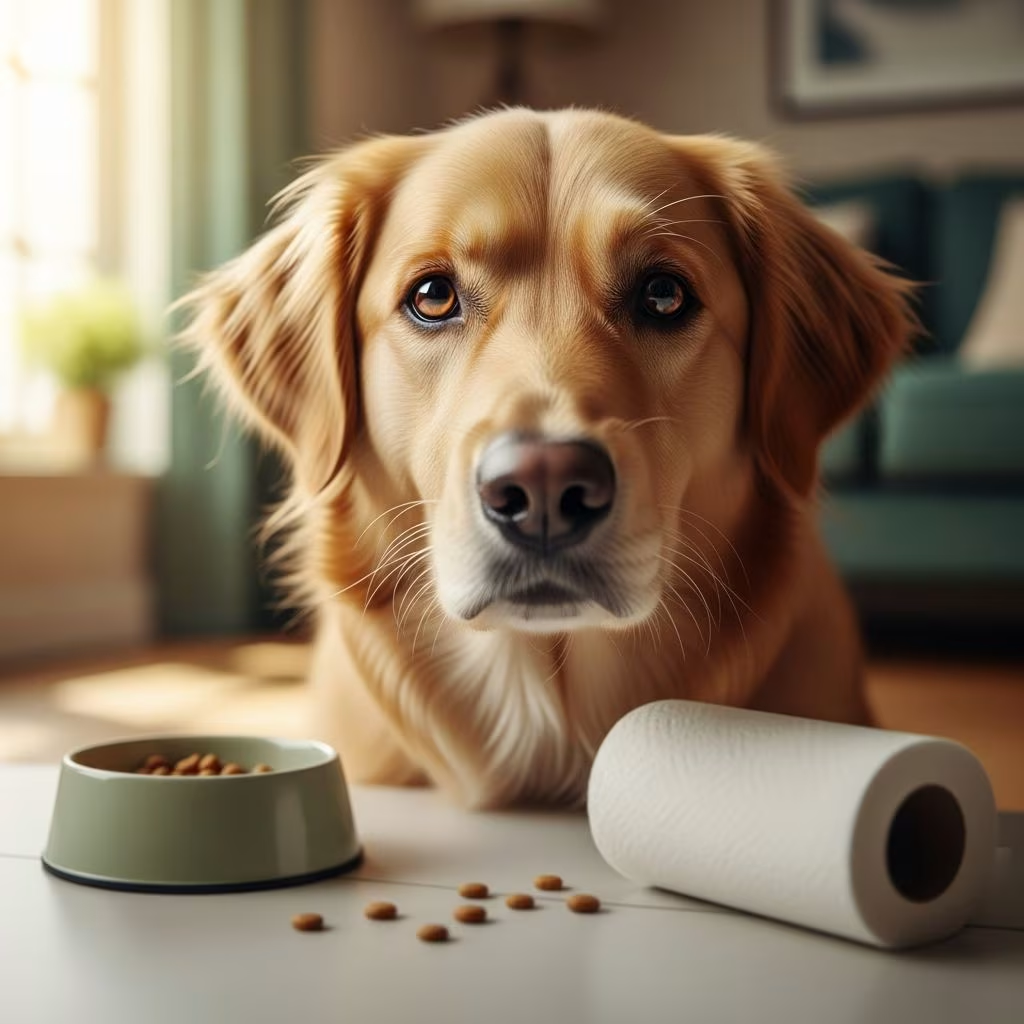
Gastroenteritis represents one of the most frequently encountered digestive disorders in dogs, characterized by inflammation of the stomach and intestinal lining. When your dog experiences this condition, the affected tissue becomes irritated and inflamed, triggering a cascade of uncomfortable symptoms that range from mild discomfort to severe illness. This comprehensive guide explores the multifaceted nature of gastroenteritis, helping pet owners understand what causes the condition, recognize warning signs, and implement appropriate management strategies.
What Exactly is Gastroenteritis in Dogs?
Gastroenteritis occurs when the stomach and intestines become inflamed, disrupting normal digestive function. This inflammation triggers the body’s defensive responses, including vomiting and diarrhea, which unfortunately lead to significant fluid loss and electrolyte depletion—particularly sodium and other essential minerals. The condition exists on a spectrum, from self-limiting episodes lasting a day or two to chronic conditions requiring ongoing management. Understanding the fundamental nature of this disorder helps pet owners appreciate why professional evaluation matters, even when initial symptoms seem minor.
Identifying the Underlying Triggers
Multiple factors can precipitate gastroenteritis in dogs, and in many cases, veterinarians never definitively establish the specific cause. However, recognizing common culprits helps owners implement preventive measures.
Dietary Indiscretions and Food-Related Causes
Dogs possess an infamous reputation for consuming inappropriate items, making dietary indiscretion the leading cause of gastroenteritis in many dogs. This category encompasses numerous scenarios: raiding garbage cans, consuming spoiled food, eating excessive high-fat treats, or sampling human table scraps. Puppies and younger dogs demonstrate particularly high susceptibility to dietary indiscretion-related gastroenteritis. Additionally, when pet owners introduce new food without gradual transition, the sudden dietary shift can trigger gastrointestinal upset. Abrupt diet changes fail to allow the gut microbiota—the beneficial bacterial community lining the digestive tract—adequate time to adapt to different food components.
Infectious Agents
Both bacterial and viral infections represent significant gastroenteritis triggers in canine populations. Bacterial overgrowth, particularly organisms like clostridium, disrupts normal gut flora balance and produces toxins that damage intestinal lining. Viral infections, especially parvovirus, commonly cause severe gastroenteritis with bloody diarrhea and vomiting. Dogs can acquire these infections through contact with contaminated environments or other affected animals. In multi-dog households, determining whether gastroenteritis stems from infectious agents versus dietary causes becomes particularly important, as infectious causes require isolation protocols to prevent transmission.
Parasitic Infestations
Internal parasites, including roundworms, hookworms, and giardia, frequently cause gastroenteritis in dogs of all ages but particularly affect puppies and unvaccinated animals. These organisms damage intestinal walls and compete for nutrients, triggering inflammatory responses. Regular deworming protocols and preventive parasite treatments significantly reduce the risk of parasitic gastroenteritis.
Breed-Specific Predispositions
Certain dog breeds demonstrate heightened susceptibility to gastroenteritis, particularly hemorrhagic gastroenteritis—a severe form characterized by bloody vomit and diarrhea accompanied by pronounced dehydration. Small-breed dogs, especially Dachshunds, experience this condition more frequently than larger breeds. Recognizing breed-specific vulnerabilities allows owners to exercise greater vigilance regarding dietary management and rapid intervention when symptoms emerge.
Other Contributing Factors
Beyond these primary causes, gastroenteritis can develop from medication side effects, inflammatory bowel disease, food allergies or sensitivities, gastrointestinal ulcers, intestinal obstructions, organ dysfunction, and cancerous growths affecting the digestive tract. Environmental toxins or poisonings may also trigger acute gastroenteritis. This diversity of potential causes underscores why veterinary evaluation provides essential diagnostic insight.
Recognizing Warning Signs and Symptoms
Gastroenteritis presents with a characteristic constellation of symptoms resulting from intestinal inflammation and fluid loss. Early recognition facilitates prompt intervention and prevents potentially serious complications.
- Vomiting and retching: Dogs may vomit repeatedly or exhibit unproductive retching, indicating nausea and gastric irritation
- Diarrhea: Ranging from soft stools to explosive liquid diarrhea, sometimes containing blood or mucus
- Reduced appetite: Affected dogs often refuse meals or demonstrate diminished interest in food
- Lethargy and fatigue: The body diverts energy toward fighting inflammation, leaving dogs less active and playful
- Abdominal discomfort: Dogs may whimper, exhibit hunched posture, or show reluctance to be handled around the abdomen
- Dehydration indicators: Dry mucous membranes, reduced skin elasticity, and concentrated urine suggest significant fluid loss
- Weight loss: Prolonged gastroenteritis results in inadequate nutrient absorption and caloric intake
When Mild Cases Warrant Professional Attention
Acute gastroenteritis often resolves spontaneously within 24–48 hours, particularly when caused by dietary indiscretion or minor digestive upset. However, certain warning signs necessitate veterinary evaluation regardless of apparent severity. Persistent vomiting lasting beyond 24 hours, diarrhea containing blood, signs of severe dehydration, extreme lethargy, abdominal swelling, or symptoms persisting beyond 3–4 days all warrant professional assessment. Additionally, very young puppies, senior dogs, and those with pre-existing health conditions require veterinary evaluation even for seemingly mild symptoms, as their reduced physiological reserves increase complication risks.
Diagnostic Approaches and Veterinary Assessment
When you present your dog to a veterinarian with gastroenteritis concerns, the clinical evaluation typically begins with a thorough physical examination and detailed history. Your veterinarian will assess hydration status, abdominal sensitivity, and overall clinical appearance. In many mild cases, particularly when symptoms resolve quickly, specific diagnostic testing occurs infrequently, as the likely cause becomes apparent through history alone.
However, when symptoms persist, diagnostics become instrumental. Blood work evaluates electrolyte levels, kidney and liver function, and overall inflammatory markers. Fecal examinations identify parasitic infestations or pathogenic bacteria. Imaging studies—including radiographs and ultrasound—rule out foreign body ingestion or intestinal obstruction. Abdominal imaging proves particularly valuable when clinical signs suggest potential blockages or other structural abnormalities.
Therapeutic Interventions and Recovery Protocols
Gastroenteritis treatment principles center on rehydration, electrolyte restoration, symptom management, and addressing underlying causes. The specific approach depends on severity, underlying etiology, and individual patient factors.
Fluid Therapy and Rehydration
Rehydration represents the cornerstone of gastroenteritis management, particularly in moderate to severe cases. Intravenous fluid administration provides rapid electrolyte restoration and rehydration for hospitalized dogs with significant fluid losses. Subcutaneous fluid therapy offers an alternative for outpatient management. By restoring fluid volume and electrolyte balance, fluid therapy addresses the dangerous dehydration that accompanies prolonged vomiting and diarrhea.
Pharmaceutical Interventions
Veterinarians employ several medication classes to manage gastroenteritis symptoms and underlying causes:
- Anti-nausea medications: Drugs like maropitant (Cerenia®) or metoclopramide (Reglan®) reduce nausea and vomiting, allowing dogs to retain fluids and nutrients.
- Gastrointestinal protectants: Medications including famotidine (Pepcid®) and ranitidine (Zantac®) reduce stomach acid production, decreasing nausea and preventing ulcer formation.
- Antibiotics: When bacterial infections are identified or suspected, antibiotics like metronidazole target pathogenic organisms and restore normal bacterial balance.
- Deworming agents: Medications such as pyrantel pamoate eliminate parasitic infections.
Probiotic Supplementation
Probiotics containing beneficial bacteria help restore normal gut microbiota disrupted by inflammation, infection, or antibiotics. These supplements contain friendly organisms that promote intestinal health and can help firm stools while soothing intestinal walls. Veterinarian-recommended probiotics tend to provide superior outcomes compared to over-the-counter alternatives lacking proven efficacy.
Dietary Management
Nutritional therapy proves remarkably effective for gastroenteritis recovery. Initial treatment often involves brief fasting—typically 12–24 hours—to allow the inflamed digestive tract rest. Subsequently, dogs receive small, frequent meals of highly digestible, low-fat food. Prescription gastroenteric diets specifically formulated for digestive upset promote healing and facilitate recovery. Owners gradually reintroduce the regular diet over 4–7 days as clinical signs resolve, allowing the digestive system to readapt without triggering relapse.
Surgical Intervention
Dogs presenting with gastroenteritis secondary to foreign body ingestion, intestinal obstruction, or gastrointestinal cancers may require surgical intervention. Surgical removal of foreign objects prevents ongoing irritation and allows normal digestive function restoration. In such cases, surgery becomes curative when the underlying mechanical problem is successfully resolved.
Home Care Strategies During Recovery
For mild gastroenteritis cases managed at home, several supportive measures facilitate recovery:
- Withhold food temporarily: Brief fasting reduces digestive tract stress and nausea
- Provide frequent small water offerings: Small amounts of water more frequently prevent overwhelming a sensitive stomach while maintaining hydration
- Implement prescribed dietary modifications: Follow veterinary recommendations regarding specific foods and feeding schedules
- Ensure adequate rest: Minimize activity and stress to allow the body to focus on healing
- Administer medications consistently: Follow prescribed medication schedules precisely to maintain therapeutic benefits
- Monitor for complications: Watch for worsening symptoms that would necessitate veterinary re-evaluation
Contagiousness and Multi-Dog Households
Gastroenteritis itself is not inherently contagious; however, when viral or bacterial infections cause the condition, transmission between dogs becomes possible. Dogs in multi-dog households should be separated if infectious gastroenteritis is suspected, with the affected dog isolated to prevent spreading the causative agent to housemates. Proper hygiene practices, including hand washing and disinfection of contaminated areas, reduce transmission risks.
Prevention Strategies
Implementing preventive measures substantially reduces gastroenteritis incidence:
- Maintain consistent, high-quality diet without abrupt changes
- Implement gradual dietary transitions over 7–10 days when switching foods
- Prevent access to garbage, spoiled food, and inappropriate items
- Maintain current vaccination and parasite prevention protocols
- Minimize exposure to dogs with suspected infectious gastroenteritis
- Avoid excessive high-fat treats and table scraps
- Provide regular veterinary check-ups for early disease detection
Expected Recovery Timelines
Recovery from gastroenteritis varies considerably based on cause and severity. Mild cases frequently resolve within 24–48 hours with minimal intervention. Moderate cases typically require 3–7 days of treatment and dietary modification. Severe cases involving infectious agents, parasites, or complications may require 1–2 weeks of intensive management. Chronic underlying conditions may result in recurrent episodes requiring long-term management rather than definitive cure.
Frequently Asked Questions
How long does gastroenteritis typically last in dogs?
Acute gastroenteritis often resolves within 24–48 hours, while more severe cases may require 7–14 days of treatment and recovery. The duration depends on the underlying cause and treatment response.
Can I treat mild gastroenteritis at home?
Mild cases characterized by vomiting and diarrhea without severe symptoms can often be managed at home with rest, fasting, and bland food. However, if symptoms persist beyond 24 hours or worsen, veterinary evaluation is necessary.
Is gastroenteritis contagious between dogs?
Gastroenteritis caused by viruses or bacteria can spread between dogs; however, dietary indiscretion-related gastroenteritis is not contagious. Infectious cases require isolation to prevent transmission.
What foods should I feed during recovery?
Highly digestible, low-fat prescription diets specifically formulated for gastroenteritis recovery provide optimal nutrition during healing. Your veterinarian can recommend appropriate options for your specific dog.
References
- Gastroenteritis in Dogs: Symptoms, Recovery, and More — PetMD. https://www.petmd.com/dog/conditions/digestive/gastroenteritis-dogs-symptoms-recovery-and-more
- Gastroenteritis in Dogs: What You Need to Know — Hill’s Pet Nutrition. https://www.hillspet.com/dog-care/healthcare/gastroenteritis-in-dogs
- Canine Gastroenteritis: Symptoms and Recovery Tips — Veteris UK. https://veteris.co.uk/petcare-advice/canine-gastroenteritis-symptoms-and-recovery-tips
- Gastroenteritis in Dogs — VCA Animal Hospitals. https://vcahospitals.com/know-your-pet/gastroenteritis-in-dogs
- Gastroenteritis in Dogs — Vet Center Morris County. https://www.vetcentermorriscountyfp.com/resources/gastroenteritis-in-dogs
- Gastroenteritis (stomach upset) in dogs — PDSA. https://www.pdsa.org.uk/pet-help-and-advice/pet-health-hub/conditions/gastroenteritis-stomach-upset-in-dogs
- Vomiting and Diarrhoea | Gastroenteritis in Dogs — Blue Cross. https://www.bluecross.org.uk/advice/dog/health-and-injuries/vomiting-and-diarrhoea-in-dogs



