

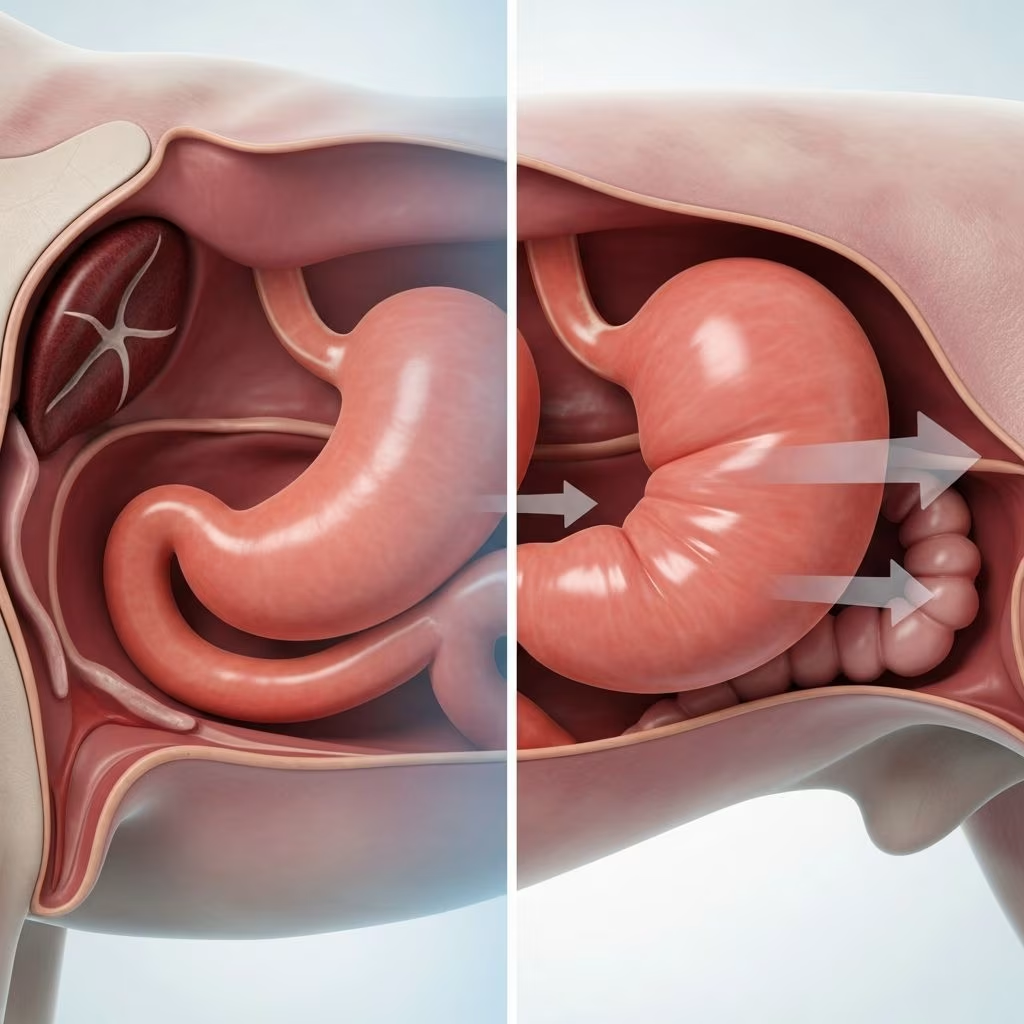
What is Gastric Dilatation-Volvulus?
Gastric dilatation-volvulus, commonly referred to as bloat or GDV, represents one of the most serious and time-sensitive medical emergencies affecting dogs. This life-threatening condition occurs when a dog’s stomach rapidly overfills with gas, food, or fluid and then rotates or twists on itself. Unlike simple stomach distension that resolves on its own, GDV involves both the enlargement and rotation of the organ, creating a cascade of physiological complications that can prove fatal within hours without immediate veterinary intervention.
Under normal circumstances, a dog’s digestive system manages food and gas through natural processes. Digestive enzymes break down ingested food while gases either travel backward through the esophagus as burps or move forward through the gastrointestinal tract. However, when bloat develops, these normal mechanisms fail catastrophically, trapping gas and preventing normal gastric function.
Contributing Factors and Risk Elements
While veterinary experts have not definitively determined the exact cause of GDV, extensive research has identified numerous risk factors that substantially increase a dog’s likelihood of developing this condition. Understanding these contributing elements allows dog owners to implement preventive measures tailored to their pets’ specific circumstances.
Feeding-Related Contributors
- Consuming food at excessively rapid rates
- Consuming abnormally large meal portions
- Drinking excessive quantities of water in brief timeframes
- Eating from elevated or raised food bowls
- Consuming dry kibble with fat or oil listed among the first four ingredients
- Small kibble size relative to the dog’s mouth
Activity and Behavioral Risk Factors
- Exercising immediately before or shortly after eating
- Aggressive or nervous temperament
- Heightened stress or anxiety, particularly in boarding or unfamiliar environments
Biological and Hereditary Considerations
- Genetic predisposition or established family history of GDV
- Membership in large breed categories with deep chest structures
- Purebred status, with purebred dogs exhibiting 1.5 to 4.8 times greater risk than mixed breeds
- Advanced age
- Male sex
- Body weight exceeding 99 pounds
- Being significantly overweight or underweight
Research indicates that large, deep-chested breeds face the highest vulnerability to GDV development. The combination of genetic factors and anatomical characteristics creates an environment where stomach rotation becomes more probable.
Recognizing Critical Warning Indicators
Early recognition of bloat symptoms can mean the difference between survival and tragedy. Dog owners must remain vigilant for both obvious and subtle signs that their pet may be experiencing gastric distress. The following indicators warrant immediate veterinary evaluation:
Observable Physical Symptoms
- Abdominal swelling or visibly bloated appearance, though this may not be apparent in early stages
- Tight, rigid abdomen that is difficult or painful to touch
- Dry heaving, retching, or repeated unsuccessful attempts to vomit
- White foam or mucus expelled when attempting to vomit, originating from the esophagus or stomach
- Excessive drooling and salivation
- Shallow, labored breathing or rapid panting
Behavioral and Physiological Changes
- Sudden onset of anxiety, restlessness, or pacing
- Inability to find a comfortable position or settle down
- Constant movement around the home
- Visible signs of pain including whining, stiff posture, or reluctance to move
- Pale gums indicating compromised circulation
- Weak pulse
- Sudden collapse or signs of shock in advanced stages
The constellation of these symptoms, particularly when appearing suddenly and in combination, demands urgent professional veterinary care. Pet owners should not attempt home management or observation periods, as every minute significantly impacts survival outcomes.
Diagnostic Procedures and Assessment Methods
Upon presentation to a veterinary facility, practitioners employ several diagnostic tools to confirm GDV and assess severity. X-ray imaging provides definitive visualization of stomach dilation and rotation. Blood tests reveal electrolyte imbalances and organ function status, offering critical information about the extent of systemic compromise. An electrocardiogram (ECG) detects heart abnormalities or arrhythmias resulting from toxin accumulation due to reduced blood circulation. These diagnostic approaches work in concert to guide treatment decisions and predict prognosis.
Emergency Treatment Protocols
GDV cannot be managed through home remedies or conservative outpatient care. This condition requires hospitalization and expert veterinary intervention. Treatment approaches vary based on bloat severity and the dog’s physiological status upon arrival.
Initial Stabilization Phase
Before surgical intervention, veterinarians prioritize aggressive stabilization of shock through intravenous fluid administration containing critical electrolytes. This intensive fluid therapy restores circulation to vital organs and counteracts the severe shock state that accompanies GDV. Additional IV medications often include pain relievers, electrolyte supplements, lidocaine, and antibiotics to address discomfort and prevent secondary infections. In cases involving severe hemorrhaging, blood transfusions may become necessary.
Stomach Decompression Techniques
Releasing trapped gas represents a critical intermediate step before surgery. Trocharization involves inserting a large needle through the abdominal wall directly into the stomach, allowing pressurized gas to escape and restore normal blood flow. A stomach tube may also be passed from the mouth into the stomach to further empty accumulated contents; however, this approach does not always succeed if the stomach entrance remains obstructed.
Surgical Intervention
Emergency surgery becomes necessary once the dog achieves sufficient stability for anesthesia, which typically occurs after initial fluid resuscitation and decompression. During surgery, veterinarians untwist the stomach and return it to its normal anatomical position. They remove any portions of stomach wall tissue that have died due to compromised blood supply. The procedure concludes with gastropexy, a technique permanently affixing the stomach to the body wall.
Gastropexy represents a crucial preventive component of GDV surgery. While this procedure does not prevent future stomach distension from large meals, it remarkably reduces recurrence risk. Without gastropexy, approximately 80 percent of dogs experience repeat GDV episodes; with this intervention, recurrence drops below 5 percent.
Post-Operative Support
Following surgical correction, dogs receive ongoing supportive care including continued IV fluid therapy, pain management, antibiotic administration, and frequent movement stimulation to encourage normal gastrointestinal tract function. This comprehensive post-operative approach addresses both immediate surgical trauma and the systemic effects of the GDV episode.
Prognosis and Survival Considerations
When caught sufficiently early and treated appropriately, bloat proves curable. However, outcomes depend heavily on the time elapsed between symptom onset and professional treatment initiation. Dogs presenting with shock, severe tissue damage, or complications from delayed diagnosis face considerably poorer prognoses. Even with optimal treatment, some dogs do not survive the acute crisis or subsequent complications.
Implementing Preventive Strategies
While GDV cannot be completely prevented, particularly in genetically predisposed breeds, owners can substantially reduce risk through targeted management approaches:
- Divide daily food portions into multiple smaller meals rather than one large feeding
- Maintain slow feeding practices, using specialized bowls designed to restrict eating speed if necessary
- Use floor-level food bowls rather than raised platforms
- Separate feeding and vigorous exercise by adequate time intervals—avoid activity for several hours after meals
- Ensure consistent daily routines and minimize stress-inducing situations
- Monitor water consumption and prevent excessive rapid drinking, particularly following exercise
- Select dry food formulations where fat and oil do not appear among the first four ingredients
- Maintain appropriate body weight through balanced nutrition and regular exercise
- Discuss prophylactic gastropexy with your veterinarian if your dog belongs to a high-risk breed or has family history of GDV
When to Seek Immediate Veterinary Care
Any dog displaying symptoms consistent with bloat requires emergency veterinary evaluation without delay. Do not wait to see whether symptoms resolve spontaneously. Do not attempt to treat suspected GDV at home with remedies or monitoring. Contact an emergency veterinary facility immediately if your dog exhibits abdominal distension, retching without productive vomiting, excessive restlessness, difficulty breathing, or signs of pain.
Frequently Asked Questions
How quickly does bloat develop and become life-threatening?
Bloat can develop rapidly and become life-threatening within hours. The condition is often observed two to three hours after a meal, particularly when dogs have consumed large quantities of dry food followed by excessive water intake or strenuous exercise. Without treatment, shock and organ damage progress quickly, making immediate intervention essential.
Can any dog breed develop bloat?
While all dogs can theoretically develop bloat, large breeds with deep chests face significantly elevated risk. Certain purebred dogs show substantially higher predisposition than mixed breeds. However, cases have been documented across various sizes and breed types, so vigilance remains important for all dog owners.
Is bloat preventable?
While complete prevention remains impossible, particularly for genetically susceptible dogs, risk reduction through careful feeding management, exercise timing, stress minimization, and potentially prophylactic gastropexy can substantially lower incidence. These preventive approaches prove especially important for high-risk individuals.
What is the cost of treating bloat?
Emergency treatment for GDV typically involves substantial expense due to required hospitalization, diagnostic procedures, surgery, and post-operative care. Costs vary by geographic location and facility, but owners should anticipate several thousand dollars for comprehensive treatment. Pet emergency insurance or care credit options help some families manage these expenses.
References
- Bloat in Dogs: Symptoms, Treatment & Prevention — CareCredit. 2024. https://www.carecredit.com/well-u/pet-care/bloat-in-dogs/
- Gastric Dilatation-Volvulus (Bloat) — Veterinary Medical Center of CNY. 2024. https://vmccny.com/gastric-dilatationvolvulus-bloat/
- Bloat in Dogs — PetMD. 2024. https://www.petmd.com/dog/conditions/digestive/bloat-in-dogs
- Gastric Dilatation Volvulus (GDV) or “Bloat” — Cornell University College of Veterinary Medicine, Riney Canine Health Center. 2024. https://www.vet.cornell.edu/departments-centers-and-institutes/riney-canine-health-center/canine-health-topics/gastric-dilatation-volvulus-gdv-or-bloat
- Canine Bloat (GDV): Risk, Treatment, and Prevention — Animal Emergency & Specialty Center Parker. 2024. https://www.aescparker.com/blog/canine-bloat-gdv-risk-treatment-and-prevention
- Bloat in Dogs | Symptoms and Treatment of Bloat — Blue Cross. 2024. https://www.bluecross.org.uk/advice/dog/health-and-injuries/bloat-in-dogs
- What Is Bloat (GDV) In Dogs? | Symptoms, Causes & Treatments — Vets Now. 2024. https://www.vets-now.com/pet-care-advice/gdv-bloat-in-dogs/



