

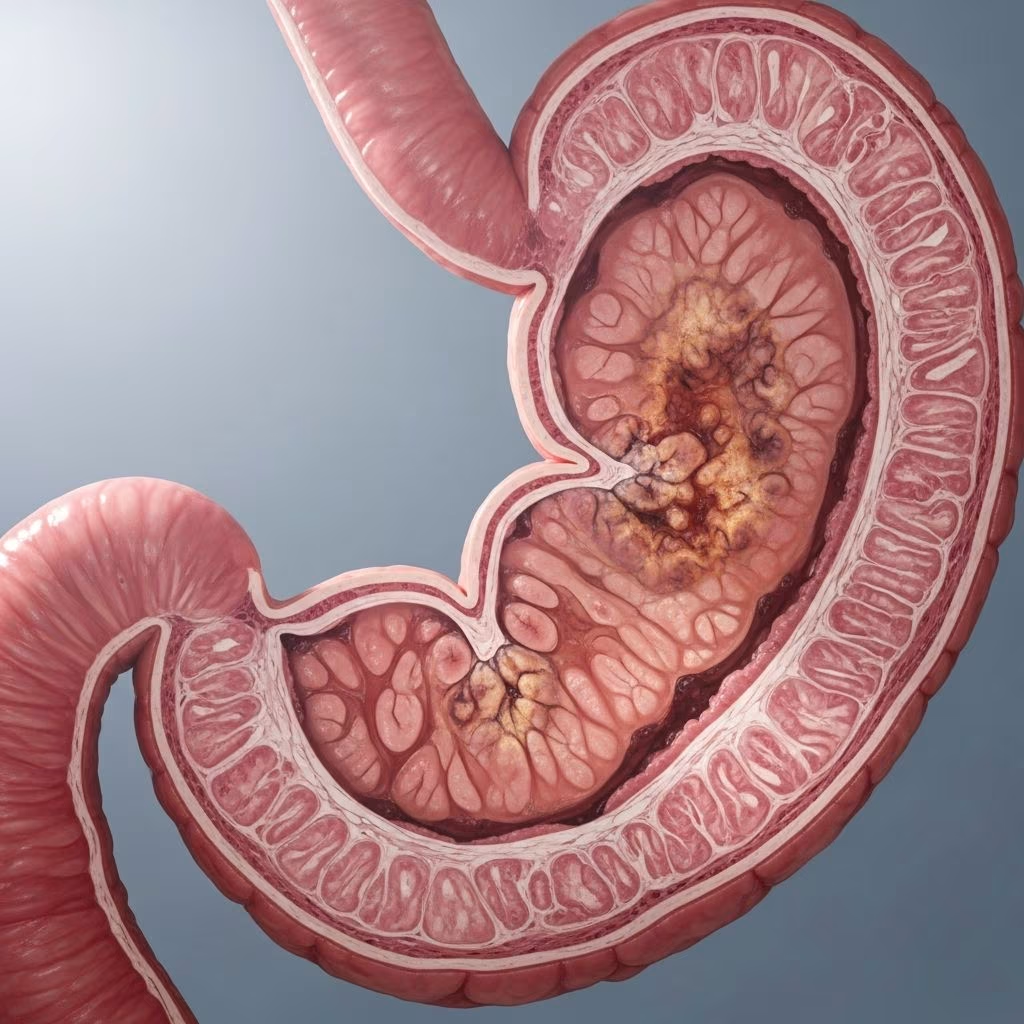
Stomach cancer in dogs, primarily manifesting as gastric adenocarcinoma or lymphoma, poses significant health challenges due to its aggressive nature and late detection. This condition affects the stomach lining, leading to debilitating symptoms that demand prompt veterinary intervention.
Understanding the Nature of Gastric Tumors in Dogs
Gastric tumors in canines develop from abnormal cell growth within the stomach walls, often starting as benign growths but frequently progressing to malignant forms. Adenocarcinoma represents the most prevalent type, characterized by invasive properties that can metastasize to lymph nodes, liver, or lungs. Lymphoma, another common variant, may present as localized masses or diffuse thickening of the gastric tissue.
Risk factors include advanced age, with most diagnoses occurring in dogs over seven years, and certain breeds like Rough Collies, Staffordshire Terriers, and Belgian Shepherds showing predispositions. No definitive dietary cause exists, though processed foods containing nitrosamines may elevate risk slightly.
Early Detection: Key Indicators to Watch For
Recognizing stomach cancer early hinges on observing subtle behavioral and physical changes. Symptoms emerge gradually, often mimicking less severe gastrointestinal issues, which complicates timely diagnosis.
- Persistent Vomiting: Frequent episodes, especially post-meal, with possible blood or coffee-ground appearance from ulcerated tumors.
- Appetite Decline: Refusal to eat leading to rapid weight loss exceeding 10% of body mass.
- Melena or Bloody Stools: Dark, tarry feces indicating internal bleeding from gastric ulcers.
- Excessive Drooling: A sign of nausea, often accompanied by lip-licking.
- Lethargy and Weakness: Resulting from anemia due to chronic blood loss.
- Abdominal Discomfort: Manifested as whining, guarding the belly, or reluctance to move.
- Altered Bowel Habits: Diarrhea, constipation, or bloating from partial obstructions.
These signs can persist for weeks to months, underscoring the need for vigilant monitoring, particularly in senior dogs.
Diagnostic Approaches for Accurate Identification
Veterinarians employ a multi-step process to confirm gastric cancer. Initial assessment includes a thorough history review and physical exam, noting chronic vomiting or palpable masses.
Advanced imaging plays a crucial role:
- Radiography with Contrast: Oral barium outlines stomach abnormalities on X-rays.
- Ultrasound: Detects masses, wall thickening, or lymph node involvement.
- Endoscopy: Allows direct visualization and biopsy sampling.
- Biopsy and Cytology: Definitive for malignancy via histopathology.
Blood tests reveal anemia, elevated liver enzymes, or electrolyte imbalances, while staging via CT scans assesses metastasis.
Treatment Modalities: From Surgery to Supportive Care
Treatment strategies vary by tumor type, stage, and patient condition, aiming to extend life and alleviate suffering.
| Treatment Type | Description | Pros | Cons |
|---|---|---|---|
| Surgery | Gastrectomy removing up to 70% of stomach; bypass for obstructions | Potentially curative if early; relieves symptoms | High risk in seniors; not feasible if widespread |
| Chemotherapy | IV drugs every 2-3 weeks, 4-5 cycles | Targets metastasis; outpatient, mild side effects | May cause nausea, appetite loss; no hair loss in dogs |
| Radiation | Daily sessions for 3-4 weeks under sedation | Effective for inoperable localized tumors | Skin irritation, fatigue; risks to nearby organs |
For lymphoma, chemotherapy often takes precedence, sometimes combined with surgery. Palliative options like anti-nausea meds, pain relief, and nutritional support enhance quality of life when curative measures fail.
Prognosis and Long-Term Outlook
Prognosis remains guarded; early surgical intervention for localized adenocarcinoma offers median survival of 3-6 months, extending to 12 months with adjunct therapy. Advanced metastatic cases yield 1-3 months survival, with euthanasia common to prevent suffering.
Lymphoma responds better to chemo, achieving partial remission in 50-70% of cases. Factors improving outlook include tumor resectability, absence of metastasis, and overall health.
Preventive Measures and Lifestyle Adjustments
While unpreventable, risk mitigation involves high-quality diets avoiding preservatives, routine senior wellness checks, and prompt attention to GI symptoms. Anti-inflammatory diets rich in omega-3s may support gastric health.
Holistic adjuncts like acupuncture or herbal supplements warrant veterinary guidance to complement conventional care.
FAQs on Stomach Cancer in Dogs
What Causes Stomach Cancer in Dogs?
Genetic mutations in gastric cells drive tumor formation, influenced by age, breed, and possible environmental toxins, though exact causes are unidentified.
How Quickly Does Gastric Cancer Progress?
Symptoms develop over weeks to months, but tumors often metastasize before detection, hastening decline.
Can Dogs Survive Stomach Cancer?
Early detection with aggressive surgery offers cure potential; otherwise, treatments extend life modestly.
Is Chemotherapy Painful for Dogs?
No, it’s outpatient with minimal side effects like temporary nausea, unlike human experiences.
What Diet Helps Dogs with Stomach Cancer?
Small, frequent meals of bland, highly digestible food reduce vomiting; consult vets for tailored plans.
Supporting Your Dog Through Diagnosis and Treatment
Emotional support is vital; maintain routines, provide comfortable resting areas, and monitor for pain signals like vocalization or hiding. Collaborate closely with oncology specialists for holistic management.
Owner testimonials highlight improved quality of life via multimodal approaches, emphasizing early action’s role.
References
- Signs and Symptoms of Stomach Cancer in Dogs — BluePearl Pet Hospital. 2023. https://bluepearlvet.com/medical-articles-for-pet-owners/signs-and-symptoms-of-stomach-cancer-in-dogs/
- A Pet Owners Guide to Stomach Cancer in Dogs — Total.Vet. 2024. https://total.vet/stomach-cancer-in-dogs/
- Stomach Tumors (Epithelial) — VCA Animal Hospitals. 2023. https://vcahospitals.com/know-your-pet/stomach-tumors-epithelial
- Stomach Cancer in Dogs — DogCancer.com. 2024. https://www.dogcancer.com/articles/types-of-dog-cancer/stomach-cancer-in-dogs/
- Gastric Carcinoma: Common Stomach Tumor in Dogs — We Are The Cure. 2023. https://wearethecure.org/gastric-carcinoma-stomach-cancer-is-a-very-common-cancer-in-dogs/
- Early Signs of Stomach Cancer in Dogs — Kainer Vet. 2024. https://kainervet.com/early-signs-of-stomach-cancer-in-dogs/
- Canine Gastric Cancer: Current Treatment Approaches — PMC – NIH. 2022-08-15. https://pmc.ncbi.nlm.nih.gov/articles/PMC9394467/



