

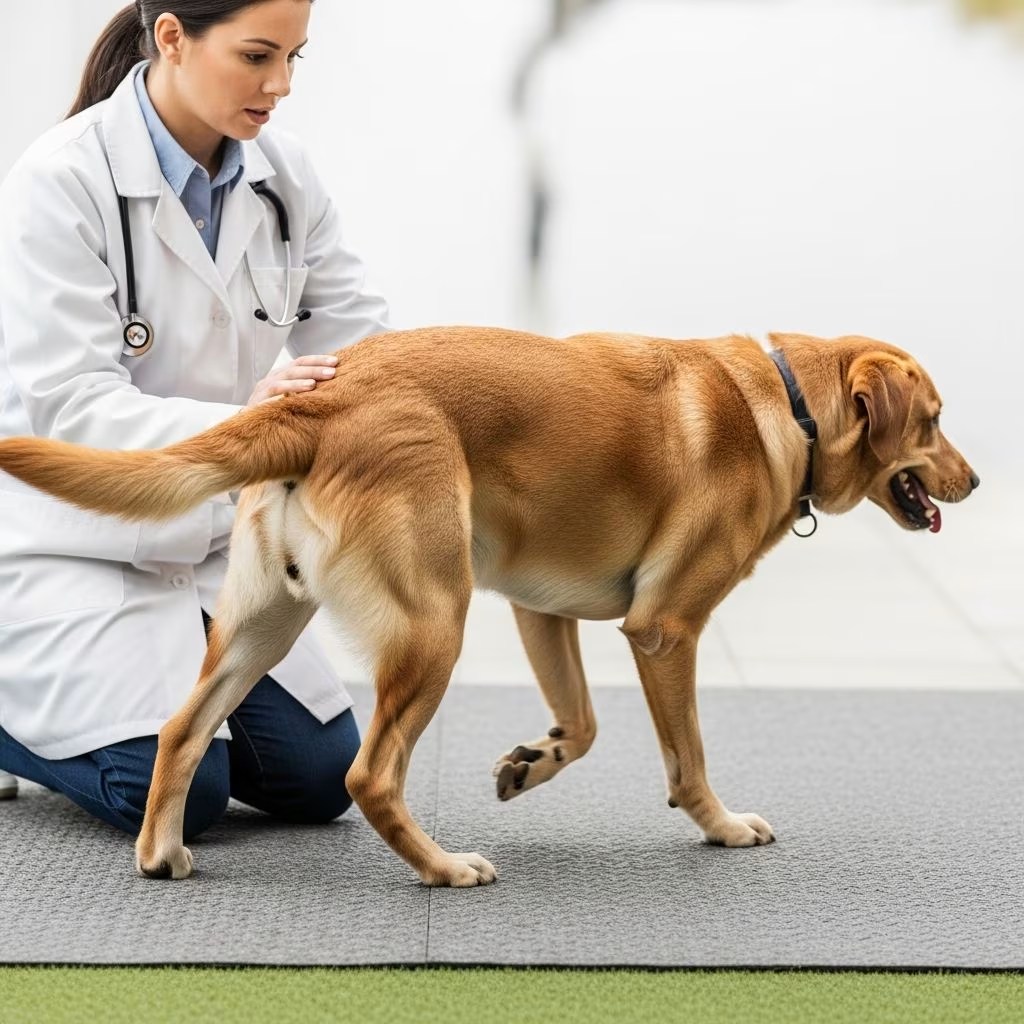
When a beloved canine companion begins to move differently—whether with a subtle favor of one leg or obvious inability to bear weight—pet owners naturally become concerned. Abnormal gait patterns in dogs, commonly referred to as lameness or limping, represent one of the most frequently encountered clinical presentations in veterinary practice. Rather than being a disease itself, this altered movement pattern serves as an important signal that something within your dog’s body requires attention and care. Understanding what causes these movement changes, how veterinarians identify underlying problems, and what treatment pathways exist can help you respond appropriately when your dog develops a limp.
What Exactly Is Lameness and Why It Matters
Lameness describes an inability or reluctance to use one or more limbs in a normal manner, typically resulting from pain, weakness, or both. This condition can manifest suddenly after an incident or develop gradually over weeks and months. Some dogs may show obvious signs like dragging a foot or refusing to place weight on a leg, while others display subtle changes that only become apparent during vigorous activity.
The significance of recognizing lameness extends beyond simple discomfort. Many underlying conditions causing abnormal gait—from torn ligaments to bone infections—require prompt intervention to prevent permanent damage, chronic pain, or loss of function. Early detection enables veterinarians to implement treatment strategies that can halt disease progression and restore quality of life more effectively than waiting for conditions to worsen.
Categorizing the Types of Movement Dysfunction
Veterinarians divide lameness into distinct categories based on where the problem originates within the body. This classification system helps guide diagnostic thinking and treatment planning.
Mechanical or structural problems arise from physical damage to bones, joints, ligaments, tendons, or cartilage. A dog with a broken bone or torn knee ligament experiences mechanical lameness because the musculoskeletal system cannot function properly. These conditions typically present with acute onset and visible swelling or deformity.
Neurological dysfunction occurs when nerve damage impairs communication between the brain and limbs, affecting movement control and coordination. Dogs with neurological lameness may display weakness, loss of proprioception (awareness of limb position), or abnormal gaits without necessarily experiencing pain at the affected joint. Conditions like spinal cord compression or peripheral nerve damage fall into this category.
Inflammatory conditions trigger pain and swelling without necessarily causing structural damage. Infections, immune-mediated diseases, and inflammatory arthropathies can all produce lameness through tissue inflammation and resulting discomfort.
Primary Causes of Abnormal Gait in Dogs
Orthopedic and Joint-Related Issues
The musculoskeletal system represents the most common source of lameness in dogs. Joint conditions develop through various mechanisms and affect dogs across all age groups.
Degenerative joint disease, commonly called osteoarthritis, develops when cartilage within joints progressively breaks down. This condition typically affects middle-aged to senior dogs and often results from previous injuries, developmental abnormalities, or years of wear and tear. Dogs with osteoarthritis show variable lameness that may worsen after exercise or during cold, damp weather.
Cranial cruciate ligament tears represent one of the most frequent orthopedic injuries in dogs. This crucial ligament stabilizes the knee joint, and when it ruptures—whether from acute trauma or gradual degeneration—the dog immediately becomes lame on that limb. The injury often causes sudden onset limping, swelling around the knee, and difficulty bearing weight. Active dogs and overweight dogs face higher risk of CCL tears.
Hip and elbow dysplasia are hereditary developmental disorders where joint surfaces fail to form correctly. These conditions cause chronic lameness that may become apparent as puppies grow or develop into pain in adult dogs. Both conditions can lead to early-onset arthritis if not properly managed.
Patellar luxation occurs when the kneecap slips out of its normal groove, typically affecting small breed dogs. Dogs may show intermittent limping or periods where they suddenly refuse to use a hindleg, then improve again as the patella realigns.
Spinal and intervertebral disk issues can cause lameness through compression or inflammation affecting nerve function. These conditions often present with difficulty rising, reluctance to jump, or variable limping affecting multiple limbs.
Traumatic Injuries and Fractures
Direct trauma from falls, vehicular accidents, or rough play can result in various injuries causing immediate lameness. Fractures produce sudden, severe lameness with inability to bear weight on the affected limb. However, softer tissue injuries like muscle tears, sprains, and ligament damage can also result from trauma and may not be immediately obvious on physical examination.
Pet owners should understand that severe internal damage may exist without visible external injury. A dog that limps after a fall or accident requires veterinary evaluation even if the skin appears intact.
Infections and Inflammatory Conditions
Various infectious agents and inflammatory processes trigger lameness through joint inflammation, pain, and swelling. Tick-borne illnesses like Lyme disease and ehrlichiosis commonly cause shifting leg lameness and joint pain. Bacterial bone infections (osteomyelitis) produce localized pain and swelling. These infections typically accompany systemic signs like fever, lethargy, and decreased appetite.
Immune-mediated conditions where the body’s defense system attacks joint tissues also cause lameness, often presenting with shifting patterns affecting different legs sequentially.
Neurological Dysfunction
Conditions affecting the nervous system impair proper limb movement and coordination. Spinal cord compression, peripheral nerve damage, and central nervous system disease can all manifest as lameness or abnormal gait without pain being the primary mechanism. Dogs with neurological lameness may show weakness, stumbling, knuckling (dragging paw pads on the ground), or uncoordinated movement.
Bone Diseases and Growths
Young dogs can develop conditions like hypertrophic osteodystrophy and panosteitis, which cause lameness through bone inflammation and pain. Bone tumors like osteosarcoma cause progressive lameness and pain, particularly in large breed dogs. Early detection becomes critical with cancerous bone conditions.
Distinguishing Acute From Chronic Lameness
The timeframe of lameness onset provides important diagnostic information. Acute lameness develops suddenly, often after a known incident like a fall or jump, while chronic lameness develops gradually over weeks or months. Acute cases frequently result from trauma, ligament injuries, or infections, while chronic lameness often reflects degenerative conditions like arthritis or hereditary joint problems.
The distinction matters for treatment planning. Acute injuries may benefit from immediate intervention to prevent complications, while chronic conditions require long-term management strategies focusing on pain control and maintaining function.
How Veterinarians Diagnose Gait Abnormalities
Identifying the specific cause of lameness requires a systematic diagnostic approach. Veterinarians begin by gathering detailed information about when the problem started, how it developed, and what activities make it better or worse. This history provides crucial context for directing further investigation.
Physical examination forms the foundation of diagnosis. The veterinarian observes the dog walking and standing, feeling each joint and limb for heat, swelling, pain, or instability. Orthopedic tests evaluate joint stability and ligament integrity. Neurological assessment checks reflexes, coordination, and proprioception to distinguish mechanical from neurological causes.
Radiography (X-rays) reveals bone fractures, joint abnormalities, arthritis changes, and bone tumors. Multiple views often prove necessary to fully visualize joint structures and identify subtle problems.
Advanced imaging techniques including ultrasound, computed tomography (CT), and magnetic resonance imaging (MRI) provide detailed views of soft tissues like ligaments, tendons, cartilage, and spinal cord. These advanced modalities help diagnose ligament tears, disk herniations, spinal cord compression, and other conditions invisible on radiographs.
Laboratory testing including blood tests, joint fluid analysis, and cultures helps identify infections, immune-mediated conditions, and systemic diseases. When tick-borne illness is suspected, serological testing can confirm diagnosis.
In some cases, definitive diagnosis cannot be reached without advanced imaging. When this occurs, veterinarians may recommend a trial of anti-inflammatory medication combined with rest to assess response, repeating diagnostics after several weeks to identify changes that clarify the underlying problem.
Treatment Approaches for Canine Lameness
Pain Management and Medications
Addressing pain represents a crucial component of lameness treatment, often allowing faster recovery and improved comfort. Nonsteroidal anti-inflammatory drugs (NSAIDs) like carprofen and meloxicam reduce both pain and inflammation while supporting healing. These medications prove particularly valuable for acute injuries and inflammatory conditions.
Joint supplements containing glucosamine and chondroitin may support long-term joint health and reduce degenerative progression in arthritic dogs. Prescription pain medications become necessary for severe cases or when NSAIDs alone prove insufficient.
Rest and Activity Modification
Restricting activity during acute injuries allows tissues to heal properly. Complete confinement for severe fractures, ligament tears, or spinal injuries prevents further damage and pain. As healing progresses, controlled exercise under veterinary guidance gradually restores strength and function.
Surgical Intervention
Many serious orthopedic problems benefit from surgical correction. Procedures like TPLO (Tibial Plateau Leveling Osteotomy) or lateral suture stabilization address cruciate ligament injuries, restoring knee stability and function. Orthopedic surgeons repair fractures with plates, pins, or screws. Hip dysplasia management may involve surgical procedures like femoral head ostectomy or total hip replacement in severe cases. Joint replacement surgery offers hope for dogs with severe arthritis affecting quality of life.
Physical Rehabilitation
Physical therapy and rehabilitation exercises build strength, improve flexibility, and restore function following injuries or surgery. Hydrotherapy in warm water pools allows exercise with reduced joint stress. Controlled land-based exercises, stretching, and massage techniques gradually improve mobility. Laser therapy and other modalities may reduce inflammation and support healing.
Weight Management
Excess body weight places additional stress on joints and compromises limb function. Maintaining appropriate weight reduces lameness severity in arthritic dogs and decreases injury risk in all dogs. Weight loss programs developed with veterinary guidance can substantially improve mobility and comfort in overweight dogs.
Supportive Devices and Assistive Equipment
Orthopedic braces, wraps, harnesses, and slings provide external support during healing and recovery. Ramps and stairs help dogs avoid jumping, reducing stress on compromised joints. Orthopedic bedding reduces pressure on joints during rest periods.
When to Seek Immediate Veterinary Care
Certain presentations warrant urgent veterinary evaluation. Contact your veterinarian immediately if your dog shows sudden severe lameness with inability to bear weight on a limb, visible bone deformity or swelling, signs of extreme pain, or paralysis affecting one or more limbs. Traumatic injuries, suspected poisoning affecting gait, or lameness accompanied by high fever also require prompt attention.
Persistent limping lasting longer than 24 hours should be evaluated by a veterinarian to identify the underlying cause before problems worsen.
Home Care and Management Strategies
While awaiting veterinary evaluation, several steps can provide comfort. Ice application to inflamed joints during the first 24 hours after acute injury reduces swelling. Restrict your dog’s activity and monitor the affected limb for changes. Remove obstacles that might cause additional injury. Provide soft, supportive bedding to reduce pressure while resting.
Following veterinary diagnosis, adhering to prescribed rest periods, medication schedules, and rehabilitation exercises maximizes treatment success. Regular reassessment appointments allow adjustments to the treatment plan based on healing progress.
References
- Lameness in Dogs — Merck Veterinary Manual. Accessed 2026. https://www.merckvetmanual.com/dog-owners/bone-joint-and-muscle-disorders-of-dogs/lameness-in-dogs
- Dog Limping & Lameness: Causes & Treatment — Bliss Animal Hospital. 2025. https://blissanimalhospital.com/blog/dog-limping-lameness-causes-treatment-orange-county-ca/
- Lameness in Dogs: Possible Causes & Treatments — TPLO Information. 2025. https://tploinfo.com/blog/lameness-in-dogs-possible-causes-treatments/
- The Art and Science of Diagnosing and Treating Canine Lameness — AO Foundation. December 2024. https://www.aofoundation.org/vet/about-aovet/blog/2024_12_blog_scharvogel_lameness-in-dogs
- Lameness in Dogs: Diagnosis and Treatment Options — Trinity Veterinary Hospital. 2025. https://trinityveterinaryhospital.com/blog/lameness-in-dogs/



