

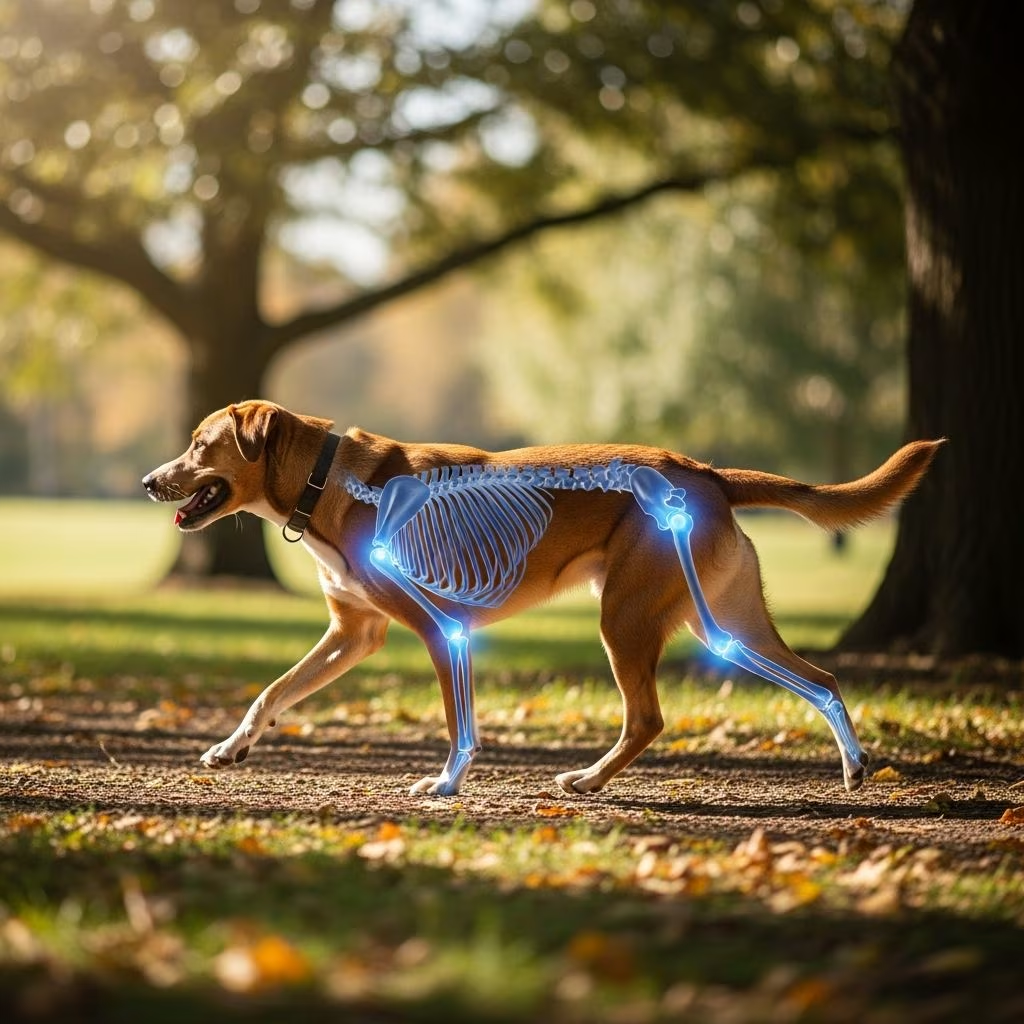
Active dogs require thoughtful exercise programming to maintain optimal health and prevent injuries that can compromise their quality of life. Whether your dog participates in organized sports, enjoys recreational hiking, or simply loves daily walks, understanding the principles of safe conditioning is essential. This comprehensive guide explores evidence-based strategies for building a fitness routine that strengthens your dog’s body while minimizing the risk of common injuries.
Understanding the Foundations of Safe Canine Exercise
The cornerstone of injury prevention in canine fitness involves developing a well-rounded conditioning program that addresses multiple aspects of physical capability. Rather than focusing exclusively on high-intensity activities, successful conditioning integrates strength development, endurance building, flexibility work, and sport-specific preparation.
Many dog owners underestimate the importance of establishing a solid foundation before introducing demanding activities. Dogs that engage in consistent, moderate exercise experience fewer injuries than those subjected to sporadic intense sessions. This principle, sometimes called progressive overload, requires that fitness gains develop gradually rather than through sudden increases in activity level.
Research indicates that dogs participating in organized athletic activities benefit significantly from veterinary evaluation before beginning new training regimens. A pre-exercise assessment helps identify any underlying orthopedic concerns and establishes realistic fitness targets based on your dog’s individual capacity.
The Critical Role of Pre-Exercise Preparation
Beginning exercise without proper preparation ranks among the most common mistakes in canine fitness programming. Warm-up activities serve a specific physiological function: they elevate core body temperature, increase blood flow to muscles and tendons, and prepare the nervous system for coordinated movement.
Effective Warm-Up Protocols
Quality warm-ups typically require 10 to 15 minutes of gradual activity before engaging in more demanding exercise. Walking or light jogging on a leash away from the training area allows the body to transition smoothly into more intense work. This preparation phase is particularly important for dogs participating in high-speed activities like agility or flyball.
Active stretching during the warm-up phase differs from static stretching and involves dynamic movements that take joints through their range of motion. Effective active stretches include:
- Weaving between handler’s legs to encourage spinal flexibility
- Side-to-side rope tugging (avoiding vertical pulling to prevent neck strain)
- Controlled spinning movements in both directions
- Transitions between sitting and standing positions
- Backward walking to engage different muscle groups
- Directional changes around objects or obstacles
These active movements prepare the musculoskeletal system more effectively than passive stretching alone and maintain your dog’s focus and readiness for the primary activity.
Implementing Variety Through Cross-Training
One of the most overlooked principles in canine fitness involves the dangers of repetitive motion. Dogs exercised exclusively on level surfaces or through identical movement patterns develop muscular imbalances that increase injury risk. Cross-training addresses this vulnerability by engaging different muscle groups through varied activities.
Diverse Activity Integration
A well-designed cross-training program incorporates multiple forms of movement throughout the week. Rather than walking on sidewalks or flat tracks exclusively, varying terrain creates substantial benefits:
- Grass surfaces engage stabilizer muscles differently than pavement
- Bare earth provides uneven footing that strengthens proprioceptive abilities
- Hill work builds strength in the hindquarters and cardiovascular system
- Valley or uneven terrain challenges balance and coordination
- Water-based activity (swimming, wading) provides low-impact conditioning
Swimming represents an exceptionally valuable cross-training component because it builds cardiovascular endurance while minimizing joint stress. Dogs have access to natural water bodies through lakes or ponds, or owners can utilize pools or beach environments when available.
Additional cross-training activities include hiking on varied terrain, which simultaneously builds proprioception and functional strength, and targeted games like tug work that develop neck and core strength. Nosework activities provide mental stimulation combined with low-impact physical engagement, reducing boredom while supporting overall fitness.
Building Strength Through Targeted Exercise
Specialized strength and conditioning exercises form the foundation for injury-resistant musculature. These movements should progress gradually, beginning with basic movements before advancing to more challenging variations.
Essential Strength-Building Movements
Sit-to-stand repetitions effectively build core strength and develop the muscles supporting the hind limbs. This exercise can be performed daily and modified by adjusting the speed of movement or adding resistance as the dog’s strength improves.
Controlled walking over low obstacles (cavaletti rails) improves proprioception—the dog’s awareness of body position in space—while building functional strength. This exercise translates directly to improved agility and reduced injury risk during spontaneous movement.
Down-to-sit transitions complement sit-to-stand work by strengthening different muscle groups and promoting overall stability. Balance work on unstable surfaces like wobble boards challenges the stabilizer muscles that protect joints during dynamic movement.
Progressive advancement requires careful monitoring. Owners should start slowly with each new exercise and gradually increase difficulty as their dog’s fitness improves. Proper form during these exercises is essential—supervision ensures your dog maintains correct positioning and prevents compensatory movement patterns that could increase injury risk.
Recovery Practices That Support Adaptation
Exercise stress creates the stimulus for fitness adaptation, but recovery allows that adaptation to occur. Post-exercise protocols significantly influence whether training produces positive or negative outcomes.
Implementing Proper Cool-Down Routines
After intense activity, a 15-minute cool-down walk helps gradually lower heart rate and body temperature while preventing blood pooling in the extremities. This transition phase is more than convenience—it represents a critical recovery component that reduces muscle soreness and stiffness.
Following the walking cool-down, gentle stretching and massage provide additional benefits. Passive stretching, where the handler gently moves the dog’s limbs through their range of motion, promotes blood flow and reduces post-exercise tension. Each stretch should be held for approximately 30 seconds and performed 4-5 times.
Massage techniques contribute both physical and psychological benefits. Thorough massage involves feeling for tight or banded tissues along the forearm and working down the leg to the toes. Attention to both the front and back surfaces of the forearm, where digital flexor muscles and carpus structures are located, proves particularly beneficial.
These recovery practices serve multiple functions: they reduce muscular tension, improve circulation to support nutrient delivery and waste removal, and strengthen the bond between handler and dog through physical contact.
Passive Range of Motion and Flexibility Development
Flexibility forms an often-underemphasized component of canine fitness. Passive range of motion (PROM) exercises involve moving joints through their available range multiple times, which promotes blood circulation and acts as a natural joint lubricant.
Active dogs benefit from PROM work targeting shoulders, elbows, carpus (wrist), hips, and stifles (knees). All movements should remain smooth and controlled while supporting and stabilizing the joints. Gentle pressure applied to muscles helps guide the dog’s body into each stretch, but pulling should always be avoided.
Consistent stretching returns tight muscle fibers to their natural elongated state, preventing tension buildup and improving overall flexibility. These improvements translate to increased speed, enhanced endurance, and better agility. For dogs recovering from previous injuries, stretching combined with strengthening exercises provides the best protection against reinjury.
Age-Specific and Breed-Specific Considerations
Different dogs require modified approaches based on age, size, and inherent physical characteristics. Senior dogs need special care during exercise and benefit from veterinary consultation regarding realistic fitness targets. A slow, progressive buildup in activity level helps maintain endurance while avoiding pain from overuse.
Toy and small breed dogs require supervision during exercise to ensure their joints handle activity appropriately. Starting new activities slowly, avoiding excessive knee stress, and maintaining proper hydration are particularly important for smaller dogs whose joints experience greater relative impact forces.
Large breed dogs have different considerations, as their greater size creates substantial joint stress during certain activities. Avoiding jumping down from heights protects carpal joints from excessive strain. Understanding your individual dog’s predispositions allows for programming that maximizes fitness while respecting anatomical vulnerabilities.
Frequency and Duration Guidelines
Establishing appropriate exercise frequency and duration supports fitness development while preventing overuse injuries. Experts recommend walking at least five days weekly, with sessions targeting a minimum of 30 minutes. This frequency ensures regular stretching and challenge of major body systems while supporting mental well-being.
However, simply accumulating minutes of activity is insufficient—the quality and variety of movement matter equally. Three sessions of varied, thoughtfully-structured exercise exceed the benefits of seven sessions of identical, repetitive movement.
Recognizing When to Modify or Reduce Activity
Vigilant monitoring of your dog’s response to exercise prevents minor issues from developing into significant injuries. Any signs of limping, reluctance to engage in previously enjoyed activities, or behavioral changes warrant careful evaluation and potential activity modification.
If your dog experiences injury despite preventive efforts, continuing exercise accelerates the injury progression. Individual drive should never override your dog’s health needs. Instead, allow appropriate recovery time and consider working with rehabilitation specialists who can guide a graduated return to activity.
Frequently Asked Questions
How often should I stretch my dog?
Daily stretching provides optimal benefits. Post-exercise stretching sessions are ideal, with each stretch held for 30 seconds and performed 4-5 repetitions. Passive stretching from an injury area may reduce recurrence risk, while strengthening exercises combined with stretching provide the best reinjury protection.
Can I start high-intensity training without a warm-up?
No. Warm-ups reduce injury incidence, specifically strains and sprains. For sprinting sports, 10-15 minutes of leash walking or jogging is recommended before training begins. Skipping this step significantly increases injury risk.
Is swimming good exercise for all dogs?
Swimming provides exceptional low-impact conditioning, but individual dogs have different tolerance levels. Always supervise water activities and introduce them gradually. For dogs with joint concerns, hydrotherapy programs on underwater treadmills offer controlled low-impact conditioning.
What’s the best surface for regular walking?
Varying surfaces provides superior benefits compared to exclusive pavement walking. Alternating between grass, bare earth, hills, and valleys engages different muscle groups and prevents repetitive motion injuries.
How do I know if my dog is overexercising?
Watch for limping, reluctance to exercise, behavioral changes, or difficulty with previously easy movements. Senior dogs and small breeds need particular attention. Start new activities slowly and monitor responses carefully.
References
- Canine Injury Prevention: Safeguarding Your Furry Athlete — JJ Dog, 2024. https://www.jjdog.com/blog/canine-injury-prevention-safeguarding-your-furry-athlete/
- Dog Exercises and Injury Prevention — Whole Dog Journal, 2024. https://www.whole-dog-journal.com/health/dog-exercises-and-injury-prevention/
- Preventing injury during dog sports — Warm up and cool down guide — One Mind Dogs, 2024. https://www.oneminddogs.com/blog/preventing-injury-during-dog-sports-warm-up-and-cool-down-guide/
- Preventing injury in sporting dogs — DVM360, Veterinary Information Network. https://www.dvm360.com/view/preventing-injury-sporting-dogs
- Preventing Injuries — Clean Run Magazine, 2024. https://www.cleanrun.com/feature/preventing_injuries/index.cfm
- Canine Sports Medicine Part 1: Peak Performance & Injury Prevention — Canine Rehabilitation of Orange County, 2024. https://www.caninerehaboc.com/post/csm-part1
- How to Help Prevent Pain From Exercise — Purina, 2024. https://www.purina.com/articles/dog/health/symptoms/how-to-prevent-pain-from-exercise
- A Guide to Rehabilitation Exercises for Injured Pets — Parkway Animal Hospital, 2024. https://parkwayanimalhospital.com/blog/1373911-a-guide-to-rehabilitation-exercises-for-injured-pets



