

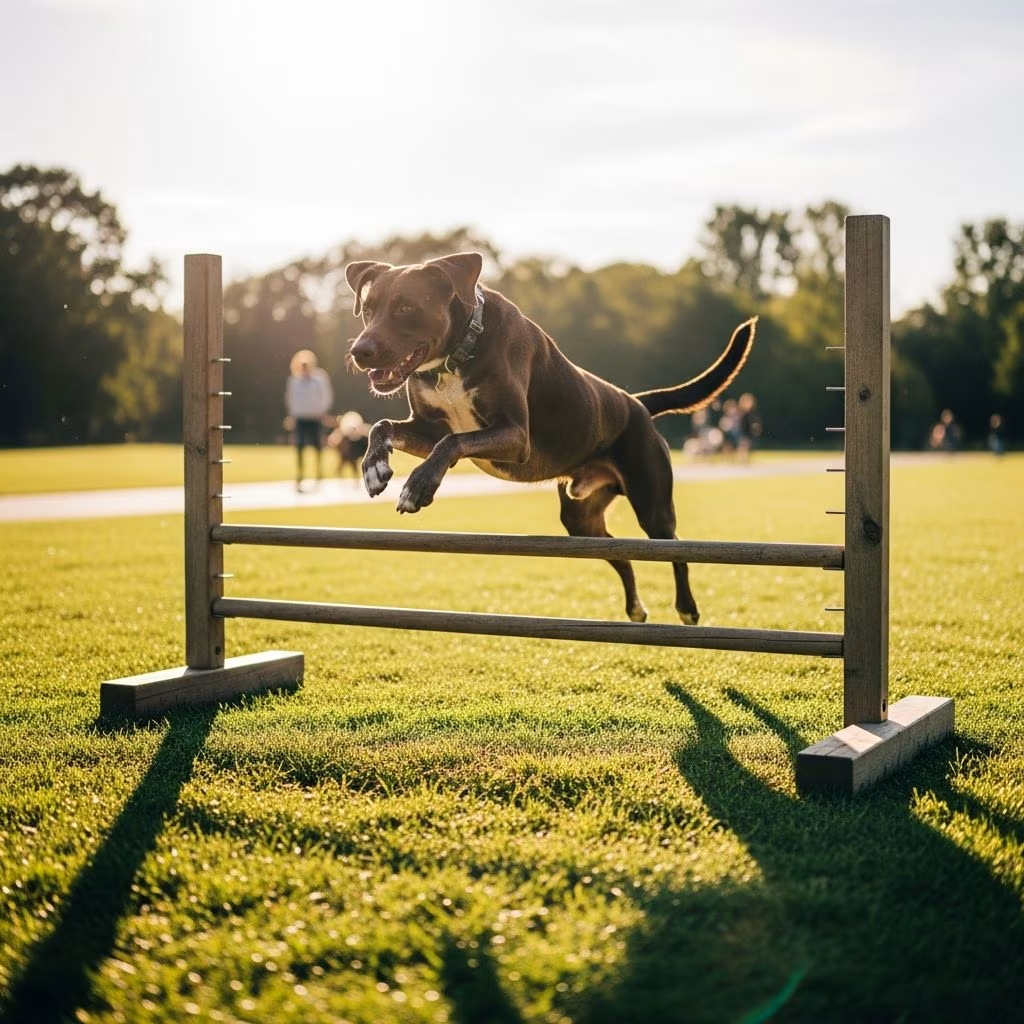
Regular physical activity is vital for dogs to maintain optimal health, prevent obesity, and support mental sharpness. A well-rounded fitness plan incorporates varied exercises that target strength, endurance, flexibility, and coordination, tailored to each dog’s age, breed, and condition.
Building a Strong Foundation with Basic Routines
Start every canine fitness journey with fundamental activities that promote consistency and safety. Walking serves as the bedrock of dog exercise programs due to its accessibility and benefits for both pet and owner. Aim for daily sessions of at least 20 minutes, gradually increasing duration and intensity to build stamina without risking strain.
Incorporate basic obedience cues during walks to enhance focus and control, making outings more enjoyable and effective. For variety, introduce slow leash walks on uneven terrain or gentle inclines, which engage multiple muscle groups while improving balance.
- Daily walks: 20-30 minutes on flat surfaces for beginners.
- Progress to 45-60 minutes with hills for advanced fitness levels.
- Combine with obedience drills like sit-stay at intersections.
Advanced Strength and Power Development
Elevate your dog’s athleticism through targeted strength exercises that focus on explosive power and muscle endurance. Resistance training, such as weight pulling with a specialized harness, builds hindquarter strength when introduced gradually with light loads over short distances.
Hill workouts provide natural resistance; begin with walking uphill, progressing to trotting. Use treadmills with inclines for controlled sessions, ensuring downward movements are slow to protect joints. Interval sprints on flat ground—short bursts of high-speed running followed by recovery—develop speed and cardiovascular capacity.
| Exercise | Benefits | Starting Tips |
|---|---|---|
| Weight Pulling | Increases muscle mass in back and legs | Light weight, 10-20 feet distance |
| Hill Sprints | Boosts power and endurance | Flat ground first, then 5-10% incline |
| Plyometrics (e.g., box jumps) | Enhances explosiveness | Low height, 3-5 reps per set |
Plyometric drills, like repeated jumps over low hurdles or bounding from a standstill onto elevated platforms, train muscles for rapid force generation, ideal for athletic dogs.
Therapeutic and Low-Impact Options
For dogs with joint concerns or recovering from injury, low-impact therapies offer safe conditioning. Hydrotherapy leverages water’s buoyancy to allow full-body workouts without joint stress. Swimming in currents or underwater treadmills mimics land movements while building strength and flexibility; sessions of 10 minutes, 1-2 times weekly, yield noticeable improvements after several weeks.
Gait training progresses from controlled leash walks to stair climbing and hill traverses, restoring mobility and endurance. These methodical exercises demand close monitoring to prevent overexertion.
- Hydrotherapy pros: Joint-friendly, multi-muscle engagement.
- Hydrotherapy cons: Needs access to facilities, dog must tolerate water.
- Gait training: Ideal post-injury, builds foundational strength.
Fun Outdoor Activities for Peak Conditioning
Engaging outdoor pursuits keep dogs motivated while delivering comprehensive fitness. Hiking on varied trails challenges senses and physique, with terrain adjustments for fitness levels. Swimming excels for overweight or arthritic dogs, providing aerobic exercise sans impact.
Agility courses with tunnels, jumps, and weaves sharpen coordination and speed. Frisbee sessions demand chasing, leaping, and catching, delivering cardio and agility boosts. Circuit training sequences—running, jumping, climbing—customize intensity for individual needs.
Dog dancing, or freestyle routines to music, blends physical exertion with bonding, enhancing flexibility and mental engagement.
Hind-End and Core Stabilization Drills
Focus on the rear assembly prevents common issues like hip instability. Elevate front paws on a stable platform to shift weight rearward, intensifying hind limb engagement. From this stance, cue head turns or nose touches to targets, prompting weight shifts that activate quads, hamstrings, glutes, and core isometrically.
Dynamic transitions, such as controlled downs to stands with feet stationary, build power in knees, hocks, and posterior muscles. Perform 5-10 reps in 2-3 sets for an effective workout; ensure proper form with flexed joints in downs.
Indoor Solutions for Any Weather
When outdoor access is limited, indoor exercises maintain momentum. Tug-of-war builds grip strength and endurance. Indoor fetch uses soft toys in hallways. Obstacle courses from household items—pillows for jumps, boxes for tunnels—foster agility.
Stair recalls, hiding treats for scent work, and puzzle toys provide mental-physical combos. Wobble boards or figure-eights enhance balance indoors.
- Tug: Alternate pulls, 5-minute sessions.
- Obstacle course: 4-6 elements, treat-guided.
- Stair work: Recall up/down, 10 reps.
Tailoring Programs to Individual Needs
Customize routines by breed, age, and health. Puppies need short, playful sessions to avoid growth plate damage. Seniors benefit from gentle swims and walks. High-energy breeds like Border Collies thrive on agility, while brachycephalics require low-intensity cardio.
Always warm up with trotting or light play to elevate heart rate safely. Cool down with stretches. Monitor for fatigue signs: heavy panting, limping. Consult vets for pre-existing conditions.
Consistency trumps intensity; daily moderate exercise outperforms sporadic long sessions. Track progress with photos or gait videos to adjust plans.
Preventing Injuries and Promoting Longevity
Balanced programs incorporating balance, core work, and body awareness reduce injury risk and extend active years. Alternate high/low impact days. Nutrition supports recovery—high-protein diets fuel muscle repair.
Regular vet check-ups ensure exercises suit current health. Early detection of imbalances allows targeted interventions like those strengthening stabilizers around hips and stifles.
FAQs
How often should I exercise my dog?
Most dogs need 30-60 minutes daily, split into sessions. Adjust based on age and breed; consult a vet for specifics.
Is swimming good for all dogs?
Yes, especially for joint issues, but ensure life vests for non-swimmers and supervise closely.
Can puppies do strength training?
Limit to play-based activities until 12-18 months to protect developing bones.
What if my dog refuses indoor exercises?
Use high-value treats and start simple; build gradually with positive reinforcement.
How do I know if my dog is overexercised?
Watch for reluctance, excessive thirst, or uneven gait; rest immediately and seek vet advice if persistent.
References
- Healthy Exercise for Dogs — VCA Animal Hospitals. 2023. https://vcahospitals.com/know-your-pet/healthy-exercise-for-dogs
- Types of Dog Physical Therapy: Exercises, Modalities, Techniques — Top Dog Health. 2024. https://topdoghealth.com/what-are-dog-physical-therapy-exercises/
- What Are the Best Exercises to Keep Your Dog Active and Healthy? — Blue Lake Veterinary. 2023. https://bluelakeveterinary.com/what-are-the-best-exercises-to-keep-your-dog-active-and-healthy/
- THE DOG’S REAR END FITNESS EXERCISES — Dogs4Motion Academy. 2024. https://dogs4motionacademy.com/the-dogs-rear-end/
- Raising the Bar: Increasing Speed & Power for Canine Athletes — Northeast K9 Conditioning. 2023. https://www.northeastk9conditioning.com/blog/raising-the-bar-speed-power



