

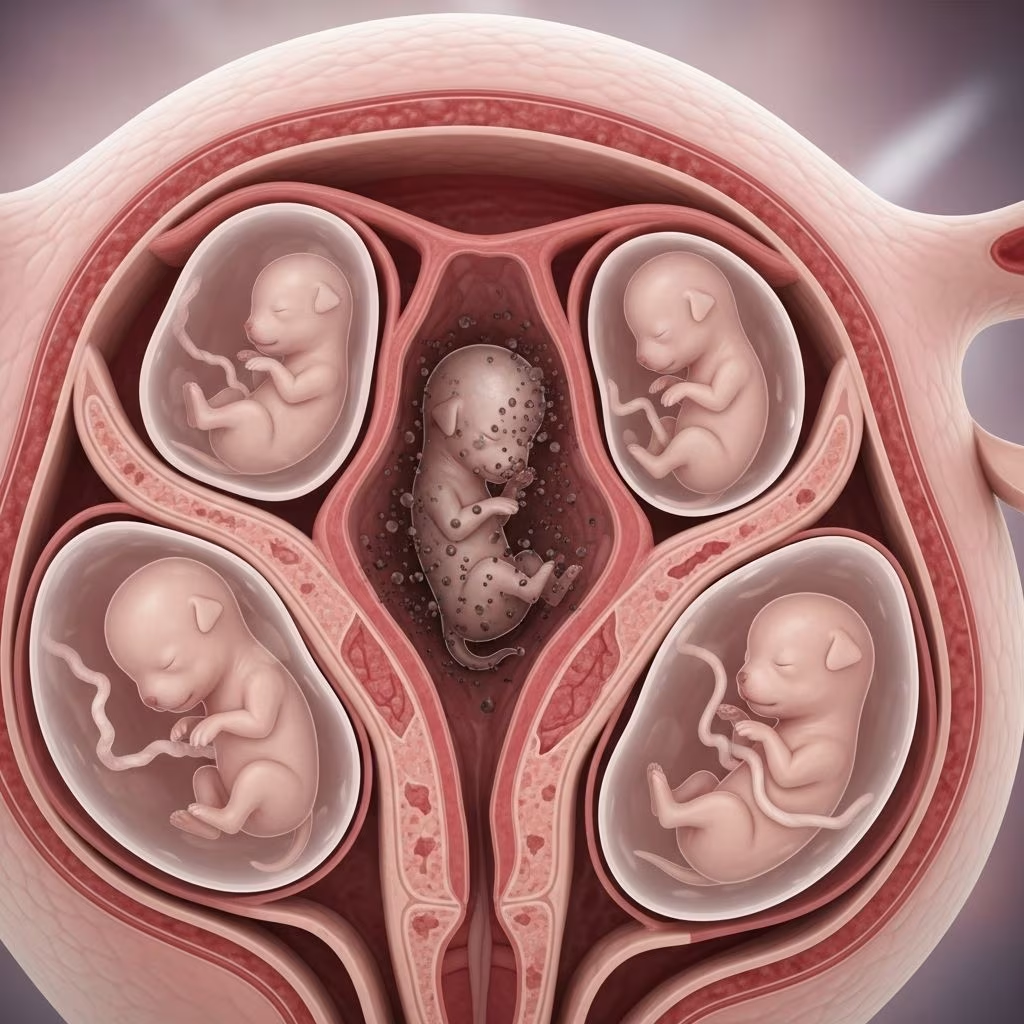
Canine fetal resorption, often referred to as puppy absorption, is a natural process where a developing embryo or fetus in a dog’s uterus is broken down and reabsorbed by the mother’s body. This phenomenon typically occurs in the early to mid-stages of gestation, usually before day 35, when the fetal tissues are still soft and before skeletal calcification begins.
The Biological Mechanism Behind Resorption
During resorption, the deceased fetus undergoes enzymatic decomposition within the uterus. The resulting compounds are either fully integrated into the dam’s bloodstream or partially expelled without noticeable discharge. This differs from later-stage miscarriages, where a formed fetus might be delivered stillborn. Early embryo loss, prior to day 17, shares similarities but is distinct from full fetal resorption.
In a typical litter, only individual puppies are affected, allowing siblings to develop normally. Full litter resorption is rarer but possible under severe conditions. The process ensures the dam’s resources are conserved for viable offspring, a survival adaptation in canine reproduction.
Primary Triggers of Fetal Resorption
Several factors can initiate fetal death leading to resorption. Understanding these helps breeders and owners mitigate risks.
Hormonal Imbalances
Progesterone deficiency, known as hypoluteoidism, is a leading cause. This hormone maintains uterine lining attachment for embryos. Low levels prevent implantation or sustainment, resulting in resorption or abortion. Supplementation may be advised in at-risk dams.
Infectious Agents
- Viral threats: Canine herpesvirus 1 often causes asymptomatic infections in dams, leading to fetal loss. Canine distemper and parvovirus trigger resorption via maternal stress or direct impact.
- Bacterial risks: Brucella canis is notorious for embryonic death and infertility.
- Parasitic involvement: Toxoplasma gondii and Neospora caninum, though uncommon, disrupt gestation.
Genetic and Developmental Flaws
Many resorptions stem from chromosomal abnormalities in the fetus, such as random mutations in gametes. These defects halt development early, prompting natural elimination. Older dams face higher risks due to accumulated genetic errors.
Maternal Health Conditions
Uncontrolled diabetes, hypothyroidism, or pregnancy toxemia (metabolic crises from malnutrition or large litters) can provoke resorption. Uterine inflammations or poor placental formation exacerbate issues.
Environmental and Nutritional Factors
While evidence is anecdotal for pure stress, illness-induced stress correlates with losses. Nutritional shortfalls, particularly in proteins and fatty acids like DHA, may impair development. Toxic exposures or trauma round out less common triggers.
Recognizing Subtle Indicators
Resorption often evades detection due to its covert nature—no bleeding, discharge, or behavioral shifts in most cases. Owners might note a smaller litter via ultrasound follow-up or vague pregnancy signs like mammary changes that fade unexpectedly.
| Potential Sign | Description | Likelihood |
|---|---|---|
| Litter size discrepancy | Ultrasound shows fewer puppies than expected | High |
| Fading pregnancy symptoms | Appetite loss or abdominal softening mid-term | Medium |
| Mild lethargy | Subtle energy dip without fever | Low |
| No visible discharge | Absence of expected late-term signs | High |
Differentiating from false pregnancy is challenging post-event, as both mimic and resolve similarly. Pre-mating history and serial ultrasounds aid clarity.
Diagnostic Approaches for Breeders
Early pregnancy confirmation via ultrasound around day 25 reveals heartbeats and viability. Relaxin tests detect gestation from day 21 but can’t assess resorption directly. Progesterone monitoring tracks hormonal health.
Post-suspected resorption, bloodwork rules out infections, while histopathology on expelled tissue (rarely available) confirms causes. Serial imaging distinguishes resorption from initial misreads.
Preventive Measures for Healthy Gestations
While not entirely preventable, strategies reduce incidence.
- Pre-breeding screening: Test for brucellosis, herpesvirus, and parvovirus. Genetic testing of sires and dams minimizes hereditary risks.
- Hormonal support: Monitor and supplement progesterone in breeds prone to deficiency, like certain sporting lines.
- Nutrition optimization: Provide high-quality, protein-rich diets with omega-3s (e.g., DHA) from vet-approved sources to bolster fetal growth.
- Stress minimization: Ensure calm environments, stable routines, and prompt illness treatment.
- Vaccination protocols: Core vaccines pre-pregnancy; avoid live ones during gestation.
Post-Resorption Care and Monitoring
Healthy dams typically recover swiftly without intervention. Watch for persistent discharge, fever, or anorexia signaling metritis. Future breedings benefit from cause investigation—e.g., progesterone assays or pathogen cultures.
Emotional support for owners is key; resorption isn’t negligence. Track cycles for 2-3 months before retrying, ensuring full uterine clearance via ultrasound.
Insights from Veterinary Research
Studies highlight resorption rates of 10-30% in monitored litters, often genetic in origin. Peer-reviewed overviews emphasize multifactorial etiology, urging holistic management.
Common Queries on Canine Fetal Resorption
Frequently Asked Questions
Can a dog get pregnant again after resorption?
Yes, most dams resume normal cycles within 4-8 weeks. Consult a vet for clearance before rebreeding.
Is resorption painful for the mother dog?
Generally no, as it occurs silently without inflammation in uncomplicated cases.
How common is full litter resorption?
Rare, under 5% of cases; usually tied to severe maternal illness or infection.
Does age increase resorption risk?
Yes, dams over 5-6 years show higher genetic mutation rates in offspring.
Can diet prevent puppy absorption?
Balanced nutrition supports pregnancy but doesn’t guarantee prevention; focus on vet-guided plans.
Arming yourself with knowledge empowers better reproductive health for your dogs. Routine vet partnerships are invaluable for breeding success.
References
- Puppy Absorption in Dogs: Vet-Reviewed Definition, Causes — Dogster. 2023. https://www.dogster.com/dog-health-care/puppy-absorption-in-dogs
- Ask a Vet: Puppy Absorption (Canine Fetal Resorption): 2026 Guide — Hepper. 2026. https://articles.hepper.com/ask-a-vet-puppy-absorption/
- Full litter absorption: awareness post — Animal Ultrasound Association. N/A. https://www.animalultrasoundassociation.org/member-scans/full-litter-absorption-awareness-post/
- What Is Dog Pregnancy Absorption? Insights from Oodles of Bernedoodles — Oodles of Bernedoodles. N/A. https://www.oodlesofbernedoodles.com/post/what-is-pregnancy-absorption-in-dogs-understanding-a-hidden-part-of-canine-reproduction
- Understanding Puppy Resorption: A Hidden Challenge in Canine Pregnancy — Animal Ultrasound Association. N/A. https://www.animalultrasoundassociation.org/understanding-puppy-resorption-a-hidden-challenge-in-canine-pregnancy/
- “My Bitch Is Empty!” An Overview of the Reasons for Pregnancy Loss — PMC (PubMed Central). 2024. https://pmc.ncbi.nlm.nih.gov/articles/PMC11860774/



