Understanding Canine Fecal Rolling Behavior
Discover why dogs engage in poop rolling and what it reveals about their instincts.
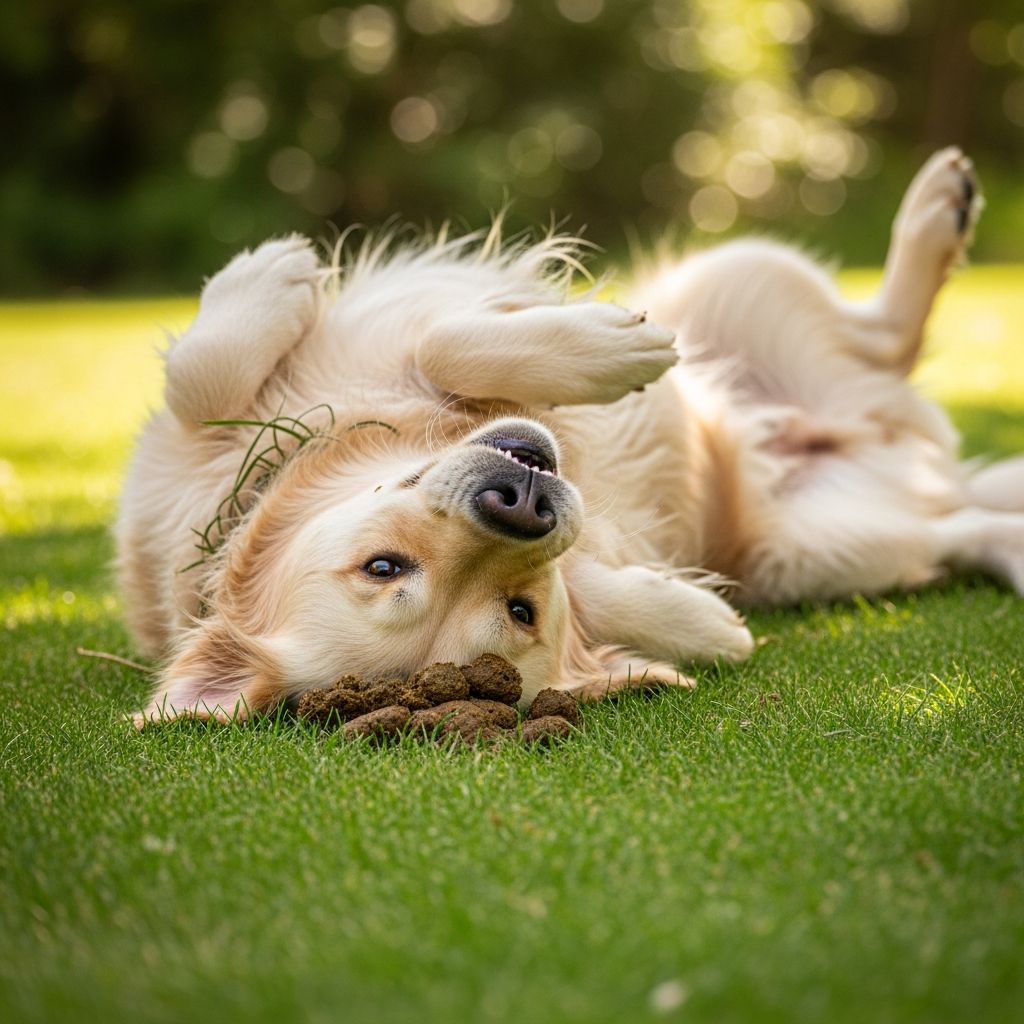
One of the most puzzling and frankly unpleasant habits dog owners encounter is their pet’s apparent fascination with rolling in feces. What appears to us as utterly repugnant behavior is, to dogs, a perfectly logical and often purposeful action rooted in their evolutionary past and social structures. This behavior, while undoubtedly frustrating for pet owners, offers fascinating insights into canine psychology, instinctual drives, and pack dynamics.
The Evolutionary Foundation of Rolling Behavior
To understand why modern domestic dogs engage in this behavior, we must first look backward through time to their wild ancestors. The roots of fecal rolling lie deep in the survival strategies that canines, particularly wolves and wild dogs, developed over thousands of years in nature.
Ancient Hunting Advantages
In the untamed wilderness, wolves and their ancestors faced constant challenges in locating food sources. Hunting large prey required strategy, cunning, and every conceivable advantage. One significant tactical approach involved masking their own distinctive scent by rolling in the odors of their potential prey or other strong-smelling substances found in their environment. By covering themselves with the scent of a deer, elk, or other game animals, wolves could approach their targets without triggering the prey animal’s alarm instincts. The prey would detect only the familiar scent of another animal rather than the distinctive odor of a predator approaching with intent to hunt. This camouflage strategy gave ancestral canines a crucial edge in their survival efforts, allowing them to get closer to their food sources before engaging in pursuit.
Predator Avoidance Mechanisms
Rolling in pungent odors served a dual purpose in the wild. Beyond hunting applications, this behavior also functioned as a protective measure against larger predators. By disguising their own scent with foreign odors, canines could potentially avoid detection by apex predators that might otherwise hunt them. This dual-application survival technique became deeply embedded in canine genetics and behavioral patterns, creating an instinctive drive that persists even in animals living comfortable lives as household pets.
Scent Communication and Pack Dynamics
Beyond the survival-focused explanations, dogs engage in rolling behavior as an integral part of their complex communication systems. Within pack structures, scent carries significant communicative weight, conveying information that would be difficult or impossible to transmit through other means.
Information Sharing Within Groups
When a wolf or wild dog discovers a food source, rolling in the associated scents allows them to carry this information back to their pack members. Upon returning to the group, packmates sniff the rollers’ fur and detect the odors clinging to their coats. This sensory information functions similarly to how a human might describe a location verbally; the packmates can literally follow the scent trail back to its origin, potentially discovering the same food resource. This behavior represents a sophisticated form of information transfer that aided pack survival by distributing knowledge about food locations among group members.
Territorial Expression and Presence Marking
In addition to sharing information about discoveries, rolling in distinctive odors allows individual dogs to leave their own scent signature in their environment. When a dog rolls in poop, they pick up those odors while simultaneously depositing their own scent from specialized glands throughout their fur. This dual-directional scent exchange functions as a form of territorial communication, effectively announcing to other dogs in the area that this particular canine has investigated the spot and claims some connection to the location. It parallels other marking behaviors like urine marking but operates through a different sensory channel.
Sensory Processing and Olfactory Stimulation
Dogs perceive the world through their senses in ways fundamentally different from humans. Their sense of smell is extraordinarily developed, containing approximately 300 million olfactory receptors compared to the mere six million humans possess. For dogs, olfactory stimulation provides not just information but genuine pleasure and enrichment.
Engaging the Powerful Canine Nose
Rolling in poop provides intense olfactory stimulation that appeals to a dog’s highly developed sense of smell. The complexity and potency of fecal odors create a kind of sensory feast for dogs, engaging their olfactory systems in ways that ordinary daily experiences may not. From a dog’s perspective, rolling in poop is comparable to a human enjoying an intense sensory experience like a strong perfume, a pungent spice, or a powerful flavor. The sheer intensity and complexity of the smell creates stimulation that dogs find inherently rewarding and engaging.
Behavioral Enrichment Through Scent Exploration
Dogs are naturally investigative creatures, and scent represents their primary investigative tool. Rolling in novel odors, particularly strong ones like fecal matter, provides enrichment that satisfies their exploratory instincts. This is especially true for dogs living in environments that may not provide sufficient mental stimulation or olfactory variety. A bored dog might seek out intense scents as a form of entertainment and behavioral enrichment.
Health-Related Factors and Medical Considerations
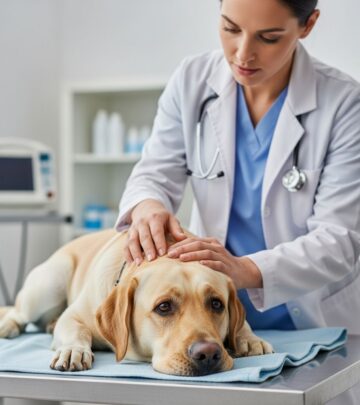
While most instances of fecal rolling relate to behavioral and instinctual factors, pet owners should be aware that occasionally this behavior can indicate underlying health concerns that warrant attention.
Skin Irritation and Allergic Responses
Some dogs roll in fecal matter or other substances as a response to skin irritation, allergies, or dermatological discomfort. The cool or moist texture of feces against the skin might provide temporary relief from itching, similar to how a person might soak in cool water to alleviate skin discomfort. Dogs experiencing persistent skin problems often develop behaviors aimed at addressing their discomfort, and rolling in various substances can become part of this compensatory behavior pattern. If a dog’s rolling behavior suddenly increases or seems concentrated on particular body areas, skin conditions should be evaluated.
Digestive System Concerns
In some cases, dogs exhibiting increased interest in fecal matter, including rolling in it, may be experiencing digestive issues or nutritional deficiencies. Certain digestive disorders can create unusual cravings or compulsive behaviors directed toward fecal material. If rolling behavior appears alongside other digestive symptoms, veterinary consultation becomes important to rule out medical conditions requiring treatment.
Psychological Factors and Stress Responses
Beyond instinct and health, psychological factors contribute to rolling behavior in domestic dogs. Emotional state, environmental conditions, and learned associations all influence when and how often dogs engage in this activity.
Stress Relief and Anxiety Management
Some dogs roll in poop when experiencing anxiety, stress, or overstimulation. The behavior may provide a form of self-soothing in chaotic or threatening situations. Dogs in anxious states sometimes seek out grounding behaviors that make them feel more secure. Rolling in pungent odors might serve this psychological function, providing comfort through intense sensory input that essentially overwhelms other stimuli in their environment.
Learned Behavioral Patterns
Dogs are highly imitative animals. If a dog observes another dog rolling in poop and receiving attention—whether positive or negative—they may be motivated to replicate the behavior. Attention-seeking drives can reinforce fecal rolling, particularly if owners respond dramatically to the behavior through scolding, chasing for cleanup, or making a significant fuss. From a dog’s perspective, receiving intense attention, even if corrective in nature, still represents engagement and interaction from their human caretaker.
Environmental and Contextual Triggers
Fecal rolling doesn’t occur randomly or in all situations. Specific environments and contexts trigger this behavior more frequently, providing clues about underlying motivations.
Location-Specific Rolling Patterns
Dogs often roll in specific areas of their environment, suggesting they’re drawn to particular odor profiles or are marking territories they consider significant. A dog might consistently target one yard location or frequently engage in rolling at specific parks or trails. These patterns indicate that environmental factors and learned associations influence the behavior.
Social Settings and Pack Influences
Social environments, particularly those with multiple dogs, often increase rolling behavior. The presence of other canines, their scents, and pack dynamics can trigger increased scent communication and territorial marking through rolling. Dogs visiting doggy daycares, parks, or homes with multiple pets may roll more frequently than their single-dog household counterparts.
Distinguishing Rolling Behavior from Other Concerns
Understanding the typical presentation of rolling behavior helps owners distinguish normal instinctive actions from problematic compulsive behaviors that might warrant intervention.
Normal Rolling Versus Compulsive Behavior
Most dogs exhibit recognizable patterns before rolling in feces. They typically sniff intently at an area, perform head-shaking movements, twist their faces to one side, and then execute the rolling action. This sequence demonstrates purposeful, instinctively driven behavior. If rolling becomes obsessive, occurring multiple times daily regardless of availability of fecal matter, or if the dog seems distressed or unable to stop, this might indicate compulsive behavior requiring behavioral or medical intervention.
Practical Management and Prevention Strategies
While understanding the reasons for rolling is interesting, most pet owners want practical strategies to minimize this behavior and its consequences.
Supervision and Early Intervention
- Monitor your dog closely during outdoor activities to catch early signs of rolling behavior
- Use the “leave it” command immediately upon noticing sniffing and head-shaking behaviors that precede rolling
- Redirect your dog’s attention to toys or other activities before rolling occurs
Environmental Management
- Secure trash cans and compost areas to limit access to fecal matter
- Monitor high-traffic areas in your yard and remove feces promptly
- When possible, avoid or limit visits to areas where rolling behavior is likely to occur
Behavioral Enrichment Approaches
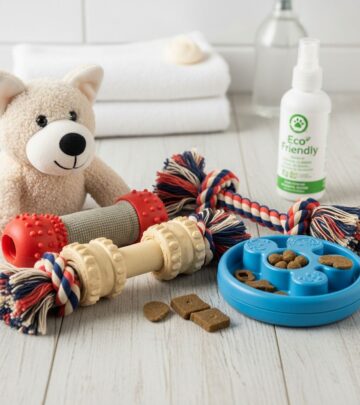
- Provide adequate mental stimulation and olfactory enrichment through puzzle toys and scent games
- Establish regular exercise routines to reduce boredom and stress-related rolling
- Create designated areas for scent exploration that satisfy investigative instincts without involving fecal matter
Frequently Asked Questions
Is rolling in poop normal dog behavior?
Yes, rolling in poop is a common and instinctively normal behavior in dogs. It’s rooted in evolutionary survival strategies and pack communication patterns. While unpleasant for owners, it’s a natural expression of canine instincts and doesn’t indicate abnormality or misbehavior.
What health risks does rolling in poop pose to my dog?
Rolling in fecal matter exposes dogs to parasites, bacteria, and pathogens present in feces. This can lead to gastrointestinal infections, parasitic infestations, and skin infections. Regular veterinary care, parasite prevention, and prompt intervention when rolling occurs help minimize health risks.
Can I completely prevent my dog from rolling in poop?
Complete prevention is difficult because the behavior is instinctively driven. However, consistent management through supervision, environmental control, early intervention with commands, and adequate enrichment can significantly reduce frequency. Some dogs will still find opportunities to engage in this behavior occasionally despite management efforts.
Why do some dogs roll more than others?
Individual differences in temperament, age, health status, environmental enrichment, and past experiences influence rolling frequency. Young dogs may roll more frequently than older dogs. Dogs receiving insufficient mental stimulation may roll more often. Stress-prone dogs might use rolling as a coping mechanism more frequently than confident, relaxed dogs.
Should I punish my dog for rolling in poop?
Punishment is generally ineffective and may reinforce the behavior by providing attention, even negative attention. Instead, focus on prevention through early intervention, redirection, environmental management, and reward-based training for alternative behaviors like leaving poop alone.
Concluding Perspectives on Canine Rolling Behavior
Rolling in poop, while repulsive to human sensibilities, represents a fascinating window into the canine mind and the persistence of ancestral instincts in modern domestic dogs. The behavior serves multiple functions: camouflaging scent for hunting advantages, communicating information within social groups, marking territory, providing sensory stimulation, and occasionally indicating stress or health concerns. Understanding these underlying motivations helps pet owners appreciate this behavior as a normal expression of their dog’s nature rather than viewing it as purely problematic or intentional misbehavior. Through informed management, environmental control, and strategic enrichment, owners can minimize rolling incidents while respecting the fundamental instinctive drives that make their dogs uniquely canine.
References
- Why Do Dogs Roll in Poop? — PetMD. https://www.petmd.com/dog/behavior/why-do-dogs-roll-poop
- Why Do Dogs Roll in Poop & Other Smelly Things? — Hill’s Pet Nutrition. https://www.hillspet.com/dog-care/behavior-appearance/why-do-dogs-roll-in-poop
- Why Dogs Roll in Poop: 7 Ways to Stop It — Poo Squad. https://www.poosquad.com/why-dogs-roll-in-poop-solutions/
- Why Do Dogs Roll In Poop? 6 Tips on Dealing with a Roller — Paw Dao of London. https://pawdawoflondon.com/blogs/pupdates/why-do-dogs-roll-in-poop-6-tips-on-dealing-with-a-roller
- Why do dogs roll in poop? — PetDelux. https://petdelux.com/blogs/guide/why-do-dogs-roll-in-poop
Similar Articles


Read full bio of Sneha Tete