

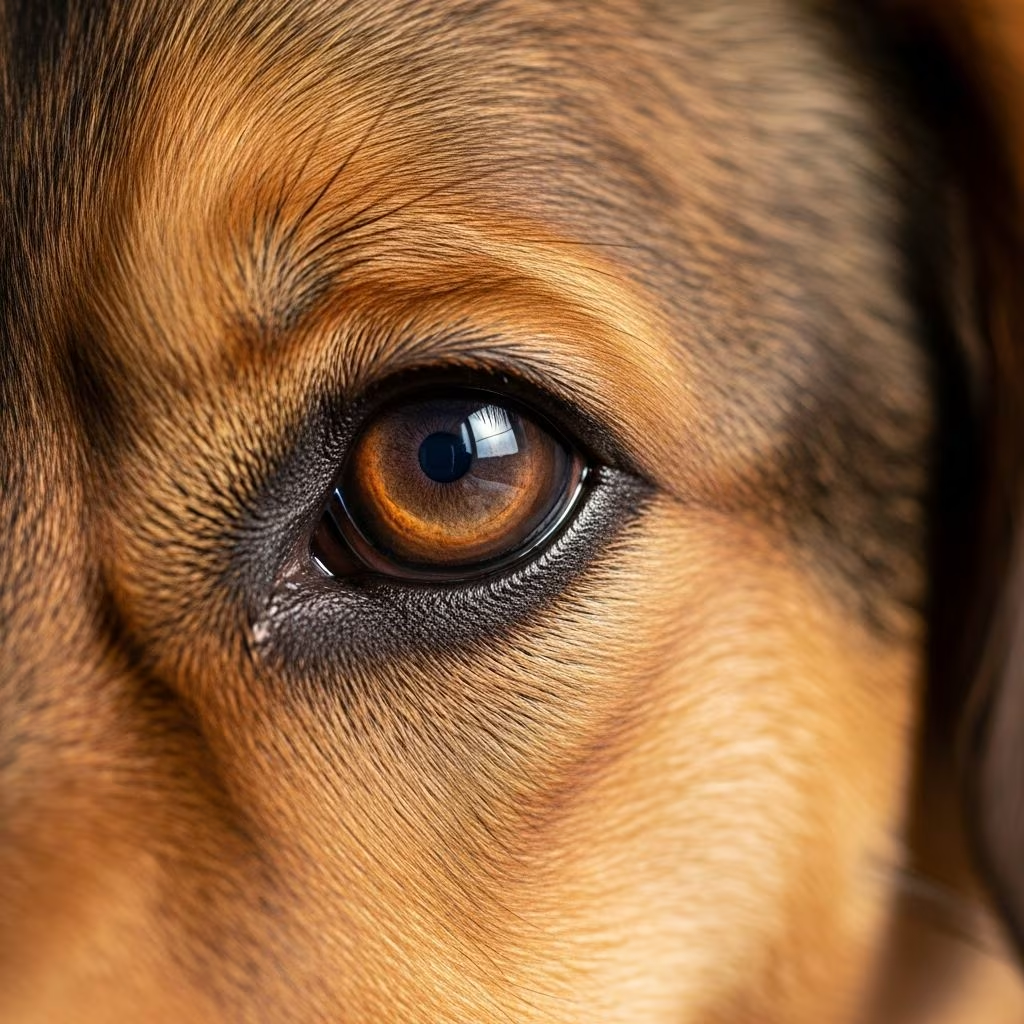
Canine Eyes & Their Disorders: A Complete Guide
A dog’s eyes are not only a window to their soul but also a crucial sensory organ that enables them to navigate the world. However, various conditions can affect canine vision and eye health, ranging from minor infections to serious disorders that threaten blindness. Understanding common eye disorders, their symptoms, and available treatments empowers dog owners to recognize problems early and seek appropriate veterinary care. This comprehensive guide covers the major eye conditions affecting dogs and what you need to know about maintaining your pet’s ocular health.
Understanding Canine Eye Anatomy
Before exploring specific disorders, it helps to understand how a dog’s eye is structured. The eye comprises several key components: the cornea (clear front layer), the lens, the retina (light-sensitive tissue at the back), the conjunctiva (mucosal tissue surrounding the eye), and the tear glands that produce protective tears. The health of each component is essential for clear vision and comfort. When any part becomes damaged or diseased, vision loss or discomfort can result.
Common Eyelid Conditions
Several disorders affect the eyelids themselves, causing irritation and potential corneal damage:
Entropion
Entropion is the inversion of one or both eyelids, causing eyelid hairs to contact the eye’s surface. This friction leads to irritation, corneal damage, and discomfort. Clinical signs include excessive blinking, tearing, redness, and corneal ulceration. Treatment options range from temporary eyelid tacking sutures to permanent surgical correction.
Ectropion
Ectropion occurs when the lower eyelid droops or rolls outward, away from the eye. Some dog breeds naturally have mild ectropion, including Bulldogs, Retrievers, and Spaniels. While often not problematic, ectropion can result in chronic inflammation, dry eye, and infection in affected dogs. Surgical correction is available when the condition causes symptoms.
Distichiasis
Distichiasis is an abnormal extra row of eyelashes that rub against the cornea, typically affecting younger dogs under 12 months old. Clinical signs include increased tear production, excessive blinking, and corneal ulceration. Treatment options include eyelid surgery, thermal electrocautery, cryotherapy, and electrolysis.
Ectopic Cilia
Similar to distichiasis, ectopic cilia are abnormally positioned eyelashes that irritate the eye surface, causing tearing, blinking, and keratitis. Various surgical interventions can address this condition to prevent vision-threatening complications.
Conjunctivitis (Pink Eye)
Conjunctivitis, commonly called pink eye, is inflammation of the conjunctiva—the moist mucosal tissue around the eye and under the eyelid. This highly common condition in dogs is triggered by allergies, foreign objects, bacteria, or occasionally viruses. Clinical signs include conjunctival redness, swelling, discharge, increased tear production, and periocular wetting. Treatment typically involves bacterial eye drops or ointments and sometimes steroids to reduce inflammation. Addressing the underlying cause—whether allergy, infection, or foreign body—is essential for successful resolution.
Keratoconjunctivitis Sicca (Dry Eye)
Keratoconjunctivitis sicca (KCS), commonly called dry eye, occurs when tear glands cannot produce adequate tears. This condition affects the eye’s aqueous tear film component, leading to corneal and conjunctival desiccation. Viral diseases, drug reactions, allergies, or injuries may trigger KCS. Clinical signs include excessive blinking, conjunctival redness, thick mucopurulent discharge, a dull corneal appearance, and progressive corneal ulceration. Without treatment, KCS can cause permanent vision loss. Treatment options include tear-stimulating medications (lacrimostimulants), artificial tears (lacrimomimetics), antibiotics to prevent secondary infection, and in some cases, surgical intervention.
Corneal Ulceration
The cornea can develop ulcers due to trauma, dry eye, or infection. Indolent superficial corneal ulcers have loose, non-adherent epithelial edges that prevent normal healing. These ulcers require active debridement and may need grid keratotomy or diamond burr treatment to disrupt the abnormal corneal layer and promote epithelial attachment. Deeper stromal ulcers represent a more serious condition, potentially progressing to expose Descemet’s membrane and cause corneal rupture. Treatment includes anti-collagenase medications, antibiotics, and possible surgical intervention.
Glaucoma
Glaucoma is characterized by increased pressure within the eye, which can damage the optic nerve and lead to vision loss. It is a serious condition requiring immediate veterinary attention. Glaucoma can be primary (hereditary) or secondary (caused by other eye diseases, trauma, or infections). Certain breeds are genetically predisposed to this condition. Acute glaucoma presents with raised intraocular pressure, pain, eye redness, vision loss, corneal cloudiness, and a dilated pupil with reduced light response. Treatment includes topical prostaglandin analogues (such as Travoprost and Latanoprost) as first-line therapy, topical carbonic anhydrase inhibitors, combination treatments, and surgical intervention.
Cataracts
Cataracts cause the lens to lose transparency, resulting in a cloudy appearance in the eye’s central region. Cataracts can affect one or both eyes and may be congenital or develop with age, diabetes, or trauma. Depending on size and severity, cataracts can cause significant vision loss and blindness. Identifying the underlying cause is important for appropriate treatment and management. Surgical removal is possible in some cases.
Progressive Retinal Atrophy (PRA)
Progressive retinal atrophy is a hereditary condition that causes gradual blindness despite normal-appearing eyes. PRA is a degenerative disease affecting the light-sensitive retina, leading to progressive vision loss over time. Since the eye appears normal externally, diagnosis requires specialized veterinary examination. Unfortunately, there is no cure, making early detection through genetic screening important for breeding decisions.
Sudden Acquired Retinal Degeneration Syndrome (SARDS)
Unlike PRA, SARDS causes rapid retinal deterioration, resulting in total blindness in both eyes within weeks or even days. This sudden onset gives dogs minimal time to adjust to vision loss, making it particularly difficult for affected pets. While the cause remains unclear, early recognition of vision loss is important for veterinary consultation. Dogs with SARDS require environmental modification and behavioral support to adapt to blindness.
Pannus
Pannus is an immune-mediated condition affecting the cornea, causing it to become cloudy, hazy, or pigmented over time. Both eyes are often affected, and changes in the third eyelid typically occur. While not usually painful, pannus can cause visible corneal lesions, third eyelid changes, discharge, and redness. Untreated pannus may lead to severe corneal opacification and third eyelid destruction. Though pannus doesn’t usually affect vision unless severe in both eyes, treatment with anti-inflammatory medications is recommended.
Eye Infections and Inflammation
Several types of eye infections can cause discomfort, redness, and light sensitivity in dogs. Pink eye (conjunctivitis), corneal inflammation, and uveitis (inflammation of internal eye structures) can all contribute to vision loss if left untreated. Early recognition and appropriate antibiotic or anti-inflammatory treatment are essential to prevent serious complications.
Eye Injuries and Trauma
Severe eye injury or trauma can cause dogs to lose their sight. Eye swelling, rupture, displacement (proptosis), bleeding inside the eye, and lens dislocation all represent forms of traumatic eye injury. Even minor injuries like corneal abrasions can progress to blindness if infection or inflammation develops. Immediate veterinary care for eye trauma is critical to preserve vision.
When to See a Veterinarian
Contact your veterinarian immediately if your dog exhibits any of these signs:
- Redness or inflammation of the eyes or inner eyelids
- Excessive tearing or discharge
- Cloudiness or changes in eye appearance
- Squinting, excessive blinking, or signs of pain
- Behavior suggesting vision loss or bumping into objects
- Foreign object in the eye
- Any eye trauma or injury
- Changes in pupil size or response to light
Preventing Eye Problems
While not all eye conditions can be prevented, certain steps help maintain canine eye health. Regular veterinary eye examinations enable early detection of problems. For breeds predisposed to hereditary eye diseases, genetic screening before breeding is important. Protecting eyes from trauma, maintaining proper hygiene, and managing systemic diseases (such as diabetes) all contribute to ocular health. Some breeds benefit from regular tear production monitoring to catch dry eye early.
Treatment Options Overview
Treatment for canine eye disorders varies depending on the specific condition:
| Condition | Primary Treatment | Urgency |
|---|---|---|
| Conjunctivitis | Eye drops/ointments, steroids | Routine |
| Dry Eye (KCS) | Tear stimulants, artificial tears | Important |
| Glaucoma | Prostaglandin analogues, surgery | Urgent |
| Entropion | Surgical correction | Important |
| Cataracts | Surgical removal (if appropriate) | Important |
| Corneal Ulcers | Debridement, antibiotics, surgery | Urgent |
Frequently Asked Questions (FAQs)
Q: Can dog eye problems cause blindness?
A: Yes, several eye conditions including glaucoma, advanced cataracts, SARDS, and untreated dry eye can cause partial or complete blindness. Early detection and treatment are essential to preserve vision.
Q: Are certain dog breeds more prone to eye disorders?
A: Yes, breed predisposition exists for many eye conditions. Progressive retinal atrophy, glaucoma, cataracts, and dry eye are more common in specific breeds. Consult your veterinarian about your dog’s breed-specific risks.
Q: What should I do if my dog has an eye injury?
A: Seek immediate veterinary care. Do not attempt to treat eye injuries at home, as they can rapidly worsen. Even minor injuries can lead to serious complications if infection develops.
Q: How is dry eye treated in dogs?
A: Treatment typically includes tear-stimulating medications, artificial tear replacements, antibiotics to prevent infection, and in some cases, surgical intervention to preserve remaining tear production.
Q: Can cataracts be prevented in dogs?
A: While genetic cataracts cannot be prevented, managing diabetes, protecting eyes from trauma, and regular veterinary exams help identify cataracts early when treatment options exist.
Q: How do I know if my dog is losing vision?
A: Signs include bumping into objects, reluctance to move in dim light, dilated pupils, behavior changes, and difficulty finding food or toys. Any suspected vision loss warrants immediate veterinary evaluation.
References
- Vision Loss in Dogs: A Comprehensive Guide — Animal Eye Guys. 2024-07-24. https://www.animaleyeguys.com/site/blog/2024/07/24/vision-loss
- See the world through your dog’s eyes — Merck Animal Health USA. Accessed 2026-01-14. https://www.merck-animal-health-usa.com/pet-owners/behavior/understanding-your-pet/see-the-world-through-your-dogs-eyes-mypet/
- Common eye conditions in dogs – clinical tips (Part 1) — British Small Animal Veterinary Association (BSAVA). Accessed 2026-01-14. https://bsava.com/article/common-eye-conditions-in-dogs-clinical-tips-part-1/
- 22 Common Dog Eye Problems — PetMD. Accessed 2026-01-14. https://www.petmd.com/dog/general-health/evr_dg_eye_problems_in_dogs
- Canine Eye Care — Meadowview Veterinary Clinic. Accessed 2026-01-14. https://meadowviewvet.com/uploads/SiteAssets/610/files/forms/dogeyecare.pdf
- Common Eye Problems In Pets: A Guide For Pet Owners — Animal Veterinary Clinic of Orlando. Accessed 2026-01-14. https://avcorlando.com/blog/common-eye-problems-in-pets-a-guide-for-pet-owners/



