

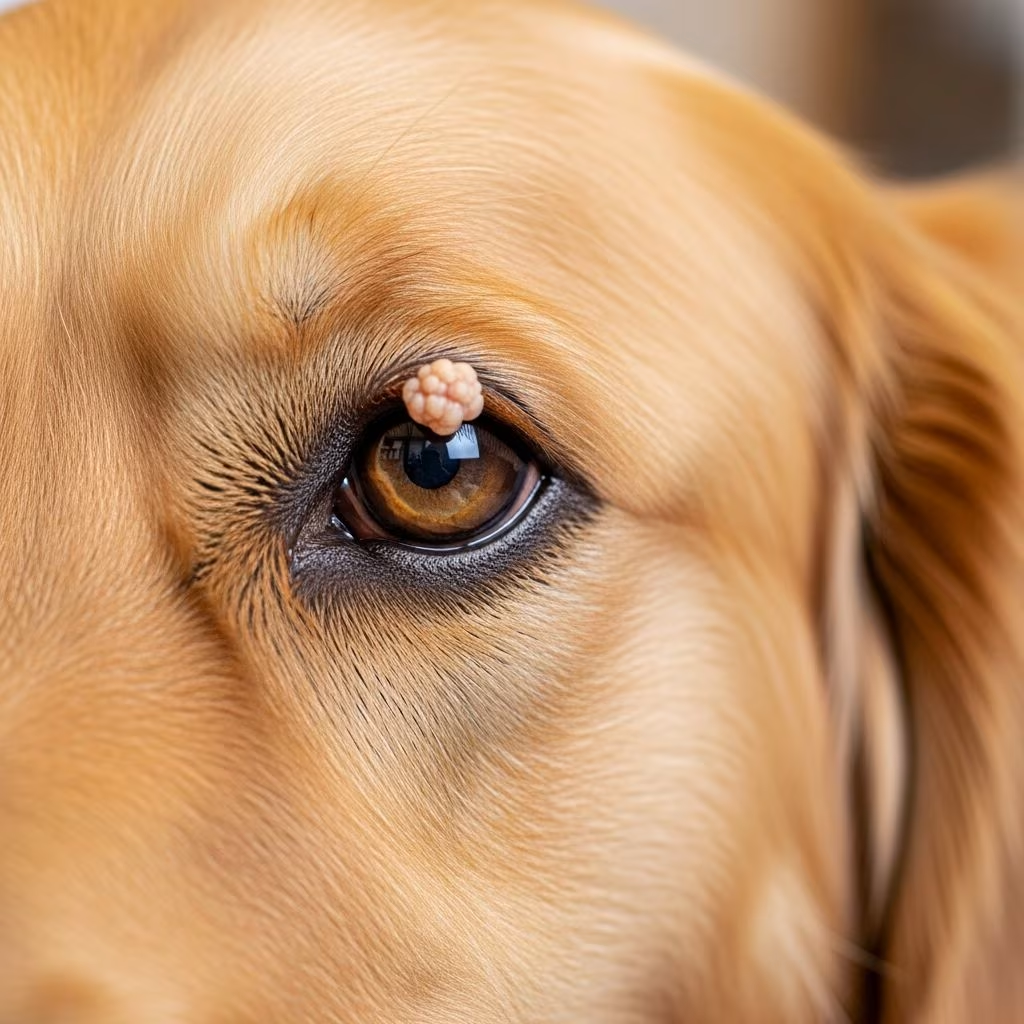
Canine eyelid warts, often resulting from canine papilloma virus infections, represent a frequent yet manageable concern for dog owners. These benign growths can disrupt normal eye function if left unaddressed, potentially leading to discomfort or secondary complications. This guide delves into their origins, identification, management strategies, and proactive measures to safeguard your dog’s ocular well-being.
Origins and Risk Elements of Eyelid Warts in Dogs
These warts stem primarily from various strains of canine papilloma viruses (CPVs), DNA-based pathogens that specifically target dogs without cross-species transmission to humans or other animals.CPVs infiltrate skin cells around the eyelids, prompting uncontrolled proliferation that forms raised, irregular lesions. Young puppies, immunocompromised adults, and senior dogs face heightened vulnerability due to immature or weakened defenses against such viral invaders.
Transmission occurs through direct contact with infected dogs or contaminated environments like kennels and parks. Minor skin abrasions provide entry points for the virus, explaining prevalence in active, social canines. Once established, immunity develops to that specific CPV strain, though others may still pose risks.
- Puppies under 2 years: Immature immunity allows rapid wart proliferation, often in clusters.
- Aged dogs: Declining immune function prolongs persistence.
- Medicated pets: Corticosteroids or chemotherapy suppress viral clearance.
- Multi-dog households: Close proximity accelerates spread.
Spotting the Signs: Symptoms and Early Detection
Early recognition prevents escalation. Initial appearances include small, flesh-colored or pigmented bumps on the eyelid margins, sometimes resembling tiny cauliflowers. Progression may involve enlargement, multiplicity, or surface roughening.Asymmetry or rapid growth warrants immediate veterinary scrutiny to rule out malignant mimics.
Functional impairments signal urgency: excessive tearing, squinting, pawing at the eye, or visible corneal clouding from friction during blinks. Bleeding from trauma or secondary bacterial invasion presents as redness, swelling, pus, or foul odor—hallmarks of infection demanding prompt intervention.
| Symptom | Implication | Action Needed |
|---|---|---|
| Raised bump on lid | Possible early papilloma | Monitor 1-2 weeks |
| Eye rubbing/scratching | Irritation or ulceration | Vet exam within 24-48 hrs |
| Bleeding or pus | Infection risk | Immediate vet visit |
| Vision obstruction | Corneal abrasion threat | Emergency care |
Diagnostic Approaches for Accurate Assessment
Veterinarians employ visual inspection first, leveraging the distinctive wart morphology. Fine-needle aspiration or biopsy confirms benign nature, especially for atypical presentations. Viral PCR testing identifies CPV strains in research settings but remains uncommon clinically. Differential diagnoses encompass sebaceous adenomas, histiocytomas, or melanomas—each requiring tailored management.
Fluorescein staining evaluates corneal integrity, while Schirmer tear tests quantify lacrimation deficits. Systemic bloodwork screens for immunosuppression contributors like Cushing’s disease or diabetes.
Treatment Options: From Observation to Intervention
Many resolve spontaneously within 1-2 months as immunity mounts, obviating intervention in asymptomatic cases. However, eyelid locations preclude waiting due to corneal scratch risks.Surgical excision stands as the gold standard for problematic lesions, employing cryosurgery, electrocautery, or scalpel under local anesthesia.
Non-surgical alternatives bolster immunity: Interferon injections or oral formulations enhance antiviral responses, often resolving warts in 4-8 weeks. Topical imiquimod creams stimulate localized defenses on accessible sites. Cimetidine, an H2 blocker, exhibits off-label efficacy via T-cell modulation. Autogenous vaccines, crafted from excised tissue, prevent recurrences in outbreaks.
For infected cases, antibiotics like azithromycin target secondary invaders while indirectly aiding clearance. Immunoregulin suspensions from bacterial lysates further amplify responses.
- Cryotherapy: Freezing with liquid nitrogen; quick, minimal scarring.
- Laser ablation: Precise, bloodless removal for delicate areas.
- Immune modulators: Systemic support for widespread or recurrent issues.
Potential Complications and Prognosis
Untreated eyelid warts risk corneal ulcers, chronic uveitis, or vision loss. Malignant transformation proves exceedingly rare, with benign histology predominant. Post-treatment, scarring may alter blink dynamics, necessitating lubricants. Recurrence hinges on strain exposure and immunity; vaccinated or previously cleared dogs fare best.
Prognosis excels with timely care: Over 90% achieve full resolution sans sequelae. Immunosuppressed patients confront prolonged courses, demanding vigilant monitoring.
Preventive Strategies for a Wart-Free Future
Minimize exposure in high-risk settings via quarantine of affected dogs. Boost overall vitality through balanced nutrition, routine deworming, and stress reduction. Avoid immunosuppressive drugs unless essential. No commercial CPV vaccines exist, underscoring hygiene’s primacy: Disinfect shared items and limit puppy socialization until 6 months.
Home care post-treatment includes Elizabethan collars to deter self-trauma, antibiotic ointments for wounds, and follow-up exams at 2 weeks.
Frequently Asked Questions (FAQs)
Do dog eyelid warts disappear without treatment?
In healthy dogs, yes, often within 1-2 months via immune clearance. Eyelid cases typically require intervention to avert eye damage.
Are canine warts contagious to humans?
No, CPVs species-specific and non-zoonotic.
When should I rush my dog to the vet for an eye wart?
Immediately if bleeding, swelling, vision changes, or discomfort evident.
Can home remedies safely remove dog eye warts?
Avoid; they risk eye injury. Professional treatments ensure safety.
How to prevent warts in multi-dog homes?
Isolate infected pets, clean environments, and monitor immunity.
Armed with this knowledge, dog owners can confidently navigate canine eyelid warts, prioritizing swift veterinary collaboration for peak outcomes.
References
- Dog Warts – Causes and Treatments — Vets4Pets. 2023. https://www.vets4pets.com/pet-health-advice/dog-advice/dog-warts/
- Warts on Dogs: Papilloma Pics, Pointers + Precautions — Lavengel. 2024. https://lavengel.com/pages/skin-issues-warts
- Dog Wart Treatment: Essential Guide For Pet Owners — Devil Dog Petco. 2024. https://devildogpetco.com/blogs/the-devil-dog-blog/dog-wart
- What Causes Dog Warts? — PetCareRx. 2023. https://www.petcarerx.com/article/what-causes-dog-warts/2869
- All About Dog Warts: Types, Causes, and Treatments — PetMD. 2024-01-15. https://www.petmd.com/dog/conditions/all-about-dog-warts-types-causes-and-treatments
- Papilloma of the Skin — VCA Animal Hospitals. 2023. https://vcahospitals.com/know-your-pet/papilloma-of-the-skin



