

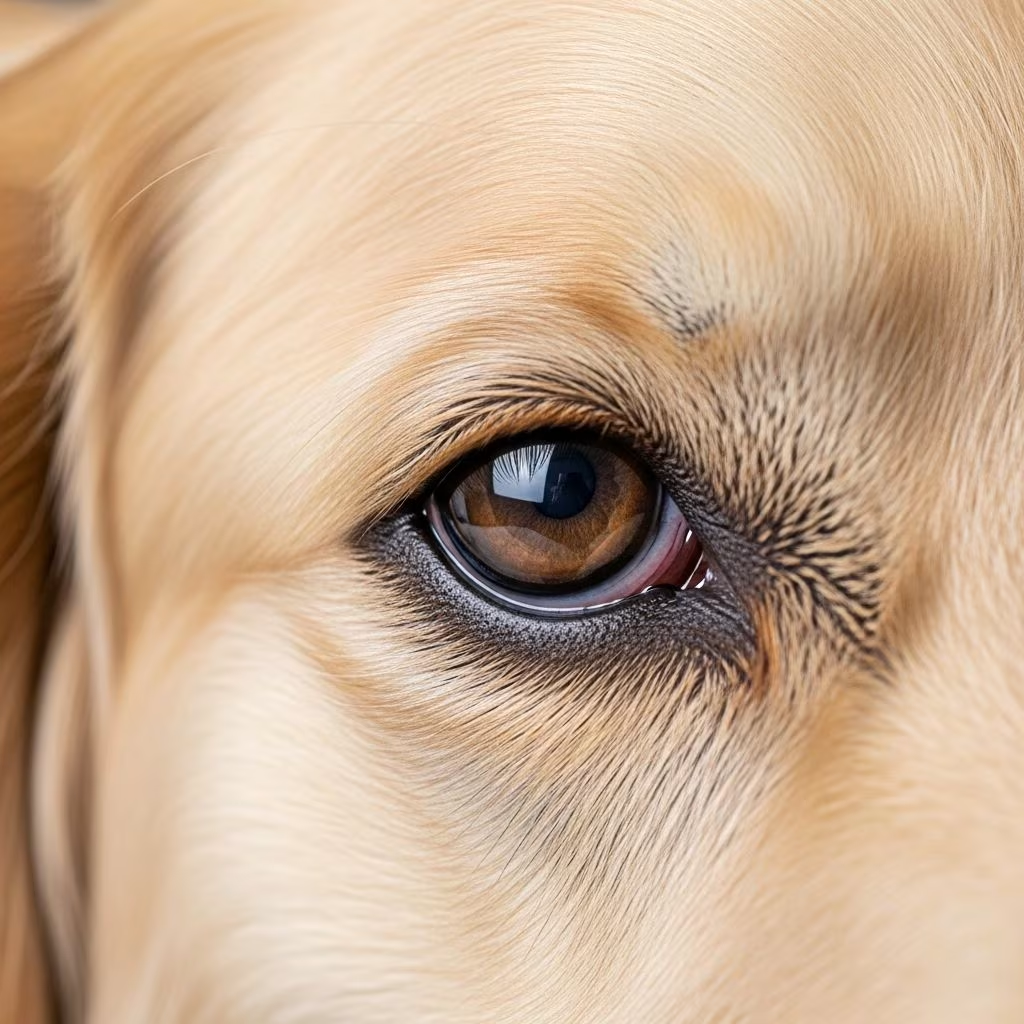
Eyelid problems in dogs can significantly impact their comfort and vision if left unaddressed. These conditions range from genetic malformations to acquired issues caused by injury or infection, affecting various breeds differently. Recognizing early signs is crucial for timely intervention, preventing complications like corneal ulcers or chronic irritation.
Why Eyelid Health Matters for Dogs
The eyelids serve as protective barriers, distributing tears and shielding the eye from debris. When they malfunction, dogs experience pain, excessive tearing, and vulnerability to infections. Breeds with extreme facial features, such as those with short noses or loose skin, face higher risks due to conformational traits that predispose them to these disorders.
Maintaining eyelid integrity ensures clear vision and prevents secondary issues like pigmentation changes or scarring on the cornea. Owners play a key role in monitoring for subtle changes, such as rubbing or squinting, which signal underlying problems.
Primary Types of Eyelid Malpositions
Eyelid malpositions involve the lid failing to align properly with the eyeball, leading to friction or exposure. The two most prevalent are inward and outward deviations.
Inward Rolling of the Eyelid (Entropion)
This condition occurs when the eyelid margin curls toward the eye, allowing lashes and hair to scrape the cornea. Common in breeds like Labradors, Shar Peis, and Bulldogs, it often appears between 6-18 months.
Symptoms include persistent squinting, thick discharge, corneal cloudiness, and pawing at the face. Untreated, it leads to ulcers and vision loss. In puppies, temporary sutures can hold the lid in place until growth corrects it naturally.
Outward Drooping of the Eyelid (Ectropion)
Here, the lid sags away from the eye, exposing the inner lining to dust and bacteria. Bloodhounds, Great Danes, and spaniels are prone due to facial laxity.
Signs feature red, inflamed conjunctiva, recurrent infections, and watery eyes. Mild cases respond to cleaning and antibiotics, but severe ones require surgical tightening.
Abnormal Hair and Lash Growth Issues
Beyond positioning, aberrant hairs can irritate the eye surface.
Extra Lashes from the Lid Margin (Distichiasis)
These misplaced cilia emerge from oil glands along the lid edge, common in Poodles, Golden Retrievers, and Staffordshire Terriers. Irritation causes tearing, redness, and ulcers if they contact the cornea.
Diagnosis uses magnification; treatment ranges from lubricants for mild cases to cryotherapy or laser removal for multiples.
Lashes from Unusual Positions (Ectopic Cilia)
These grow through the conjunctiva, protruding onto the cornea. They provoke acute pain and ulcers, necessitating surgical excision under magnification.
Inward-Directed Normal Lashes (Trichiasis)
Long-haired breeds like Shih Tzus suffer when facial hair rubs the eye. Trimming or plucking provides relief, with surgery for persistent cases.
Inflammation and Swelling of the Lids (Blepharitis)
Blepharitis involves lid edge inflammation from allergies, infections, or immune disorders. Symptoms encompass swelling, crusting, hair loss, and itching.
Bacterial or parasitic causes demand targeted antibiotics or antiparasitics. Chronic cases may need systemic therapy alongside lid scrubs and ointments.
Failure to Fully Close the Eyelid (Lagophthalmos)
Common in flat-faced breeds like Pugs, this prevents complete blinking, drying the cornea. Nasal folds exacerbate exposure.
Lubricants offer initial protection; surgery to shorten lids or create skin folds resolves severe drying and ulceration.
Recognizing Warning Signs Early
- Excessive blinking or holding eyes shut
- Thick, colored discharge
- Redness or cloudiness in the eye
- Rubbing face on surfaces
- Visible corneal scratches or pigmentation
These cues warrant a vet visit, especially in predisposed breeds. Delays amplify damage.
Diagnostic Approaches
Vets employ:
- Fluorescein staining to detect ulcers
- Tear production tests (Schirmer)
- Intraocular pressure measurement (tonometry)
- Magnified lash examination
- Spasm tests by everting the lid
Distinguishing congenital from spastic types guides therapy.
Treatment Strategies
Options vary by severity and cause.
Non-Surgical Interventions
- Lubricating ointments to shield the cornea
- Antibiotics for infections (e.g., neomycin-polymyxin)
- Pain relief like atropine drops
- Cleaning with saline or decongestants
- Temporary tacking sutures in young dogs
Surgical Corrections
| Condition | Common Procedure | Expected Outcome |
|---|---|---|
| Entropion | Hotz-Celsus (skin sliver removal) | Lid everts permanently |
| Ectropion | Lid shortening | Reduces exposure |
| Distichiasis | Transconjunctival excision or cryo | Removes irritants |
| Lagophthalmos | Medial canthoplasty | Improves closure |
Surgeries use absorbable sutures, with recovery in 10-14 days using e-collars and meds.
Post-Treatment Care at Home
Success hinges on owner diligence:
- Administer drops/ointments as prescribed
- Prevent cone removal
- Monitor for infection recurrence
- Avoid dusty environments
- Schedule follow-ups
Cleaning protocols involve warm compresses and gentle wiping.
Breeds at Elevated Risk
- Entropion: Shar Pei, Labrador, Rottweiler
- Ectropion: Bloodhound, Great Dane
- Distichiasis: Cocker Spaniel, Poodle
- Lagophthalmos: Brachycephalics (Bulldog, Pug)
Genetic screening aids breeders.
Preventive Measures for Owners
Regular eye checks during grooming catch issues early. Keep faces trimmed in long-haired dogs. Avoid irritants and ensure prompt injury care.
Frequently Asked Questions (FAQs)
Can entropion resolve without surgery?
In spastic cases or puppies, yes, via temporary measures addressing the root cause.
Is surgery for eyelid issues safe?
Yes, with high success rates under general anesthesia; complications are rare with skilled vets.
How do I clean my dog’s irritated eyes?
Use vet-recommended saline; apply warm compresses gently without rubbing.
Will eyelid disorders affect both eyes?
Often bilateral in genetic cases, but unilateral from trauma.
What’s the cost of eyelid surgery?
Varries by case and location; consult your vet for estimates.
Long-Term Outlook
With prompt care, most dogs regain comfort and vision. Regular monitoring prevents relapses, especially in predisposed breeds. Collaborate closely with your veterinarian for tailored plans.
References
- Disorders of the Eyelids in Dogs — MSD Veterinary Manual. 2023. https://www.msdvetmanual.com/dog-owners/eye-disorders-of-dogs/disorders-of-the-eyelids-in-dogs
- Eyelash and Eyelid Disorders in Dogs — Vetster. 2024. https://vetster.com/en/conditions/dog/eyelash-and-eyelid-disorders
- Entropion in Dogs: Causes, Symptoms, and Treatment — PetMD. 2023-05-15. https://www.petmd.com/dog/conditions/eyes/entropion-dogs-causes-symptoms-and-treatment
- Common Eyelid Problems in Veterinary Ophthalmology — Animal Eye Care. 2023. https://www.animaleyecare.com.au/advice-sheet/common-eyelid-problems/
- Common Dog Eye Diseases — Charlotte Carolina Vet. 2023-05-15. https://www.charlotte.carolinavet.com/site/charlotte-emergency-vet-blog/2023/05/15/dog-eye-diseases
- Eyelids in Animals — Merck Veterinary Manual. 2023. https://www.merckvetmanual.com/eye-diseases-and-disorders/ophthalmology/eyelids-in-animals



