

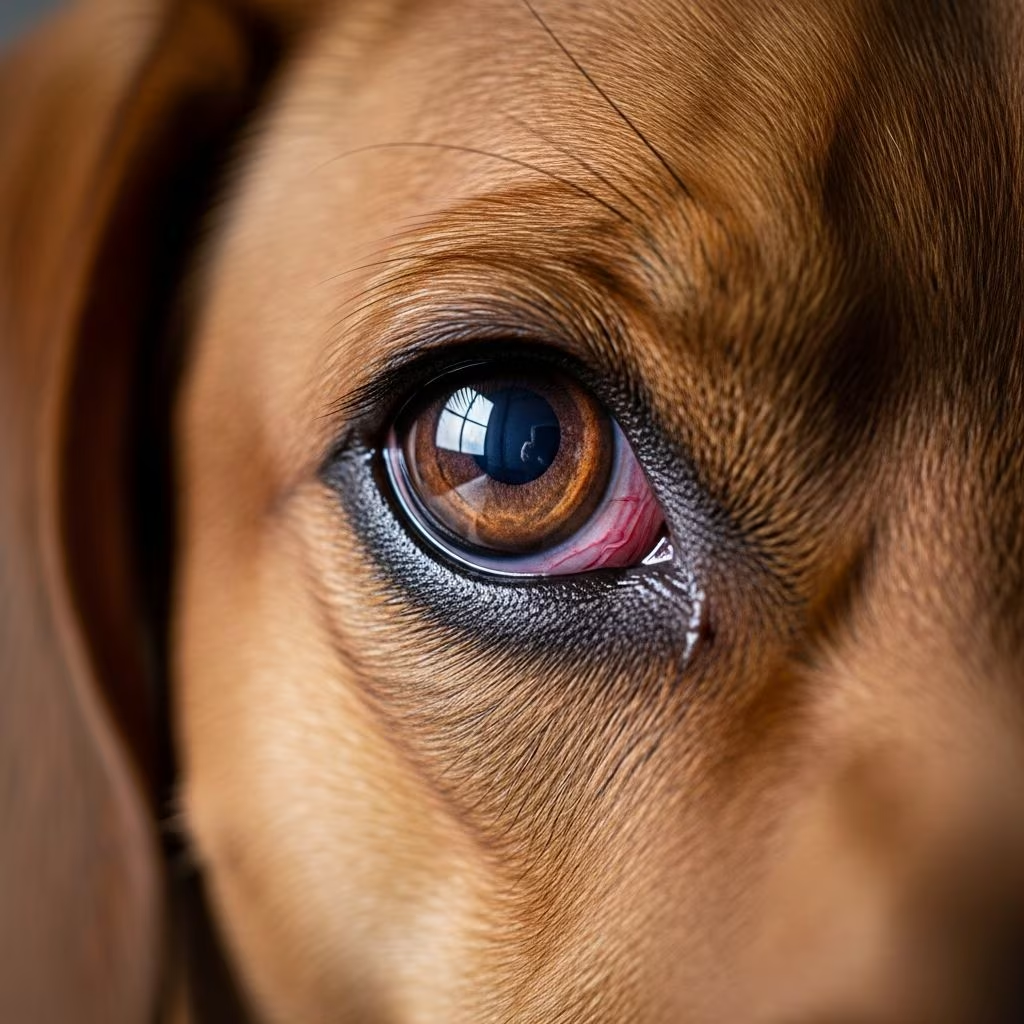
Eye redness in dogs is a common concern for pet owners, yet determining the underlying cause can be challenging without professional evaluation. The appearance of red or bloodshot eyes can indicate anything from minor irritation to serious health conditions requiring immediate attention. Understanding the potential causes and knowing when to seek veterinary care are essential skills for responsible dog ownership.
Distinguishing Minor Irritation from Serious Conditions
Not all red eyes warrant emergency intervention. Occasional eye redness in dogs often stems from household irritants, mild allergies, or breed-specific characteristics such as droopy lower eyelids in Basset Hounds or similar breeds. However, when redness accompanies discomfort, discharge, behavioral changes, or vision problems, professional evaluation becomes necessary.
The key to determining severity lies in observing accompanying symptoms. Dogs with minor irritation may experience brief redness that resolves without treatment, while those with serious conditions typically display additional signs such as squinting, excessive tearing, discharge, or behavioral changes indicating pain.
Common Environmental and Allergic Triggers
Environmental factors frequently contribute to eye redness in dogs. Airborne irritants, allergens, and external parasites represent some of the most common culprits:
- Pollen and seasonal environmental allergens
- Dust mites and household dust
- Smoke and air pollutants
- Plant oils and natural substances
- Bright ultraviolet rays from sunlight
- Chemical irritants and perfumes
Dogs may experience year-round or seasonal allergies causing both eye redness and additional symptoms like itchy skin and hair loss. Flea saliva stands out as a particularly potent allergen, often triggering ocular inflammation in sensitive dogs. Insect bites and stings around the eyes can produce localized swelling and redness, sometimes severe enough to cause temporary eye closure.
External parasitic infestations including fleas, ticks, mosquitoes, and various forms of mange can irritate the skin and eyelids, resulting in redness and inflammation. These parasitic conditions typically present with additional symptoms such as hair loss and itching.
Infectious Causes of Eye Inflammation
Conjunctivitis, commonly known as pink eye, represents one of the most frequently diagnosed eye conditions in dogs. This inflammation of the conjunctival tissues lining the eyelids and sclera can originate from multiple sources:
Viral Infections: Viral conjunctivitis spreads readily between dogs and typically requires two to three weeks for complete recovery. The infection follows its course with supportive care, as antiviral treatments remain limited.
Bacterial Infections: Bacterial conjunctivitis responds well to topical antibiotic treatments. These infections may be contagious but typically resolve faster than viral cases when appropriate antibiotics are applied. Young dogs and those with compromised immune systems show higher susceptibility.
Allergic Conjunctivitis: Non-contagious seasonal or year-round allergies cause inflammation of the conjunctival tissues. Young dogs and those with genetic predisposition to allergies frequently experience this form.
Keratoconjunctivitis Sicca: The Dry Eye Challenge
Keratoconjunctivitis sicca, medically termed dry eye, occurs when dogs cannot produce sufficient tears or their tear film evaporates too rapidly. This condition significantly impacts eye health because tears serve critical functions: they deliver nutrients, protect the eye surface, and maintain proper bacterial balance.
Dogs with dry eye typically present with increased thick, cloudy discharge and develop red, pigmented discoloration from chronic surface inflammation. Without intervention, inflammatory changes lead to corneal scarring that can permanently damage vision.
Treatment focuses on stimulating tear production through topical medications such as tacrolimus or cyclosporine, requiring lifelong management. For cases unresponsive to medical therapy, surgical procedures can reroute saliva onto the eye surface, though this approach carries considerations regarding mineral deposits from salivary compounds.
Corneal Ulceration: A Painful Eye Condition
Corneal ulcers develop when the clear protective layer covering the iris and pupil sustains damage, creating a surface wound. These lesions cause significant discomfort and require prompt treatment to prevent vision loss or globe damage.
Corneal ulcers originate from multiple sources:
- Direct trauma or eye injuries
- Foreign objects embedded in the eye
- Underlying eye disorders
- Abnormal hair growth rubbing against the corneal surface
- Age-related spontaneous ulceration
Dogs with corneal ulcers characteristically present with a red, watery eye and display squinting behavior indicating pain. Simple corneal ulcers require rechecking within five days of treatment initiation, with therapy continuing until complete ulcer resolution.
Treatment protocols typically include topical broad-spectrum antibiotic ointments or solutions applied three times daily, combined with oral nonsteroidal anti-inflammatory drugs for comfort. More severe cases involving corneal malacia and stromal loss require topical protease inhibitors such as autologous serum or N-acetyl-cysteine applied every two hours, along with oral doxycycline for additional protection.
Uveitis: Interior Eye Inflammation
Uveitis describes inflammation affecting the interior structures of the front eye, creating serious complications that can rapidly progress to vision loss. This condition causes tissues within the eye to adhere together, resulting in abnormal pupil shapes, or it may obstruct fluid drainage and trigger elevated intraocular pressure leading to glaucoma.
The appearance of uveitic eyes includes redness, cloudiness, iris color changes, and swelling or “fluffiness” of the iris tissue. Critically, uveitis often signals underlying systemic disease including infections or cancer, making comprehensive investigation necessary.
Treatment focuses on three objectives: reducing eye inflammation, preventing glaucoma development, and identifying and addressing the primary systemic cause. Veterinarians employ blood tests, urine analysis, X-rays, and ultrasound to identify infections or cancers. When these serious conditions are excluded, local immune system overreaction typically explains the uveitis, responding to steroid suppression.
Glaucoma: The Vision-Threatening Pressure Buildup
Primary glaucoma in dogs typically affects only one eye and associates with narrow or closed filtration angles. As glaucoma severity increases, episcleral injection becomes the predominant cause of visible redness. Elevated intraocular pressure produces slow pupillary light responses and pupil dilation in the affected eye.
Chronic glaucoma cases develop buphthalmia, an enlargement of the globe itself, distinguishing chronic presentations from acute glaucoma or simple ocular hypertension. The speed of glaucoma progression—from hours to days in acute cases—creates potential for rapid vision loss and blindness if left untreated.
Additional Eyelid and Skin Conditions
Redness affecting the skin surrounding the eyes may indicate conditions distinct from intraocular disease. Blepharitis involving the eyelid margins can result from lid lacerations, pyogranulomatous inflammation, or infectious agents. These conditions present as acute ocular redness requiring attention.
Systemic diseases including pemphigus and Cushing’s syndrome can manifest as inflamed skin around the eyes. Allergic reactions to insect bites or stings sometimes produce severe swelling affecting not only the eyes but also the lips and muzzle.
When to Seek Immediate Veterinary Care
Certain presentations warrant urgent veterinary attention rather than home observation:
- Eye redness accompanied by obvious pain or squinting
- Cloudiness or opacity in the eye
- Abnormal pupil appearance or responsiveness
- Discharge of any color or consistency
- Visible eye swelling or globe enlargement
- Behavior changes suggesting discomfort
- Suspected eye trauma or foreign object
- Vision problems or bumping into objects
These symptoms may indicate vision-threatening conditions requiring immediate intervention to prevent permanent damage.
Diagnostic Evaluation by Veterinary Professionals
Veterinary diagnosis of red eyes follows systematic assessment procedures. Key diagnostic tests quickly determine whether serious ocular diseases are present:
- Assessment for corneal ulceration
- Evaluation of intraocular pressure for glaucoma
- Examination for uveitis and inflammation
- Tear production measurement for dry eye diagnosis
- Detailed anterior segment examination
These basic procedures enable rapid identification of vision-threatening conditions requiring prompt treatment.
Treatment Approaches and Management
Treatment selection depends entirely on the underlying cause. Management options include:
- Topical medications including antibiotics, anti-inflammatories, and tear stimulants
- Oral nonsteroidal anti-inflammatory drugs for pain management
- Antiparasitic treatments when parasites contribute to redness
- Environmental modifications reducing allergen exposure
- Dietary changes when food allergies participate
- Surgical intervention for structural eyelid problems or advanced conditions
Some conditions like allergies or dry eye require lifelong medical management, while others resolve completely with appropriate treatment.
Preventive Measures and Home Care
Dog owners can implement several strategies to reduce eye redness risk:
- Maintain consistent flea and tick prevention to eliminate parasitic triggers
- Minimize exposure to airborne irritants, smoke, and perfumes
- Protect eyes from excessive ultraviolet exposure
- Address allergies through environmental control and medical management
- Monitor for signs of eye trauma or foreign objects
- Maintain regular veterinary checkups for early detection
Regular professional eye examinations become especially important for breeds predisposed to eye conditions or dogs with history of ocular problems.
Understanding Episcleral Injection
Episcleral injection—congestion of deep episcleral blood vessels—represents a visible sign of deeper eye disease. These vessels characteristically run at 90-degree angles to the corneal limbus and remain immobile, distinguishing episcleral injection from conjunctival redness. Episcleral injection often signals anterior uveitis or glaucoma, serious intraocular conditions requiring professional evaluation.
Frequently Asked Questions
Q: Is occasional eye redness always cause for concern?
A: Occasional mild redness from environmental irritants or minor allergies often resolves without treatment. However, any persistent redness, especially when accompanied by discharge, squinting, or behavioral changes, warrants veterinary evaluation.
Q: Can I treat my dog’s red eyes at home?
A: While minor irritation from dust or pollen may improve with gentle eye cleaning, most eye conditions require professional diagnosis and treatment. Attempting home treatment without proper diagnosis risks missing serious conditions.
Q: How quickly can eye conditions cause permanent damage?
A: Serious conditions like acute glaucoma can cause blindness within hours to days. Corneal ulcers progress rapidly without treatment. This urgency emphasizes the importance of prompt veterinary care when redness appears concerning.
Q: Will my dog’s eye redness resolve on its own?
A: Some minor irritations may self-resolve, but most eye conditions benefit from medical intervention. Without proper treatment, many conditions worsen and cause permanent vision loss.
Q: Are certain dog breeds more prone to red eyes?
A: Yes, breeds with droopy lower eyelids, bulging eyes, or genetic predispositions to allergies show higher red eye incidence. Dogs with history of eye conditions also face increased risk.
References
- Clinical Approach to the Canine Red Eye — Today’s Veterinary Practice. Accessed February 2026. https://todaysveterinarypractice.com/ophthalmology/clinical-approach-to-the-canine-red-eye/
- The Dreaded Red Eye: 5 Serious Causes in Dogs — Envision Eye Vet. Accessed February 2026. https://envisioneyevet.com/the-dreaded-red-eye-5-serious-causes-in-dogs/
- What to do if the skin around your dog’s eyes is red — Vetster. Accessed February 2026. https://vetster.com/en/wellness/what-to-do-if-the-skin-around-your-dog-s-eyes-is-red
- Conjunctivitis (Pink Eye) in Dogs — Small Door Vet. Accessed February 2026. https://www.smalldoorvet.com/learning-center/medical/pink-eye-in-dogs
- My Dogs Eye is Red: Should I Be Concerned? — Newport Veterinary. Accessed February 2026. https://newportveterinary.com/blogs/my-dogs-eye-is-red-should-i-be-concerned
- Dog Bloodshot Eyes: When It’s an Emergency and What to Do — Golden State Veterinary Society. Accessed February 2026. https://gsvs.org/blog/dog-bloodshot-eyes-emergency/



