

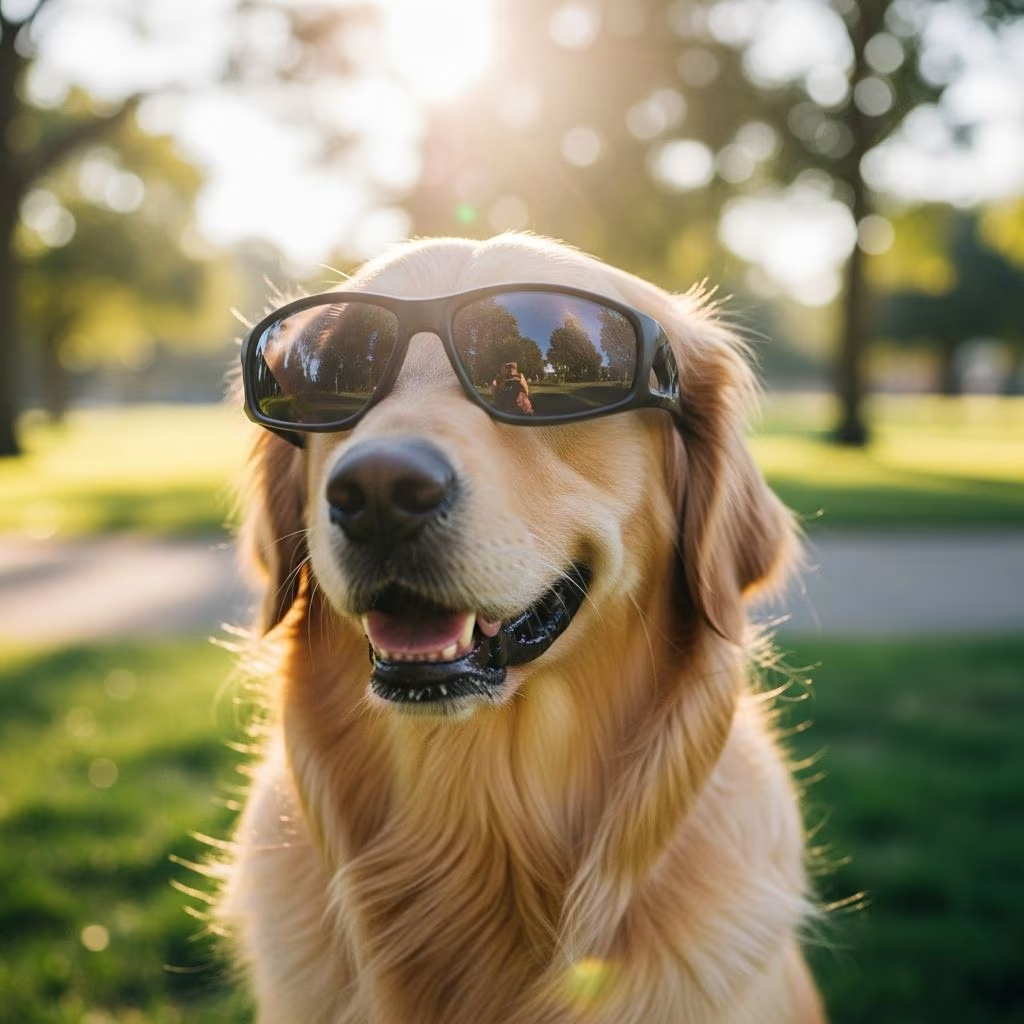
The sun shines down on both humans and our four-legged companions alike, yet we often overlook the potential harm ultraviolet radiation and environmental elements can pose to our dogs’ vision. While sunglasses might seem like a purely cosmetic accessory for pets, they can serve important protective functions in certain situations. Understanding when and why your dog might benefit from eye protection is essential for responsible pet ownership.
The Reality of UV Exposure and Canine Health
Dogs experience the same environmental elements that humans do, including direct sunlight and ultraviolet radiation. However, the relationship between UV exposure and long-term eye damage differs significantly between species. Unlike humans, who can develop cataracts and other age-related eye conditions from cumulative sun exposure over decades, dogs have considerably shorter lifespans that generally prevent them from experiencing the same long-term consequences. This fundamental biological difference has led many veterinarians to conclude that UV protection is not universally necessary for all dogs.
That said, the absence of long-term UV damage does not mean your dog’s eyes are impervious to sun-related issues. Dogs can develop various eye conditions including pannus, cataracts, and other corneal diseases. Additionally, bright sunlight can cause immediate discomfort and pain for dogs with certain pre-existing eye conditions, making protective eyewear a valuable tool for symptom management rather than disease prevention.
Identifying High-Risk Dog Breeds
Certain dog breeds possess anatomical characteristics that make them more susceptible to eye injuries and environmental damage. Breeds with more prominent eyeballs—such as Pugs, Boston Terriers, Shih Tzus, and German Shepherds—face heightened vulnerability to cuts, abrasions, and other trauma. The physical structure of their eyes leaves them more exposed to the surrounding environment, making even routine outdoor activities potentially hazardous.
German Shepherds deserve special mention, as they are particularly prone to developing pannus, a degenerative corneal condition. For working German Shepherds exposed to intense sunlight during outdoor duties or activities, sunglasses present a compelling case for UV protection. The reduced UV exposure achieved through eyewear may help mitigate the onset or progression of this condition.
Beyond breed predisposition, individual dogs with lighter-colored eyes show increased vulnerability to UV radiation. Dogs with blue or light amber eyes may benefit more from sun protection than their darker-eyed counterparts.
Common Scenarios Where Eye Protection Proves Beneficial
Vehicle Travel and Wind Exposure
Many dogs enjoy the sensation of hanging their heads out of car windows during drives. While this behavior feels exhilarating to our pets, it exposes their eyes to substantial risk. High-speed wind creates the potential for flying debris, dust, and sand to strike and damage the delicate ocular surface. Dogs engaged in motorcycling or bicycle riding face similar hazards. Sunglasses specifically designed for dogs provide a physical barrier against these projectiles, significantly reducing injury risk during travel.
Active Outdoor Recreation
Dogs that participate in jogging, trail hiking, or running alongside their owners encounter diverse environmental challenges. Dense vegetation, foxtail seeds, dust clouds, and airborne particles present constant threats to unprotected eyes. These plant seeds can embed themselves in the cornea or surrounding tissues, causing serious injury and requiring veterinary intervention. Protective eyewear serves as preventive equipment for active dogs.
Water-Based Activities
Dogs that swim regularly, participate in dock diving, or spend extended time near water benefit from specialized goggles. Water-based eyewear prevents splashing, reduces glare reflection off water surfaces, and shields eyes from chlorine irritation in pools or salt water irritation in ocean environments. For water-loving dogs, swimming goggles represent practical protective equipment similar to those used by human swimmers and athletes.
Harsh Work Environments
Canines engaged in professional work—including K-9 law enforcement, military operations, or search and rescue—regularly operate in demanding environmental conditions. These working dogs spend extensive hours outdoors in varying weather, exposed to dust, debris, extreme temperatures, and challenging terrain. Protective eyewear helps preserve vision and comfort during extended work periods.
Medical Conditions and Eye Comfort
Beyond environmental protection, sunglasses serve therapeutic purposes for dogs experiencing specific eye conditions. Older dogs frequently develop age-related eye diseases, and bright sunlight can trigger significant discomfort as their eyes struggle to adapt to intense light. While the brightness itself does not cause the underlying damage, it exacerbates existing pain and irritation.
Dogs recovering from eye surgery or trauma benefit from protective eyewear that prevents further injury during the healing process. Goggles can prevent dogs from pawing, scratching, or rubbing their eyes, thereby reducing the risk of reopening surgical sites or aggravating wounds. This protective function often eliminates the need for traditional cone collars, which many dogs find frustrating and uncomfortable.
Dogs experiencing uveodermatologic syndrome, a condition causing light sensitivity, find significant relief through UV-blocking eyewear. Similarly, dogs diagnosed with pannus benefit from reduced UV exposure achieved through protective sunglasses.
Understanding the Limitations of Canine Eye Protection
While sunglasses offer genuine benefits in specific situations, they do not provide complete protection against all environmental hazards. Most dog sunglasses do not effectively block debris and particles—they primarily offer UV filtration and glare reduction. Therefore, sunglasses alone cannot fully protect a dog hanging its head from a moving vehicle, as particles still pass around the eyewear’s edges.
Improperly fitted goggles present their own risks. Goggles that fit too tightly can create suction within the eyepiece, and if removed carelessly or quickly, they could theoretically cause serious injury to the eye they were intended to protect. Dogs with certain pre-existing conditions like glaucoma require extra caution, as the pressure from goggles might inadvertently damage the eye.
Sunglasses represent only one component of comprehensive eye care. Dogs displaying discomfort in bright light or showing signs of eye problems require veterinary examination to diagnose underlying conditions. Eye protection may manage symptoms but cannot substitute for proper medical diagnosis and treatment.
Training Your Dog to Wear Eye Protection
Introducing sunglasses or goggles to a dog requires patience and positive reinforcement. Many dogs instinctively resist having objects placed on their faces, particularly if they are older or have never worn eyewear. Successful acclimation follows a gradual approach:
- Begin with very short wearing periods—just a few moments at a time
- Immediately remove the eyewear after each brief session
- Offer high-value treats or favorite toys as rewards following removal
- Gradually extend wearing duration over multiple training sessions
- Practice in bright sunlight to help your dog understand the functional benefit
- Avoid allowing your dog to paw or roll to remove the glasses during training
- Provide reassurance and calm encouragement throughout the process
Consistency and repetition build tolerance over time. Dogs trained to wear protective eyewear as puppies typically accept them more readily than adult dogs unfamiliar with the sensation. Older dogs may require extended training periods, sometimes spanning weeks or months.
Types of Canine Eye Protection Available
Sunglasses
Traditional dog sunglasses resemble miniature human sunglasses, typically featuring adjustable straps to secure them in place. They offer UV filtration and glare reduction at relatively affordable price points. Many retailers stock dog sunglasses in various colors and styles, making them widely accessible.
Goggles
Dog goggles provide more comprehensive coverage than standard sunglasses, offering protection from multiple angles and creating a more secure fit. Goggles excel at blocking debris, wind, and splashing water. They come in various designs and price ranges, with specialized versions available for swimming or specific activities. Brands like Rex Specs and Doggles provide veterinarian-recommended options.
Prescription and Specialized Eyewear
For dogs with significant vision impairment or specialized needs, custom prescription lenses and specially designed eyewear exist. Some dogs benefit from tinted lenses that reduce brightness for light-sensitive conditions.
Practical Considerations for Pet Owners
| Situation | Eye Protection Benefit | Urgency Level |
|---|---|---|
| Car travel with head out window | Debris and wind protection | High |
| Regular hiking or trail running | Plant debris and dust protection | Moderate to High |
| Swimming or water activities | Splash and chemical protection | Moderate |
| Brachycephalic breed (prominent eyes) | General trauma prevention | Moderate |
| Post-surgical recovery | Wound protection and healing support | High |
| Existing eye condition (pannus, cataracts) | Symptom relief and disease management | Moderate |
| Light-sensitivity condition | Comfort and pain management | High |
| Professional working dog | Comprehensive environmental protection | High |
Frequently Asked Questions About Canine Eye Protection
Do all dogs need sunglasses?
No, most healthy dogs do not require sunglasses for routine daily activities. However, dogs with certain breeds, pre-existing eye conditions, or those engaged in specific activities benefit significantly from protective eyewear.
Will my dog overheat wearing goggles?
Quality dog goggles are designed with ventilation in mind and do not trap significant heat. They should not cause overheating concerns, though you should monitor your dog during initial wear periods.
Can I use human sunglasses on my dog?
Human sunglasses are generally not suitable for dogs. They do not fit properly, lack appropriate securing mechanisms, and may restrict peripheral vision. Invest in eyewear specifically designed for canine anatomy and needs.
How much do dog sunglasses cost?
Dog sunglasses range widely in price, from budget options around $15 with basic adjustable straps to premium veterinary-grade goggles exceeding $100. Mid-range options typically cost between $25 and $50.
What if my dog refuses to wear sunglasses?
Some dogs may never become comfortable with eyewear despite training efforts. In these cases, explore alternative protective strategies such as limiting outdoor time during peak UV hours, using sunscreen formulated for pets, or adjusting activity timing.
Are there side effects from wearing dog sunglasses?
When properly fitted, quality dog sunglasses should not cause adverse effects. Ill-fitting goggles that are too tight may create uncomfortable pressure or suction. Always ensure proper fit and supervise initial wear periods.
Making the Right Decision for Your Dog
The decision to purchase sunglasses for your dog depends on individual circumstances rather than universal necessity. Consider your dog’s breed, age, activity level, and any existing eye conditions. Dogs that spend significant time outdoors in sunny conditions, those with prominent eyes, or those engaged in activities like car travel or water sports benefit from protective eyewear.
If your dog shows signs of eye discomfort, sensitivity to light, or has been diagnosed with an eye condition, consult your veterinarian about whether protective eyewear forms part of an appropriate care plan. Sunglasses can enhance comfort and potentially support healing in these cases.
For otherwise healthy dogs with minimal outdoor exposure or those living in predominantly cloudy climates, sunglasses remain optional rather than essential. The primary goal remains protecting your dog’s long-term eye health and immediate comfort—sunglasses serve as one tool among several available options for achieving this goal.
References
- How Necessary Is Eye Protection For Dogs? — PetCareRx. Accessed February 2026. https://www.petcarerx.com/article/how-necessary-is-eye-protection-for-dogs/3018
- Doggy Sunglasses: Does Your Pup Need Eye Protection? — Petful. Accessed February 2026. https://www.petful.com/pet-health/doggy-sunglasses/
- Eye Protection for Dogs: Goggles, Sunglasses, and More — American Kennel Club. Accessed February 2026. https://www.akc.org/expert-advice/lifestyle/eye-protection-for-dogs/
- Dog Goggles: What Are They for, and Does Your Dog Need Them? — Rocky Mountain Dog. Accessed February 2026. https://rockymountaindog.ca/blogs/news/dog-goggles-what-are-they-for-and-does-your-dog-need-them
- Do Dogs Need Sunglasses? — Outside Magazine. Accessed February 2026. https://www.outsideonline.com/health/training-performance/do-dogs-need-sunglasses/
- Fashionable, Functional Dog Sunglasses That Protect Canine Eyes — Shiloh’s Vet. Accessed February 2026. https://www.shilohsvet.com/blog/fashionable-functional-dog-sunglasses-that-protect-canine-eyes/
- Understanding Pet Vision – A Guide to Pet Sunglasses — NoIR Insight. Accessed February 2026. https://www.noirinsight.com/understanding-pet-vision
- Do Dogs Need Sunglasses or Goggles? Experts Explain Doggles — Rover. Accessed February 2026. https://www.rover.com/blog/do-dogs-need-sunglasses/



