

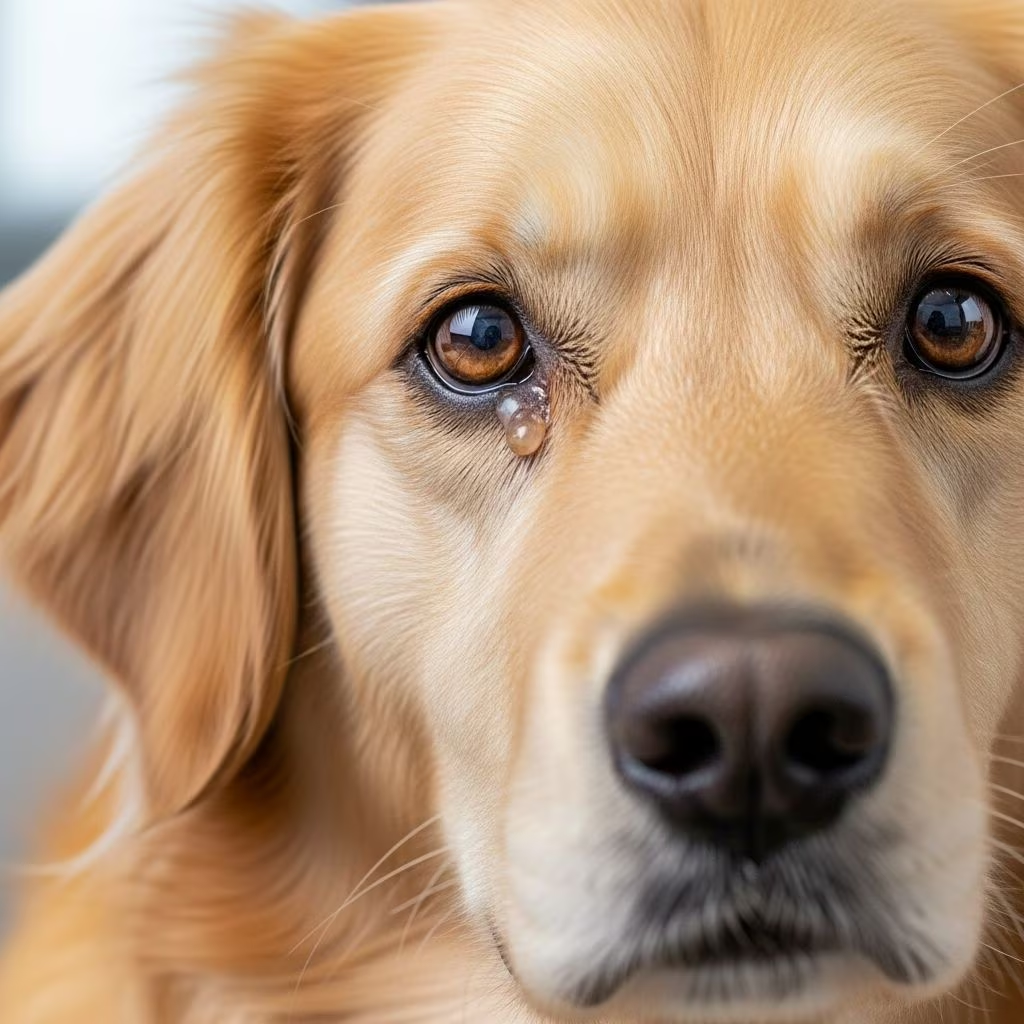
Your dog’s eyes are windows into their overall health and well-being. Like humans, dogs naturally produce tears and other eye secretions as part of their normal physiological function. However, distinguishing between typical eye maintenance and signs of underlying health concerns can be challenging for pet owners. Eye discharge in canines encompasses a wide spectrum of presentations, from minor irritations that resolve independently to serious conditions requiring immediate veterinary intervention. Understanding what constitutes normal ocular secretion versus abnormal discharge is fundamental to protecting your dog’s vision and comfort.
Distinguishing Normal Eye Secretions from Problematic Discharge
Dogs naturally accumulate small amounts of debris, dried tears, and mucus in the corners of their eyes, commonly referred to as eye boogers. These typically appear as dark, crusty material and result from the normal tear production and environmental exposure throughout the day. Such secretions are completely normal and can be gently wiped away during regular grooming. The presence of minimal discharge does not indicate illness or require veterinary attention.
In contrast, problematic discharge manifests through several telltale characteristics that warrant closer attention. Excessive tearing that soaks the fur, discolored secretions with yellow, green, or reddish tinges, thick or sticky discharge that creates matting around the eyelids, and any accompanying swelling or redness all suggest underlying issues requiring professional evaluation. The volume, consistency, color, and associated symptoms collectively provide important diagnostic clues about your dog’s eye health status.
The Spectrum of Eye Discharge Characteristics
Eye discharge manifests in various forms, each potentially indicating different underlying conditions. Recognizing these distinctions helps pet owners communicate effectively with their veterinarians and understand the urgency of seeking care.
Clear and Watery Secretions
Clear, watery discharge typically represents the mildest form of ocular concern. This type of discharge frequently results from environmental irritants such as dust, pollen, smoke, or wind exposure. Allergic reactions to seasonal allergens, household substances, or medications can similarly trigger increased tear production as the eye’s protective response. In most cases, clear discharge resolves independently once the irritant is removed or the seasonal allergen diminishes. However, persistent clear discharge warrants veterinary evaluation to rule out structural problems or chronic conditions affecting tear drainage.
Thick Colored Discharges
Yellow or green discharge represents a significant warning sign requiring prompt veterinary attention. This coloration typically indicates bacterial or viral infection affecting the eye’s surface tissues. The presence of thick, discolored secretions often accompanies other symptoms including eye redness, lid swelling, and visible discomfort. Dogs may squint, rub their eyes against surfaces, or show reluctance to open the affected eye. This type of discharge demands professional diagnosis and treatment to prevent progression to more serious complications.
Rusty or brownish discharge frequently results from tear staining, a condition where tears contain pigments or minerals that discolor the fur around the eyes. This often occurs due to blocked tear ducts preventing normal drainage, or represents breed-specific traits common in dogs with flatter facial structures. While generally cosmetic, tear staining can indicate underlying drainage problems requiring attention.
White or gray discharge may suggest dry eye syndrome, a condition where insufficient tear production fails to maintain proper eye lubrication. This discharge typically appears thicker and stickier than normal secretions. Without adequate tears, the cornea becomes vulnerable to scratching and infection, making this condition require professional management.
Understanding the Root Causes
Infectious Conditions
Conjunctivitis, commonly known as pink eye, represents one of the most frequent causes of abnormal eye discharge in dogs. This condition involves inflammation of the conjunctiva, the delicate tissue lining the eyelids and covering the white portion of the eye. Three primary types exist, each requiring different treatment approaches.
Bacterial conjunctivitis typically produces thick, yellowish discharge and results from bacterial organisms such as streptococcus or staphylococcus colonizing the eye surface. This highly contagious form spreads readily between dogs and requires antibiotic treatment. Viral conjunctivitis causes watery discharge, often accompanies cold-like symptoms or upper respiratory infections, and takes approximately three weeks to resolve. Allergic conjunctivitis triggers clear to slightly milky discharge, often shows seasonal patterns, and develops in response to environmental allergens.
Allergic Reactions
Allergies represent one of the biggest contributors to canine eye discharge. Dogs may develop allergic responses to pollen, dust mites, mold, dander, or even household products like cosmetics and perfumes. Allergic reactions typically produce clear, watery discharge and eye redness without the thick discoloration associated with infections. These reactions often worsen during specific seasons or environmental conditions. Identifying and minimizing exposure to allergens, combined with appropriate medications, helps manage allergy-related eye discharge.
Structural and Anatomical Issues
Blocked tear ducts prevent normal drainage of tear secretions, causing excessive tearing and discharge accumulation. This condition may result from congenital abnormalities, inflammation blocking the drainage pathway, or anatomical variations common in certain breeds with shortened facial structures.
Abnormal eyelash positioning, including conditions where lashes grow from the eyelid margins or inward-turning eyelids, creates constant irritation and excessive discharge. Similarly, eyelid abnormalities such as inward-rolling eyelids (entropion) or outward-rolling eyelids (ectropion) disrupt normal tear distribution and drainage patterns.
Ocular Injuries and Foreign Bodies
Foreign objects lodged in the eye or under the eyelids trigger immediate protective responses, including excessive tearing and mucus production. Traumatic injuries to the cornea or surrounding tissues similarly stimulate discharge as the eye attempts to protect and heal itself. Corneal ulcers, which range from superficial surface erosions to deep sores penetrating the corneal layers, produce red, watery eyes with visible discharge and significant light sensitivity. These painful conditions require immediate veterinary evaluation and treatment to prevent vision loss.
Tear Production Deficiencies
Dry eye syndrome, medically termed keratoconjunctivitis sicca, develops when tear glands fail to produce sufficient lubrication. This may result from immune system dysfunction targeting tear-producing tissue, previous head injuries, distemper infection, or other systemic conditions. Without adequate tear coverage, the cornea becomes prone to scratching from normal eyelid movement, leading to ulceration and serious complications. The resulting discharge appears thick, sticky, and tenacious rather than watery.
Other Contributing Factors
Glaucoma, characterized by elevated intraocular pressure, can trigger ocular discharge along with pain and vision changes. Excessive tearing, termed epiphora, may result from tumors, infections, or various pain conditions affecting the eye region. Systemic diseases and infections elsewhere in the body can manifest through ocular symptoms including discharge.
When Professional Evaluation Becomes Necessary
While minor eye discharge may resolve independently, certain presentations warrant immediate veterinary consultation. Thick, colored discharge—particularly yellow or green secretions—requires prompt professional attention. Any eye discharge accompanied by visible discomfort, including squinting, excessive pawing at the eye, or reluctance to open the eyelid, needs veterinary evaluation. Swelling around the eyes, redness of the conjunctiva or sclera, or cloudiness affecting the normally clear corneal surface all indicate potentially serious conditions.
Sudden changes in vision behavior, such as your dog bumping into objects or showing reluctance to navigate their environment, suggest serious eye problems requiring emergency care. Any eye injury or trauma demands immediate professional assessment. Additionally, if discharge persists beyond one or two days without improvement, or if home care measures fail to resolve the symptoms, veterinary consultation should not be delayed. Vision loss can develop rapidly in certain eye conditions, making timely professional intervention essential.
Diagnostic Approaches and Treatment Strategies
Veterinary Diagnostic Methods
Veterinarians begin eye discharge evaluation with a thorough ocular examination, paying special attention to tear production adequacy, eyelid structure and positioning, and corneal surface integrity. Testing may include special dyes that highlight corneal damage, tonometry measuring internal eye pressure, or assessment of tear drainage through the nasolacrimal ducts. The underlying cause directly determines appropriate treatment selection.
Treatment Options
Treatment approaches vary substantially based on the identified cause. Bacterial infections require antibiotic eye drops or ointments applied topically to the affected eye. Viral infections typically necessitate supportive care including artificial tears and cold compresses, as viral infections must run their course without specific antiviral treatments for most cases. Allergic conjunctivitis responds to antihistamines, nonsteroidal anti-inflammatory medications, steroid eye drops, or cold compresses to reduce inflammation and discomfort.
Dry eye management includes artificial tear products, lubricating eye ointments, and potentially medications stimulating tear production. Blocked tear ducts may require surgical intervention to restore normal drainage. Corneal ulcers demand urgent treatment with antibiotics, anti-inflammatory medications, and corneal repair drops to prevent permanent scarring and vision loss. Eye injuries or structural abnormalities sometimes necessitate surgical correction.
Home Care and Prevention Strategies
While professional treatment addresses identified conditions, supportive home care enhances recovery and prevents complications. Regular gentle cleaning of the eye area with warm water or vet-approved solutions removes debris and accumulated discharge. Preventing your dog from rubbing or scratching at affected eyes protects the cornea from additional trauma. Minimizing exposure to known irritants, whether environmental allergens or household substances, reduces discharge triggers. Maintaining appropriate eye hygiene during grooming helps prevent secondary infections.
Environmental modifications, including air purifier use and humidity control, may help dogs with allergic sensitivities. Protecting eyes during windy conditions or vehicle travel reduces irritant exposure. Certain supplements supporting eye health might prove beneficial, though these should be discussed with your veterinarian.
Frequently Asked Questions
Is all eye discharge in dogs abnormal?
No. Small amounts of dark crusty material accumulating in eye corners represent normal tear debris. However, excessive discharge, discoloration, or discharge accompanied by discomfort warrants veterinary evaluation.
Can eye discharge indicate problems beyond the eye?
Yes. Eye discharge can signal brain or nerve injuries, systemic infections, or widespread health problems. This underscores the importance of professional veterinary evaluation rather than assuming localized eye irritation.
How quickly should I seek veterinary care for eye discharge?
Seek immediate care for thick yellow or green discharge, visible eye pain or injury, swelling, cloudiness, or any discharge accompanied by behavioral changes. For mild clear discharge persisting more than a day, schedule a non-emergency appointment.
Can I use human eye drops on my dog?
No. Medications appropriate for humans may irritate canine eyes or exacerbate underlying conditions. Use only veterinarian-prescribed or approved solutions.
Are certain dog breeds predisposed to eye discharge?
Breeds with shortened facial structures experience higher rates of tear duct obstruction and tear staining. Breeds prone to eyelid abnormalities similarly show increased discharge. Discuss breed-specific concerns with your veterinarian.
References
- Dog Eye Discharge: Causes and Treatment — Reed Animal Hospital. 2024. https://www.reedanimalhospital.com/blog/dog-eye-discharge-normal-vs-abnormal/
- Common Causes and Treatments of Eye Discharge in Dogs — WebMD Pets. 2024. https://www.webmd.com/pets/dogs/dog-discharge-from-eye
- Eye Discharge (Epiphora) in Dogs — VCA Animal Hospitals. 2024. https://vcahospitals.com/know-your-pet/eye-discharge-or-epiphora-in-dogs
- When Should You Worry About Your Pet’s Eye Discharge — Companion Animal Clinic Iowa. 2024. https://www.companionanimalcliniciowa.com/blog/when-should-you-worry-about-your-pets-eye-discharge
- Eye Discharge and Burr in Dogs — VetAmerican. 2024. https://www.vetamerikan.org/health-information/dog-diseases/eye-discharge-and-burr-in-dogs
- Weepy Eyes in Dogs: Common Causes & Treatment — Purina New Zealand. 2024. https://www.purina.co.nz/care-and-advice/dog/health/weepy-eyes-in-dogs
- Dog Eye Infections: Symptoms, Causes, and Treatment — American Kennel Club. 2024. https://www.akc.org/expert-advice/health/dog-eye-infections/



