

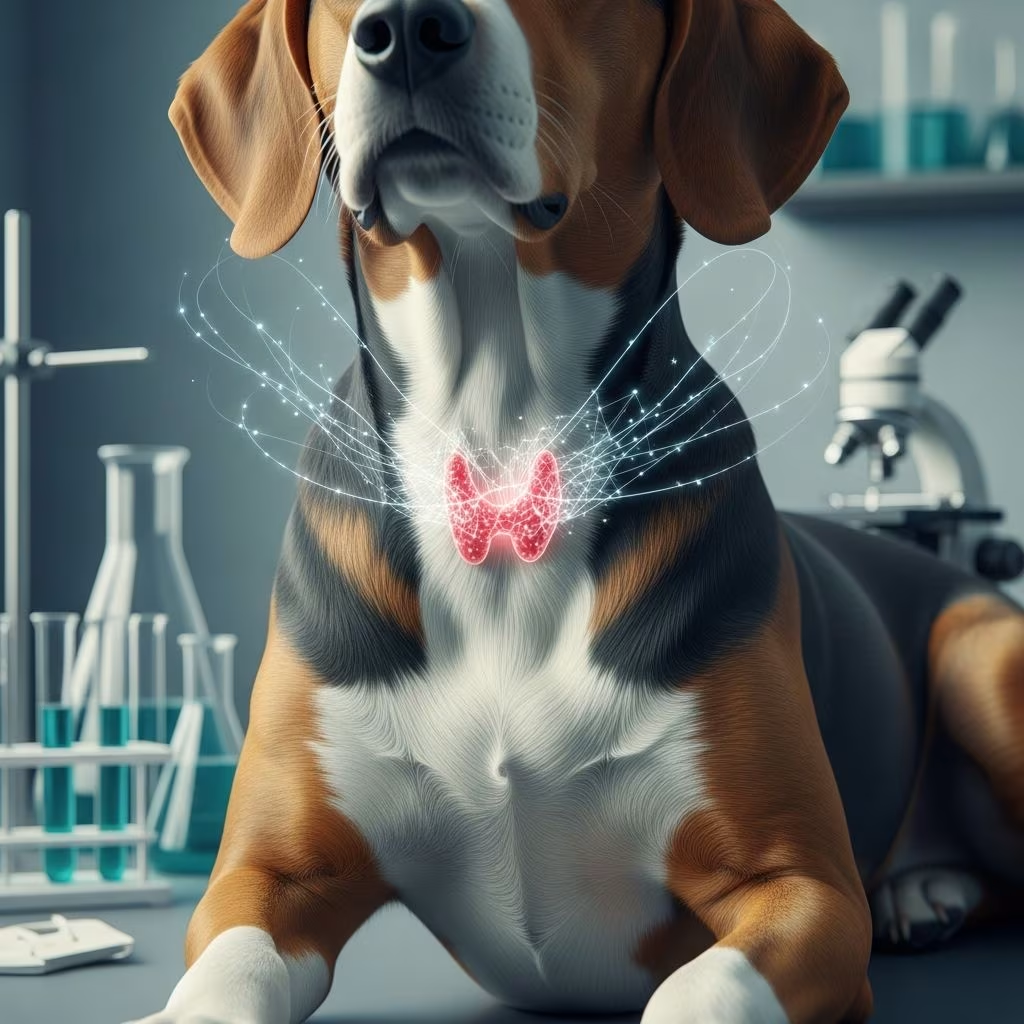
The endocrine system in dogs regulates vital functions through hormones produced by glands such as the thyroid, adrenal glands, pancreas, and reproductive organs. Disruptions in this system can lead to a range of health issues, affecting metabolism, reproduction, and overall well-being. Understanding these disorders empowers dog owners to seek timely veterinary care.
Key Hormones and Their Roles in Dogs
Hormones act as chemical messengers, influencing growth, energy use, reproduction, and stress responses. In canines, major hormones include:
- Thyroid hormones (T3 and T4): Control metabolism, heart rate, and body temperature.
- Cortisol: Manages stress, inflammation, and blood sugar from the adrenal glands.
- Insulin and glucagon: Regulate blood glucose levels from the pancreas.
- Sex hormones (estrogen, progesterone, testosterone): Govern reproductive development and behaviors.
- Growth hormone and pituitary regulators: Oversee other gland functions.
Imbalances occur when glands overproduce (hyperfunction) or underproduce (hypofunction) hormones, or when target tissues fail to respond properly.
Common Types of Endocrine Imbalances in Dogs
Dogs experience several prevalent hormone-related conditions, each with distinct impacts.
Hypothyroidism: The Metabolic Slowdown
Hypothyroidism, a leading endocrine issue, results from insufficient thyroid hormone production, often due to immune-mediated thyroid destruction. It primarily affects middle-aged to older dogs, with breeds like Golden Retrievers and Dobermans at higher risk. Symptoms include lethargy, weight gain despite reduced appetite, hair loss (especially on the trunk), dry skin, and cold intolerance. Diagnosis involves blood tests measuring T4 and TSH levels, confirmed by thyroid-stimulating hormone response tests.
Treatment typically entails lifelong oral levothyroxine supplementation, with regular monitoring to adjust doses and prevent over-supplementation, which mimics hyperthyroidism.
Hyperadrenocorticism (Cushing’s Disease): Excess Stress Hormones
Cushing’s disease arises from elevated cortisol, commonly from pituitary tumors (85% of cases) or adrenal tumors. It impacts older dogs, showing pot-bellied appearance, increased thirst and urination, panting, thin skin, and poor hair regrowth. Vague signs often delay diagnosis, requiring tests like low-dose dexamethasone suppression or ACTH stimulation.
Management includes medications like trilostane to inhibit cortisol synthesis, surgery for adrenal tumors, or radiation for pituitary issues. Prognosis improves with early intervention.
Diabetes Mellitus: Blood Sugar Dysregulation
This condition stems from insulin deficiency or resistance, leading to high blood glucose. Risk factors include obesity, genetics (e.g., Poodles, Samoyeds), and concurrent Cushing’s. Signs are excessive thirst, urination, weight loss, and cataracts. Diagnosis uses fasting glucose and fructosamine tests.
Insulin injections, dietary control (high-fiber, low-carb), and exercise form the cornerstone of therapy. Complications like ketoacidosis demand emergency care.
Sex Hormone-Related Disorders
Reproductive hormones cause unique issues, particularly in intact dogs.
Hyperestrogenism in Females
Excess estrogen from ovarian cysts, tumors, or medications affects middle-aged to older intact females. Signs include enlarged vulva and nipples, skin comedones, prolonged estrus, and attractions from males. Pyometra or endometritis may coexist. Ultrasound detects ovarian abnormalities, with blood estrogen levels variably elevated. Ovariohysterectomy resolves most cases.
Male Feminization and Hyperandrogenism
In males, Sertoli cell tumors (24-57% feminizing) cause prepuce swelling, gynecomastia, and behavioral changes. Interstitial tumors lead to hyperandrogenism with greasy skin, aggression, and gland hyperplasia. Castration typically improves symptoms within months, though bone marrow suppression from estrogen is a rare risk.
| Condition | Common Cause | Key Signs | Treatment |
|---|---|---|---|
| Hyperestrogenism (Females) | Ovarian cysts/tumors | Enlarged genitals, skin issues | Spay |
| Male Feminization | Sertoli cell tumor | Prepuce pendulous, gynecomastia | Castrate |
| Hyperandrogenism | Interstitial tumor/idiopathic | Seborrhea, aggression | Castrate |
Causes and Risk Factors
Endocrine disruptions arise from:
- Autoimmune attacks: Destroy thyroid or adrenal tissues.
- Tumors: Benign or malignant overproduce hormones.
- Genetic predispositions: Breed-specific vulnerabilities.
- Early spay/neuter: Elevates luteinizing hormone (LH), stressing glands and raising risks for obesity, incontinence, and hypothyroidism.
- Nutritional deficiencies/stress: Strain hormone production.
Senior dogs face higher incidence due to age-related glandular decline[10].
Recognizing Symptoms Early
Owners should watch for clusters of signs like unexplained weight changes, thirst/urination shifts, skin/coat alterations, lethargy, or behavioral shifts. Subtle onset in conditions like hypothyroidism or Cushing’s underscores routine senior wellness exams with bloodwork.
Diagnostic Approaches
Vets employ:
- Blood panels for hormone levels (T4, cortisol, glucose).
- Stimulation/suppression tests (ACTH, TSH).
- Imaging (ultrasound, CT for tumors).
- Urinalysis and biopsies for confirmation.
Rule out differentials like allergies or infections first.
Treatment and Management Strategies
Therapies focus on hormone replacement, suppression, or source removal:
- Medications: Levothyroxine, insulin, mitotane/trilostane.
- Surgery: Tumor excision, spay/neuter.
- Diet/lifestyle: Balanced nutrition, weight control, stress minimization.
Holistic supports like glandular supplements may aid, per some reviews, alongside vet oversight. Lifelong monitoring prevents complications.
Preventive Measures for Owners
Proactive steps include:
- High-quality, nutrient-dense diets avoiding endocrine disruptors.
- Delaying early spay/neuter in predisposed breeds.
- Annual blood screening post-7 years.
- Stress reduction via routines and enrichment.
FAQs
What is the most common hormone disorder in dogs?
Hypothyroidism and Cushing’s disease top the list, with hypothyroidism affecting up to 10% of some breeds.
Can diet help manage endocrine issues?
Yes, nutrient-rich foods support gland function and stabilize blood sugar.
Is early neutering risky for hormones?
It elevates LH, potentially increasing disorder risks per studies.
How often should bloodwork be done?
Every 6-12 months for diagnosed dogs, annually for seniors.
Are there natural remedies?
Supplements like glandulars show promise but require vet approval.
Endocrine health demands vigilance; consult vets promptly for symptoms to enhance quality of life.
References
- 1.7 Sex Hormone Dermatoses – Canine — University of Minnesota Libraries Publishing. Accessed 2026. https://open.lib.umn.edu/animaldermatology2/chapter/sex-hormone-dermatoses-canine/
- Dog Endocrine Disorders: Support & Hormone Health Guide — Dr. Ruth Roberts. Accessed 2026. https://drruthroberts.com/blogs/pet-blog/endocrine-disorders-in-dogs
- Introduction to Hormonal Disorders of Dogs – Dog Owners — MSD Veterinary Manual. Accessed 2026. https://www.msdvetmanual.com/dog-owners/hormonal-disorders-of-dogs/introduction-to-hormonal-disorders-of-dogs
- Guide to Canine Hormonal Balance — Natural Awakenings. 2025-08-31. https://www.naturalawakenings.com/2025/08/31/guide-to-canine-hormonal-balance
- Gland & hormones – Pet health concerns — Vetster. Accessed 2026. https://vetster.com/en/pet-connection/gland-and-hormones
- 2023 AAHA Selected Endocrinopathies of Dogs and Cats Guidelines — American Animal Hospital Association. 2023. http://www.aaha.org/wp-content/uploads/globalassets/02-guidelines/2023-aaha-selected-endocrinopathies-of-dogs-and-cats-guidelines/resources/aaha-selected-endocrinopathies-of-dogs-and-cats-guidelines.pdf



