

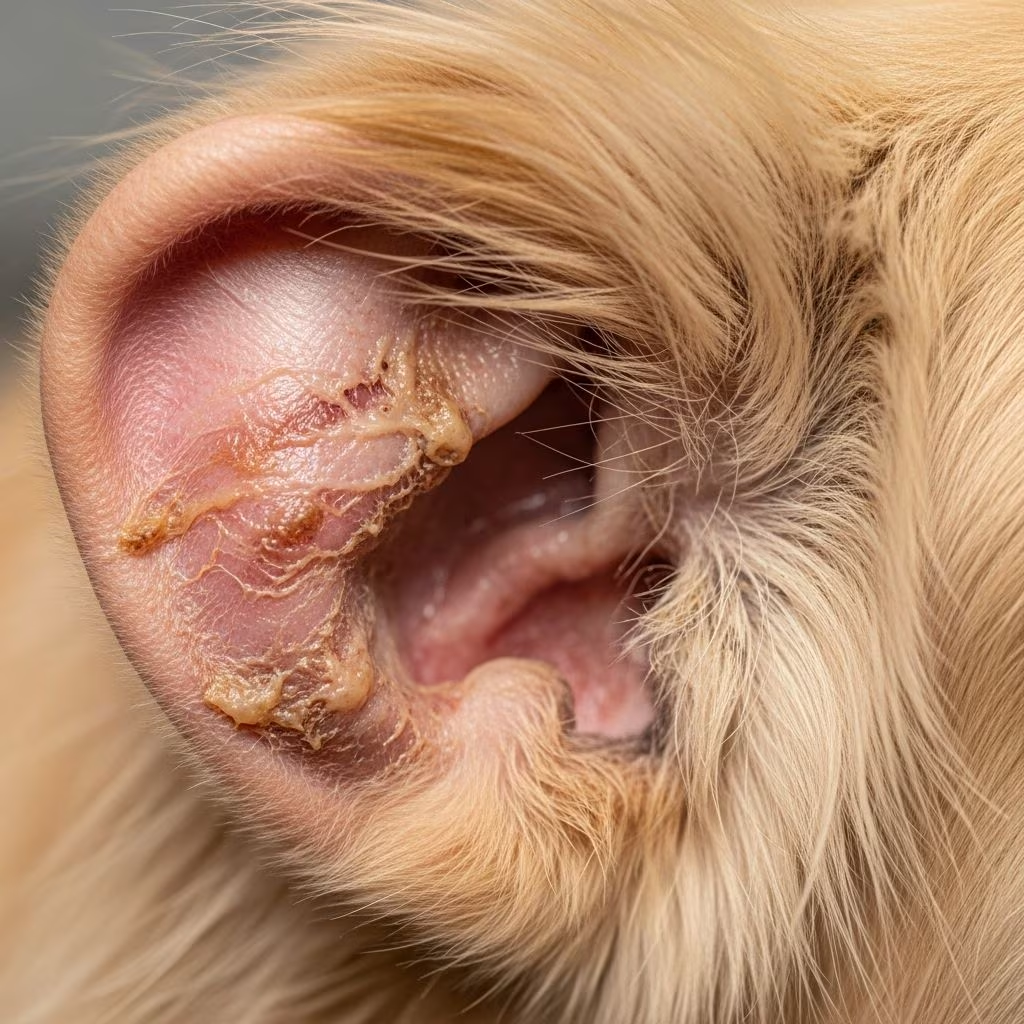
Yeast infections affecting a dog’s ears represent one of the most common dermatological complaints veterinarians encounter in clinical practice. These infections, medically termed yeast otitis, can cause significant discomfort and distress for affected canines. Understanding the multifaceted causes behind these infections empowers pet owners to take proactive measures in protecting their dogs’ ear health and quality of life.
Recognizing the Signs of Ear Yeast Complications
Before exploring the root causes, it’s essential to recognize how yeast infections manifest in dogs. The symptoms often serve as the first indication that something requires veterinary attention. Dogs suffering from yeast ear infections typically display an array of noticeable signs that range from mild to severe.According to veterinary sources, affected dogs may shake their heads repeatedly, scratch or paw at their ears excessively, and tilt their heads to one side. These behavioral changes often signal the presence of ear inflammation and discomfort.
Physical manifestations include distinctive characteristics that help differentiate yeast infections from other ear conditions. The skin inside the ear canal may develop an orange-peel texture, while ear discharge typically appears brown to gray and maintains a greasy consistency. Additionally, a musty or cheesy odor emanating from the ears is a hallmark sign of yeast overgrowth. Some dogs may experience hair loss around the affected area or develop sores on the skin, particularly if secondary infections develop from constant scratching.
The severity of symptoms can escalate if the infection remains untreated. If left unaddressed, yeast infections can spread to the middle and inner ear, making them significantly more difficult to treat. In extreme cases, dogs may experience hearing loss or require surgical intervention to manage the condition.
Environmental and Moisture-Related Factors
The ear canal creates a unique microenvironment that can either support or inhibit yeast growth. Moisture plays a central role in establishing conditions favorable for fungal proliferation. Dogs with long, floppy ears face elevated risk because trapped moisture becomes difficult to evaporate, creating an ideal breeding ground for yeast organisms. This anatomical predisposition makes certain breeds, such as Cocker Spaniels, Labrador Retrievers, and Basset Hounds, particularly vulnerable to recurrent ear problems.
Beyond ear structure, bathing and swimming habits significantly influence ear moisture levels. Frequent bathing or regular swimming exposes dogs to moisture that can become trapped in the ear canal, especially when not properly dried afterward. Even athletic activities in humid environments contribute to moisture accumulation. Pet owners in tropical climates or those who bathe their dogs excessively create conditions that predispose their animals to yeast infections.
Poor ear hygiene compounds moisture-related problems. When earwax, debris, and discharge accumulate without regular cleaning, they provide nutrients for yeast while simultaneously trapping additional moisture. Certain ear drops or medications can paradoxically alter the ear’s natural environment in ways that promote fungal overgrowth. This underscores the importance of using only veterinarian-approved products and following professional cleaning recommendations.
Nutritional and Metabolic Contributors
A dog’s diet influences susceptibility to yeast infections in surprising ways. Foods high in carbohydrates and sugar create an internal environment that supports yeast proliferation throughout the body, including in the ears. This dietary connection reveals how systemic factors, not just localized ear conditions, contribute to fungal overgrowth.
The relationship between nutrition and yeast colonization stems from how yeast organisms metabolize sugars. When dogs consume excessive carbohydrates, their bodies experience elevated glucose levels that create favorable conditions for Malassezia yeast expansion. This systemic effect means that addressing dietary imbalances can have meaningful impacts on ear health.
Immune System Dysfunction and Allergic Responses
The immune system acts as the body’s primary defense against yeast overgrowth. When immune function becomes compromised, either through underactivity or overreactivity, yeast infections become more likely. An underactive immune system fails to control normal yeast populations, while an overreactive immune response can create inflammatory conditions that paradoxically increase yeast susceptibility.
Allergic reactions represent a major trigger for yeast ear infections in dogs. This connection operates through multiple mechanisms: allergies cause inflammation and ear discharge that provide nutrients for yeast, while also compromising local immune defenses. Food allergies particularly correlate with ear yeast infections, suggesting that dietary sensitivities may warrant investigation in dogs with recurrent ear problems.
Environmental allergens including dust, mold, smoke, and cleaning products similarly trigger inflammatory responses that predispose ears to yeast colonization. Pet owners managing dogs with known allergies should consider how these sensitivities might contribute to their animals’ ear health challenges.
Antibiotic Use and Medicinal Factors
Antibiotic administration represents another contributing factor to yeast ear infections. This occurs because antibiotics eliminate beneficial bacteria that normally compete with yeast for resources and space within the ear canal. When these protective bacterial populations diminish, opportunistic yeast organisms can proliferate unchecked.
This phenomenon, known as dysbiosis, demonstrates how well-intentioned medical treatments can inadvertently create conditions favoring secondary infections. Pet owners should discuss this risk with their veterinarians when antibiotics are prescribed, particularly if their dogs have histories of recurrent ear problems.
Underlying Health Conditions and Structural Issues
Various health conditions and anatomical problems increase yeast infection susceptibility. Foreign objects trapped in the ear canal or excess wax accumulation create environments conducive to yeast overgrowth. Tumors or polyps affecting the ear can similarly alter the canal environment in ways that support fungal proliferation.
Immunodeficiency conditions, whether primary or secondary to other diseases, substantially elevate yeast infection risk. Dogs with hormonal imbalances or metabolic disorders may experience systemic yeast overgrowth extending to the ears.
Diagnostic Approaches and Professional Assessment
Accurate diagnosis forms the foundation for effective treatment. Ear cytology—examination of ear debris and discharge under a microscope—serves as the primary diagnostic test for identifying yeast infections. This procedure definitively identifies the presence of yeast organisms and differentiates fungal infections from bacterial or parasitic conditions causing similar symptoms.
Veterinarians may recommend additional tests including bacterial or fungal cultures, blood tests, diagnostic imaging, or biopsies depending on the clinical presentation. These supplementary investigations help identify underlying conditions contributing to yeast overgrowth, ensuring comprehensive treatment addresses root causes rather than merely suppressing symptoms.
Treatment Strategies and Management Plans
Effective yeast infection treatment combines multiple approaches tailored to individual cases. Most cases respond to antifungal topical medications, which may also contain anti-inflammatory and antibiotic components. Treatment typically begins with thorough professional ear cleaning to remove accumulated debris, wax, and discharge that support yeast growth.
Veterinarians often recommend that owners clean their dogs’ ears at home using medicated cleansers between professional treatments. These home-cleaning regimens help maintain a less hospitable environment for yeast while allowing topical medications to penetrate effectively. Owners should use soft tissues or cotton balls rather than Q-tips, which risk damaging the sensitive ear canal.
For more severe infections, veterinarians may prescribe oral antifungal medications such as ketoconazole, fluconazole, or terbinafine. These systemic treatments reach yeast organisms throughout the body and prove particularly valuable when infections extend beyond the ear canal or when topical treatments prove insufficient.
In severe chronic cases or situations where infections cause deafness, total ear canal ablation surgery may become necessary. While surgical intervention represents a last resort, it can provide relief for dogs suffering from intractable infections unresponsive to medical management.
Prevention Strategies and Long-Term Management
Preventing yeast infections proves far more pleasant for dogs than undergoing treatment. Owners of at-risk dogs should implement several preventive measures consistently. Regular ear cleaning using pH-lowering solutions helps maintain an environment less favorable for yeast colonization. This proves particularly important for dogs with floppy ears or those frequently exposed to moisture.
Dietary modifications can substantially impact yeast infection rates. Reducing carbohydrate and sugar intake limits the systemic glucose availability that supports yeast metabolism. Consulting with veterinarians about appropriate diet formulations for yeast-prone dogs may yield significant benefits.
Minimizing unnecessary moisture exposure represents another key strategy. Dogs should have ears dried thoroughly after bathing or swimming, and owners of frequent swimmers might consider using preventive ear drops designed to promote drying and maintain pH balance.
Managing allergies through dietary adjustments, environmental controls, or appropriate medical interventions reduces the inflammatory conditions that predispose ears to yeast colonization. Addressing these underlying issues often prevents recurrent infections more effectively than treating each infection individually.
Understanding Recurrence and Incomplete Treatment
Yeast ear infections frequently recur due to incomplete treatment and inadequate management of underlying causative factors. This recurrence pattern frustrates both pet owners and veterinarians, highlighting the importance of addressing root causes rather than merely suppressing symptoms.
Dogs with chronic or recurrent infections may benefit from comprehensive diagnostic workups to identify underlying conditions. Getting an accurate diagnosis before pursuing treatment proves essential, as many other health issues can cause symptoms similar to yeast otitis. This diagnostic rigor ensures that treatment plans address specific contributing factors rather than applying generic approaches.
Common Questions About Canine Ear Yeast
Why do some dogs get yeast infections while others don’t?
Individual susceptibility depends on multiple factors including breed predisposition, immune function, allergy status, and lifestyle choices. Dogs with floppy ears, compromised immune systems, or food sensitivities face elevated risk.
Can diet alone prevent yeast infections?
While diet significantly influences yeast infection risk, prevention typically requires a multifaceted approach addressing moisture management, ear hygiene, allergy control, and overall immune health.
How long does yeast infection treatment typically require?
Treatment duration varies based on infection severity and underlying causes. Most cases require several weeks of consistent treatment and home care, with some chronic cases necessitating long-term management strategies.
Should dogs with yeast ear infections avoid water activities?
Dogs prone to yeast infections should minimize unnecessary water exposure and ensure thorough ear drying afterward. Preventive ear drops before swimming can reduce infection risk for dogs whose owners cannot eliminate water activities.
References
- How to treat and prevent yeast ear infections in dogs — Vetster. 2024. https://vetster.com/en/wellness/how-to-treat-and-prevent-yeast-ear-infections-in-dogs
- Yeast Infection in a Dog’s Ear — Irvine Pet Hospital. 2024-04-15. https://www.irvinepetcomplex.com/site/blog/2024/04/15/yeast-infection-dogs-ear
- Yeast Infection in a Dog’s Ears — Placentia Vets. 2024-03-15. https://www.yolindavet.com/site/blog/2024/03/15/yeast-infection-dogs-ear
- How to Get Rid of a Yeast Infection in Your Dog’s Ear — Thornton Veterinary. 2024-06-30. https://www.denvervet.com/site/blog/2024/06/30/yeast-infection-dog-ear
- Ear yeast infections in dogs — Banfield Pet Hospital. https://www.banfield.com/Wellness-at-banfield/Ear-care/Dog-ear-yeast-infections
- How to Spot a Yeast Infection in Dog’s Ear — Mooresville Animal Hospital. 2021-06-15. https://www.mooresvilleanimalhospital.com/site/blog/2021/06/15/dog-ear-yeast-infection
- Yeast Infections in Dogs — Small Door Veterinary. https://www.smalldoorvet.com/learning-center/medical/yeast-infections-in-dogs
- Yeast Infection in Dog Ears, Skin, and Paws — PetMD. https://www.petmd.com/dog/conditions/skin/yeast-infections-dogs



