

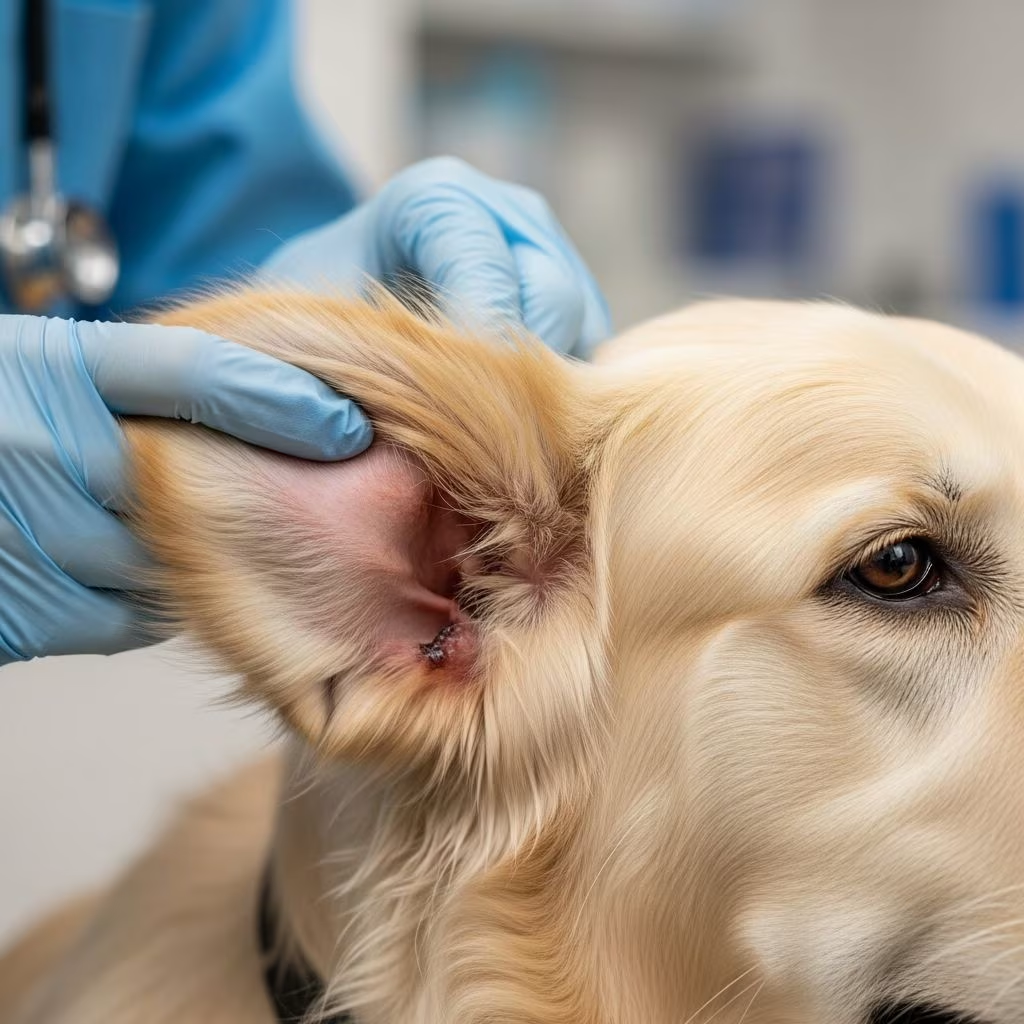
Ear infections represent one of the most common health concerns veterinarians encounter in canine practice. These painful conditions affect dogs across all ages, breeds, and sizes, yet many pet owners delay seeking treatment because they fail to recognize the early warning signs. Understanding how to identify an ear infection, recognize its severity, and navigate treatment options can significantly improve your dog’s comfort and prevent serious complications.
Understanding the Anatomy and Types of Canine Ear Infections
The canine ear comprises three distinct regions, each susceptible to different types of infections. The external ear canal, lined with delicate skin and specialized glands, is the most commonly affected area.Otitis externa refers to inflammation of this outer portion and accounts for the majority of ear problems veterinarians treat. The middle ear, or otitis media, develops when infection spreads deeper into the ear structure. The inner ear, known as otitis interna, represents the most serious form and can result in permanent hearing loss or balance disturbances if left untreated.
Each type progresses along a spectrum from acute onset to chronic recurrent disease. Acute infections develop suddenly with obvious symptoms, while chronic conditions persist or repeatedly return over weeks or months, causing permanent structural changes within the ear canal.
Recognizing the Initial Warning Signs
Early detection of ear infections allows for faster recovery and prevents progression to more serious forms. Dogs communicate discomfort through behavioral changes and physical symptoms that observant owners can identify.
Observable behavioral indicators include:
- Frequent and vigorous head shaking, especially when the dog wakes or after water exposure
- Rubbing or pawing at the affected ear with hind legs or face
- Tilting the head persistently toward the infected side
- Reluctance to have ears touched or groomed
- Excessive face-rubbing against furniture, walls, or the ground
- Reduced appetite if systemic inflammation has developed
Physical indicators visible during inspection include:
- Visible redness or inflammation inside the ear canal
- Discharge ranging from clear to brown, yellow, or bloody depending on the cause
- Pungent odor—often described as yeasty or musty—emanating from the ear
- Swelling of the ear flap or canal tissues
- Crusting, scabbing, or scaling around the ear margins
- Waxy or oily buildup in the canal
Owners should also monitor for signs indicating progression to inner ear involvement, which require immediate veterinary attention.
Advanced Symptoms Requiring Urgent Care
When ear infections advance to the middle or inner ear, the clinical presentation becomes more severe and alarming. Dogs may display loss of balance or coordination, walking in circles or struggling to stand. Rapid eye movements (nystagmus) often accompany inner ear infections. Vomiting, nausea, and reduced food or water intake signal serious systemic involvement. Some dogs experience partial or complete hearing loss in the affected ear.
Head tilts that persist even during rest suggest deeper infection. Facial paralysis, though rare, can develop if infection compresses the facial nerve. Any combination of these signs warrants same-day veterinary evaluation, as delays in treatment increase the risk of permanent neurological damage.
The Multifactorial Nature of Canine Ear Disease
Unlike simple infections that have a single cause, most canine ear problems result from complex interactions between primary triggers and perpetuating factors. Understanding this distinction helps explain why some infections resolve quickly while others recur persistently.
Primary factors initiate ear disease by directly damaging canal tissues:
- Parasitic infestations, particularly ear mites, which cause intense inflammation and secondary bacterial overgrowth
- Allergic conditions including food allergies, environmental allergies (atopy), and contact sensitivities—the most common primary cause overall
- Foreign materials such as grass awns, foxtails, or debris lodged in the canal
- Endocrine disorders like hypothyroidism that alter skin health and immune function
- Structural abnormalities including polyps or tumors that obstruct normal ear drainage
- Trauma from excessive cleaning, aggressive scratching, or injury
Perpetuating factors maintain infection even after primary causes are addressed:
- Bacterial overgrowth, particularly Staphylococcus and Pseudomonas species, which establish biofilms resistant to treatment
- Yeast proliferation, especially Malassezia, which thrives in warm, moist canal environments
- Chronic structural changes including glandular overgrowth and canal thickening that reduce drainage and air circulation
- Residual middle ear infections that continuously re-seed external infections
This distinction explains why treating only the infection without addressing the underlying cause results in recurrence. A dog with uncontrolled allergies, for example, will develop repeated ear infections despite appropriate antibiotic or antifungal therapy.
Environmental and Biological Risk Factors
Certain conditions create an environment conducive to infection development. Warm, moist ear canals provide ideal breeding grounds for bacteria and yeast, which multiply rapidly in such conditions. Dogs with floppy ears or excessive ear hair face increased risk because these anatomical features trap moisture and debris[10].
Water exposure—whether from swimming, bathing, or humid climates—increases infection likelihood by disrupting the ear’s natural protective barriers. Excessive cerumen (earwax) production, whether from inflammation, allergies, or anatomical predisposition, further compromises the ear’s ability to self-clean and maintain its protective acidic pH.
Diagnostic Evaluation by Veterinary Professionals
Proper diagnosis requires more than observing symptoms. Veterinarians use otoscopic examination to visualize the ear canal and assess inflammation severity. The tympanum (eardrum) may appear red, bulging, or ruptured depending on infection duration and spread.
Cytology samples obtained by swabbing the canal reveal the specific organisms present. This microscopic analysis determines whether bacteria, yeast, parasites, or combinations thereof are responsible. Some infections contain multiple organisms simultaneously, requiring combination therapy for resolution.
Bacterial culture and sensitivity testing become necessary in recurrent or non-responsive cases. This testing identifies the specific bacterial species and determines which antibiotics will be most effective, avoiding ineffective medications and preventing antibiotic resistance.
Treatment Approaches for External Ear Infections
Topical therapy forms the cornerstone of treatment for most external ear infections. Medicated eardrops containing antibiotics, antifungals, and anti-inflammatory agents work synergistically to eliminate infection and reduce pain and swelling.
Common medication components include:
- Antibacterial agents that eliminate bacterial populations
- Antifungal compounds targeting yeast overgrowth
- Corticosteroids that rapidly reduce inflammation, pain, and excessive glandular secretion
- Antiparasitic agents when mites contribute to infection
Proper application technique maximizes effectiveness. The ear canal must first be cleaned to remove debris and exudate that would otherwise prevent medication penetration. Dogs must receive eardrops exactly as prescribed, typically twice daily for 7-14 days for acute infections.
Systemic therapy with oral antibiotics or antifungals becomes necessary when infection spreads to the middle or inner ear. Middle ear infections typically require 6-8 weeks of oral antibiotics such as amoxicillin-clavulanate, enrofloxacin, or clindamycin. Inner ear infections demand even more aggressive therapy, potentially including hospitalization for intravenous antibiotics if the dog cannot maintain adequate nutrition and hydration due to nausea or balance disturbances.
Managing Severe and Recurrent Infections
Chronic ear disease that fails to respond to appropriate medical management sometimes requires surgical intervention. Repeated inflammation causes irreversible changes—the canal becomes thickened, narrowed, and scarred, preventing normal drainage and medication penetration. In such cases, veterinarians may perform ear canal ablation surgery, which removes the diseased external canal and creates an open drainage pathway.
Dogs with recurrent bacterial infections and histories of ear mite infestation benefit from combination products containing both antibacterial and antiparasitic agents to ensure complete parasite elimination and prevent reinfestation cycles.
Some dogs require long-term preventive therapy, particularly those with underlying allergies. Regular cleaning with veterinary-approved solutions, periodic antifungal treatments, or even low-dose maintenance antibiotics may be necessary to prevent infection recurrence.
Addressing the Root Cause
Successful long-term management requires identifying and treating underlying conditions. Dogs with food allergies need dietary modification or prescription elimination diets. Those with environmental allergies may benefit from antihistamines, omega-3 supplementation, or immunotherapy. Hypothyroidism requires thyroid hormone replacement. Foreign body removal must occur to prevent ongoing irritation.
Ear cleaning forms part of comprehensive management for many dogs. Regular gentle cleaning removes excess cerumen and debris, improving medication penetration and reducing the microbial load. However, aggressive or overly frequent cleaning can damage sensitive tissues and worsen inflammation, so veterinary guidance on appropriate cleaning frequency and technique is essential.
Prevention Strategies for At-Risk Dogs
Prevention represents the most effective approach for dogs prone to ear problems. Routine ear checks during grooming appointments allow early detection of problems. Dogs with floppy ears benefit from regular professional grooming that carefully removes excess hair from the ear canal, improving ventilation.
After water exposure from swimming or bathing, owners should thoroughly dry the ears with a clean towel and consider using a drying solution formulated for canine ears. This prevents the moisture accumulation that predisposes to infection.
Managing underlying allergies through appropriate dietary, environmental, or medical interventions significantly reduces ear infection recurrence. Supplementing with omega-3 fatty acids supports skin barrier function and reduces inflammatory responses.
Prognosis and Recovery Timeline
Most acute external ear infections resolve completely with appropriate topical therapy within 7-14 days. Dogs typically show significant improvement within 3-5 days of starting treatment.
Middle ear infections require longer commitment. Oral antibiotics must continue for 6-8 weeks minimum, even if symptoms resolve earlier, to prevent relapse. Inner ear infections demand 2-4 months of treatment, with some dogs requiring extended courses depending on infection severity and response.
Recovery depends significantly on identifying and managing underlying causes. Dogs with addressed root problems rarely experience recurrence, while those without adequate underlying management frequently redevelop infections within weeks to months.
Early intervention dramatically improves outcomes. Dogs treated within days of symptom onset typically recover faster than those with delayed diagnosis, and permanent damage from chronic infection becomes increasingly likely the longer disease progresses untreated.
When to Seek Veterinary Care
Any dog displaying ear scratching, head shaking, or discharge warrants veterinary evaluation. Early treatment prevents progression and reduces overall treatment duration and cost. Dogs showing balance problems, hearing loss, facial paralysis, or persistent head tilts require same-day emergency evaluation.
Dogs with diagnosed ear infections that fail to improve after 7-10 days of appropriate therapy need reassessment. The veterinarian may recommend examination under anesthesia for thorough cleaning and culture, or reconsider the underlying diagnosis.
References
- Ear Infections and Otitis Externa in Dogs — Merck Veterinary Manual. Accessed January 2026. https://www.merckvetmanual.com/dog-owners/ear-disorders-of-dogs/ear-infections-and-otitis-externa-in-dogs
- Inner Ear Infection (Otitis Interna) in Dogs — VCA Animal Hospitals. Accessed January 2026. https://vcahospitals.com/know-your-pet/inner-ear-infection-otitis-interna-in-dogs
- Ear Infections in Dogs — PDSA. Accessed January 2026. https://www.pdsa.org.uk/pet-help-and-advice/pet-health-hub/conditions/ear-infections-in-dogs
- Dog Ear Infections: Symptoms, Causes, Treatment, and Prevention — American Kennel Club. Accessed January 2026. https://www.akc.org/expert-advice/health/dog-ear-infections/
- Canine Otitis Externa — Treatment and Complications — PMC, National Institutes of Health. 2018. https://pmc.ncbi.nlm.nih.gov/articles/PMC6294027/
- Understanding Dog Ear Infections: Expert Tips for Santa Monica Pet Owners — Santa Monica Veterinary Medical Clinic. Accessed January 2026. https://santamonicavet.com/understanding-dog-ear-infections-expert-tips-for-santa-monica-pet-owners/



