
Canine Ear Infections: Complete Guide to Recognition and Management
Understand the signs, causes, and effective treatment options for your dog's ear health
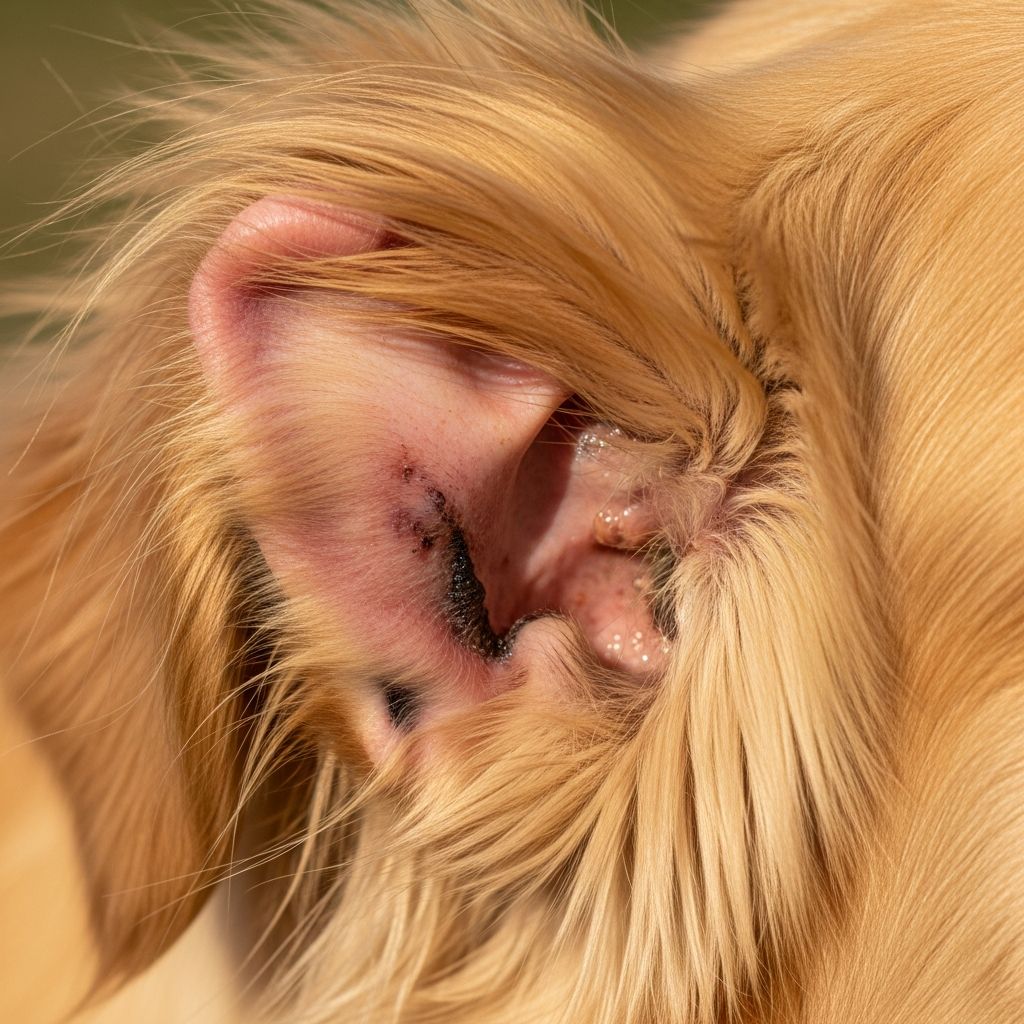
Ear infections represent one of the most prevalent health concerns affecting companion dogs, impacting their comfort and quality of life significantly. These infections develop when harmful microorganisms colonize the ear canal, leading to inflammation, discomfort, and potentially serious complications if left untreated. Understanding the nature of these infections, recognizing early warning signs, and knowing when to seek professional veterinary care can help dog owners maintain their pets’ auditory health and prevent chronic ear problems.
Identifying the Warning Signs Your Dog May Have an Ear Infection
Dogs experiencing ear infections typically exhibit a variety of behavioral and physical indicators that warrant veterinary attention. Recognizing these signs early enables pet owners to seek treatment before the condition progresses to more severe stages.
The most observable symptom is excessive scratching or pawing at the affected ear, as dogs instinctively attempt to relieve the discomfort caused by inflammation and irritation. Many owners notice their pets engaging in this behavior more frequently than usual, sometimes to the point of causing secondary injuries to the ear flap or surrounding skin.
Another prominent sign includes frequent head shaking or tilting, which occurs as dogs try to dislodge irritants or alleviate pressure building within the ear canal. Some dogs may rub their ears against furniture, carpet, or their own body in an attempt to gain relief from the bothersome sensation.
Physical manifestations of ear infections include visible redness and swelling within the ear canal and around the ear flap. In some cases, owners may observe discharge ranging from clear to yellowish or dark brown, depending on the type of infection present. A distinctive odor, often described as yeasty or resembling corn chips, frequently accompanies canine ear infections and indicates the presence of yeast overgrowth.
Additional warning signs encompass:
- Crusting or scabbing around the ear opening or inner ear surface
- Visible swelling of the ear flap, sometimes appearing as a fluid-filled pouch
- Sensitivity to touch around the ear area, causing the dog to pull away or vocalize in pain
- A tilted head position maintained over an extended period
- Balance difficulties or disorientation, indicating potential inner ear involvement
Understanding the Root Causes Behind Ear Infections
Ear infections rarely develop spontaneously; rather, they result from specific conditions that compromise the ear canal’s natural defenses and create an environment favorable for pathogenic growth.
Microbial Invasion: Bacteria and Yeast
The primary culprits behind most canine ear infections are bacterial and fungal microorganisms, particularly Staphylococcus and Pseudomonas bacteria, along with Malassezia yeast. These organisms naturally exist on dogs’ skin surfaces in manageable quantities. However, when the ear canal’s protective barrier becomes compromised, these microbes proliferate rapidly, overwhelming the ear’s natural defense mechanisms and triggering infection and inflammation.
Moisture Accumulation and Environmental Factors
Excess moisture within the ear canal creates an ideal breeding ground for bacterial and fungal colonization. Dogs that enjoy swimming, bathing, or live in humid climates face elevated risk. The ear canal’s warm, moist environment accelerates microbial multiplication when water becomes trapped. Additionally, wax buildup can trap moisture and debris, further promoting infection development.
Allergic Responses and Immune System Reactions
Allergies represent a significant contributing factor to ear infection development in dogs. Approximately 50 percent of dogs with allergic skin disease develop ear-related complications, while this figure rises to 80 percent in dogs with food sensitivities. Allergic reactions cause inflammation of the ear canal lining, damaging the skin barrier and allowing bacteria and yeast to establish infections. The inflammatory cascade triggered by allergen exposure makes the ear environment increasingly susceptible to secondary microbial invasion.
Other Predisposing Conditions
Several additional factors can increase susceptibility to ear infections:
| Condition Type | Description |
|---|---|
| Endocrine Disorders | Thyroid disease and other hormonal imbalances suppress immune function and predispose ears to infection |
| Autoimmune Conditions | Compromised immune response reduces the body’s ability to control microbial growth |
| Ear Mites | Parasitic infestation damages the ear canal lining and creates infection vulnerability |
| Structural Abnormalities | Polyps or other growths within the ear canal obstruct drainage and promote infection |
| Foreign Objects | Grass seeds or debris create localized trauma and bacterial entry points |
| Trauma | Physical injury to the ear canal compromises protective barriers |
Diagnostic Approaches: How Veterinarians Confirm Ear Infections
Veterinary professionals employ specific diagnostic techniques to identify the infection type and determine appropriate treatment strategies. During an examination, the veterinarian will use an otoscope to visualize the ear canal, assessing inflammation, discharge characteristics, and overall canal condition.
The veterinarian typically collects an ear swab sample for microscopic examination or culture analysis. This procedure identifies the specific microorganisms responsible for the infection, allowing targeted treatment selection. Identifying whether the infection involves bacteria, yeast, or both organisms guides medication choice and improves treatment success rates.
In cases of chronic or recurrent infections, additional diagnostic tests may include thyroid function assessment to rule out endocrine contributions or allergy testing to identify underlying allergic triggers.
Treatment Strategies for Canine Ear Infections
Successful ear infection management requires a multi-faceted approach addressing both the active infection and underlying predisposing factors.
Topical Medicated Treatments
Prescription medicated ear drops form the cornerstone of most ear infection treatment protocols. These preparations typically contain combinations of antibiotics to eliminate bacterial pathogens, antifungal agents to combat yeast overgrowth, and corticosteroids to reduce inflammation and pain. Common prescription medications include Otomax, Mometamax, and Posatex, though veterinarians may select alternative options based on specific infection characteristics.
Application technique significantly impacts treatment effectiveness. Owners should massage the ear drop solution gently into the affected ear canal to ensure thorough distribution and contact with infected tissue. For optimal results, ears should be cleaned prior to medication application, typically using a veterinarian-recommended cleanser applied 10-15 minutes before the medicated drops.
Some infections respond to extended-release topical medications that remain active within the ear canal for 2-4 weeks, reducing the frequency of applications needed and improving compliance with treatment regimens.
Systemic Oral Medications
Severe or deep-seated infections may require oral antibiotics or antifungal medications administered systemically. For bacterial infections, common choices include amoxicillin-clavulanate, enrofloxacin, clindamycin, or cefpodoxime, typically prescribed for a minimum treatment duration of 6-8 weeks. Fungal infections generally respond to itraconazole or similar antifungal compounds. Adherence to the complete prescribed course, even when symptoms improve before treatment completion, remains essential for eradicating the infection and preventing recurrence.
Ear Cleaning and Maintenance
Regular gentle ear cleaning removes accumulated debris, wax, and discharge that would otherwise perpetuate infection. Veterinarians recommend using only professional-grade ear cleansers specifically designed for infected ears, never household solutions or cotton swabs that could push debris deeper into the canal or cause trauma.
Proper cleaning technique involves applying the cleanser solution, allowing it to sit briefly to soften debris, and then gently flushing the ear. The cleanser also helps dry the ear canal, reducing the moist environment that bacteria and yeast require for growth.
Anti-Inflammatory and Pain Management
Dogs experiencing significant discomfort may benefit from additional anti-inflammatory pain relief prescribed alongside topical treatments. These medications reduce inflammation throughout the ear canal and provide analgesic effects, improving the dog’s comfort during the healing process.
Managing Underlying Health Factors
Long-term ear health requires addressing the fundamental conditions that predisposed the dog to infection development. For allergic dogs, identifying and minimizing allergen exposure becomes paramount. This might involve dietary modifications for food-sensitive dogs or environmental management strategies for environmental allergies.
Dogs with endocrine or autoimmune conditions require ongoing management of these underlying disorders to optimize immune function and reduce infection susceptibility. Regular veterinary monitoring ensures these conditions remain well-controlled and ear health is maintained.
Preventing Future Ear Infections
Proactive prevention strategies can significantly reduce the incidence of recurrent ear infections. Regular ear inspections allow owners to detect early signs of irritation or moisture accumulation. Post-swimming ear drying using designated dog ear drying solutions prevents moisture-related infections in dogs that enjoy water activities.
Dogs prone to ear problems benefit from periodic professional ear cleaning performed by veterinary staff, even when no active infection is present. For allergy-prone dogs, consistent allergen management and potentially omega-3 supplementation to support skin barrier function can reduce inflammation and infection risk.
When to Seek Veterinary Care
While mild ear irritation might occasionally improve with attentive home care and over-the-counter cleansers, persistent or worsening symptoms warrant immediate veterinary evaluation. Signs indicating urgent professional attention include discharge with foul odor, severe swelling causing ear canal obstruction, head tilting suggesting inner ear involvement, or balance difficulties.
Chronic or recurrent infections that repeatedly occur despite treatment suggest underlying conditions requiring more comprehensive diagnostic investigation and specialized management approaches.
Frequently Asked Questions
How long does it typically take to resolve a dog ear infection with treatment?
Most uncomplicated ear infections respond within 7-14 days of appropriate treatment initiation. However, complete resolution may require 2-4 weeks, and owners must continue prescribed medications for the full recommended duration even if symptoms improve earlier.
Can ear infections cause permanent hearing loss in dogs?
Uncomplicated external ear infections rarely cause permanent hearing loss. However, infections progressing to the inner ear can potentially result in permanent deafness if severe inflammation or infection damages auditory structures.
Are home remedies effective for treating dog ear infections?
While over-the-counter ear cleansers may provide temporary relief for mild irritation, they cannot effectively treat active infections. Prescription medications remain necessary for bacterial or fungal infections to prevent progression and complications.
Why do some dogs experience recurrent ear infections?
Recurrent infections typically result from unmanaged underlying conditions such as allergies, endocrine disorders, or structural ear canal abnormalities. Identifying and addressing these root causes becomes essential for preventing repeated episodes.
Can I use the same ear drops from a previous infection?
Using leftover ear drops without fresh veterinary evaluation is inadvisable. Infection types vary, and previous medications may not address the current infection’s specific causative organism.
References
- Ear Infections in Dogs: Symptoms, Causes & Treatment — UrgentVet. Accessed April 2026. https://urgentvet.com/ear-infections-in-dogs-otitis-externa/
- Inner Ear Infection (Otitis Interna) in Dogs — VCA Animal Hospitals. Accessed April 2026. https://vcahospitals.com/know-your-pet/inner-ear-infection-otitis-interna-in-dogs
- Canine otitis externa — Treatment and complications — PubMed Central, NIH. https://pmc.ncbi.nlm.nih.gov/articles/PMC6294027/
- Ear Infection in Dogs: Symptoms and Treatment — GoodRx Pet Health. Accessed April 2026. https://www.goodrx.com/pet-health/dog/how-to-tell-if-dog-has-ear-infection
- Dog Ear Infections — PetMD. Accessed April 2026. https://www.petmd.com/dog/conditions/dog-ear-infections
- Dog Ear Infections: Symptoms, Causes, Treatment, and Prevention — American Kennel Club. Accessed April 2026. https://www.akc.org/expert-advice/health/dog-ear-infections/
- Ear infections in dogs — PDSA. Accessed April 2026. https://www.pdsa.org.uk/pet-help-and-advice/pet-health-hub/conditions/ear-infections-in-dogs
Similar Articles








Read full bio of medha deb




