

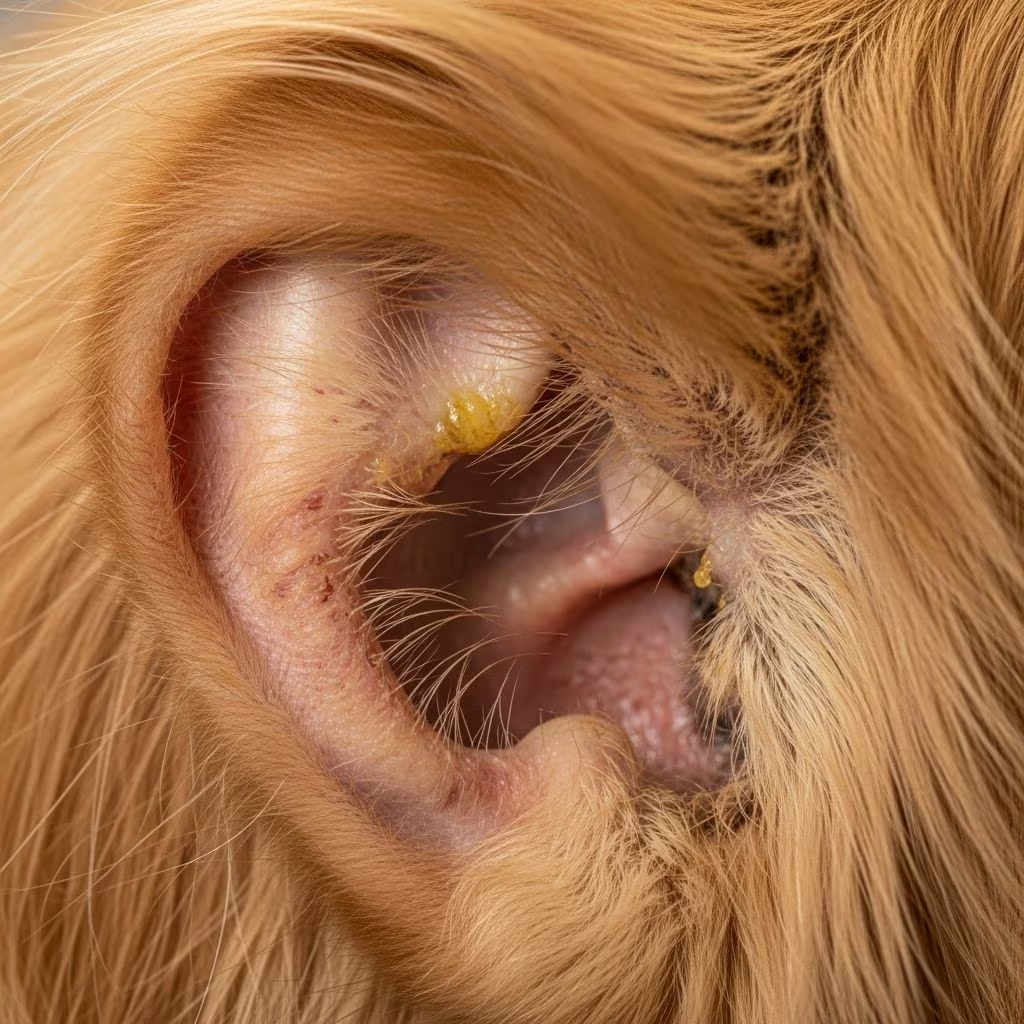
Understanding Canine Ear Infections
Ear infections are one of the most common health issues affecting dogs, causing discomfort and requiring prompt veterinary attention. The canine ear canal differs significantly from human ears, being more vertical and forming an L-shape that naturally tends to hold in fluid. This anatomical difference makes dogs inherently more prone to developing ear infections compared to humans. An ear infection, clinically known as otitis, occurs when bacteria, yeast, or a combination of both overgrow in the ear canal, creating an irritating and painful condition. Understanding the causes, recognizing symptoms early, and seeking appropriate treatment are essential for maintaining your dog’s ear health and preventing serious complications.
Types of Ear Infections in Dogs
There are three distinct types of ear infections in dogs, each affecting different parts of the ear structure:
- Otitis Externa: This is the most common type, involving inflammation of the external ear canal and the layer of cells lining it. Most uncomplicated cases resolve within 1–2 weeks once appropriate treatment begins.
- Otitis Media: This infection affects the middle ear and often results from the spread of infection from the external ear.
- Otitis Interna: The most serious type, affecting the inner ear. Otitis media and interna can result in deafness, facial paralysis, and vestibular signs.
What Causes Ear Infections in Dogs?
Multiple factors can contribute to the development of ear infections in dogs. Primary factors directly cause otitis, while perpetuating factors maintain infection even after the initial cause is addressed.
Primary Causes
Primary factors include diseases that directly affect the external ear canal:
- Ear mites (Otodectes cyanotis), particularly common in puppies
- Hypersensitivity disease, including food allergies, atopic dermatitis, and contact hypersensitivity—the most common primary factor
- Endocrine diseases such as hypothyroidism
- Otic neoplasia (tumors in the ear)
- Foreign bodies lodged in the ear canal
- Excessive ear wax accumulation
Perpetuating Factors
Perpetuating factors do not initiate inflammation but maintain or worsen existing infections:
- Bacterial infections, particularly Staphylococcus and Pseudomonas species
- Malassezia yeast overgrowth
- Chronic inflammation leading to glandular hyperplasia and increased cerumen production
- Infection in the middle ear (tympanic bulla) causing recurrent external infections
Recognizing Symptoms of Ear Infections
Early recognition of ear infection symptoms is crucial for prompt treatment and preventing progression to more serious conditions. Symptoms can vary depending on the type and severity of infection.
External Ear Infection Symptoms
Dogs with otitis externa typically display the following signs:
- Frequent head shaking
- Scratching or rubbing at the affected ear
- Redness and swelling of the ear canal
- Dark, waxy, or purulent discharge
- Foul-smelling odor from the ear (often yeasty or corn chip-like)
- Scabs or crusting around the ear flap
- Aural hematoma—swelling in the ear flap from ruptured blood vessels
- Thickened, hardened outer ear canal from chronic inflammation
- Enlarged lymph node at the base of the chin on the affected side
Middle and Inner Ear Infection Symptoms
When infections progress to the middle or inner ear, more serious symptoms develop:
- Head tilt to one side
- Loss of balance or vestibular signs
- Nausea and vomiting
- Partial or complete deafness
- Nystagmus (rapid side-to-side eye movements)
- Reluctance to move, preferring to remain in one spot
- Head swinging from side to side, even at rest
Diagnosis and Veterinary Evaluation
If you suspect your dog has an ear infection, contacting your veterinarian promptly is essential. The quicker your dog receives treatment, the faster recovery is likely to be. Your veterinarian will perform a thorough examination, which may include otoscopic inspection of the ear canal, culture samples to identify the causative organism, and assessment of the eardrum’s integrity. In cases of suspected middle or inner ear involvement, additional imaging such as radiographs or CT scans may be recommended.
Treatment Options for Canine Ear Infections
Effective treatment of ear infections requires addressing both the infection and inflammatory changes, as well as identifying and treating underlying causes. Treatment approaches vary based on infection type and severity.
Topical Treatment
Topical therapy is the mainstay treatment for otitis externa. Medicated eardrops containing antibiotics, antifungals, and anti-inflammatories help clear swelling, pain, and infection. These medications work directly at the infection site, providing faster relief and reducing systemic side effects compared to oral medications.
Oral Medications
For more severe infections or middle ear involvement, oral medications may be prescribed alongside topical therapy:
- Antibiotics: For bacterial infections, including amoxicillin-clavulanate, enrofloxacin, clindamycin, or cefpodoxime, typically administered for minimum six to eight weeks
- Antifungal medications: For yeast infections, most often itraconazole
- Anti-inflammatory therapy: Glucocorticoids for short-term use to reduce inflammation and discomfort
Ear Cleaning
Professional ear cleaning is often necessary to remove exudates, debris, and excess cerumen. When hearing loss has occurred due to otitis-related exudates or stenosis, cleaning of these materials results in measurable hearing improvement. However, excessively vigorous cleaning of infected ears can cause serious complications, including rupture of the tympanum and otitis interna, so this should only be performed by veterinary professionals.
Treatment of Underlying Conditions
Addressing the root cause is equally important as treating the infection itself: For allergic skin disease causing recurrent infections, treating the source of allergies—through immunotherapy (allergy shots) or specialized dietary management for food allergies—can resolve recurrent ear infections. Without addressing underlying causes, infections will likely recur even after successful treatment.
Severe or Resistant Cases
In cases of otitis interna, which is a very serious condition, hospitalization may be warranted. If your dog cannot eat or drink normally due to nausea or disorientation, intravenous fluid therapy becomes necessary. Nausea must be controlled, and dehydration avoided. Your veterinarian may sedate or anesthetize your dog to adequately examine ear tissues, obtain bacterial cultures, and perform thorough ear cleaning.
Surgical Intervention
In severe chronic cases where medical management has failed, your veterinarian may recommend surgery such as Total Ear Canal Ablation (TECA). This procedure removes the ear canal entirely, thus removing diseased tissue and preventing recurrence of infection. While this is a significant surgical intervention, it may be necessary when chronic ear disease causes severe pain and other treatments have proven ineffective.
Duration of Treatment
Treatment duration varies significantly based on infection severity and type. Most uncomplicated external ear infections resolve within 1–2 weeks of appropriate treatment. However, severe infections or those associated with underlying conditions may take months to resolve, or may become chronic problems. Otitis interna typically requires a two to four-month course of oral antibiotics to prevent relapse. It is crucial to complete the full course of prescribed medications exactly as directed, even if symptoms improve earlier, to prevent treatment failure and antibiotic resistance.
Home Care and Prevention
While home remedies cannot cure established ear infections, certain preventive measures can reduce the risk of developing infections:
- Keep ears dry: Ensure your dog’s ears remain dry, especially after baths, swimming, or water activities, as moisture can exacerbate infections
- Regular ear inspections: Check your dog’s ears regularly for redness, odor, or discharge
- Gentle cleaning: Use veterinarian-approved ear cleaning solutions, never aggressive or excessive cleaning that could damage the eardrum
- Manage allergies: Address food or environmental allergies promptly to prevent secondary ear infections
- Maintain overall health: Support your dog’s immune system through proper nutrition and regular exercise
- Avoid irritants: Be cautious with ear cleansers, as some can irritate the middle and inner ear if the eardrum is damaged
When to Seek Veterinary Care
Contact your veterinarian if your dog exhibits any signs of ear infection, including head shaking, ear scratching, odor, or discharge. Seek immediate care if your dog shows signs of middle or inner ear infection such as head tilting, loss of balance, vomiting, or partial deafness, as these indicate a more serious condition requiring urgent treatment.
Long-Term Outlook
Most dogs with otitis externa respond well to appropriate treatment and resolve completely. However, dogs with underlying allergic or endocrine conditions may experience recurrent infections throughout their lives. Working closely with your veterinarian to identify and manage underlying causes dramatically improves long-term outcomes and quality of life. With proper care, regular monitoring, and proactive management of predisposing conditions, you can significantly reduce the frequency and severity of ear infections in your dog.
Frequently Asked Questions
Q: How long does it take to treat a dog ear infection?
A: Most uncomplicated external ear infections resolve within 1–2 weeks of appropriate treatment. However, severe infections or those related to underlying conditions may require several weeks to months of treatment. Otitis interna typically requires 2–4 months of oral antibiotics.
Q: Can I treat my dog’s ear infection at home?
A: While there are no effective home remedies that can cure established ear infections, over-the-counter medicated ear cleansers may help with mild infections. However, professional veterinary diagnosis and treatment are essential to identify the underlying cause and prevent serious complications.
Q: What causes ear infections in dogs?
A: Ear infections result from bacterial or yeast overgrowth, often triggered by underlying conditions such as allergies, ear mites (especially in puppies), hypothyroidism, foreign bodies, or excessive ear wax.
Q: Why are dogs more prone to ear infections than humans?
A: The canine ear canal is more vertical than human ears, forming an L-shape that naturally tends to hold fluid, making dogs more susceptible to ear infections.
Q: What should I do if my dog’s ear infection doesn’t improve?
A: If your dog’s ear isn’t improving with treatment, your vet may examine or treat it under anesthetic to take cultures and perform thorough cleaning. In severe chronic cases, surgery such as Total Ear Canal Ablation may be necessary.
Q: Can ear infections cause permanent hearing loss in dogs?
A: Yes, untreated middle and inner ear infections can result in permanent deafness. Conductive hearing loss from otitis-related exudates often improves as the infection resolves and ears are cleaned properly.
Q: How can I prevent ear infections in my dog?
A: Keep your dog’s ears dry after swimming or bathing, manage underlying allergies, perform regular ear inspections, and avoid aggressive ear cleaning. Address any signs of allergic skin disease promptly, as allergies are the most common primary cause of ear infections.
References
- Inner Ear Infection (Otitis Interna) in Dogs — VCA Animal Hospitals. 2025. https://vcahospitals.com/know-your-pet/inner-ear-infection-otitis-interna-in-dogs
- Dog Ear Infections: Symptoms, Causes, Treatment, and Prevention — American Kennel Club. 2025. https://www.akc.org/expert-advice/health/dog-ear-infections/
- Canine Otitis Externa — Treatment and Complications — National Center for Biotechnology Information (NIH). 2018. https://pmc.ncbi.nlm.nih.gov/articles/PMC6294027/
- Ear Infections in Dogs — People’s Dispensary for Sick Animals (PDSA). 2025. https://www.pdsa.org.uk/pet-help-and-advice/pet-health-hub/conditions/ear-infections-in-dogs
- Dog Ear Infections — PetMD. 2025. https://www.petmd.com/dog/conditions/dog-ear-infections
- Ear Infections in Dogs and Cats: Causes, Symptoms, Treatment — Veterinary Skin & Ear, Los Angeles. 2025. https://veterinaryskinandear.com/ear-infections/



